Visual perception improvement Normal Worksheets for Ages 7-9
6 filtered results
-
From - To
Our Visual Perception Improvement Worksheets for Ages 7-9 offer engaging activities designed to boost children's visual processing skills. Perfect for both classroom and home use, these worksheets help kids develop critical abilities such as pattern recognition, attention to detail, and spatial awareness. Crafted by educational professionals, each worksheet aims to enhance cognitive development while making learning enjoyable. Ideal for visual learners, these activities support holistic growth by combining fun and education seamlessly. Propel your child's success and confidence with our expertly designed visual perception exercises, ensuring they are well-prepared for future academic challenges. Explore our collection today!
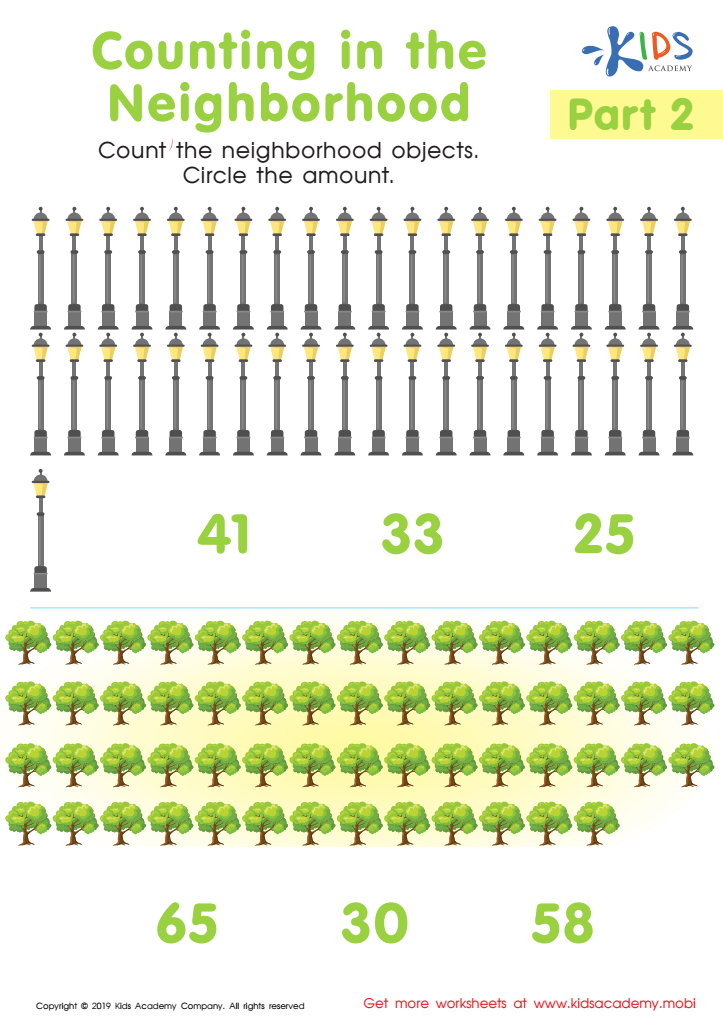
Counting In The Neighborhood Part 2 Worksheet
 Assign to My Students
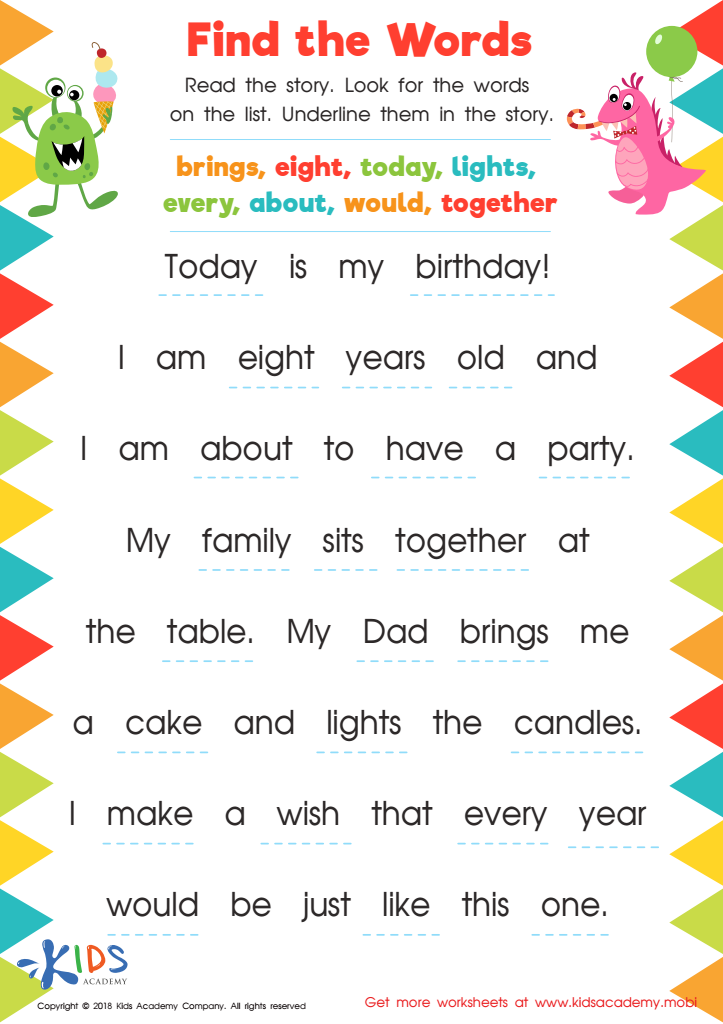
Find The Words Printable Worksheet
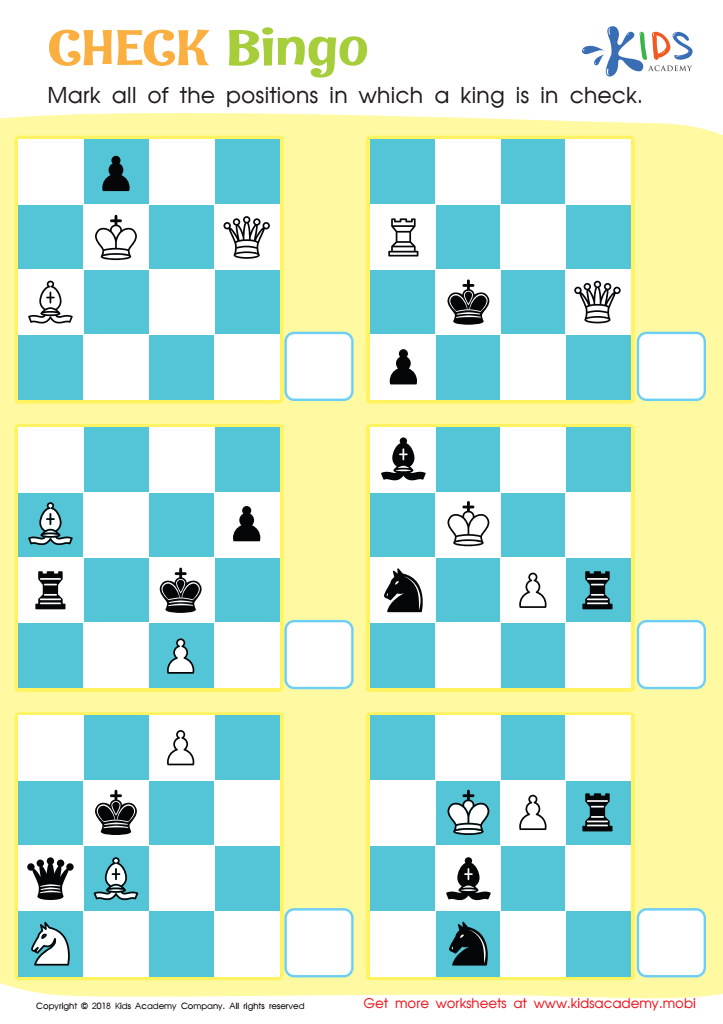
Check Bingo Worksheet
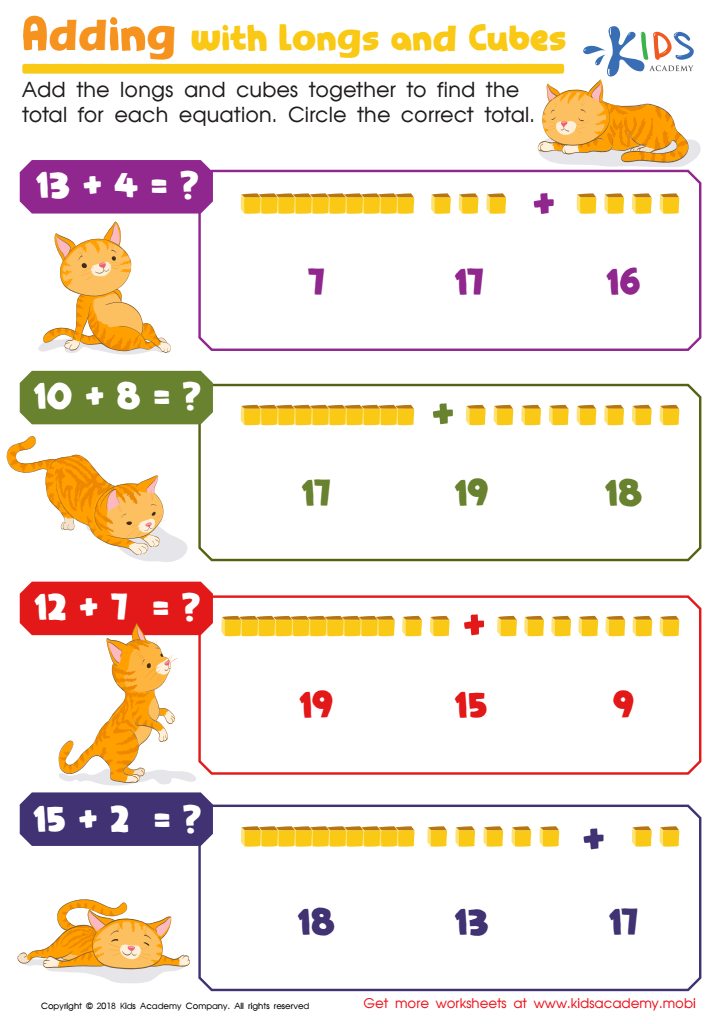
Adding With Longs and Cubes Worksheet
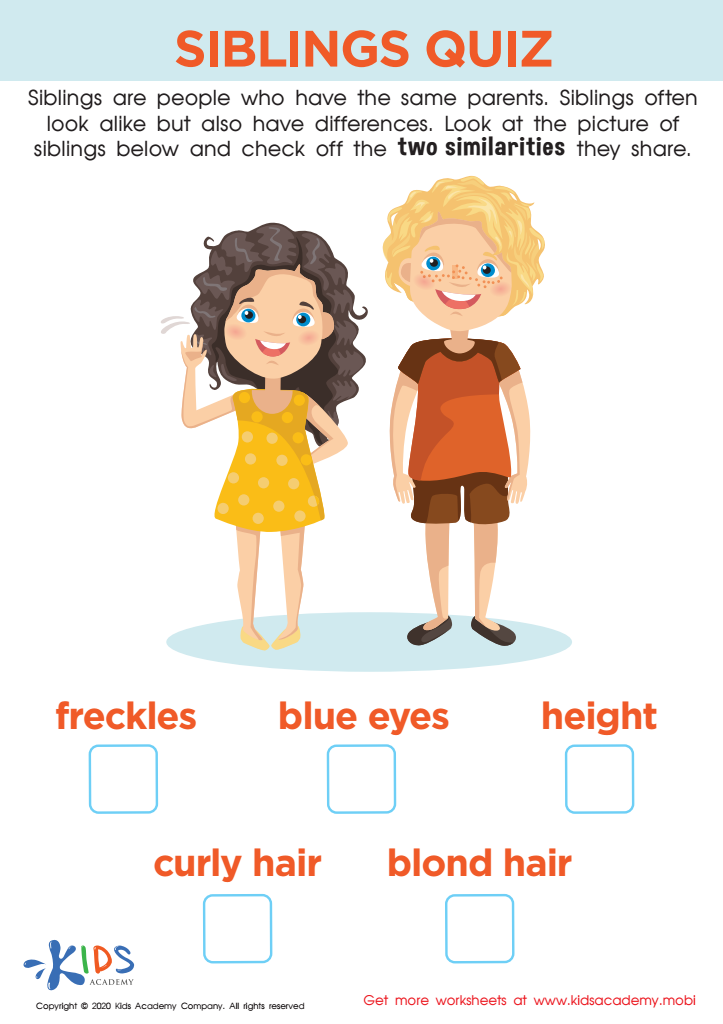
Siblings Quiz Worksheet
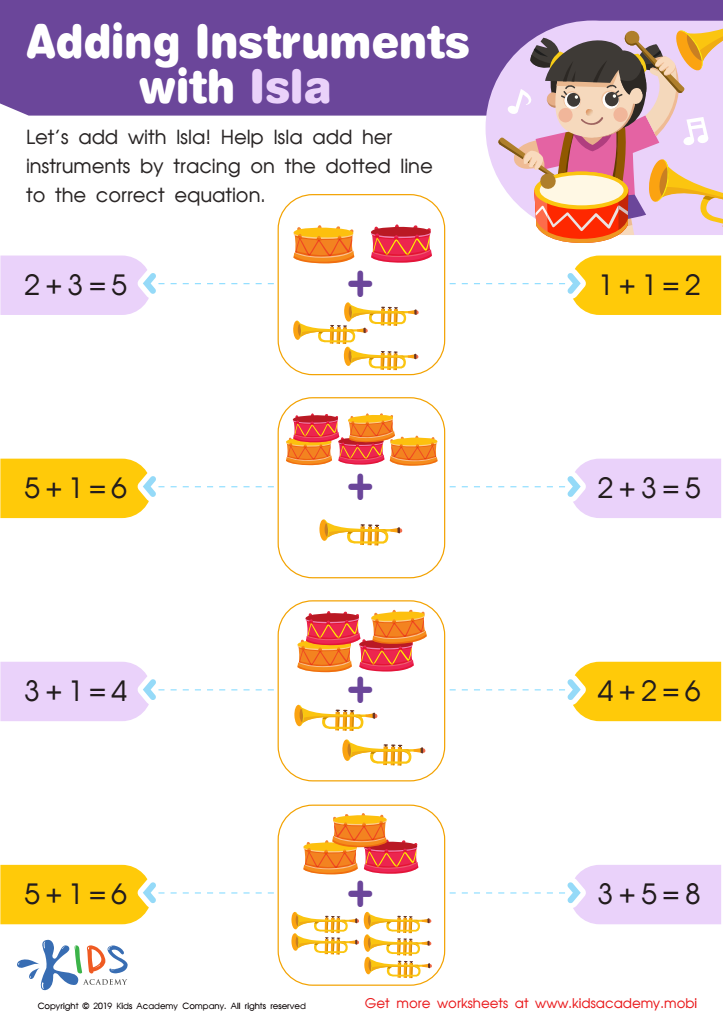
Adding Instruments with Isla Worksheet






.jpg)

Visual perception is the brain’s ability to make sense of what the eyes see, and its improvement is crucial for children ages 7-9 as it significantly impacts their learning and development. At this developmental stage, children are rapidly acquiring and honing skills that form the foundation of their education and everyday functions.
Visual perception intertwines with key academic tasks such as reading, writing, and mathematics. For example, recognizing letters, words, and numbers relies heavily on discriminating between similar shapes and patterns. Effective visual tracking allows children to read smoothly from left to right, enhancing reading fluency and comprehension. Also, visual-motor integration, the coordination of visual perception with body movement, supports activities like handwriting.
Furthermore, strong visual perception is essential for a child’s ability to navigate their environment. This capability influences their spatial awareness, which is integral for participating in physical activities and sports, fostering physical health and social skills.
Parents and teachers should actively support visual perception development through diversified activities. Simple games like puzzles, mazes, or drawing can be fun yet educational. Such engagement not only enhances academic potential but also boosts children’s confidence and independence, contributing to their overall well-being and success. Prioritizing this aspect of development ensures a more well-rounded growth trajectory.








