Visual recognition Normal Worksheets for Ages 7-9
3 filtered results
-
From - To
Enhance your child's visual recognition skills with our engaging worksheets designed for ages 7-9. These printable activities focus on helping young learners identify shapes, patterns, and objects, promoting essential cognitive development. Our thoughtfully crafted worksheets incorporate a variety of fun themes and colorful visuals, making learning enjoyable and interactive. Ideal for home or classroom settings, these resources encourage children to sharpen their observational skills while fostering critical thinking and attention to detail. Give your child the tools they need for success with our visual recognition worksheets—perfect for reinforcing learning concepts and boosting confidence in their abilities. Start exploring today!
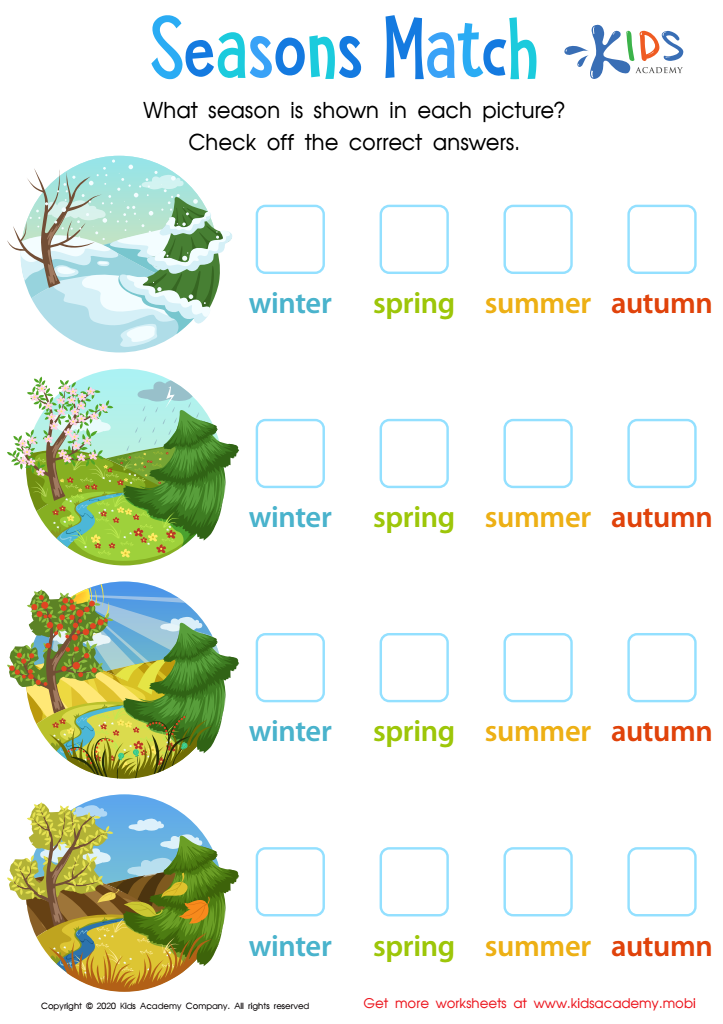
Seasons Match Worksheet
 Assign to My Students
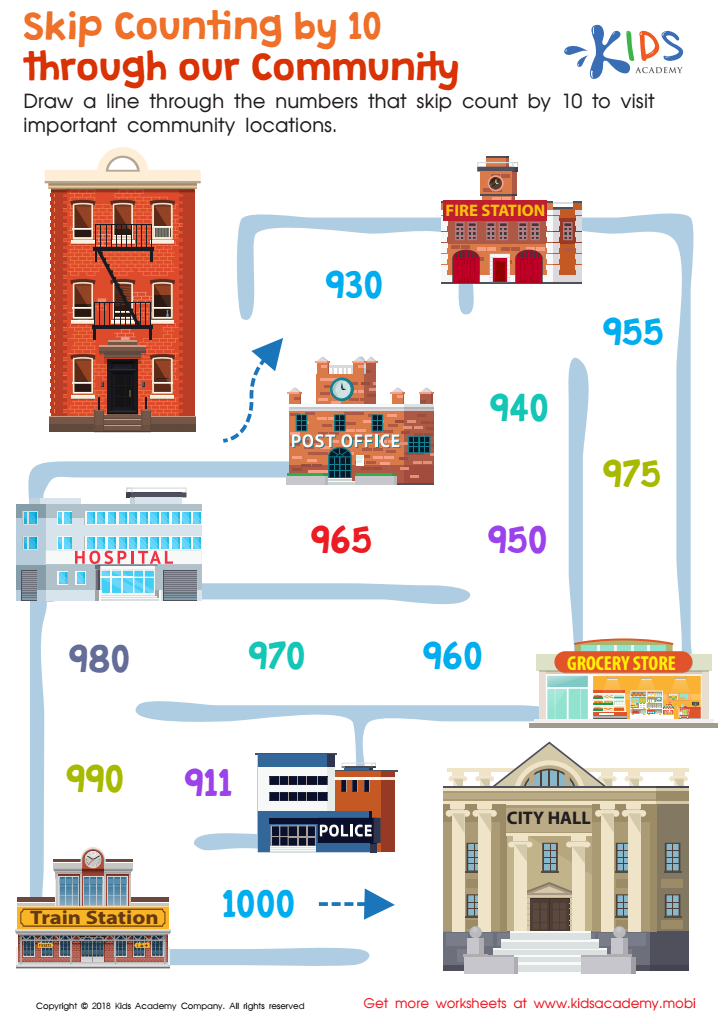
Skip Counting by 10 Through Our Community Worksheet
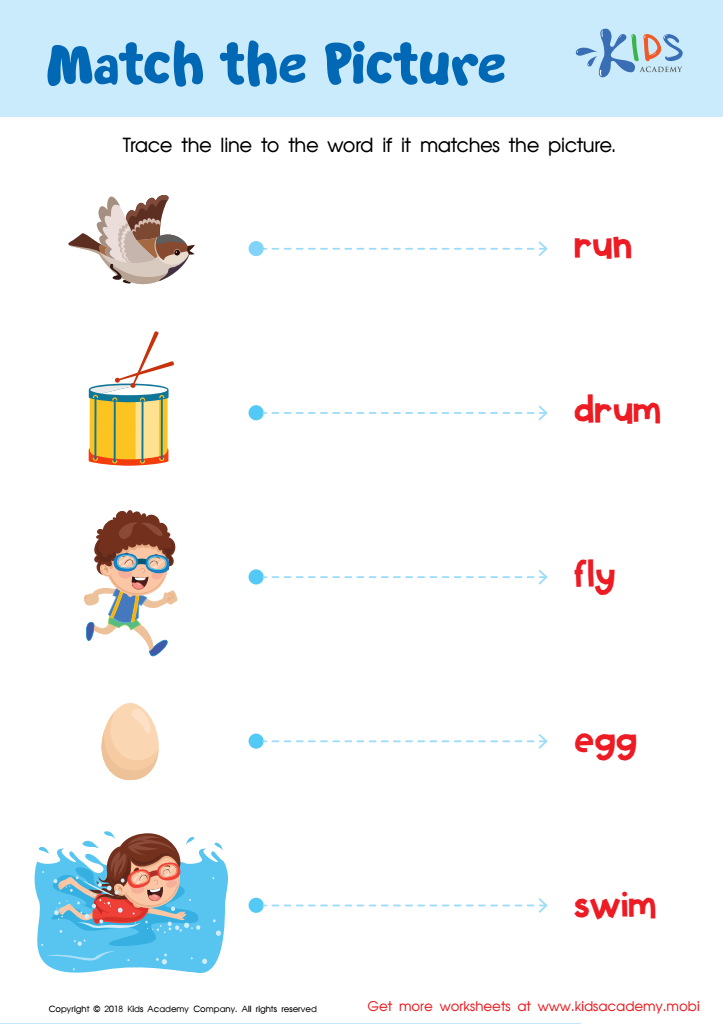
Match the Picture Worksheet





.jpg)


Visual recognition skills are crucial for children aged 7-9 as they form the foundation for their overall cognitive development and academic success. During these formative years, children are refining their ability to identify and interpret visual information, which plays a significant role in their learning processes.
Effective visual recognition enables students to quickly recognize letters, numbers, shapes, and patterns, which is essential for reading, writing, and math. As they progress through elementary school, strong visual recognition skills support their ability to comprehend text, solve problems, and make connections across subjects. For instance, in reading, the ability to recognize words rapidly enhances fluency, while in math, recognizing geometric shapes aids in problem-solving.
Moreover, these skills extend beyond academics. They are vital for social interactions and everyday decision-making, helping children interpret facial expressions and body language. Parents and teachers should be vigilant about visual recognition abilities, as any challenges in this area can impact a child’s confidence and engagement in school. Fostering these skills through targeted activities and games can help reinforce learning, enabling children to thrive in their educational journey and beyond. By prioritizing visual recognition, adults can ensure a well-rounded development for the children under their care.








