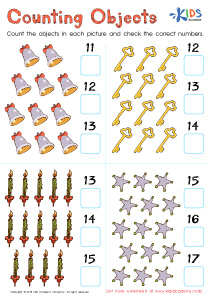
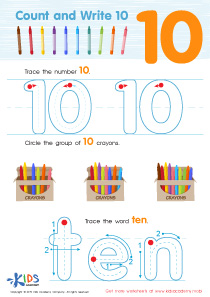
Problem-Solving Skills Normal Comparing Numbers Worksheets for Ages 7-9
3 filtered results
-
From - To
Explore our engaging "Problem-Solving Skills Normal Comparing Numbers Worksheets” designed specifically for kids aged 7-9. These worksheets focus on enhancing mathematical understanding through meaningful problem-solving challenges. By comparing numbers, students will develop critical reasoning skills while practicing key concepts such as greater than, less than, and equals. Our resources provide a vibrant learning experience that promotes confidence and fluency in math. Perfect for classroom use, homeschooling, or extra practice, these worksheets encourage students to think creatively and analytically. Unlock your child's potential in mathematics and foster a love for learning with our interactive and fun worksheets today!
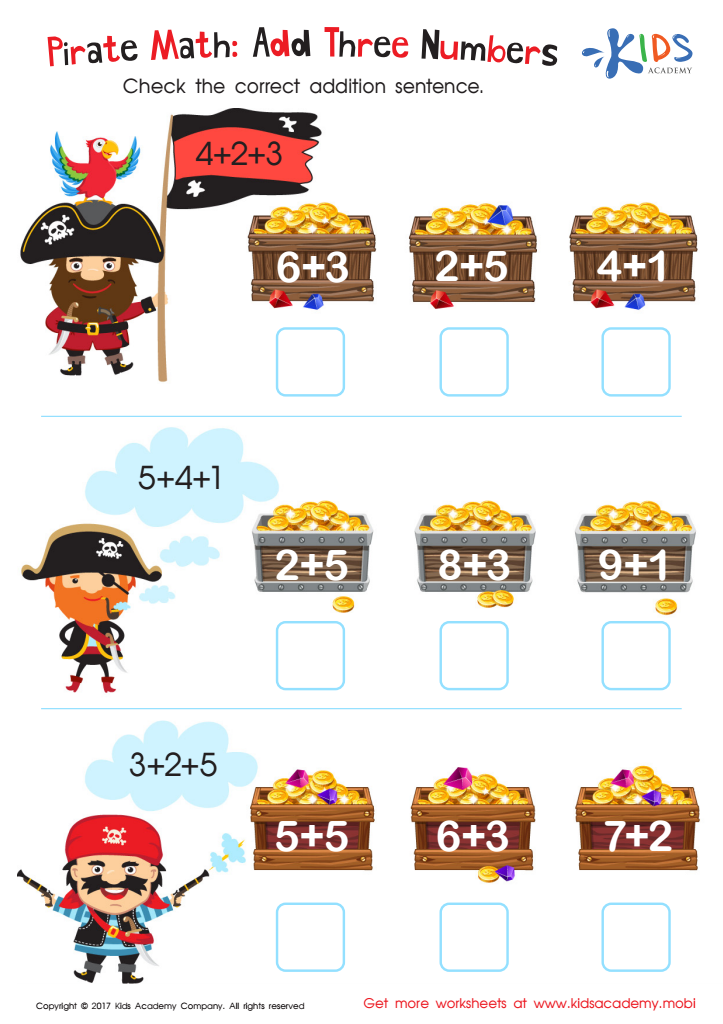
Pirate Math Printable
 Assign to My Students
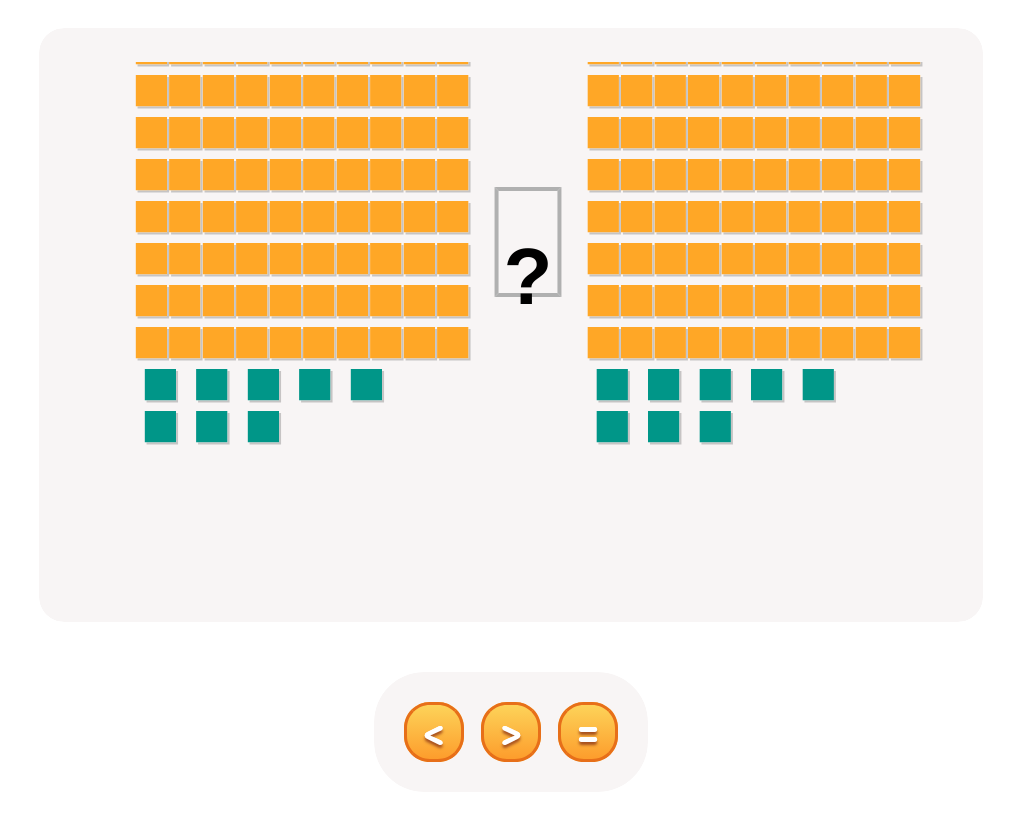

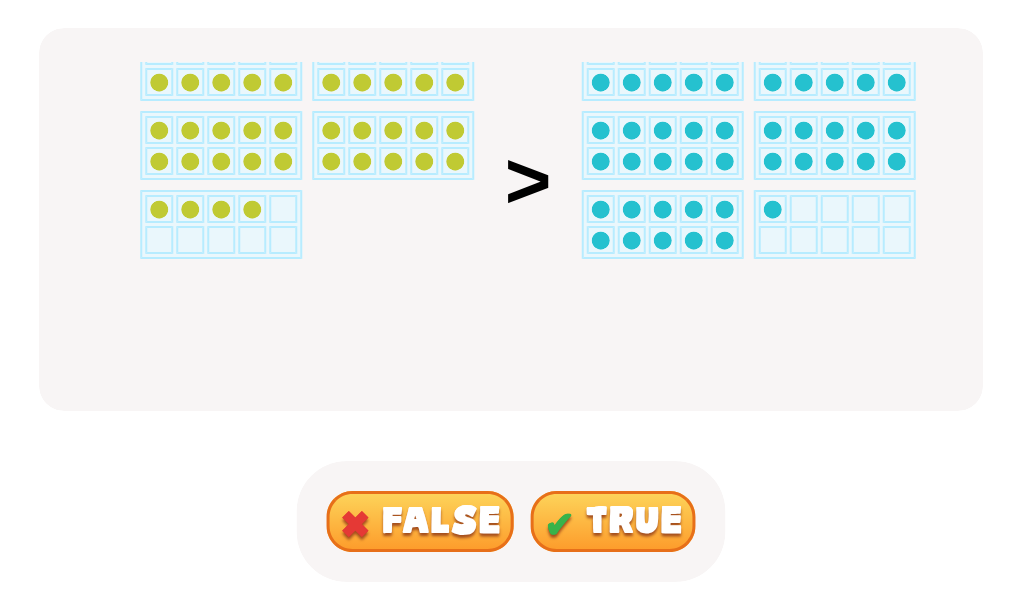
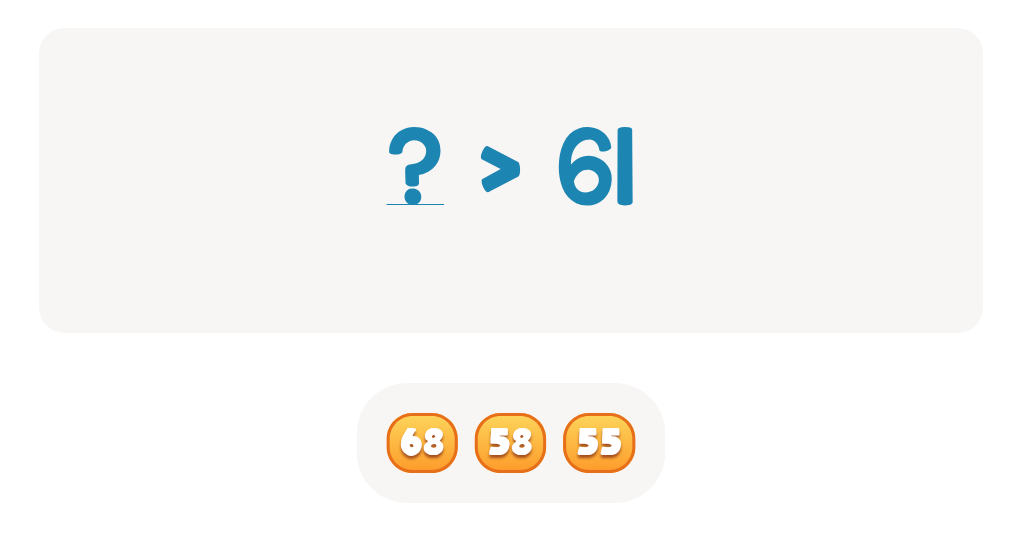
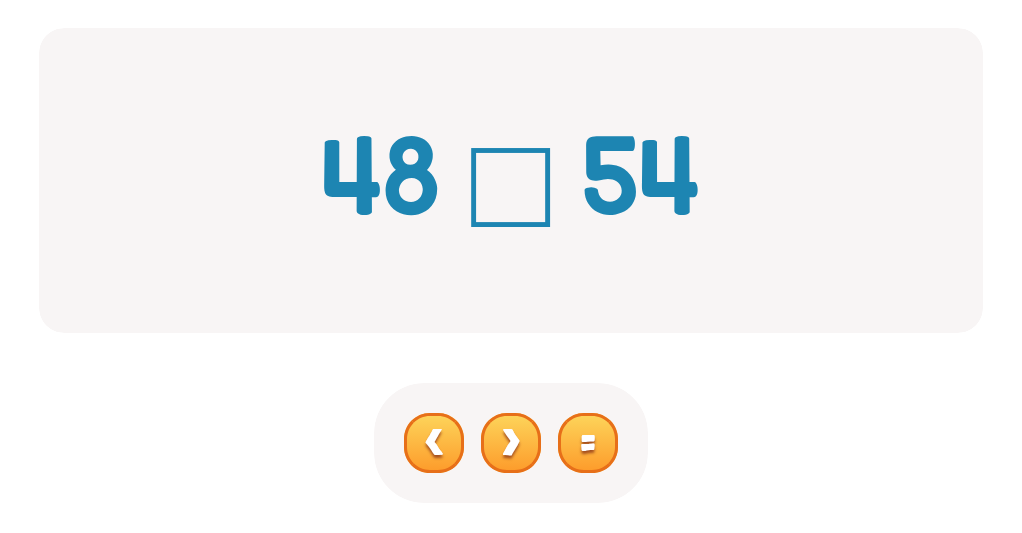
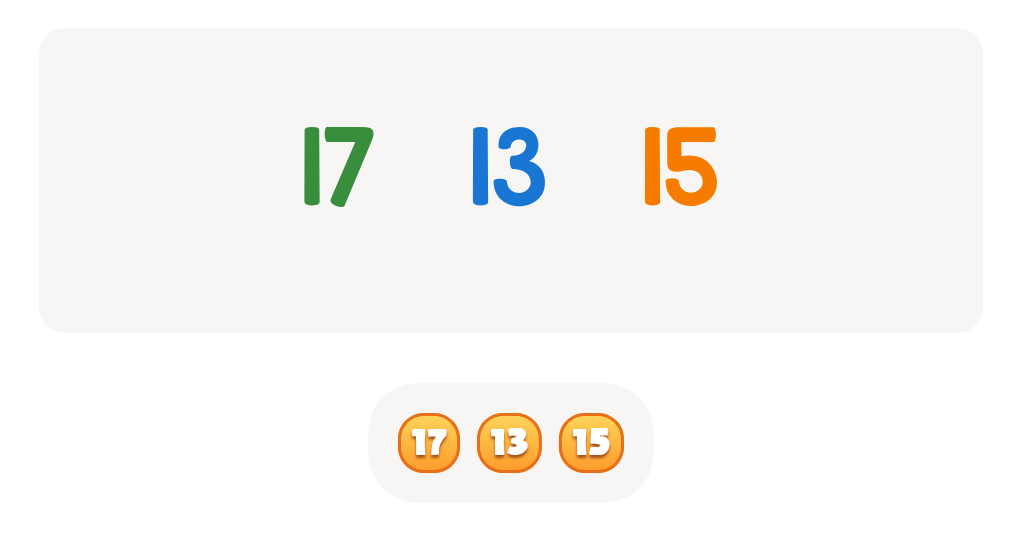
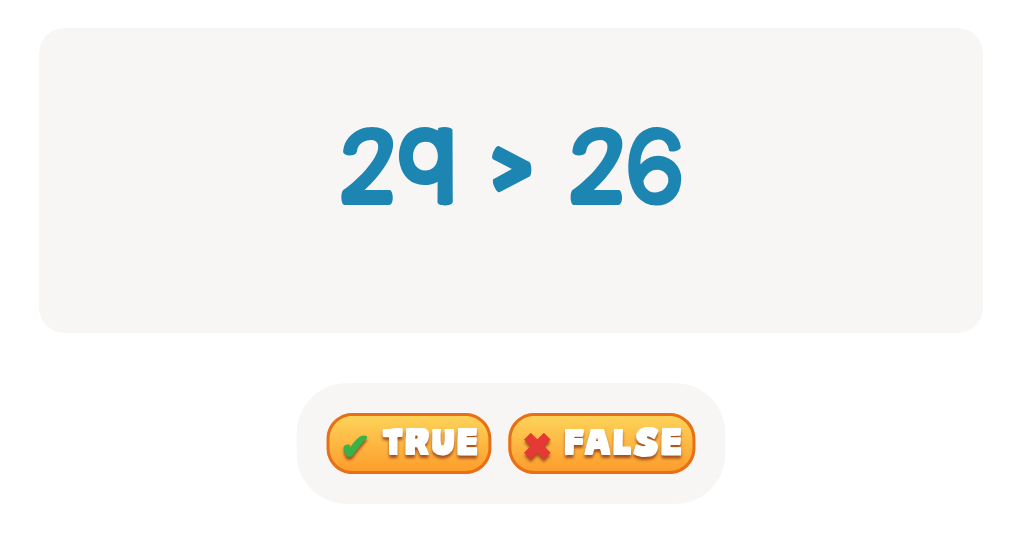
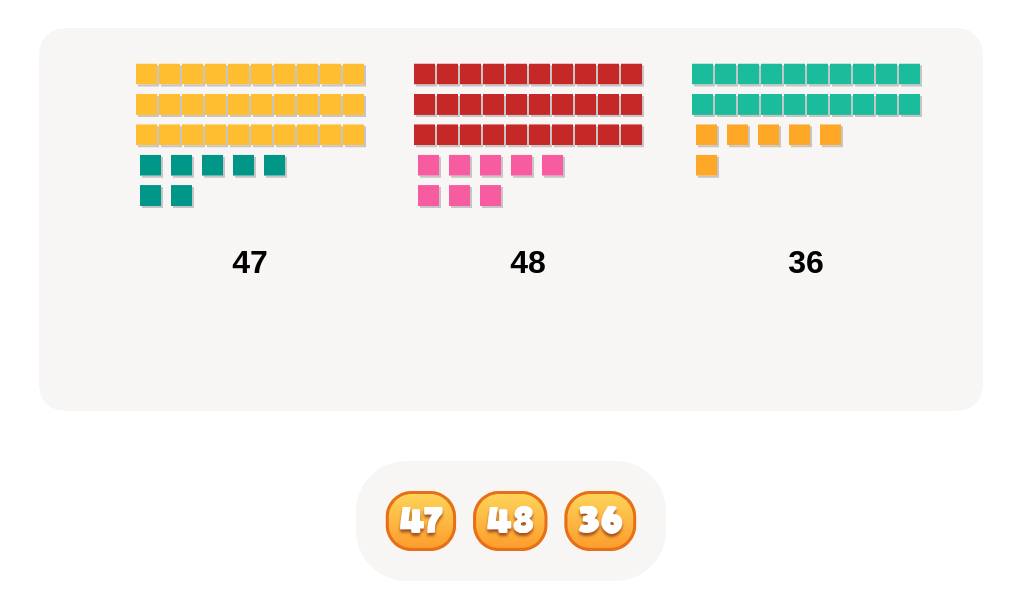
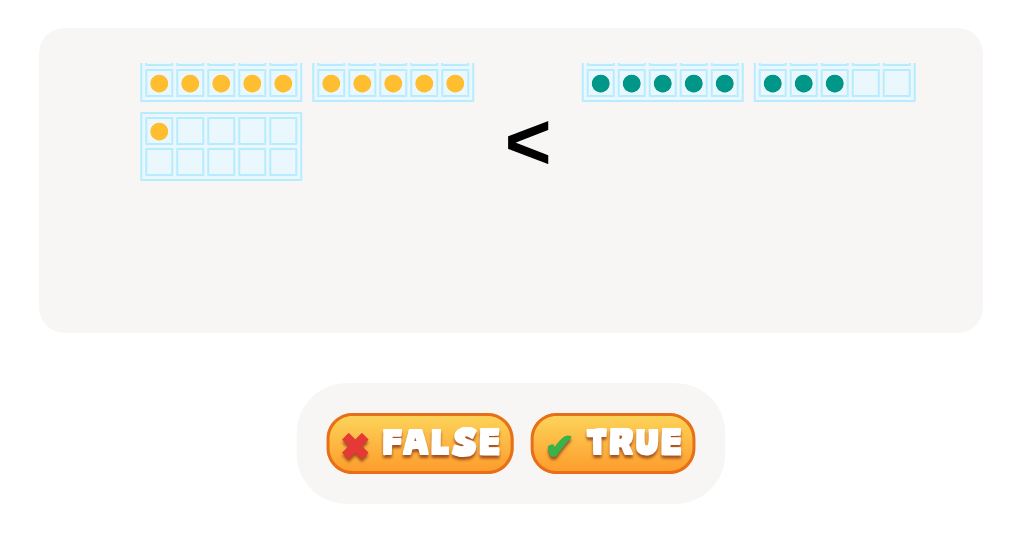
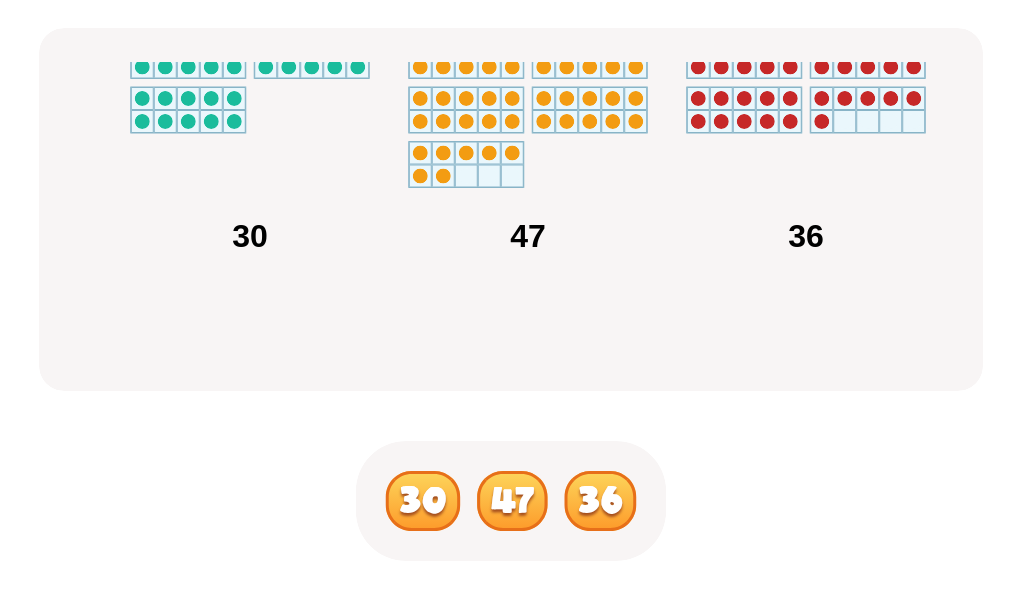
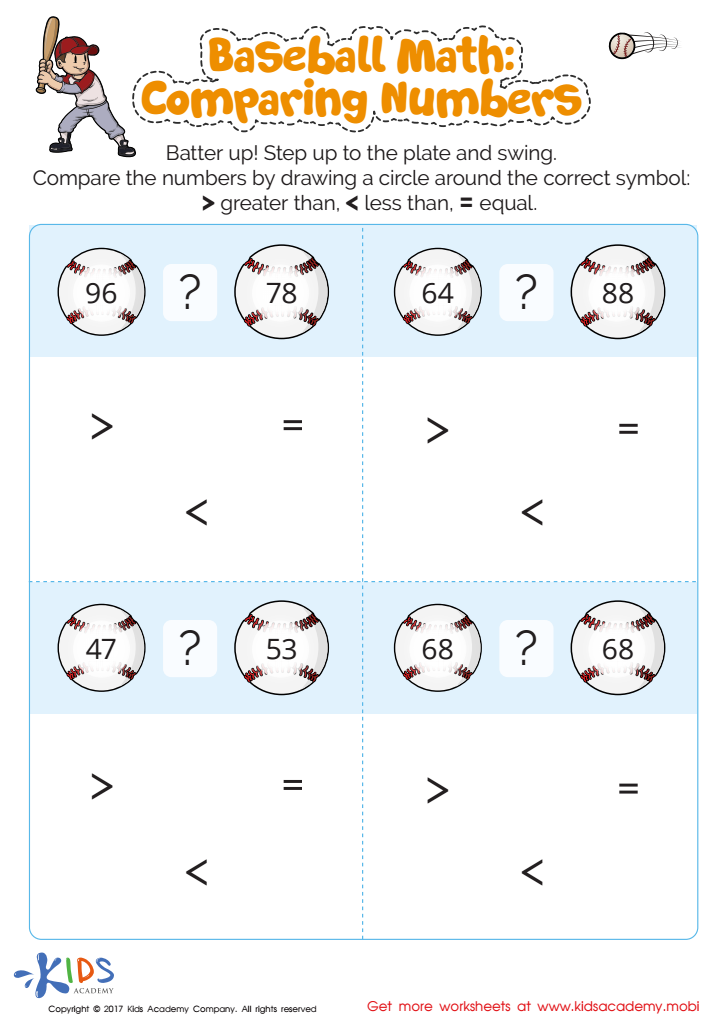
Compare Numbers Printable
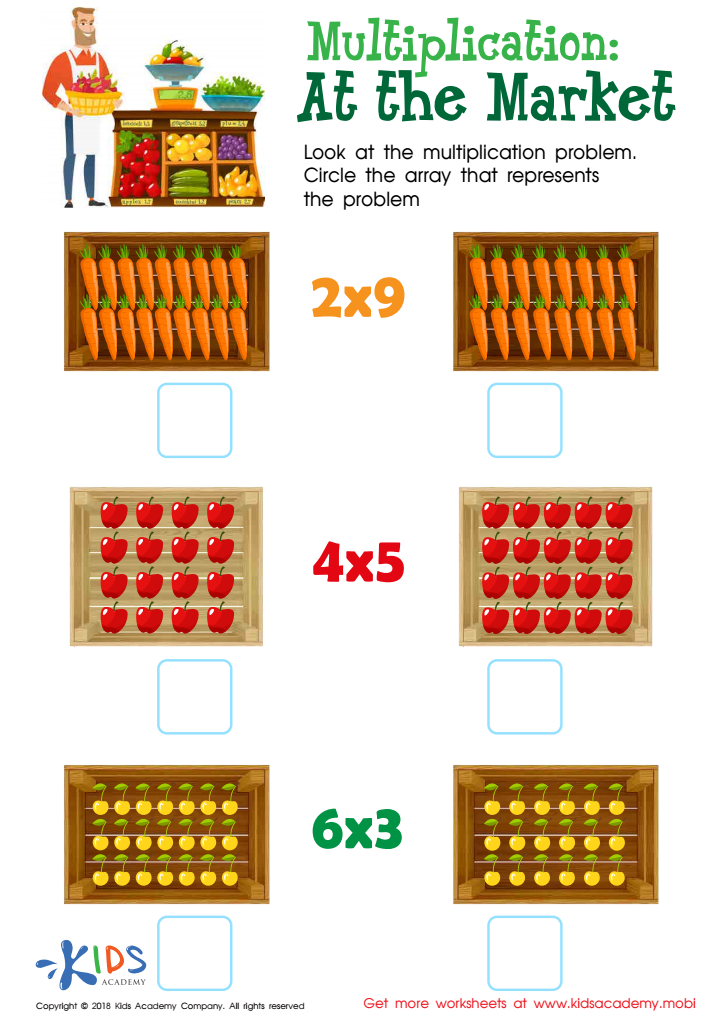
At the Market Worksheet








Problem-solving skills in children, particularly in the context of comparing numbers, are essential for their academic and cognitive development. For children aged 7-9, developing these skills lays the groundwork for higher-level math concepts and enhances logical thinking. This age group is critical because children are transitioning from concrete to more abstract mathematical thinking. By engaging in problem-solving scenarios that involve comparing numbers, parents and teachers foster a deeper understanding of quantities, relationships, and numerical value.
Furthermore, these skills are applicable beyond mathematics; they encourage critical thinking, resilience, and creativity. Students learn to analyze information, explore various solutions, and make reasoned decisions. Such competencies are vital as they impact performance not just in mathematics, but across subjects and real-life situations.
Additionally, problem-solving activities can promote communication and collaboration among peers, encouraging social development and teamwork. By being involved in their children’s learning processes, parents and teachers demonstrate the value of skills development, helping to motivate and instill a love of learning. Empowering children to effectively tackle numerical comparisons not only bolsters their confidence but equips them with tools needed for future academic challenges and everyday problem-solving experiences.