Visual learning reinforcement Normal Math Worksheets for Ages 7-9
3 filtered results
-
From - To
Boost your child’s math skills with our Visual Learning Reinforcement Normal Math Worksheets for ages 7-9. Designed especially for young learners, these printable worksheets blend engaging visuals with foundational math concepts to ensure comprehensive understanding. Ideal for home or classroom use, each worksheet helps solidify essential skills through interactive and enjoyable activities. From addition and subtraction to basic geometry and number patterns, our resources cater to young minds while making learning fun. Foster confidence and academic success with Kids Academy’s expertly crafted materials, supporting your child every step of their educational journey. Explore our collection today!
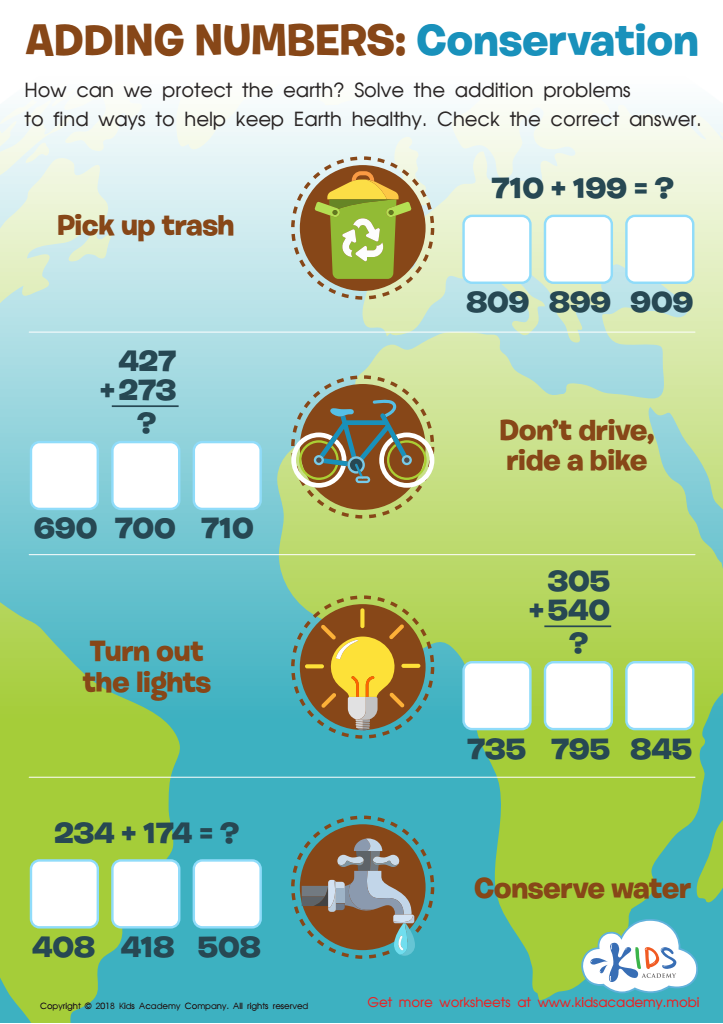
Adding Numbers: Conservation Worksheet
 Assign to My Students
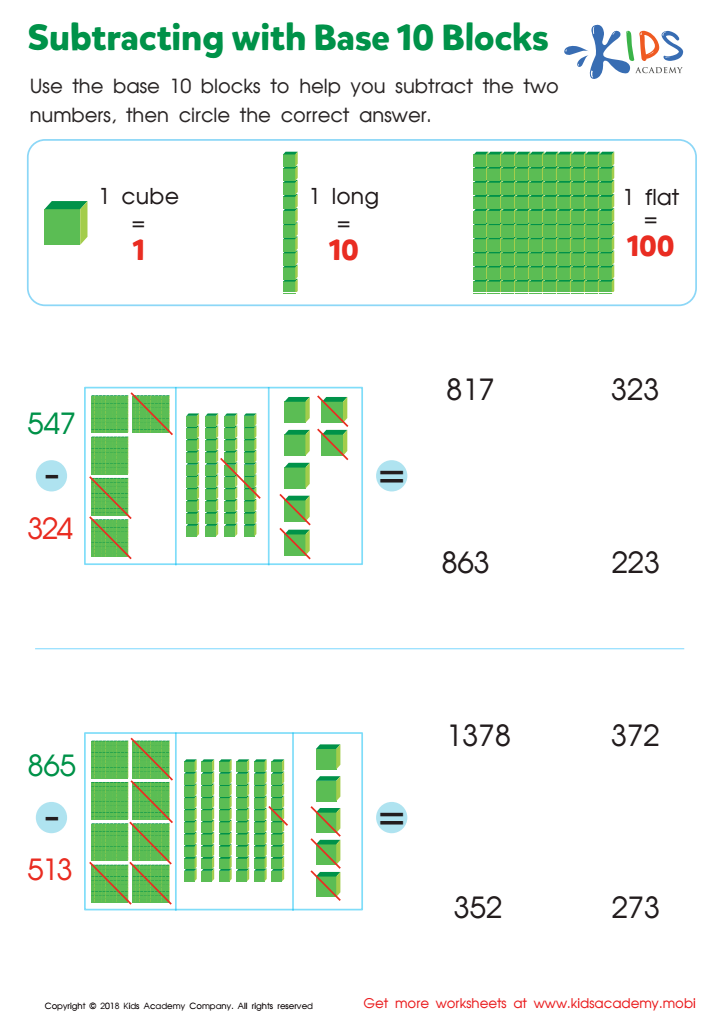
Subtracting with Base 10 Blocks Worksheet
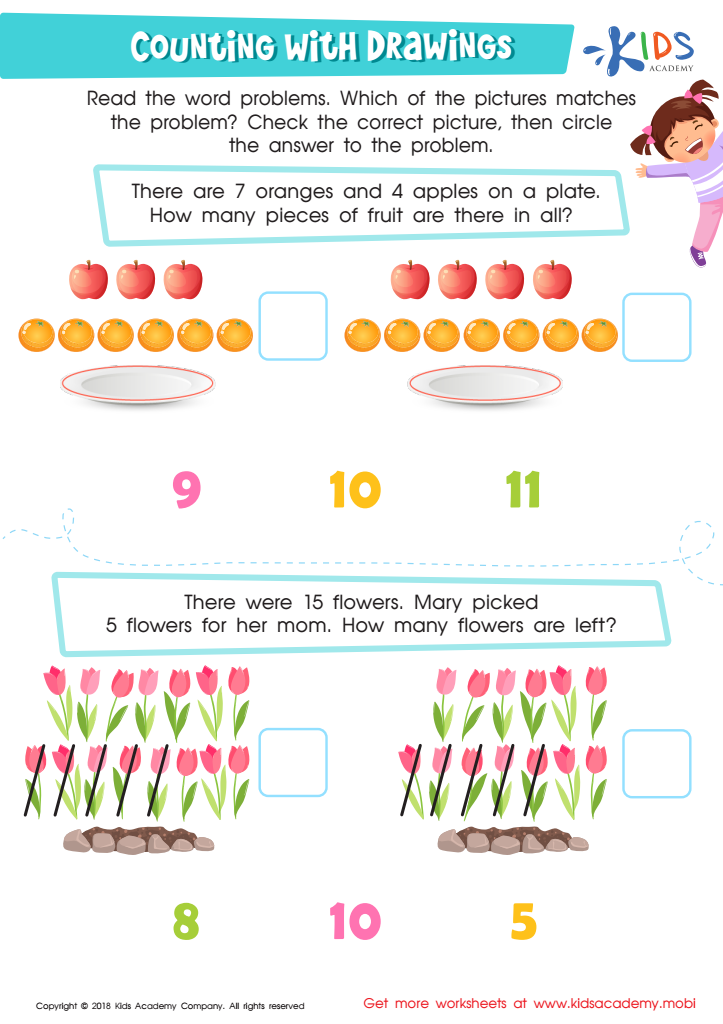
Counting with Drawings: Fruits & Chocolates Worksheet



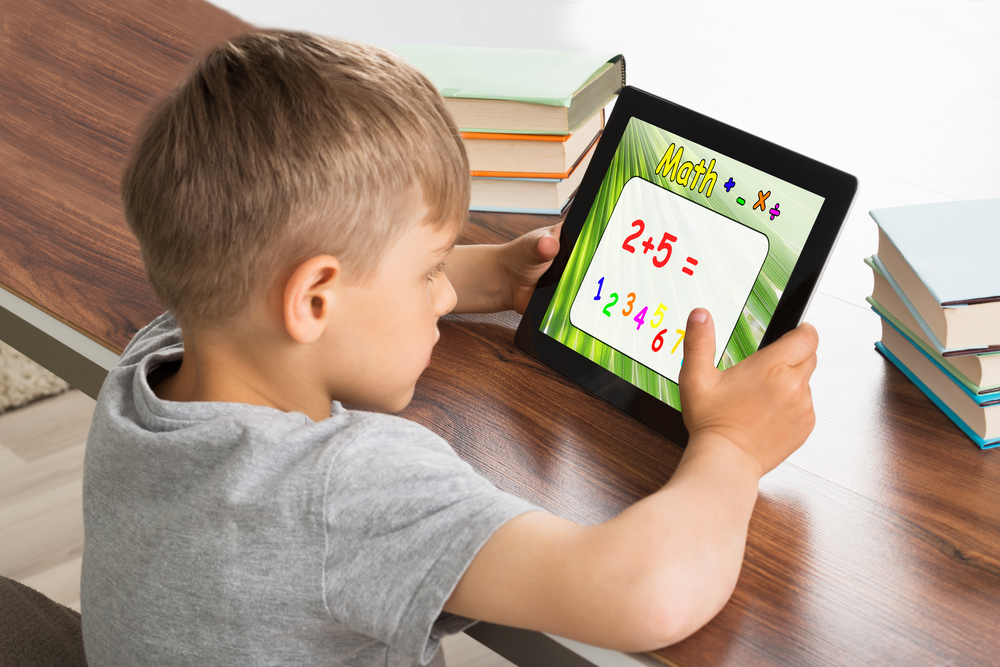

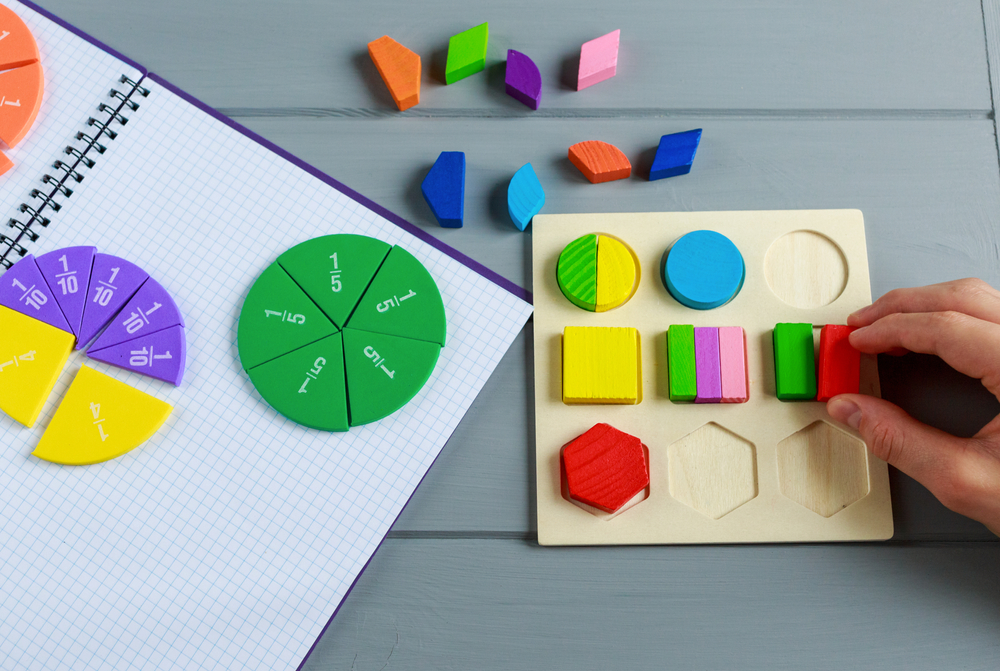


Visual learning reinforcement in math is crucial for children ages 7-9 because it aligns with their cognitive development and makes abstract concepts more accessible and understandable. At this age, children often think visually and concretely. Using visual aids such as diagrams, charts, graphs, and manipulatives—like blocks or beads—helps them internalize mathematical concepts more effectively.
When children see problems illustrated visually, it bridges the gap between concrete experiences and abstract thinking, which is essential in developing strong mathematical foundations. Visual tools can depict relationships, patterns, and sequences that are hard to grasp through numbers alone. For instance, a number line can provide a vivid representation of addition and subtraction, enhancing comprehension and retention.
Moreover, visual learning caters to diverse learning styles, promoting inclusivity in the classroom. It can bolster confidence in students who might struggle with traditional math instruction, fostering a more positive attitude towards math. Visual reinforcement also encourages active participation and curiosity, leading to a deeper engagement with the material.
Parents and teachers should therefore leverage visual learning techniques to support their children's mathematical growth. Doing so not only aids in immediate understanding but also cultivates critical thinking and problem-solving skills essential for future learning.








