Normal Building Vocabulary Worksheets for Ages 7-9 - Page 6
133 filtered results
-
From - To
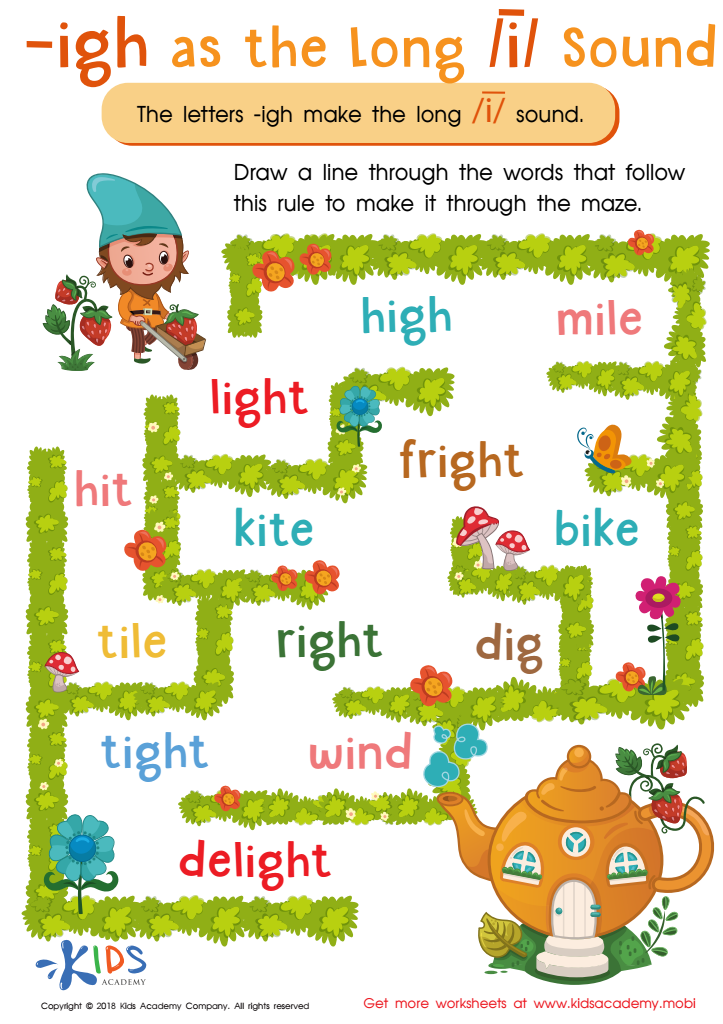
Reading: IGH as Long I Worksheet
 Assign to My Students











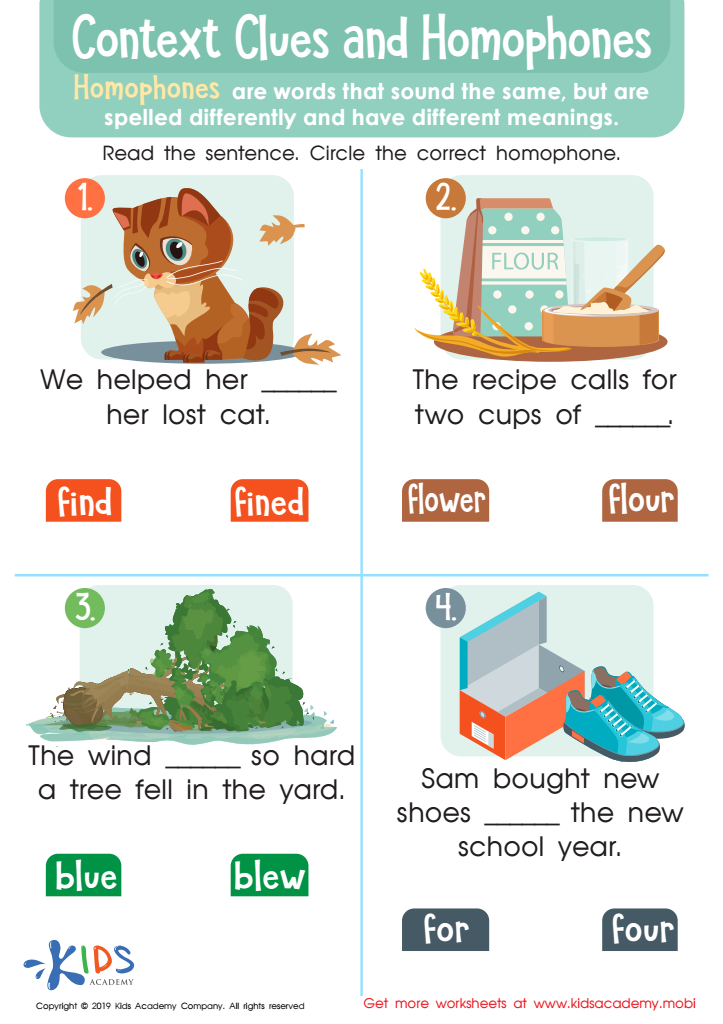
Context Clues and Homophones Worksheet
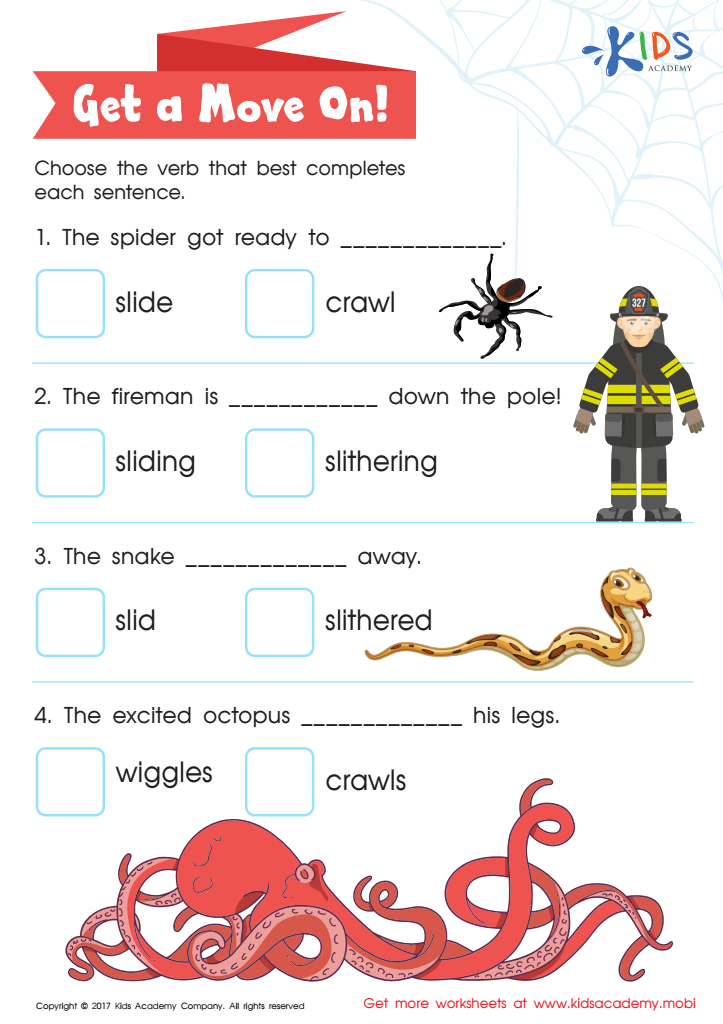
Verb Worksheet
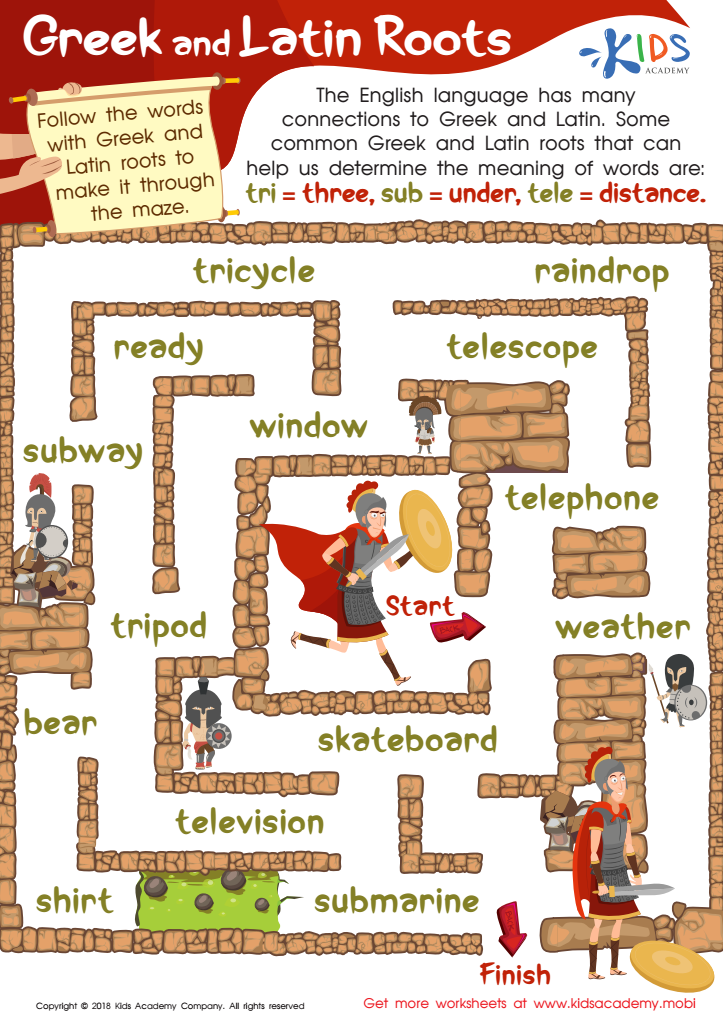
Greek and Latin Roots Worksheet
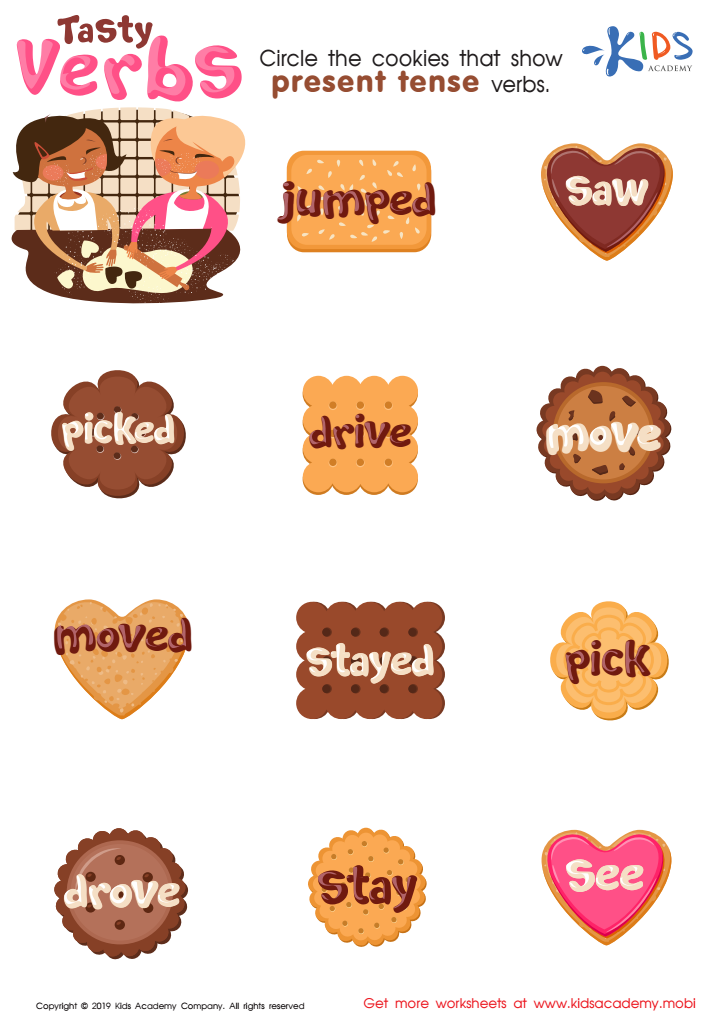
Tasty Verbs Worksheet
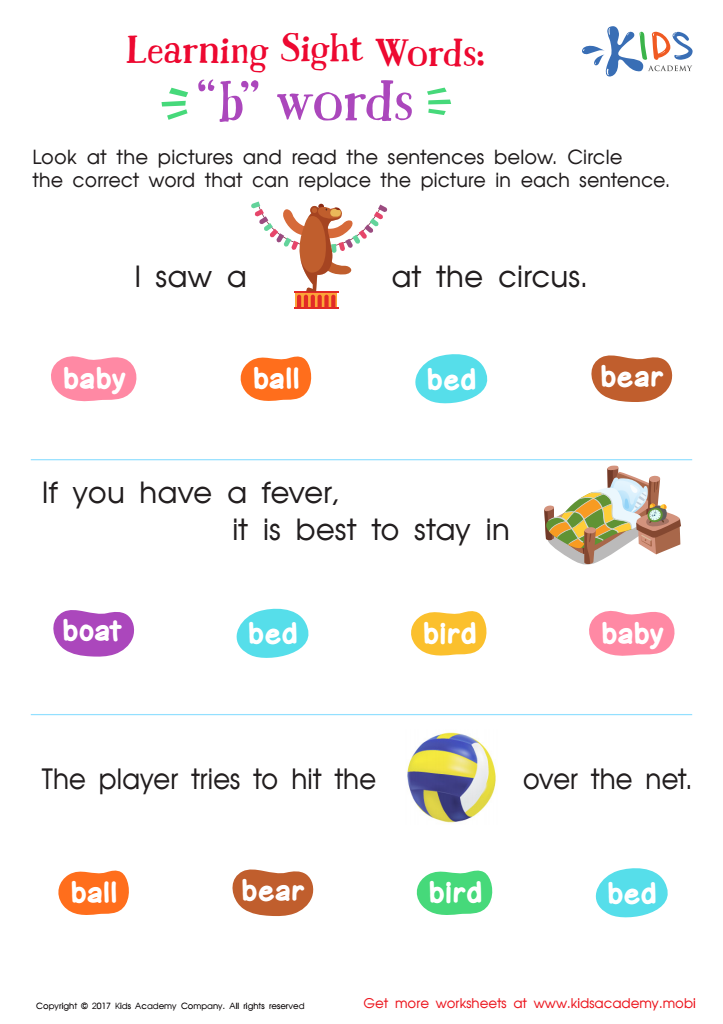
"B" Words Printable Sight Words Worksheet
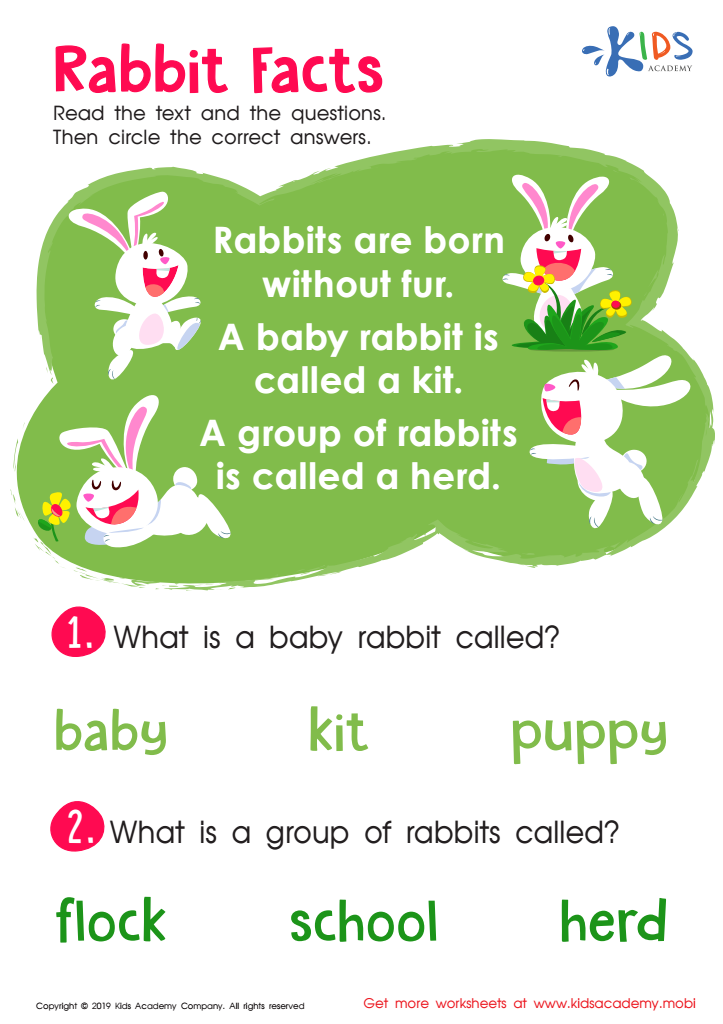
Rabbit Facts Worksheet
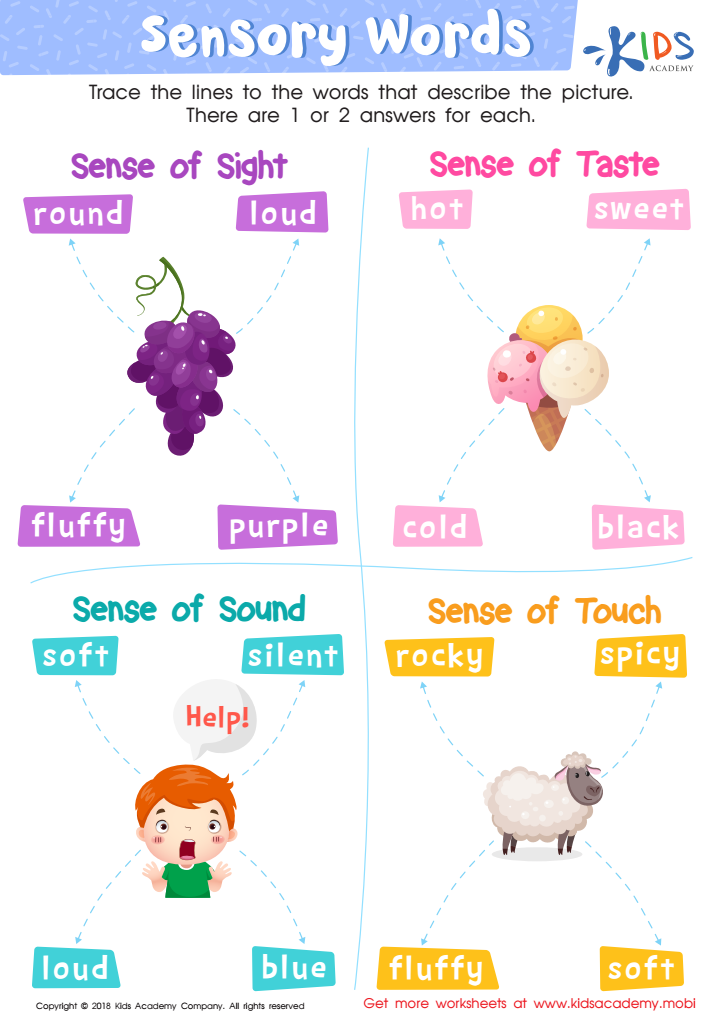
Sensory Words Worksheet
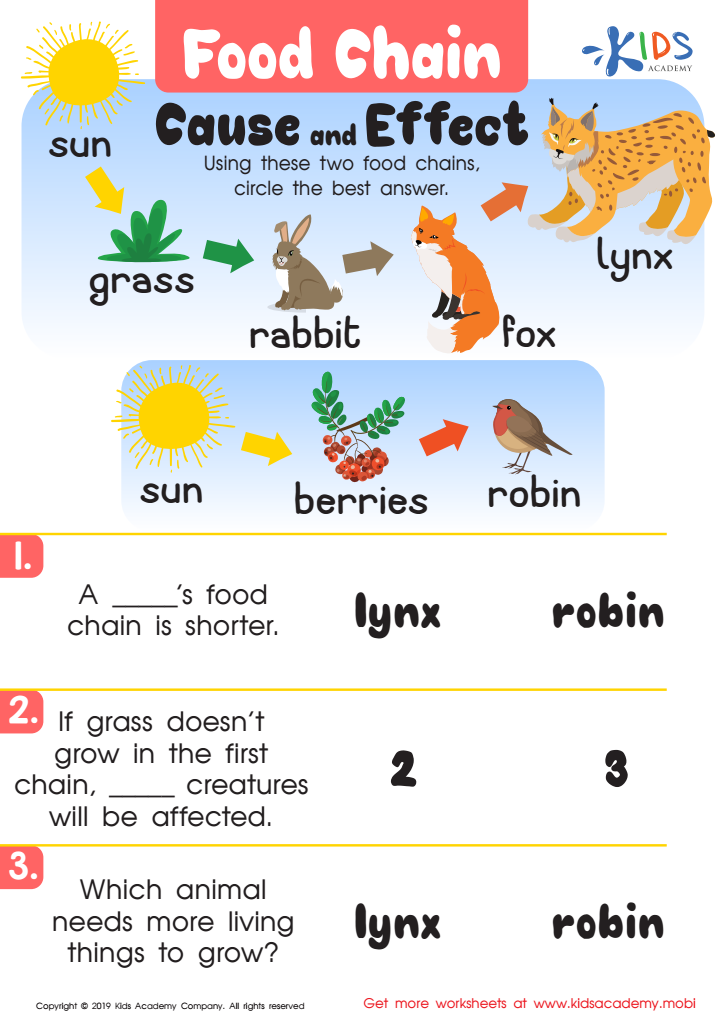
Food Chain Cause Worksheet
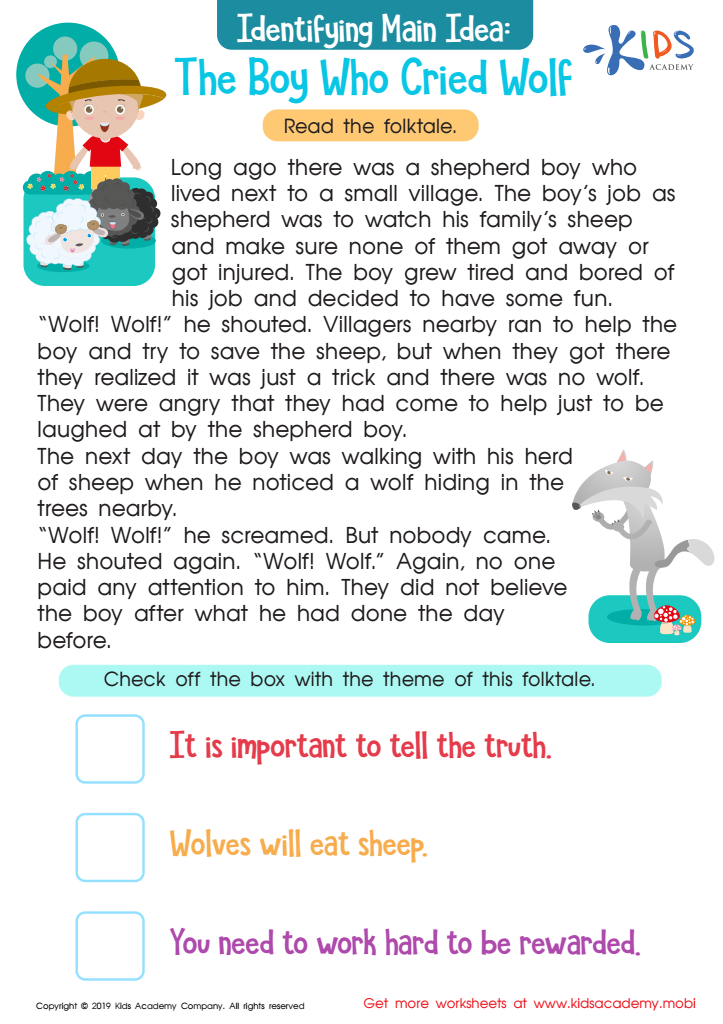
The Boy Who Cried Wolf Part 2 Worksheet
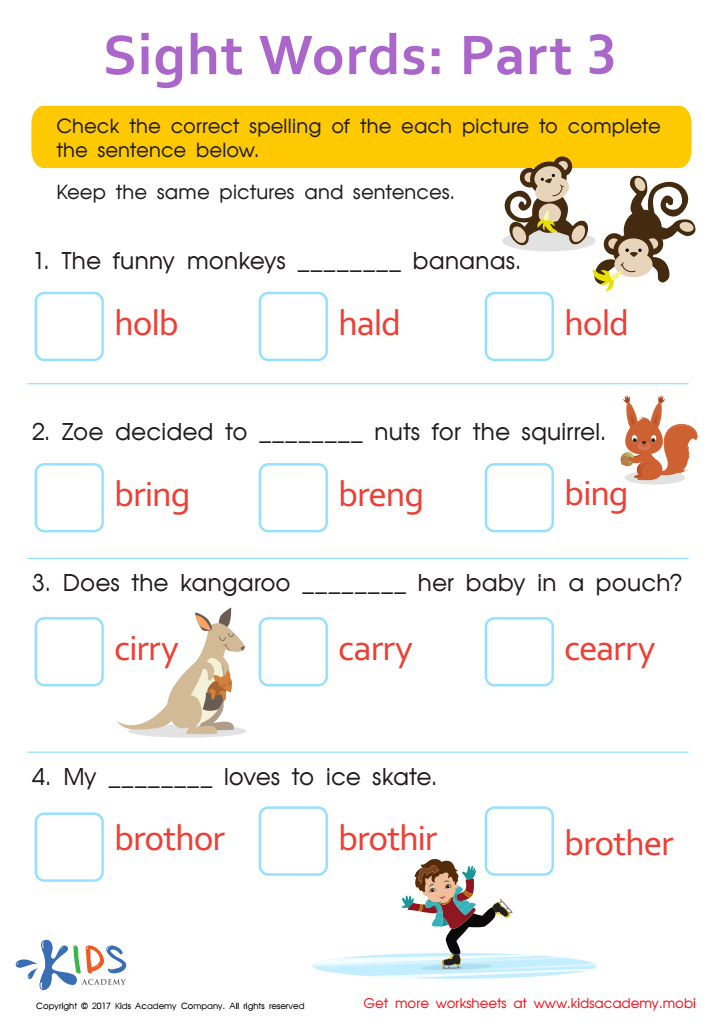
Hold, Bring, Carry, Brother Sight Words Worksheet
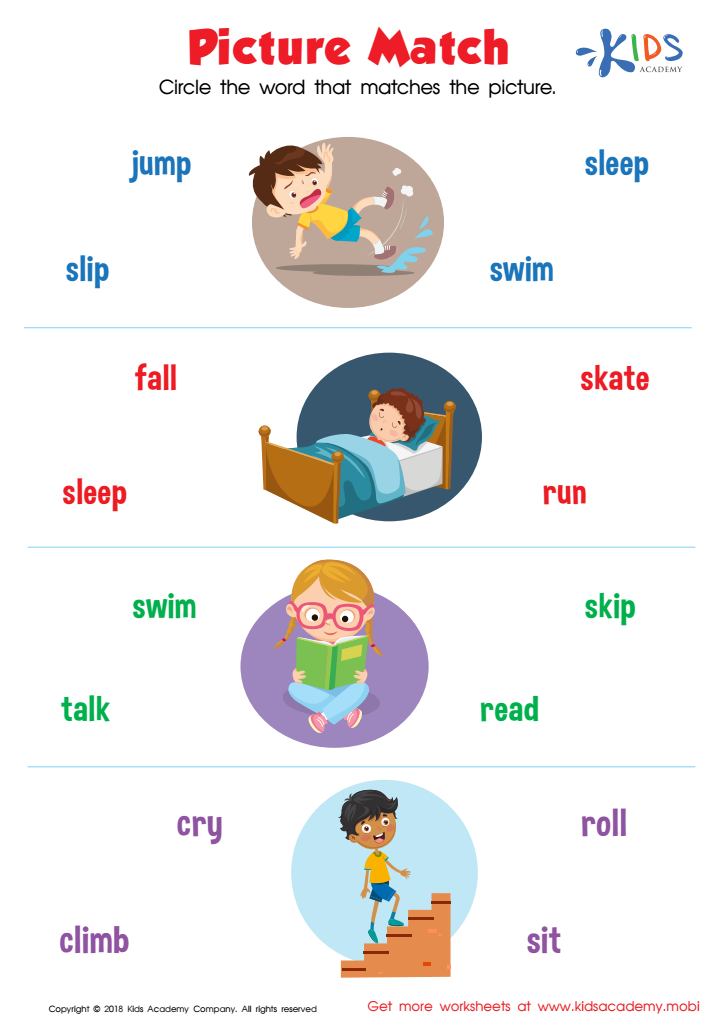
Picture Match Worksheet
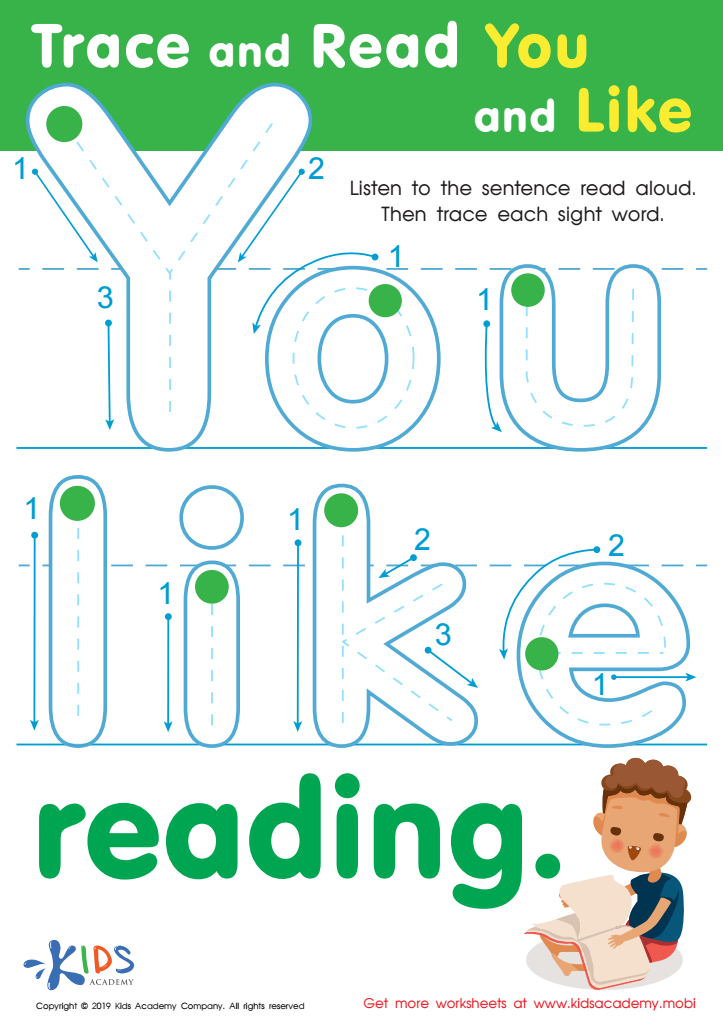
Trace Read You Like Worksheet


.jpg)





Parents and teachers should prioritize vocabulary development for children aged 7-9 because this stage is critical for cognitive and language growth. During these years, children become increasingly adept at understanding and using more complex language structures. A rich vocabulary enhances students' reading comprehension, enabling them to grasp the intricacies of texts, follow narrative threads, and engage in deeper discussions. When children can articulate their thoughts and emotions effectively, they build confidence in their communication abilities, which is essential for academic success and social interactions.
Moreover, a strong vocabulary foundation contributes to broader critical thinking and problem-solving skills. As children learn new words, they also acquire new concepts, allowing them to make connections between ideas and develop reasoning abilities. Encouraging vocabulary expansion helps nurture creativity and self-expression as children explore language in various contexts.
Additionally, in an increasingly competitive educational landscape, proficient vocabulary knowledge is crucial for assessment performance and lifelong learning opportunities. By focusing on vocabulary building, teachers and parents equip children with vital tools that will serve them well into adulthood. Ultimately, helping children develop a robust vocabulary enhances their overall educational experience, setting the stage for future success.








