Vocabulary expansion Normal Building Vocabulary Worksheets for Ages 7-9 - Page 2
34 filtered results
-
From - To
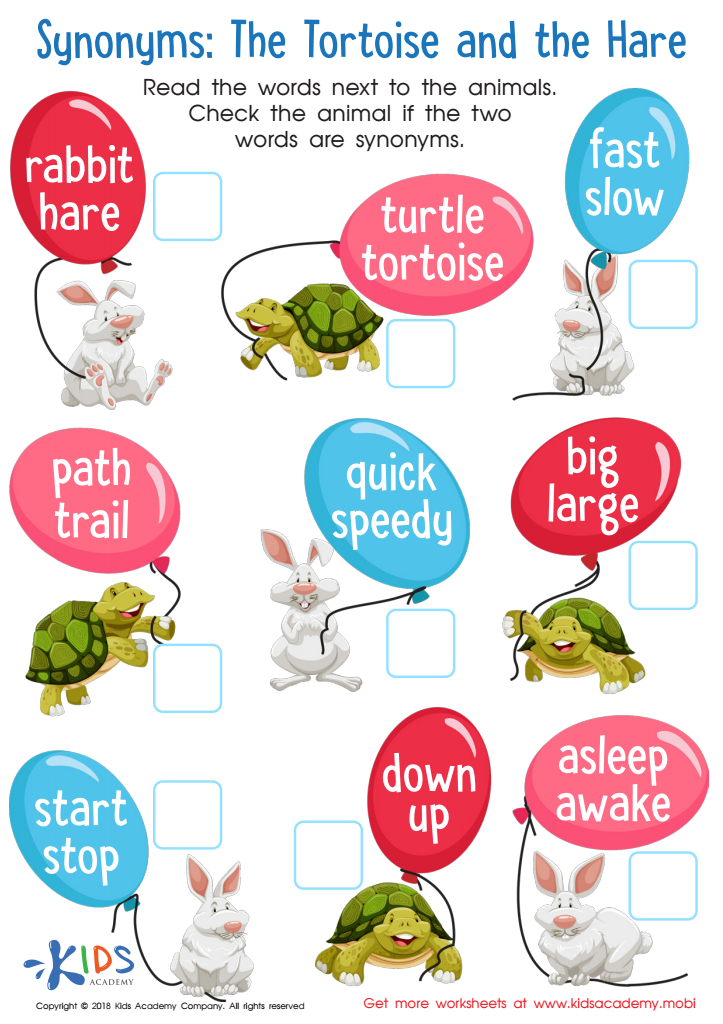
Synonyms: The Tortoise and Hare Worksheet
 Assign to My Students











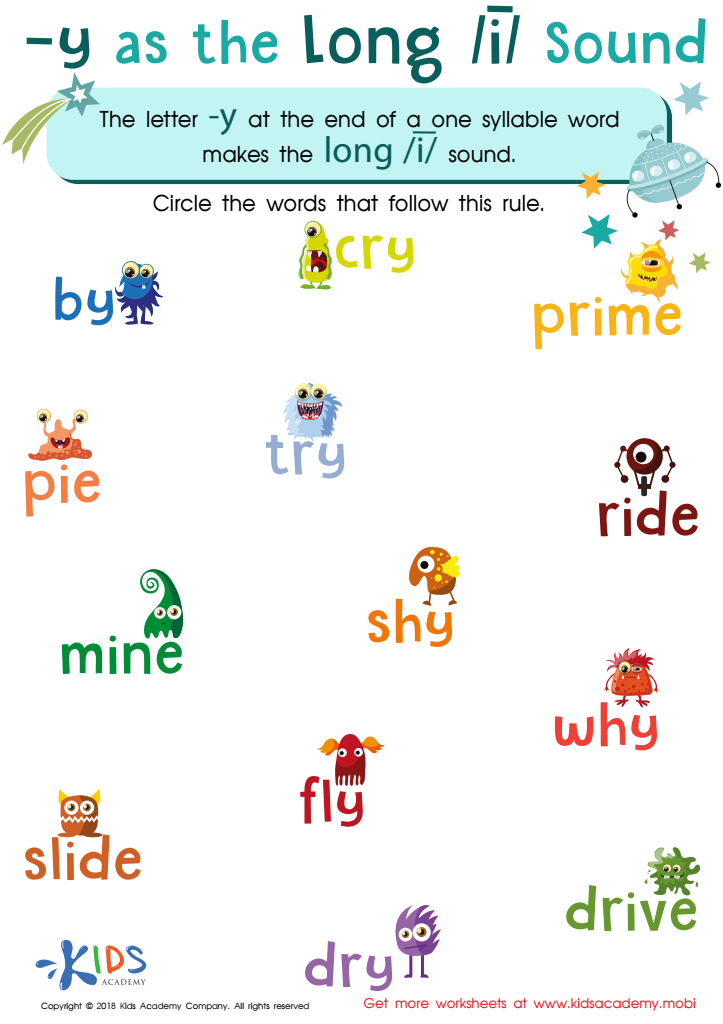
Reading: Y as Long I Worksheet
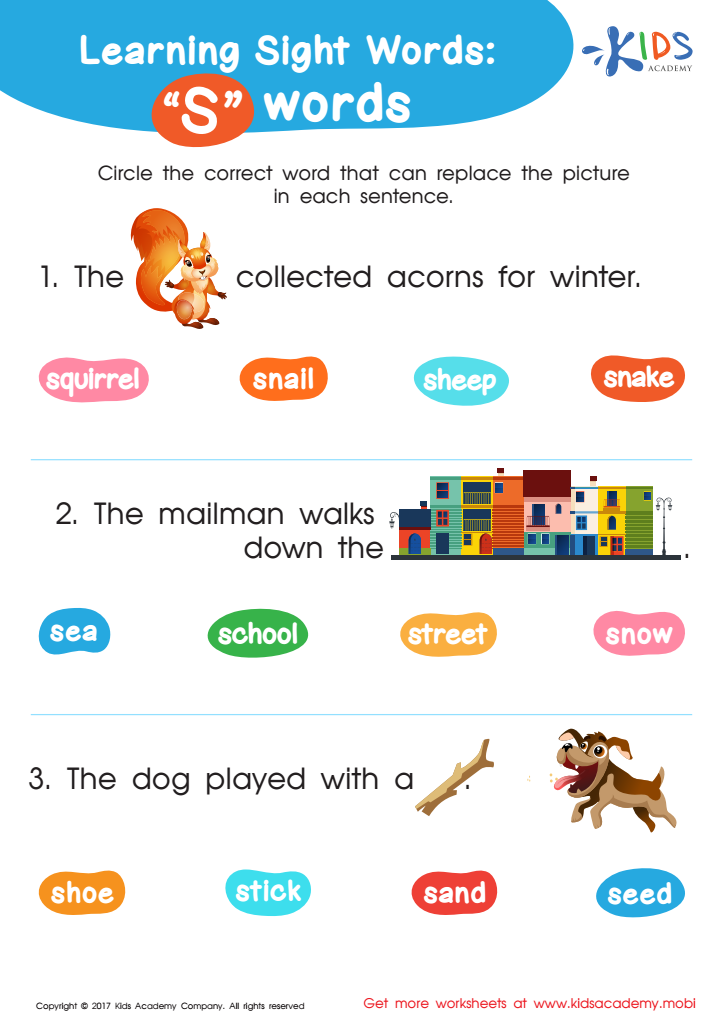
S Words Sight Words Worksheet
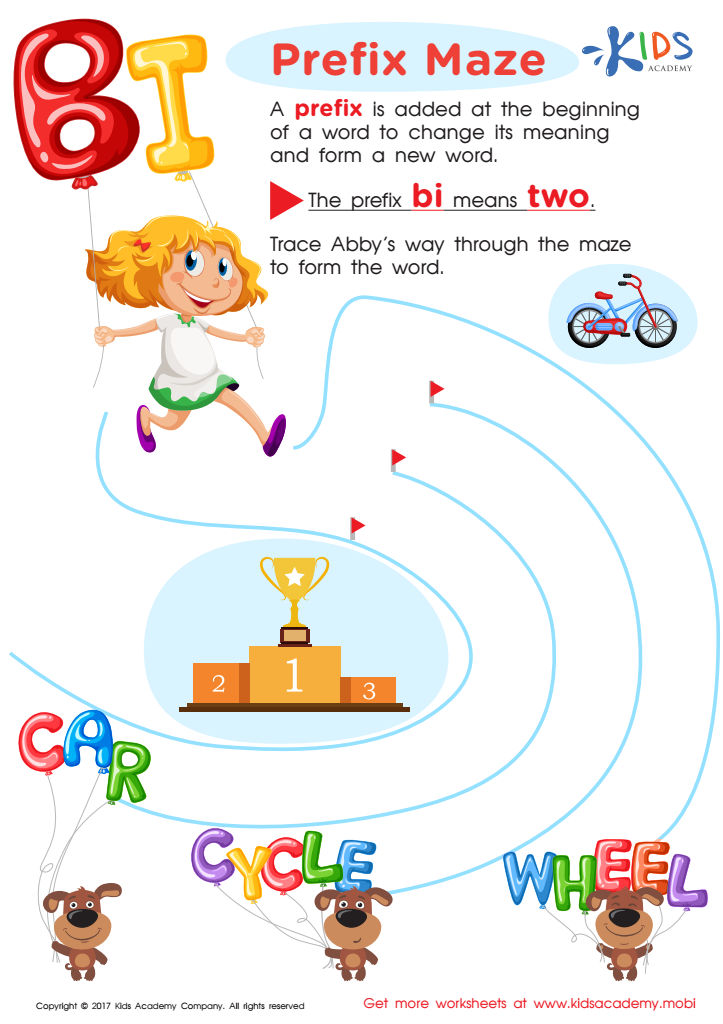
Prefix Bi Words Worksheet
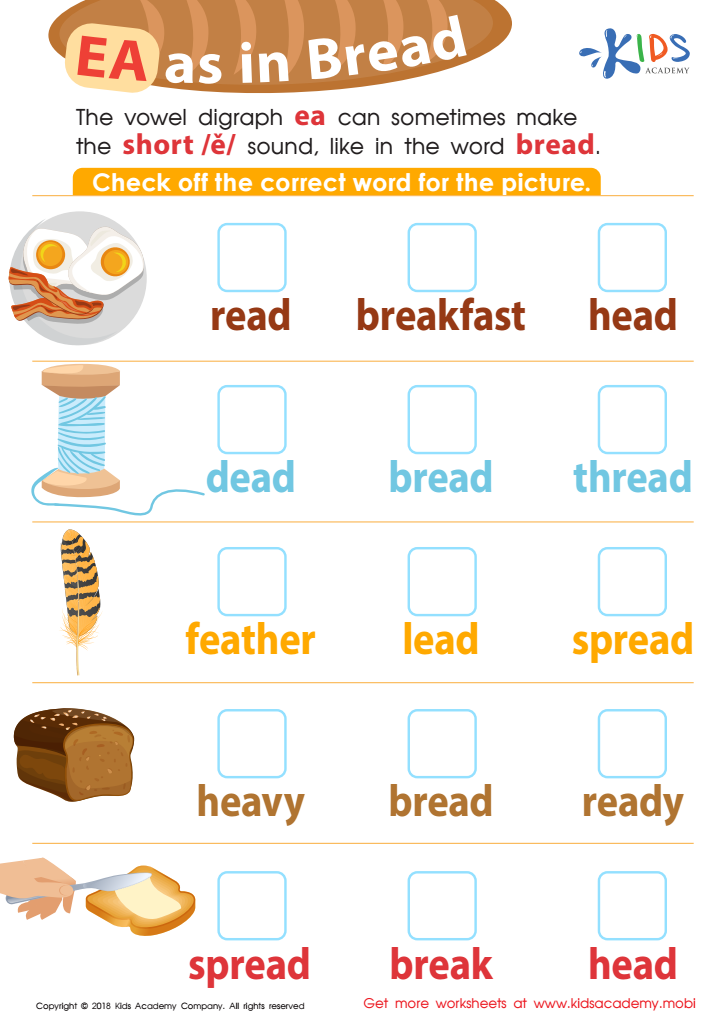
Reading: EA as in Bread Worksheet
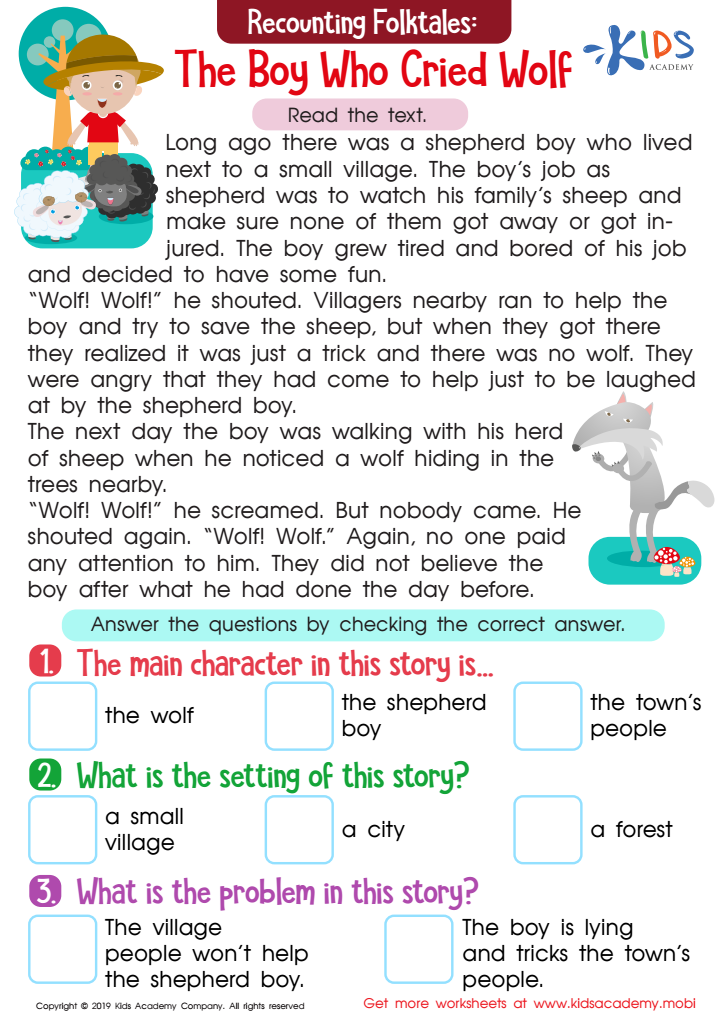
The Boy Who Cried Wolf Part 1 Worksheet
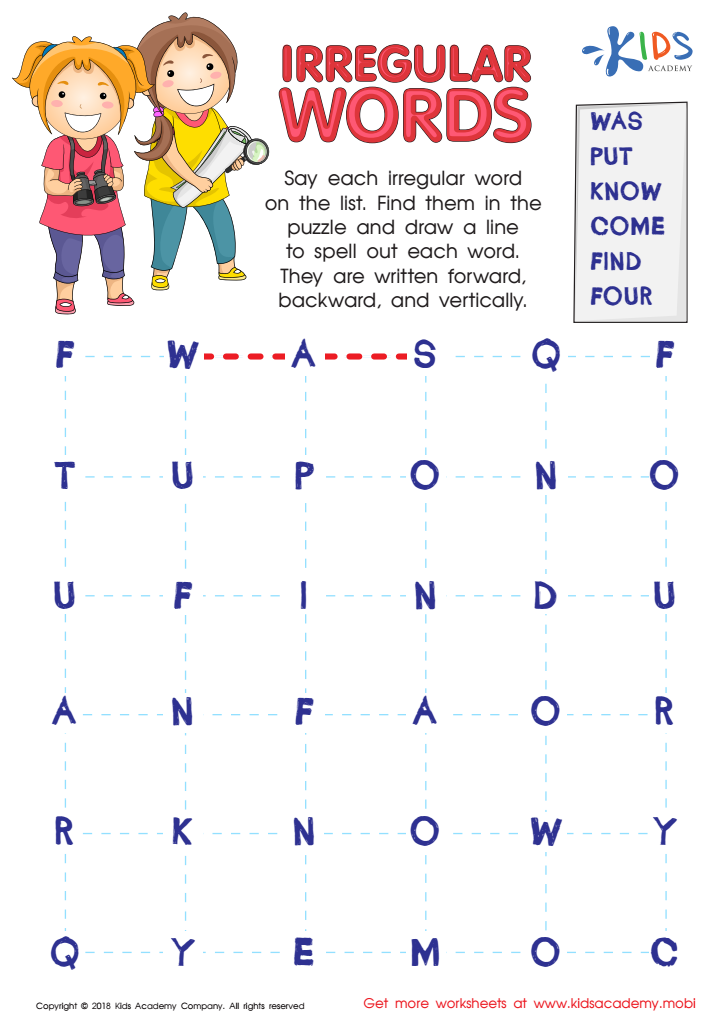
Irregular Words Worksheet
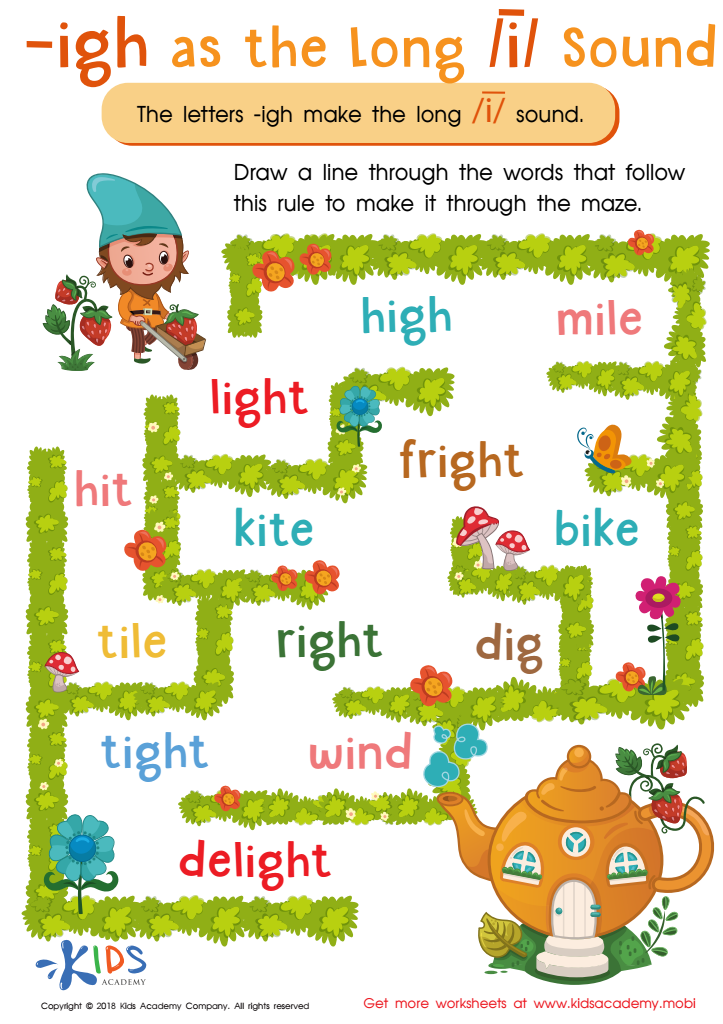
Reading: IGH as Long I Worksheet
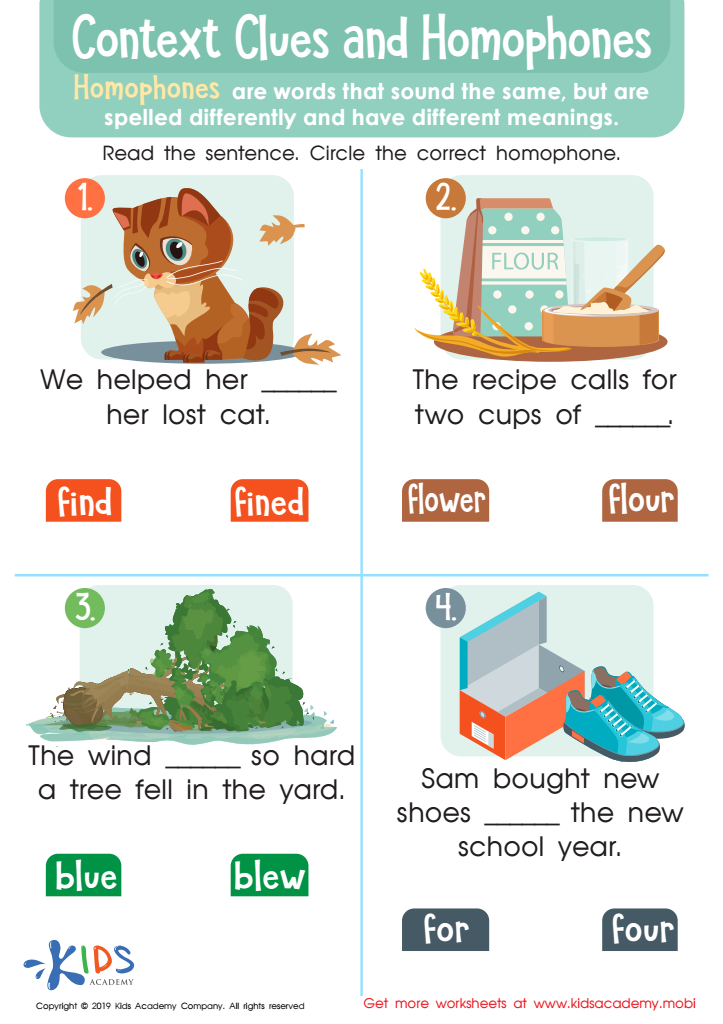
Context Clues and Homophones Worksheet
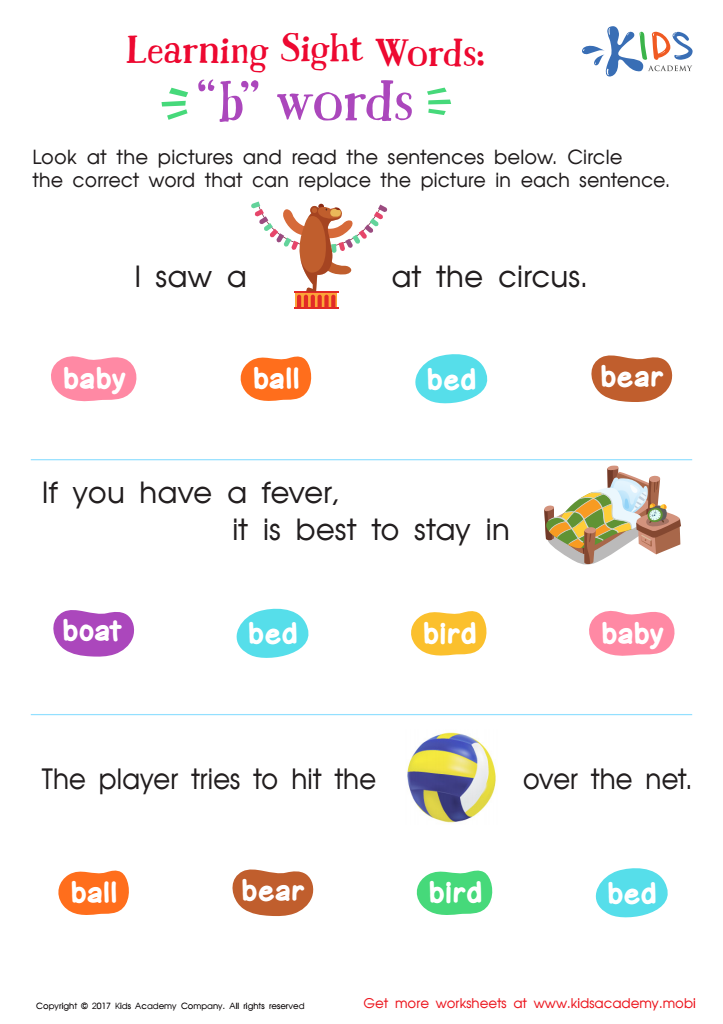
"B" Words Printable Sight Words Worksheet







Parents and teachers should care deeply about vocabulary expansion for children aged 7-9 because this period is crucial for cognitive and language development. At this age, children are transitioning from basic to more complex sentence structures and concepts. A rich vocabulary helps children to express their thoughts and emotions more clearly, boosting both their verbal and written communication skills.
This is also the time when children’s reading skills are rapidly improving. A strong vocabulary enables them to better understand and enjoy what they read, fostering a love for books and learning. Additionally, research has shown a significant correlation between vocabulary size and academic success. Children with a robust vocabulary tend to perform better across various subjects, including math and science, as language is the foundation for learning concepts and following instructions.
Moreover, a good vocabulary supports social interactions. Children who can clearly articulate their thoughts are more confident and effective in their conversations with peers and adults, aiding in social bonding and empathy.
Working on vocabulary expansion also nurtures curiosity and imagination. Learning new words opens gateways to understanding broader concepts and diverse cultures, fueling intellectual curiosity and a lifelong love of learning. Hence, prioritizing vocabulary growth during this formative stage sets a foundation for academic and personal success.








