Critical Thinking Normal Reading Worksheets for Ages 7-9 - Page 2
30 filtered results
-
From - To
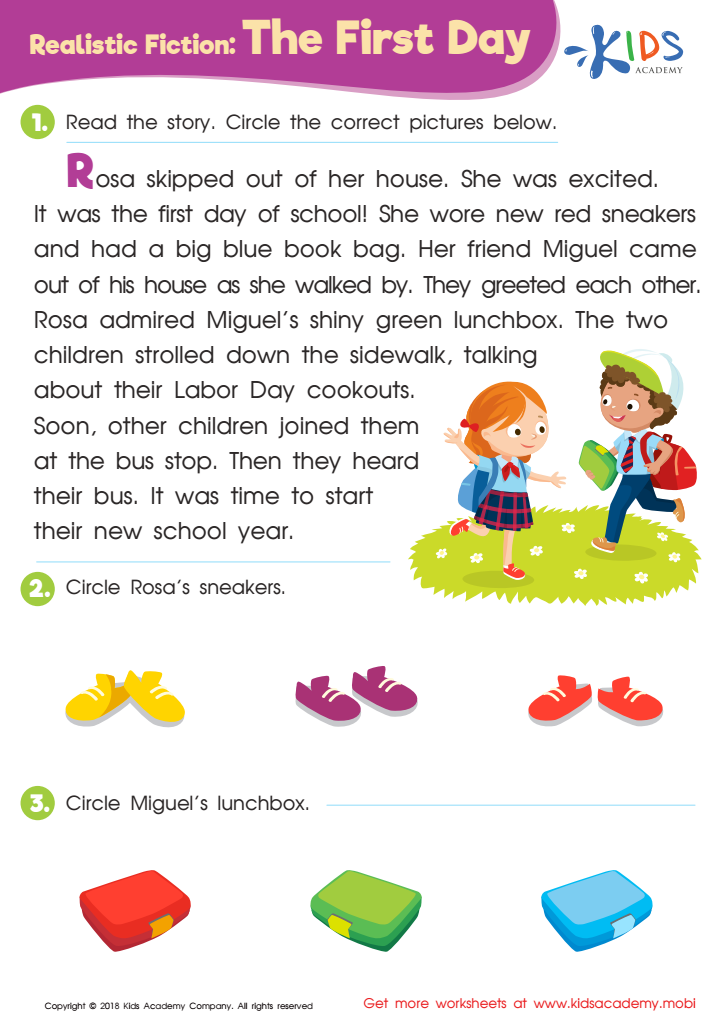
Realistic Fiction: The First Day Worksheet
 Assign to My Students
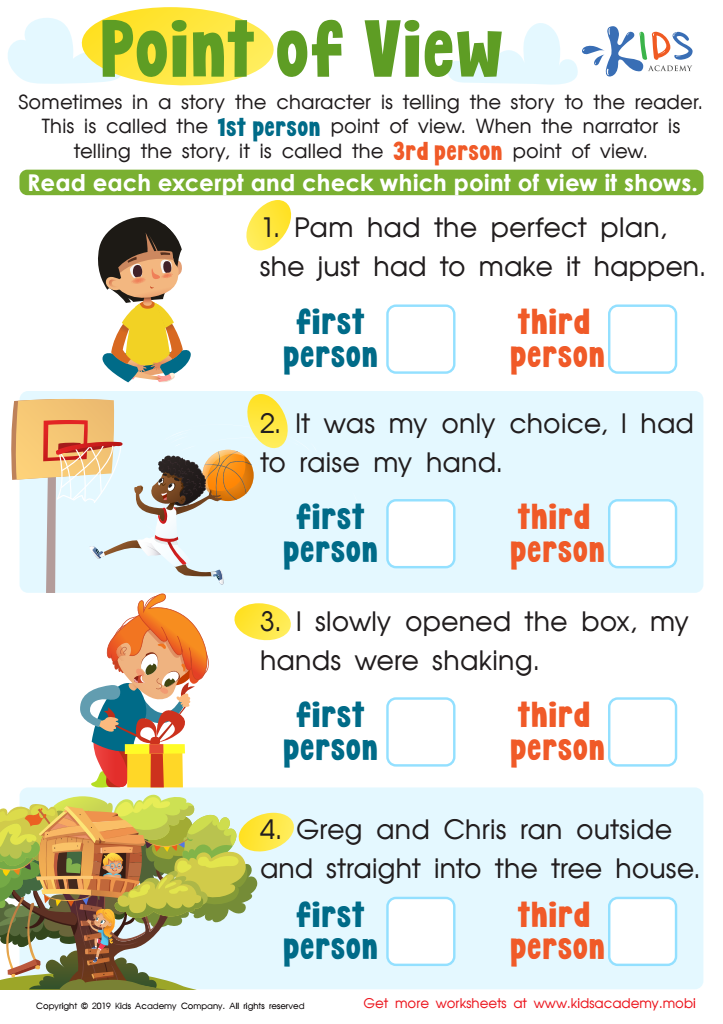
Point of View Printable
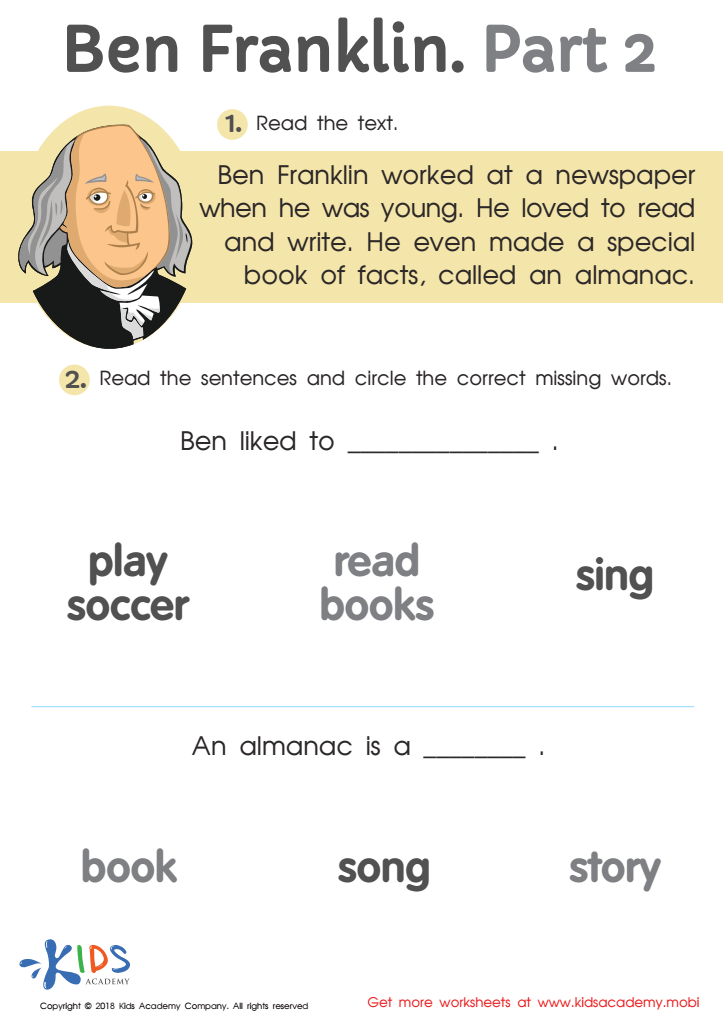
Ben Franklin Part 2 Worksheet
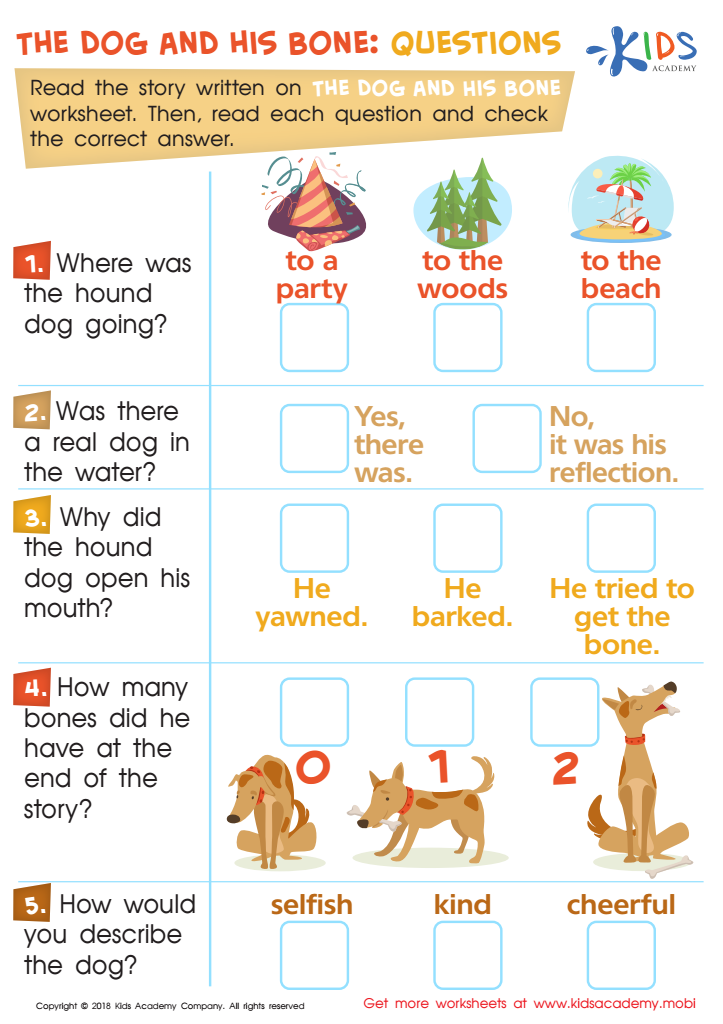
The Dog and His Bone: Questions Worksheet
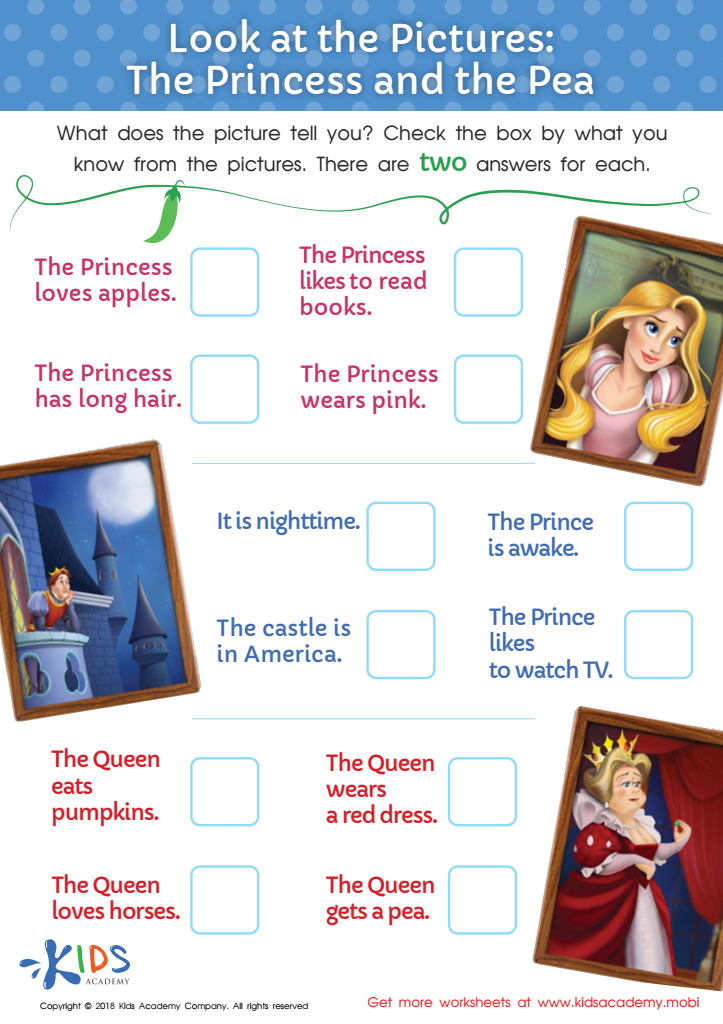
Look at the Pictures: The Princess and the Pea Worksheet
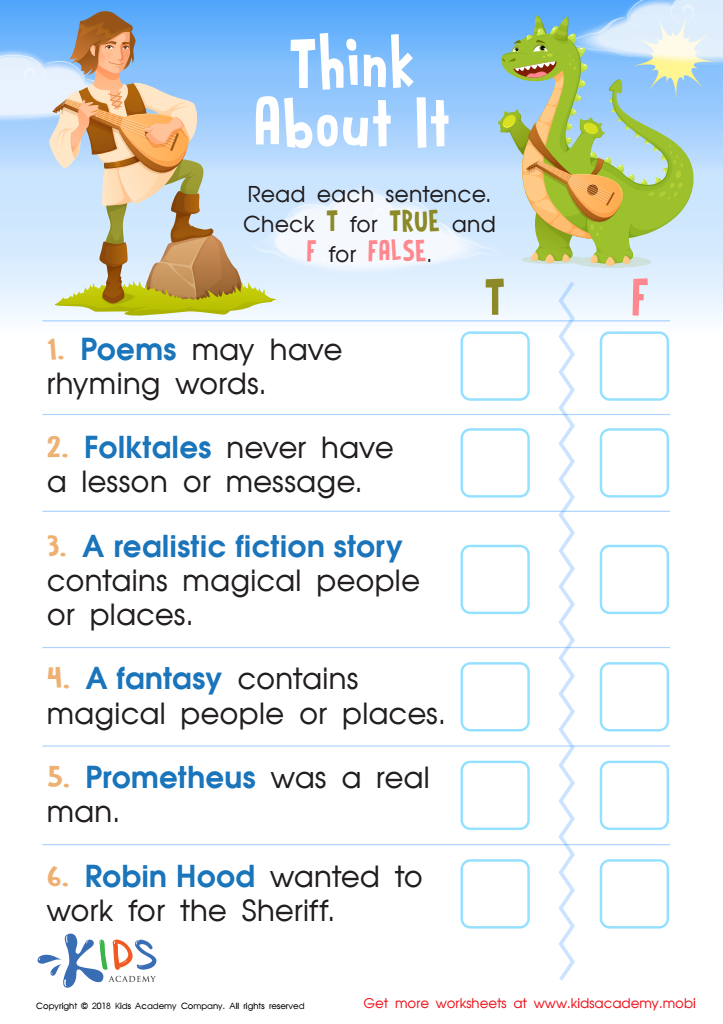
Think About It: Assessment Worksheet








Critical thinking skills are essential for children aged 7-9, as they form a foundation for successful learning and problem-solving throughout life. During these formative years, children begin to process information more deeply and evaluate evidence, making this an ideal period for fostering critical thinking through "Normal Reading." Engaging in reading that encourages analysis and understanding helps children learn how to question what they read, discern bias, and develop their perspectives.
Parents and teachers should care about integrating critical thinking into reading activities because it cultivates independent thinkers. By analyzing stories and characters, children learn empathy and make connections to their own lives. This also enhances comprehension, allowing students to understand underlying themes, motivations, and context. It supports creativity and innovation, as they learn to think outside the box and develop unique solutions to problems.
Furthermore, critical thinking aids in academic performance across subjects, as students learn to approach challenges systematically and thoughtfully. In a rapidly changing world, empowering children with these skills ensures they not only absorb information but also engage with it critically, becoming informed decision-makers and lifelong learners. Supporting critical thinking through normal reading is an investment in their cognitive, emotional, and social development.








