Vocabulary enhancement Normal Reading Worksheets for Ages 7-9 - Page 3
66 filtered results
-
From - To
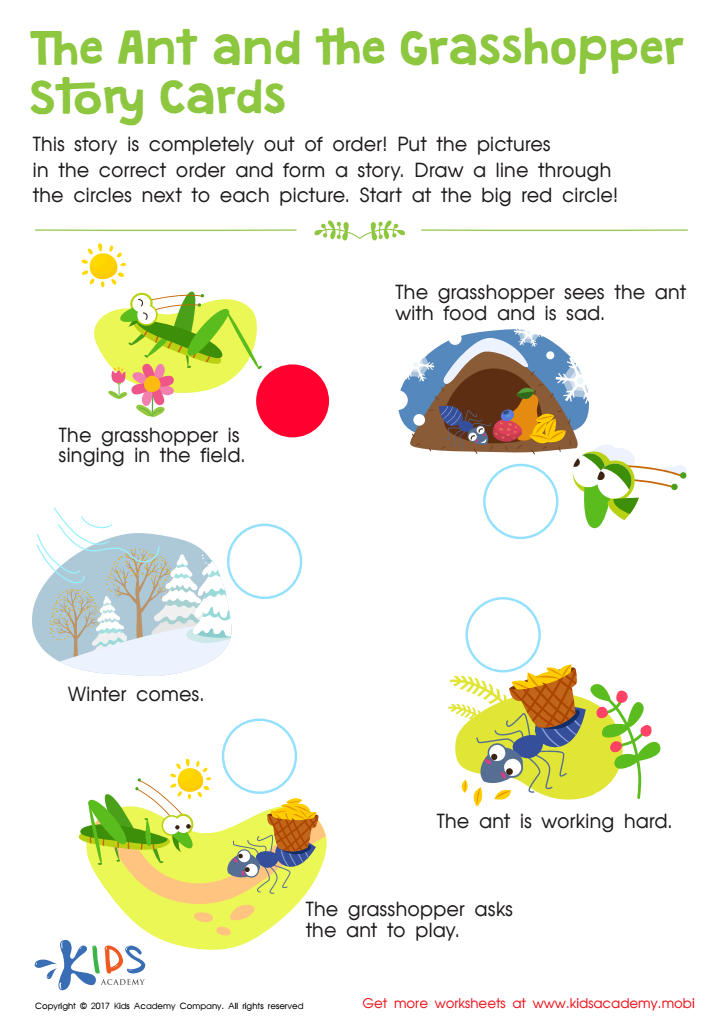
The Ant and The Grasshopper Worksheet
 Assign to My Students
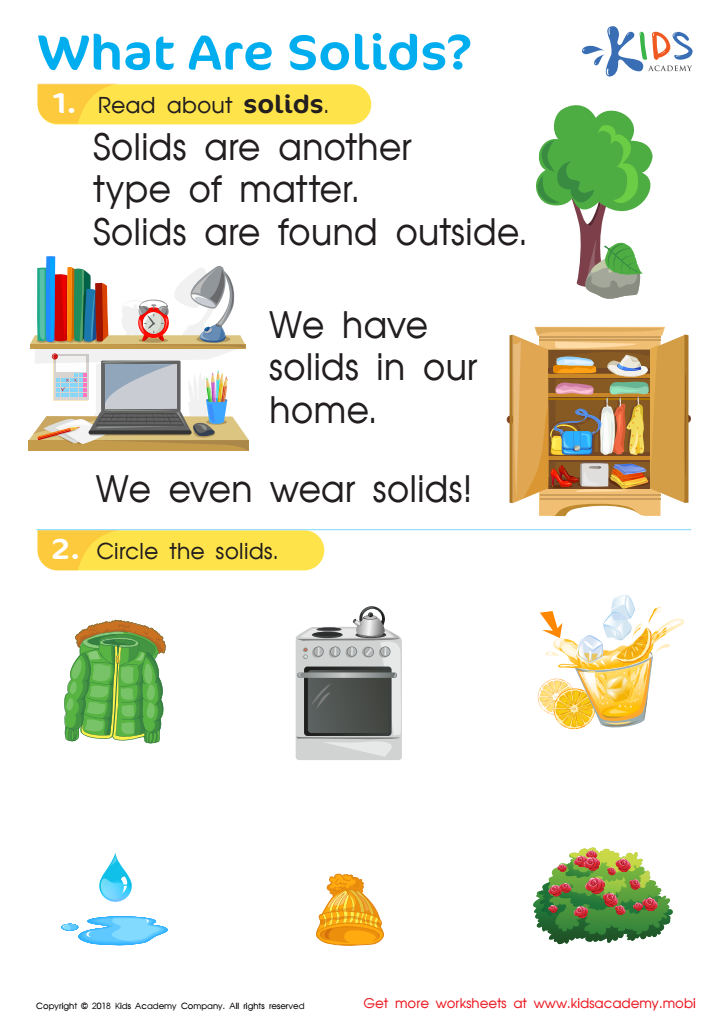
What Are Solids? Worksheet
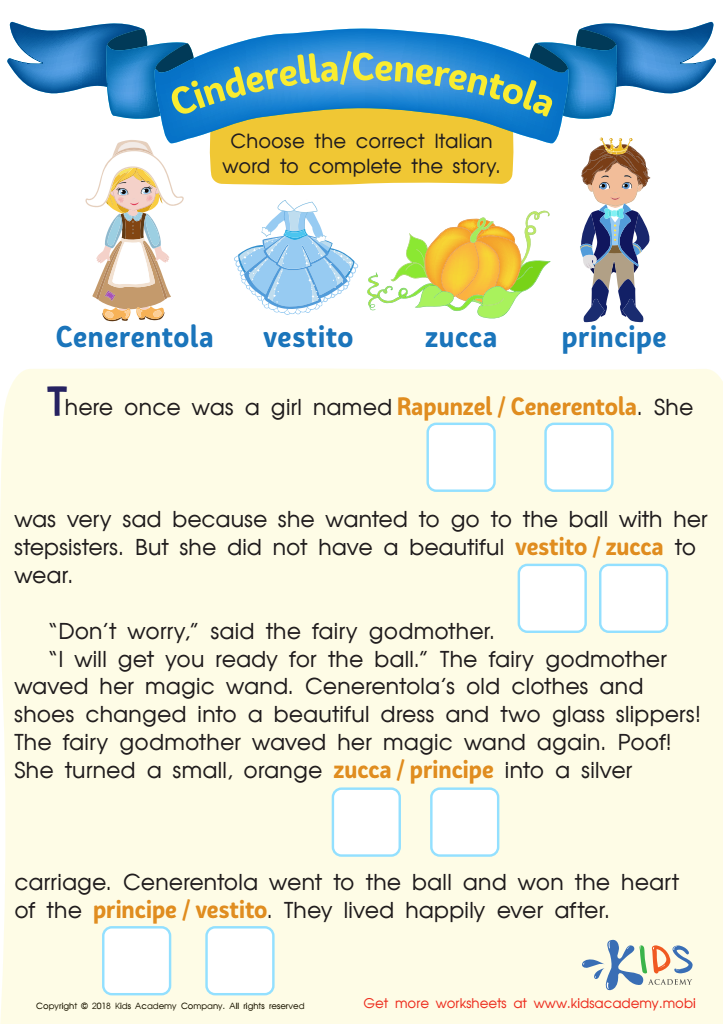
Cinderella / Cenerentola Worksheet
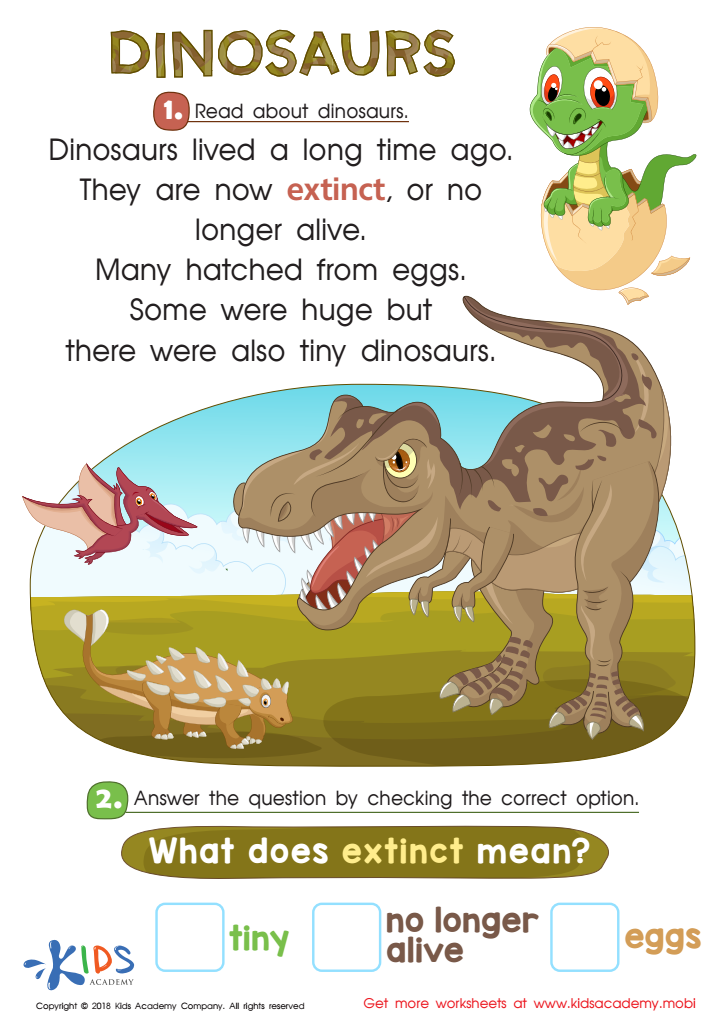
Dinosaurs Worksheet
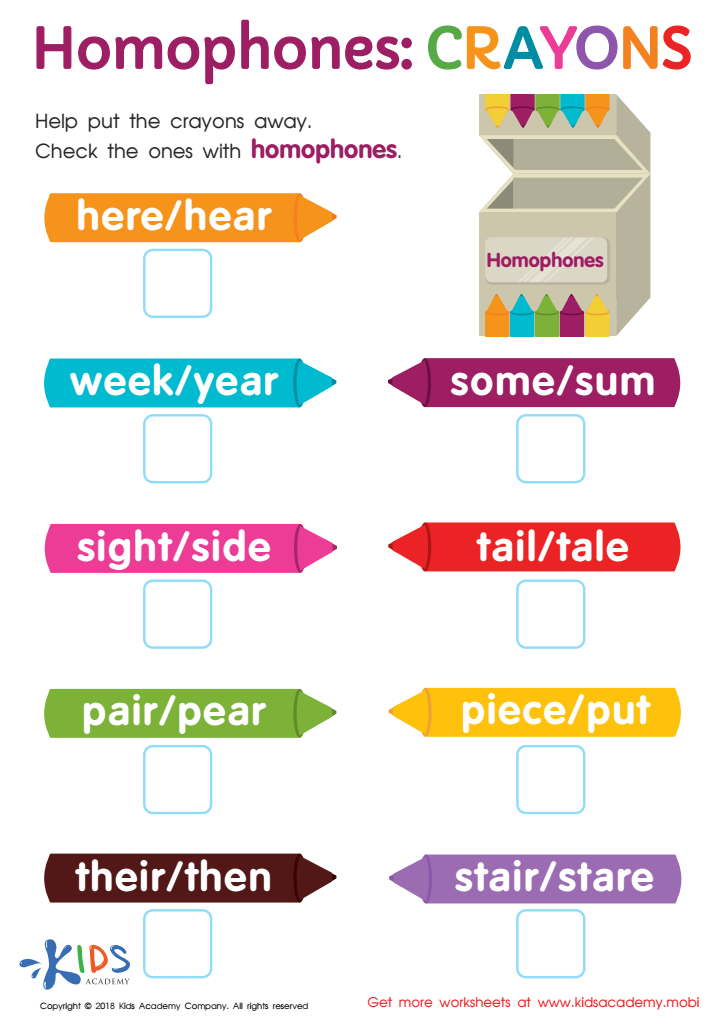
Homophones: Crayons Worksheet
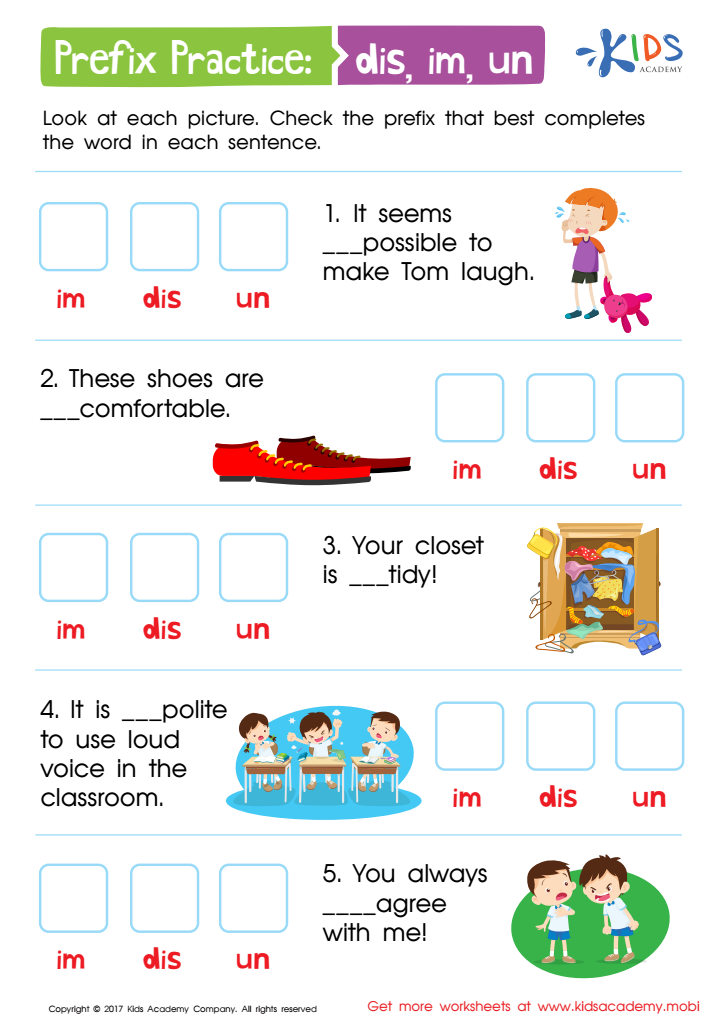
Prefix Practice Worksheet: DIS, IM, UM
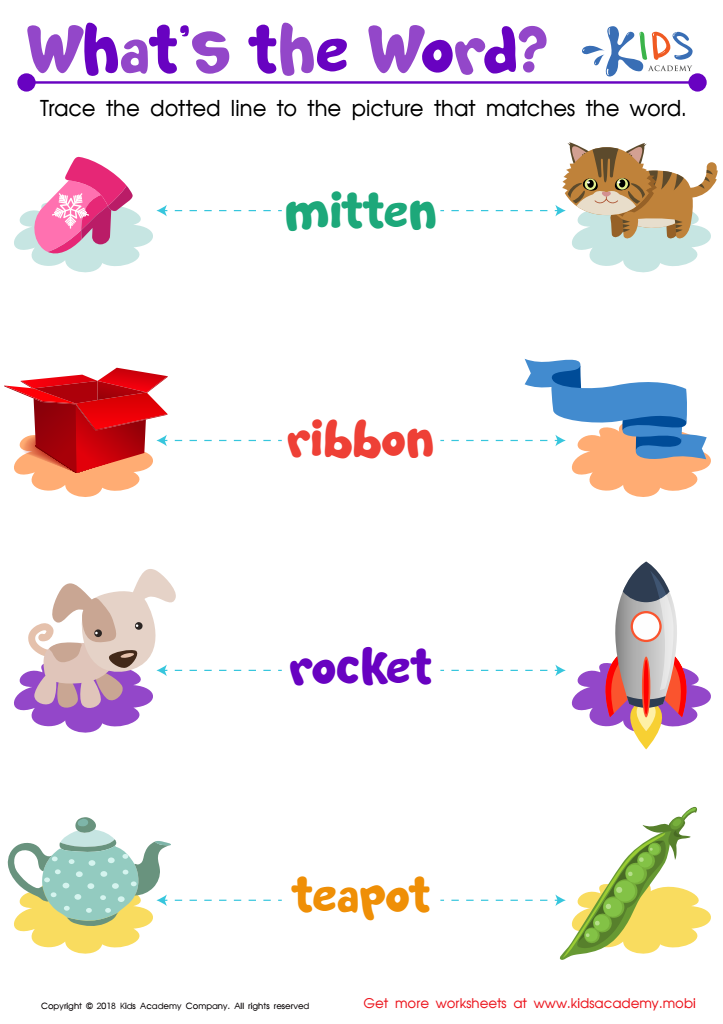
Reading: What's Word Worksheet
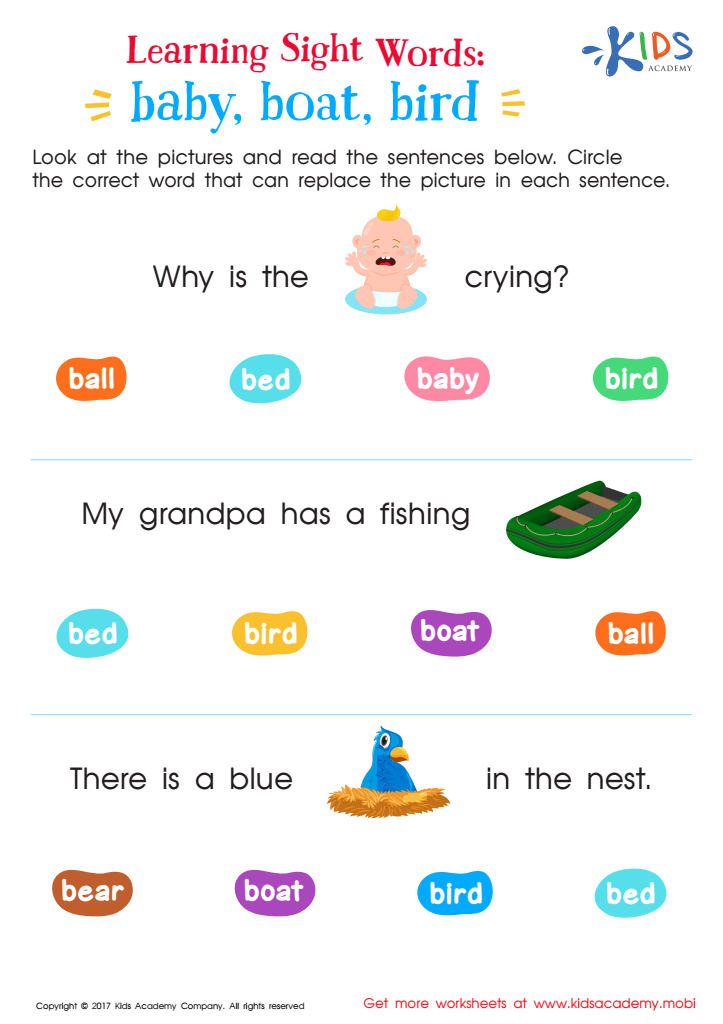
Baby, Boat, Bird Worksheet Sight Words Worksheet
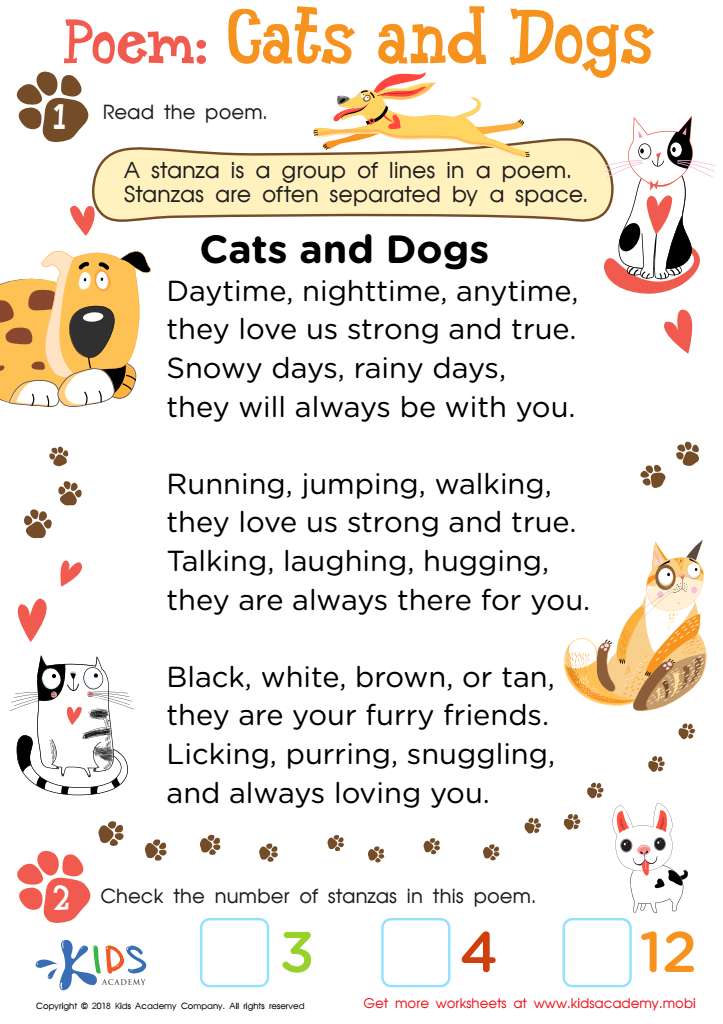
Poem: Cats and Dogs Worksheet
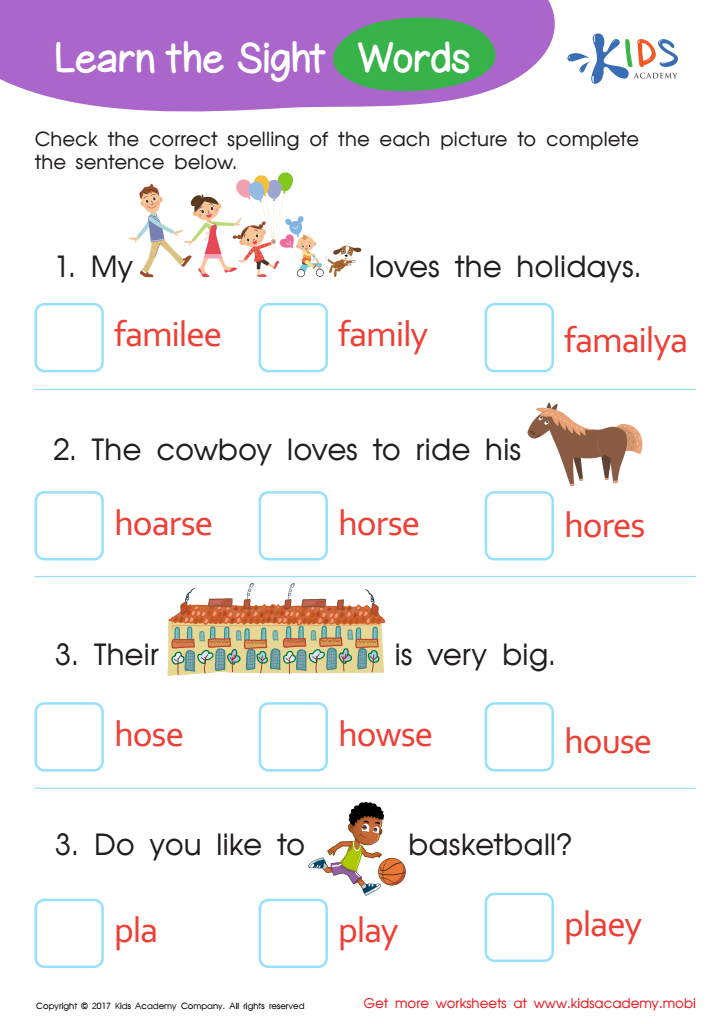
Family, Horse, House, Play Sight Words Worksheet
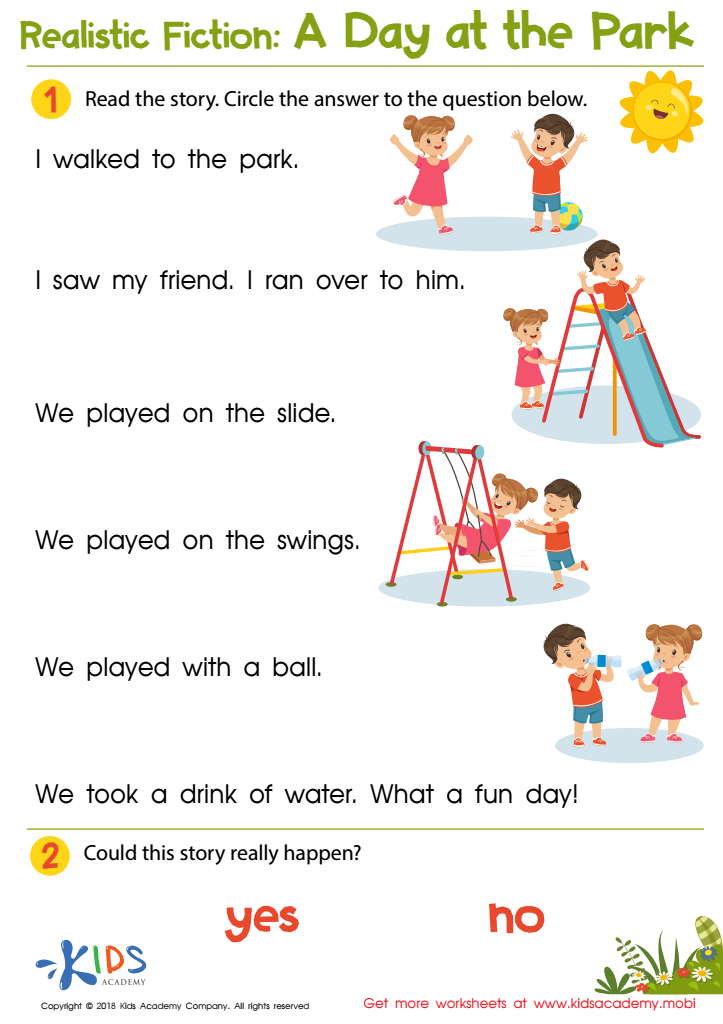
A Day at the Park Worksheet
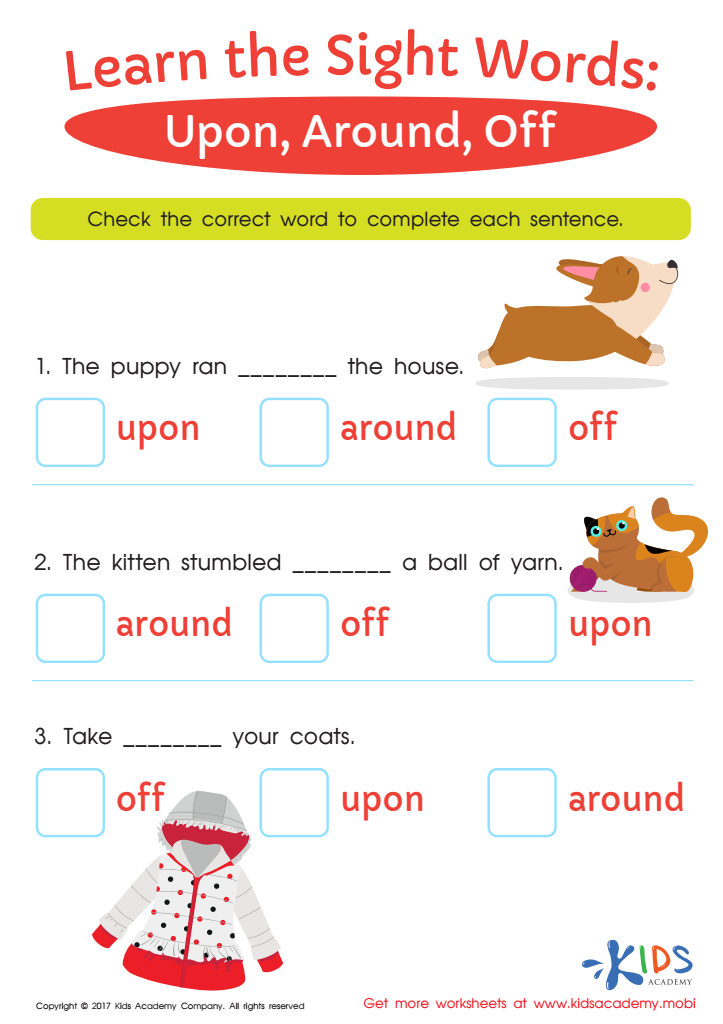
Upon, Around, Off Sight Words Worksheet
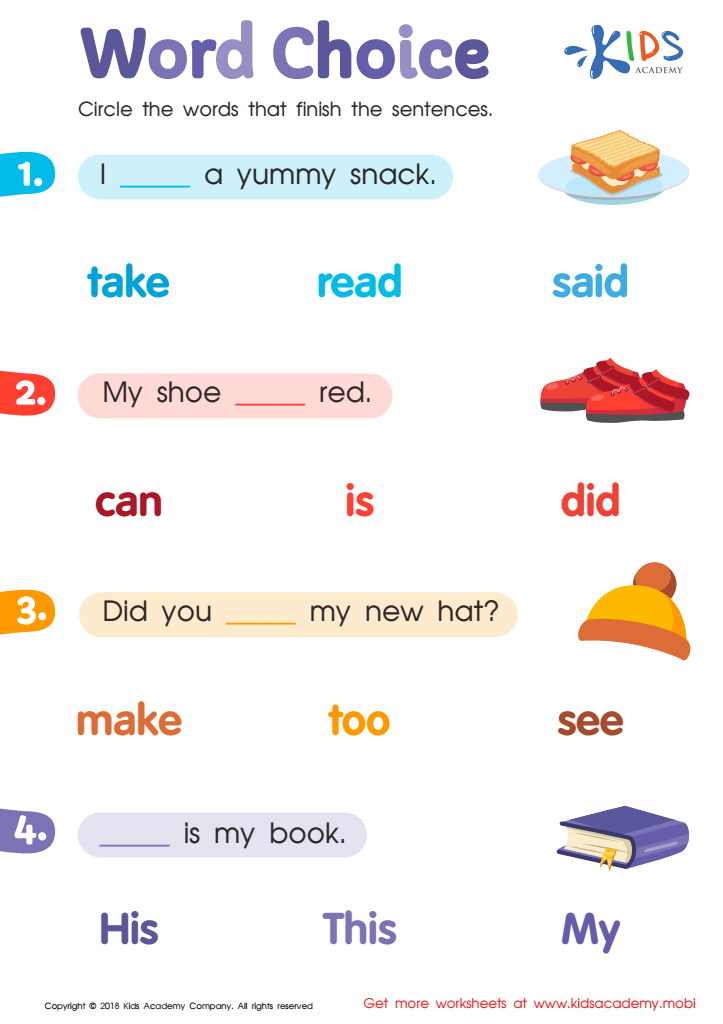
Word Choice Worksheet
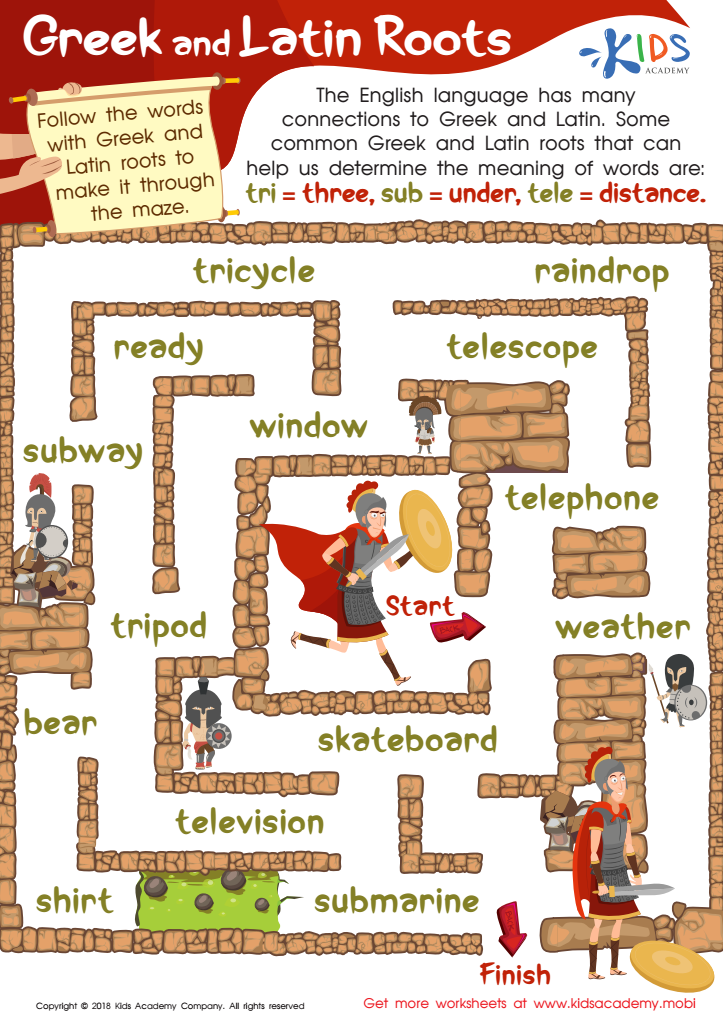
Greek and Latin Roots Worksheet
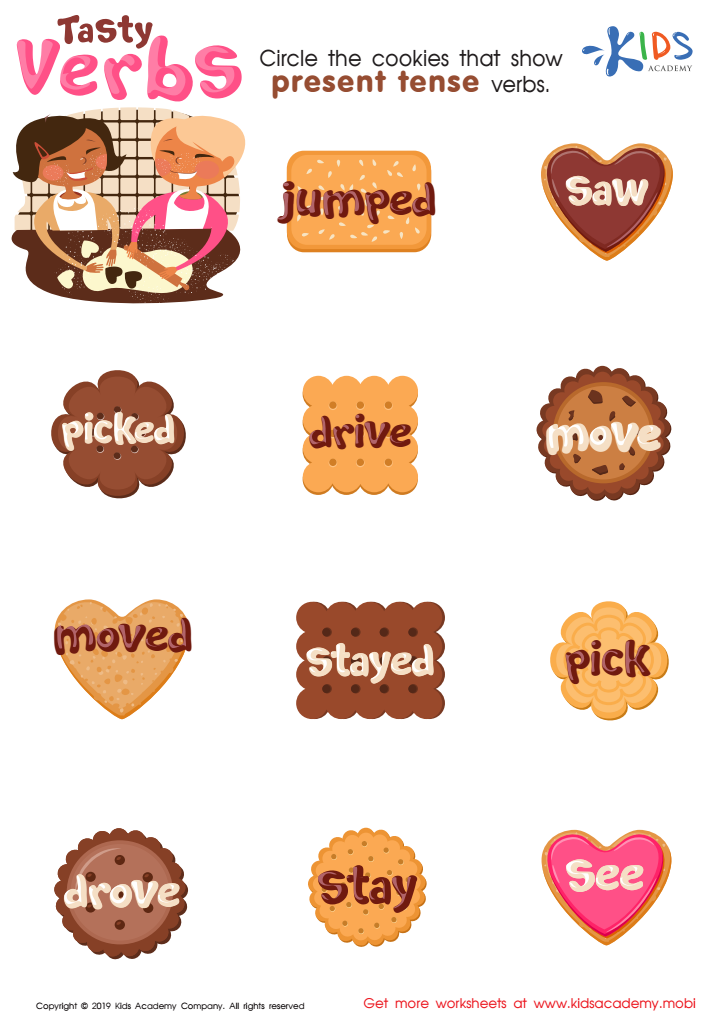
Tasty Verbs Worksheet
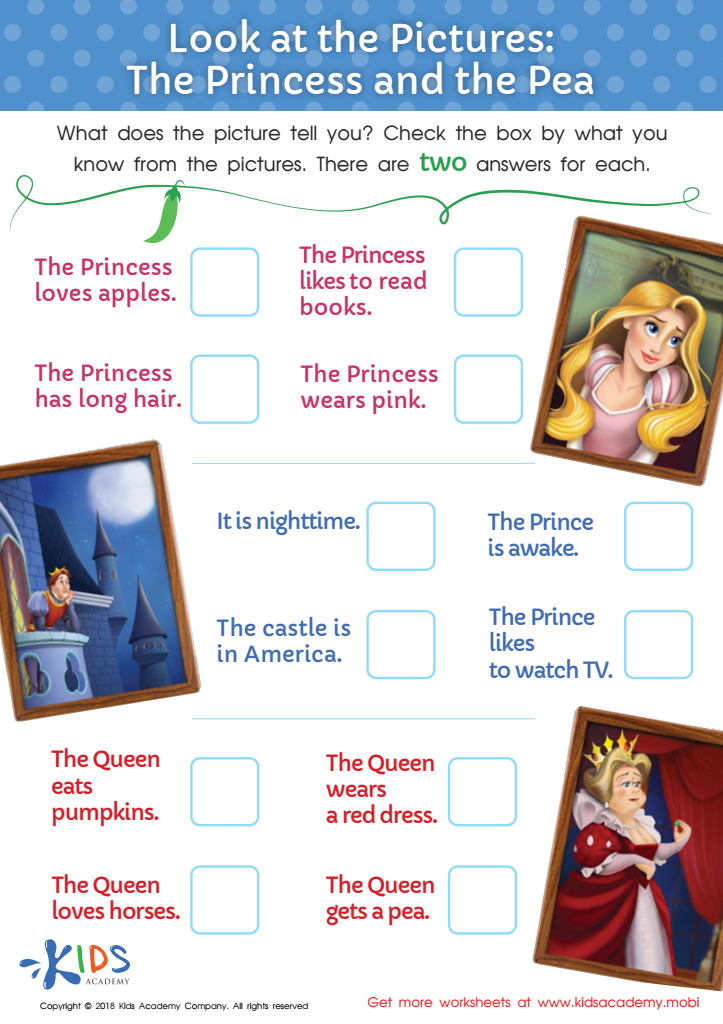
Look at the Pictures: The Princess and the Pea Worksheet
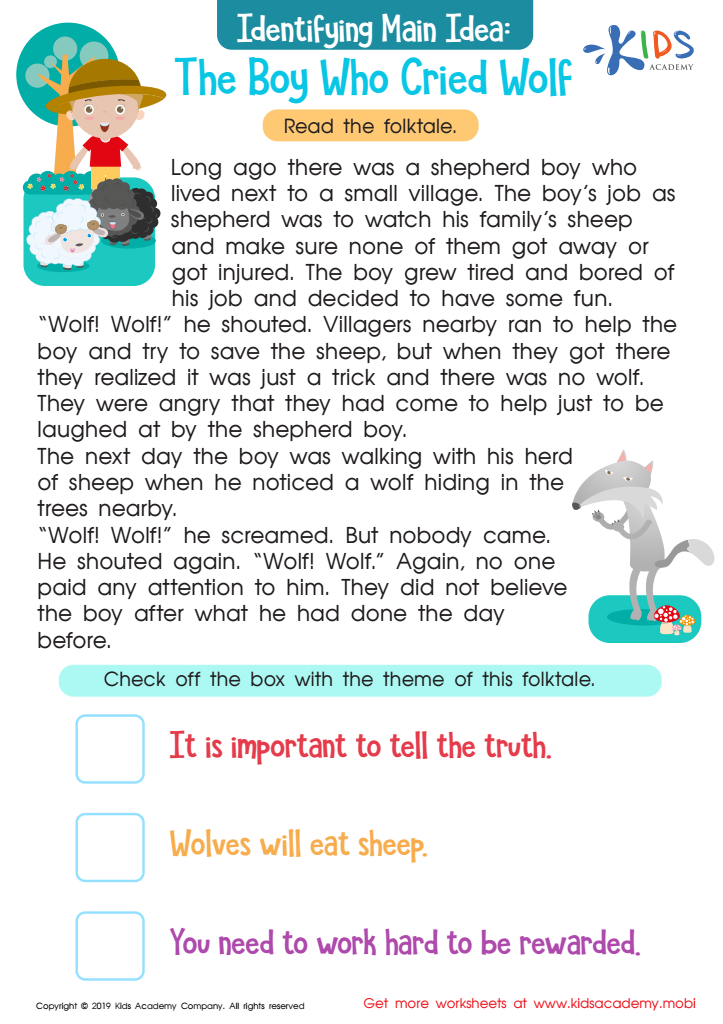
The Boy Who Cried Wolf Part 2 Worksheet
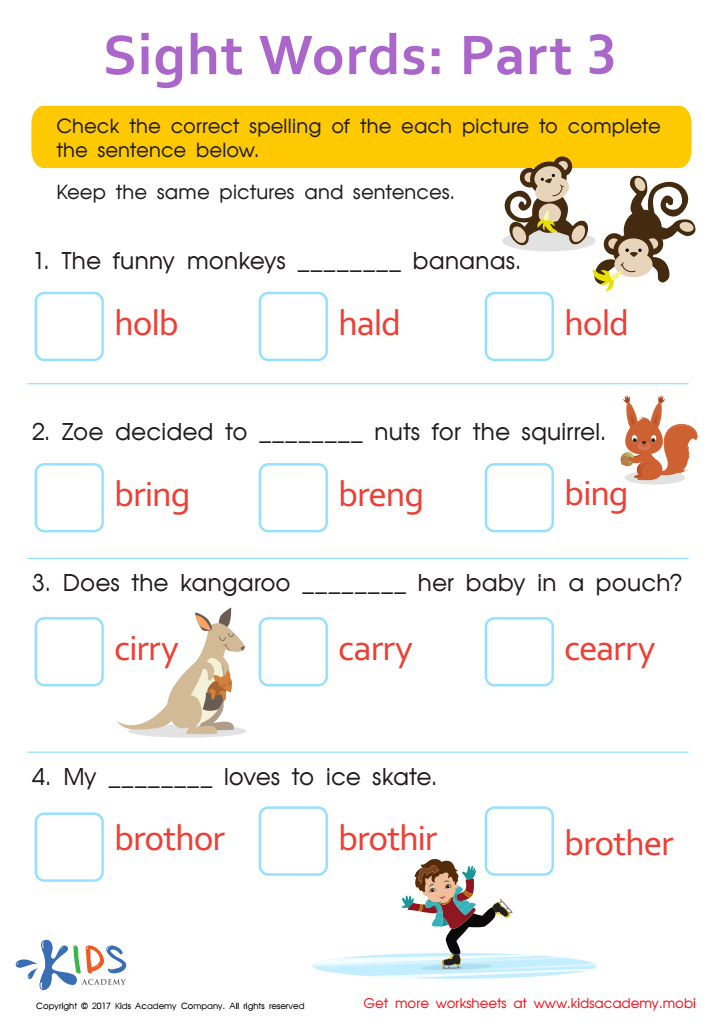
Hold, Bring, Carry, Brother Sight Words Worksheet








Vocabulary enhancement is crucial for children aged 7-9, as this stage in their development profoundly impacts their reading and overall academic success. At this age, children transition from learning to read to reading to learn, which means their ability to understand and use a rich vocabulary is increasingly important. A robust vocabulary enhances comprehension, allowing students to engage with various texts—from fiction to informational materials—more fully.
Parents and teachers should care about vocabulary enhancement because it not only supports reading proficiency but also fosters critical thinking and effective communication skills. A strong vocabulary enables children to articulate their thoughts clearly, ask insightful questions, and participate in discussions, laying the foundation for their social and academic interactions.
Additionally, vocabulary development encourages a love for reading by exposing children to diverse topics and perspectives, making learning enjoyable and enriching. This engagement instills a continuous desire for knowledge, nurturing lifelong learners. Furthermore, building a strong vocabulary early on can close achievement gaps and promote equity in education by helping all children, regardless of their background, to reach their potential. Therefore, prioritizing vocabulary enhancement as part of reading instruction is essential for parental involvement and educational strategies during these formative years.








