Logical Reasoning Normal Reading Fiction Worksheets for Ages 7-9
5 filtered results
-
From - To
Unlock the power of Logical Reasoning with our engaging Normal Reading Fiction Worksheets designed specifically for children aged 7-9! These worksheets combine captivating stories with thought-provoking questions to enhance critical thinking and comprehension skills. As children read through age-appropriate fiction, they'll analyze characters, predict outcomes, and solve problems, promoting deeper understanding and analytical skills. Ideal for educators and parents alike, these printable resources offer a fun and interactive way to reinforce reading and reasoning abilities. Boost your child's confidence and learning outcomes with our thoughtfully crafted activities that inspire a love for reading while sharpening logical reasoning skills!
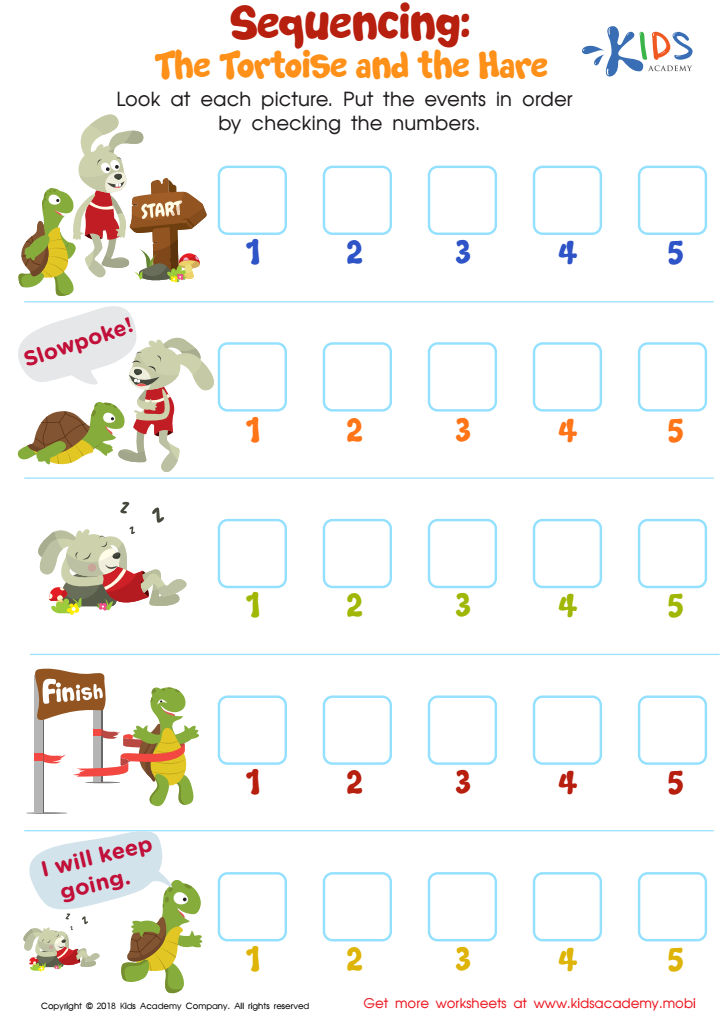
Sequencing: The Tortoise and the Hare Worksheet
 Assign to My Students
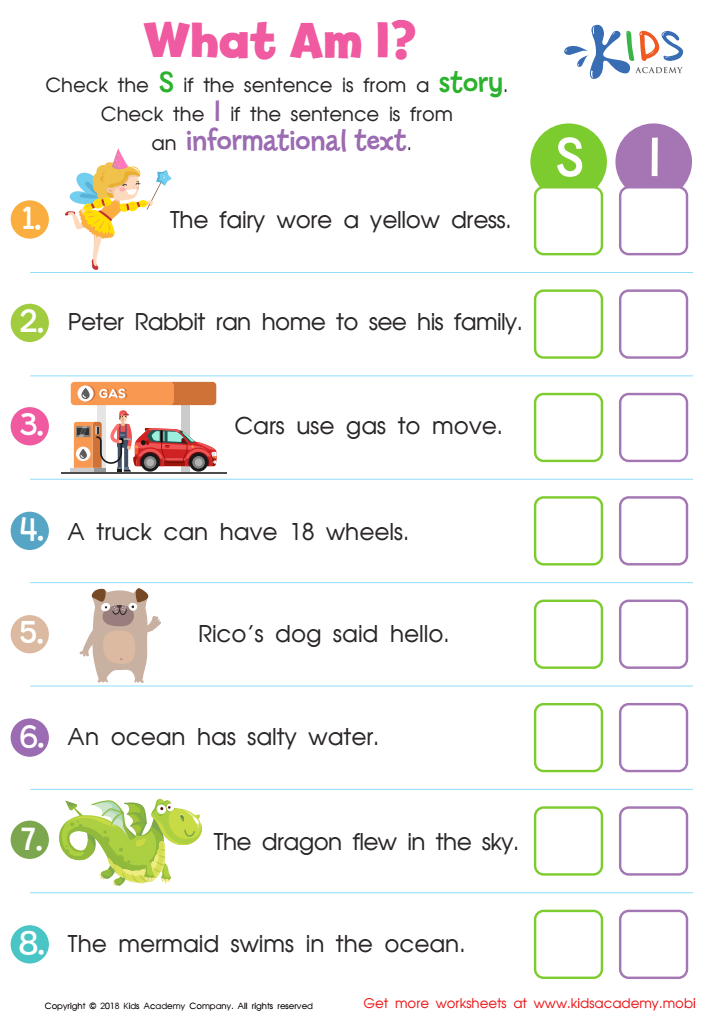
What Am I? Worksheet
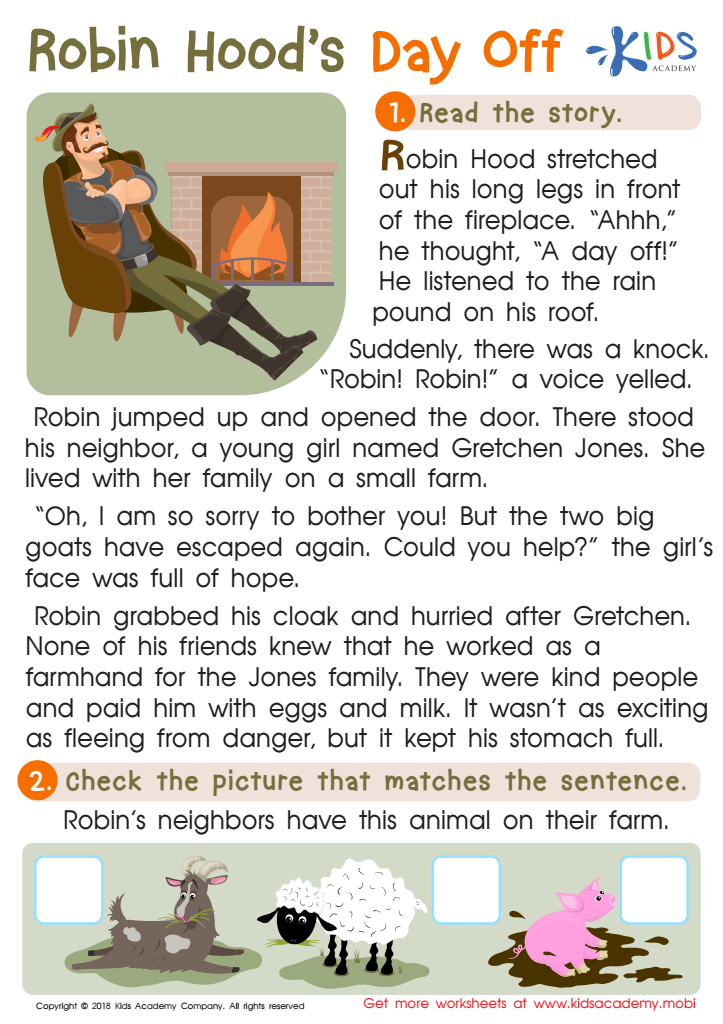
Robin Hood's Day Off Worksheet
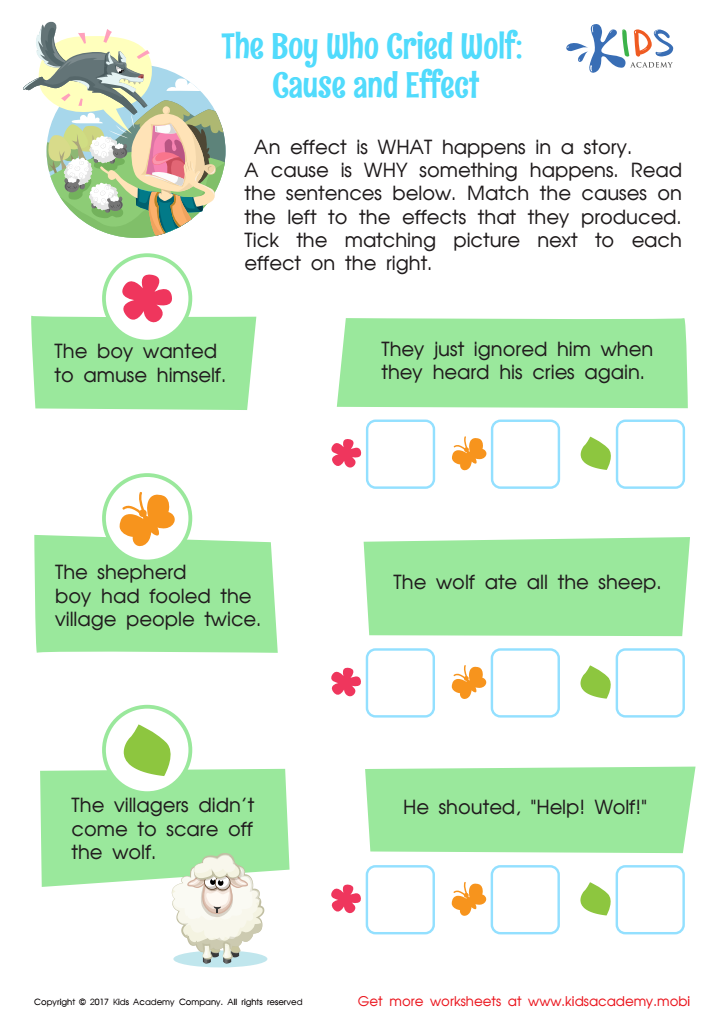
The Boy Who Cried Wolf: Cause and Effect Worksheet
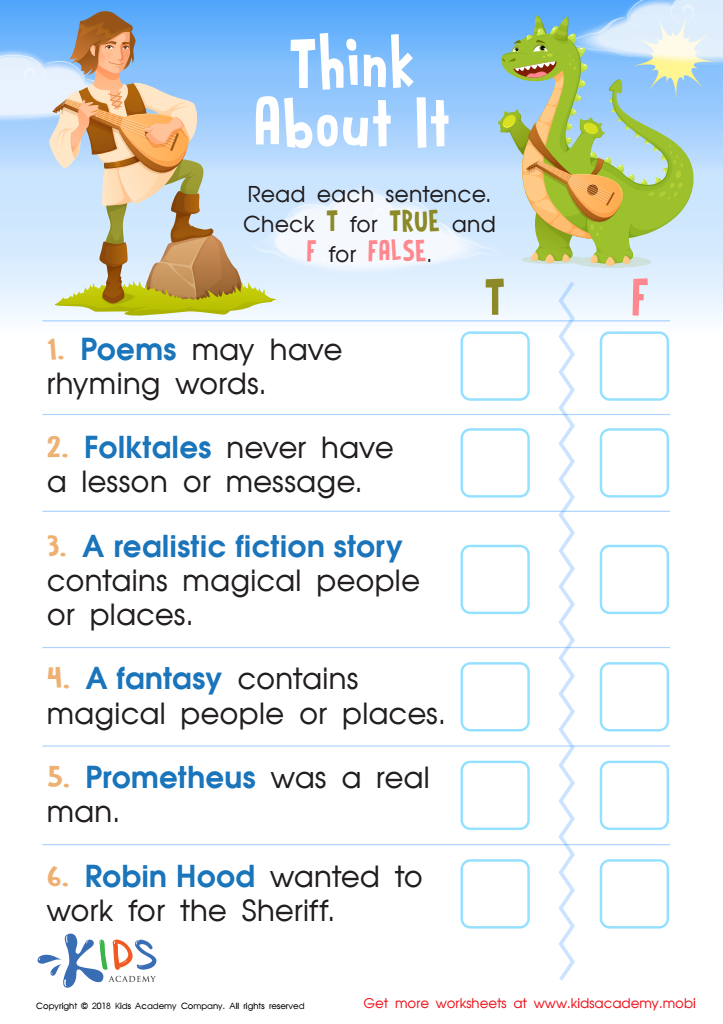
Think About It: Assessment Worksheet



.jpg)



Parents and teachers should care about Logical Reasoning Normal Reading Fiction for Ages 7-9 because it serves as a crucial building block for children’s cognitive development and critical thinking skills. At this stage, children transition from learning to read to reading to learn, making engaging fiction an effective tool for enhancing logical reasoning.
Reading age-appropriate fiction encourages children to analyze characters, predict outcomes, and draw conclusions, all of which foster logical reasoning capabilities. Through narrative exploration, children learn to identify cause-and-effect relationships and understand complex sequences of events, skills that are essential in problem-solving both in academics and real-life situations.
Additionally, quality fiction can ignite a child’s imagination while teaching empathy and social values. It fosters discussions about different perspectives and dilemma resolution, allowing them to apply logical reasoning in diverse contexts. Furthermore, enhancing logical reasoning during these formative years can lead to improved literacy skills, boosting confidence in comprehension and analytical thinking.
In summary, investing in Fiction aligned with Logical Reasoning for young readers not only enhances their academic performance but also cultivates valuable life skills, ensuring they grow into thoughtful, discerning individuals.







