Comparative analysis Normal Science Worksheets for Ages 7-9
3 filtered results
-
From - To
Discover premier Normal Science Worksheets designed for children aged 7-9, enhancing their comparative analysis skills. These worksheets simplify complex concepts, enabling young learners to understand differences and similarities in scientific phenomena. With engaging activities, vibrant illustrations, and age-appropriate content, Kids Academy’s printable worksheets support critical thinking and observation skills essential for budding scientists. Our expertly crafted resources align with educational standards, making learning both fun and impactful. Foster your child’s curiosity and analytical abilities with the best in elementary science education. Explore Kids Academy today for exceptional learning materials your kids will love!
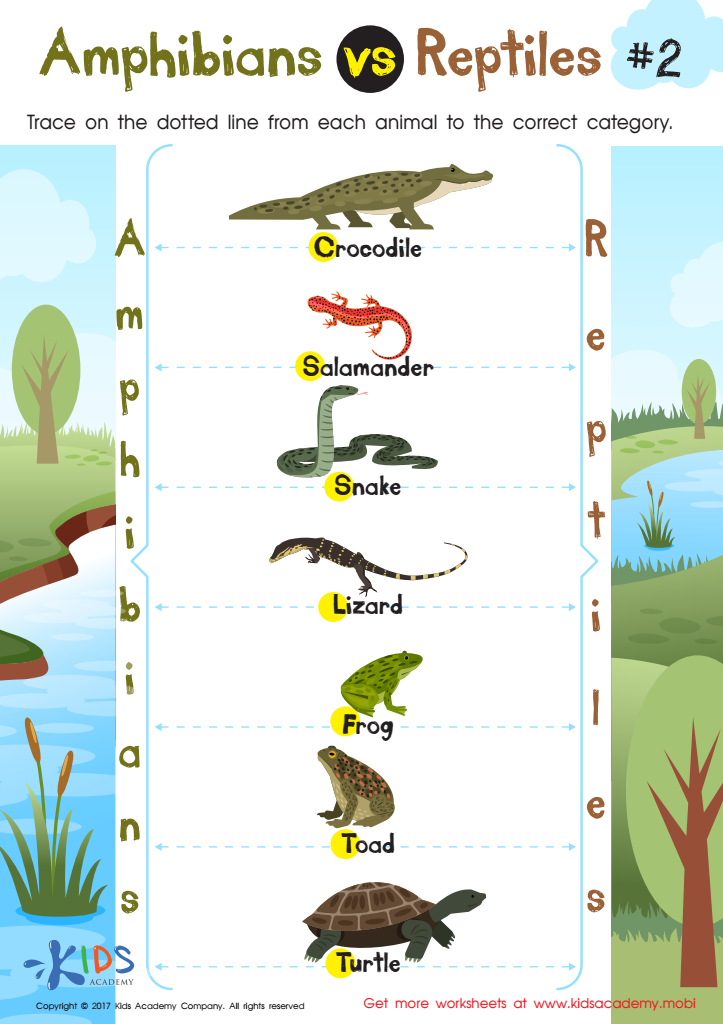
Amphibians vs Reptiles Worksheet for 3rd Grade
 Assign to My Students
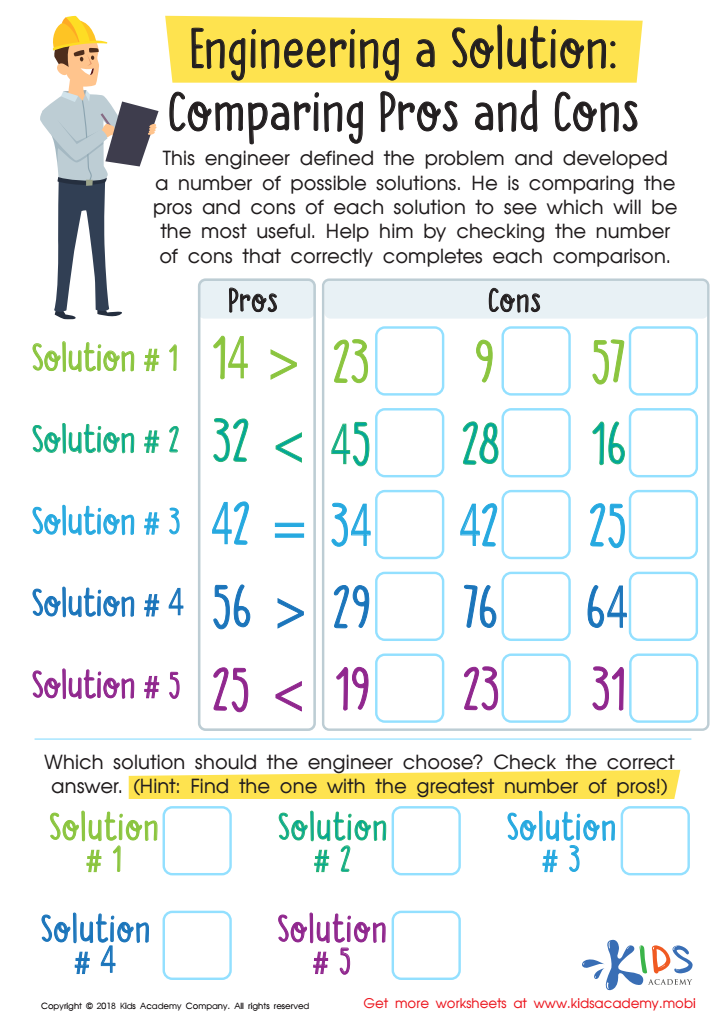
Engineering a Solution: Comparing Pros and Cons Worksheet
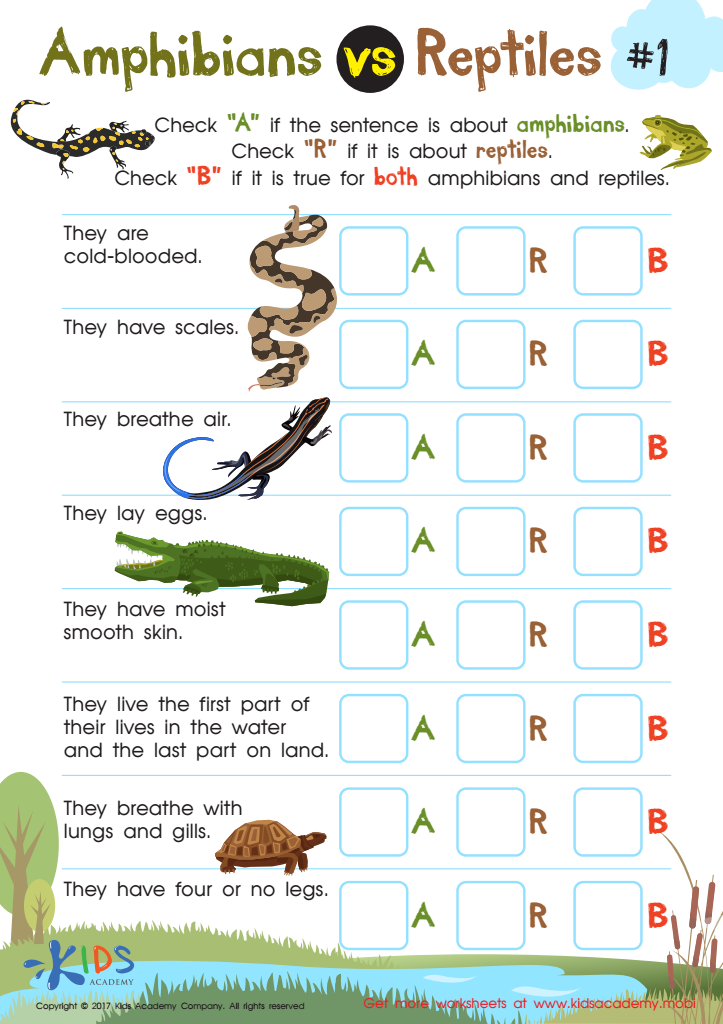
Amphibians vs Reptiles Worksheet








Comparative analysis and an understanding of normal science for children ages 7-9 can truly enhance the educational experience for young minds. At this critical age, children are naturally curious about the world around them. Introducing them to comparison and normal science helps bolster their cognitive development in significant ways.
Children learn effectively through direct experience and observation. Comparative analysis involves examining and differentiating between objects, ideas, or processes, which aids critical thinking and analytical skills. When they compare two or more entities, they learn to recognize patterns, categorize information, and make informed judgments. These foundational skills are invaluable across all subjects, from math and science to literacy and social studies.
Learning the principles of normal science—essentially understanding everyday, empirical science—is crucial for building scientific literacy. Kids grasp basic scientific concepts such as weather patterns, plant growth, or simple physical properties through close observation and hands-on activities. These experiences not only enrich their knowledge but also spark a lasting interest in science.
Furthermore, a strong basis in comparative analysis and normal science promotes problem-solving skills and fosters a methodical approach to learning. When parents and teachers invest in these areas, they help expand a child's intellectual horizon while shaping their ability to approach questions systematically, laying a strong educational foundation for future academic pursuits.







