Critical Thinking Normal Plants and Animals Worksheets for Ages 7-9
5 filtered results
-
From - To
Enhance your child’s understanding of ecosystems with our “Critical Thinking Normal Plants and Animals Worksheets” designed for ages 7-9. These engaging, age-appropriate worksheets encourage young learners to explore critical thinking skills by analyzing the relationships between plants and animals in their environment. Through a variety of interactive activities, children will classify species, examine food chains, and engage in problem-solving exercises that inspire curiosity about the natural world. Our worksheets aim to make science fun and accessible, fostering a deeper appreciation of biodiversity. Dive into a world of exploration and discovery today, nurturing your child's critical thinking abilities and love for learning!
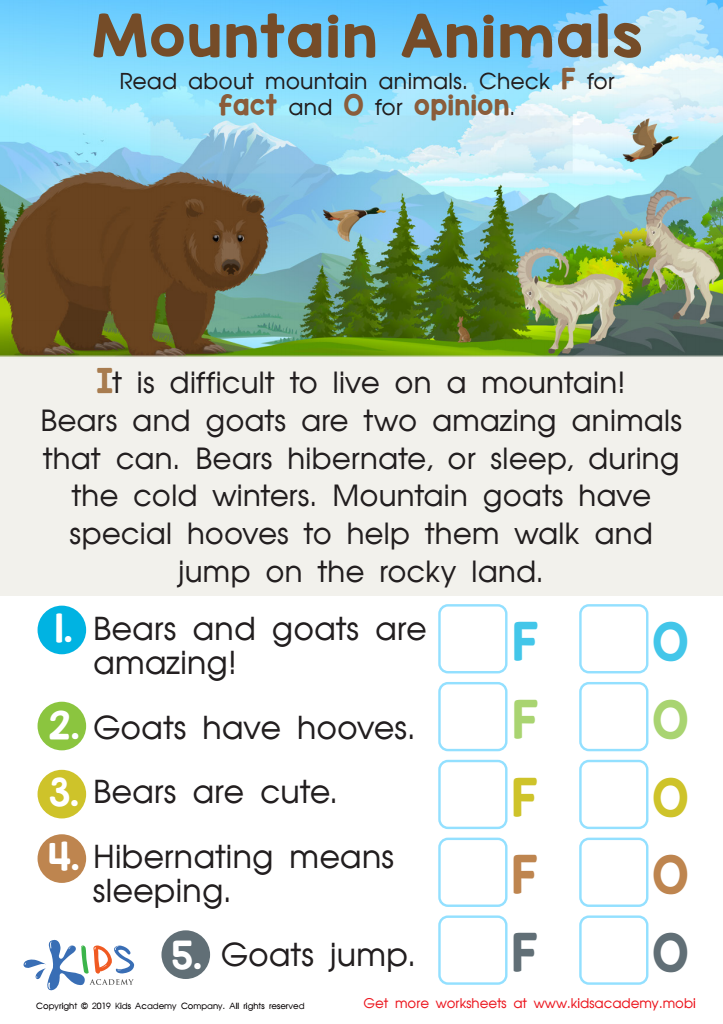
Mountain Animals Worksheet
 Assign to My Students
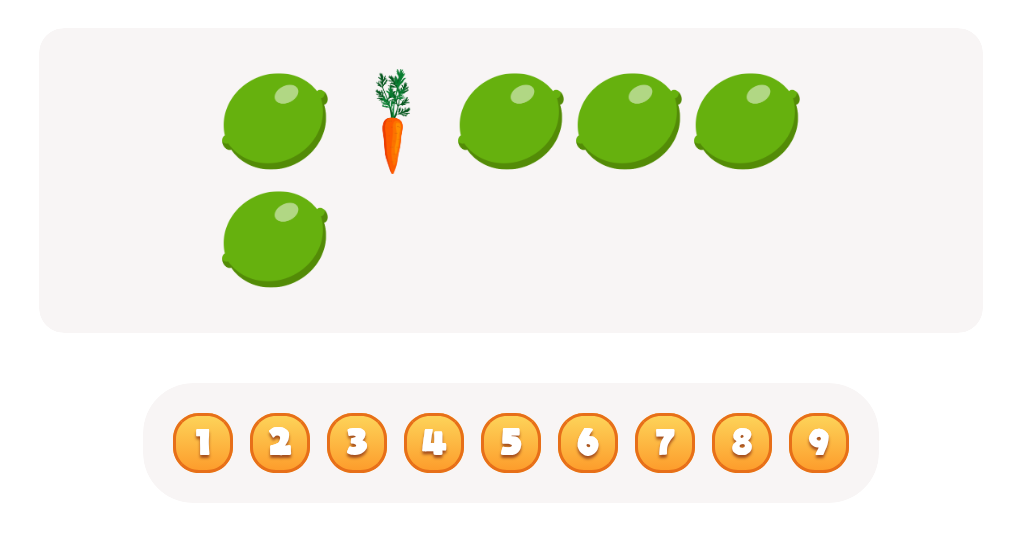


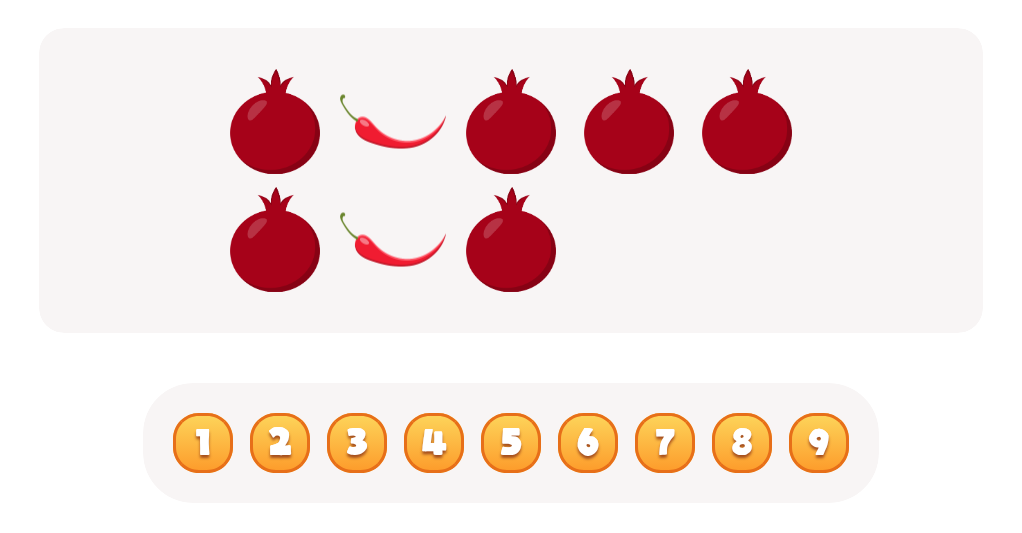
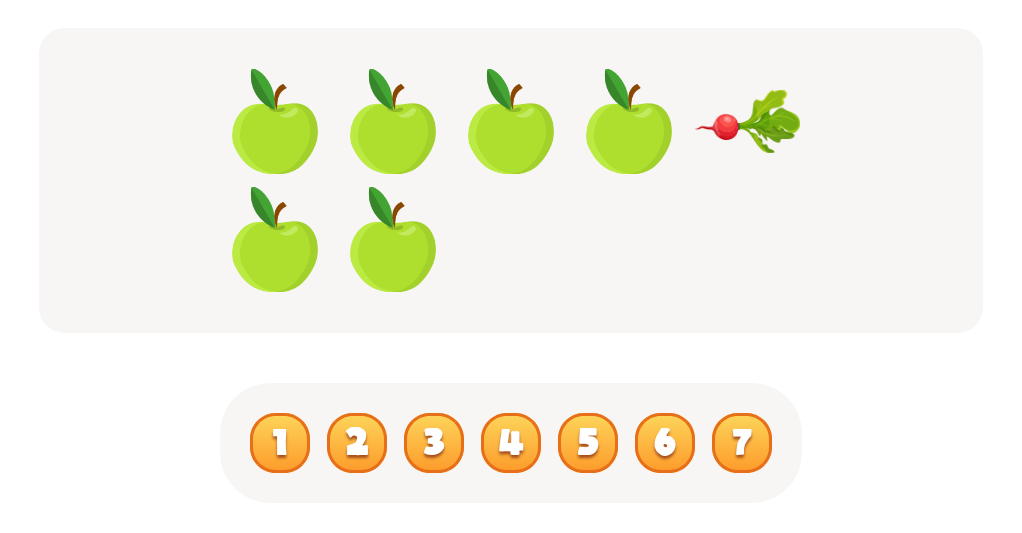
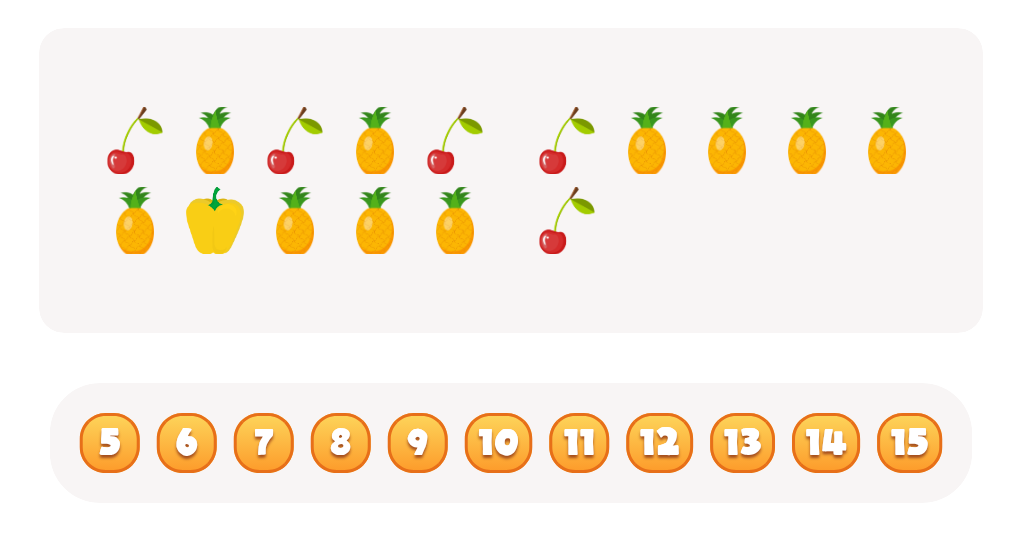
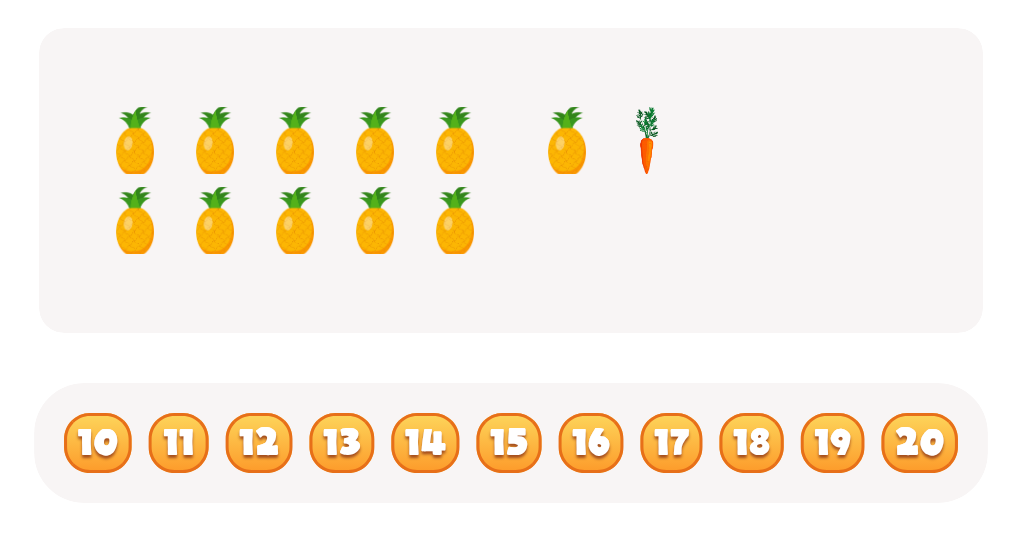
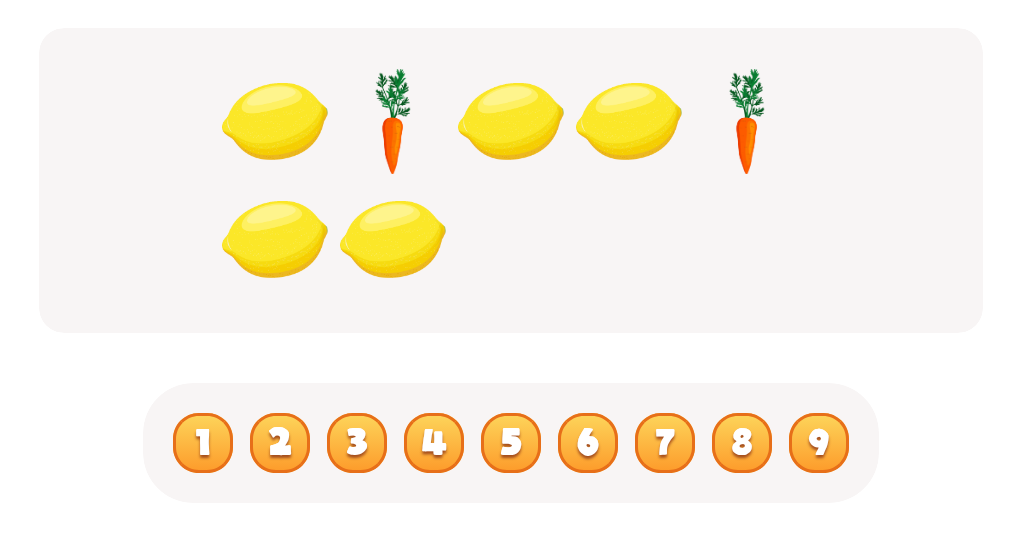


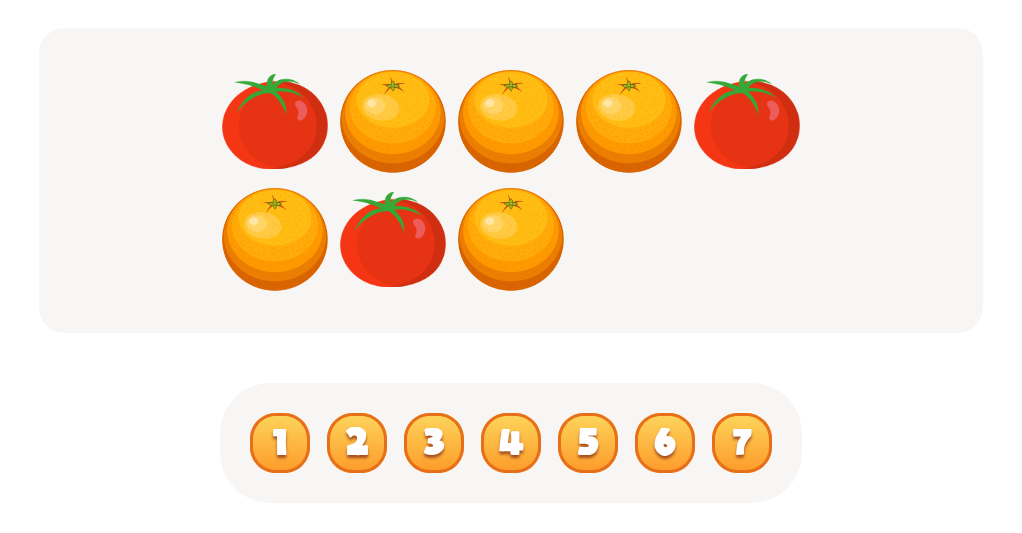
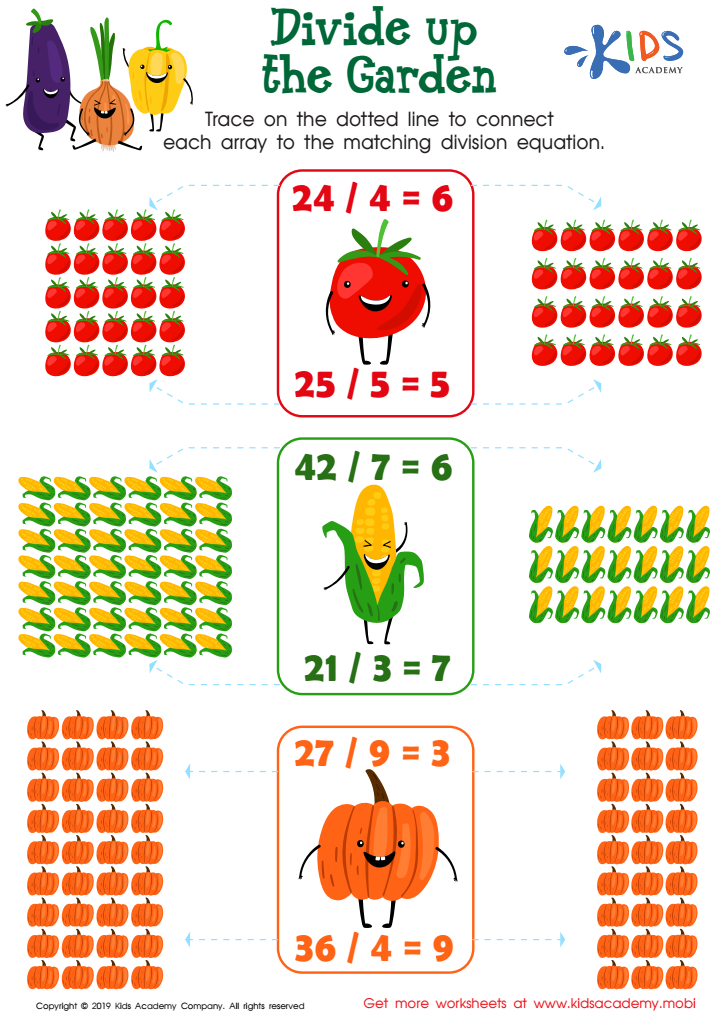
Divide up the Garden Worksheet
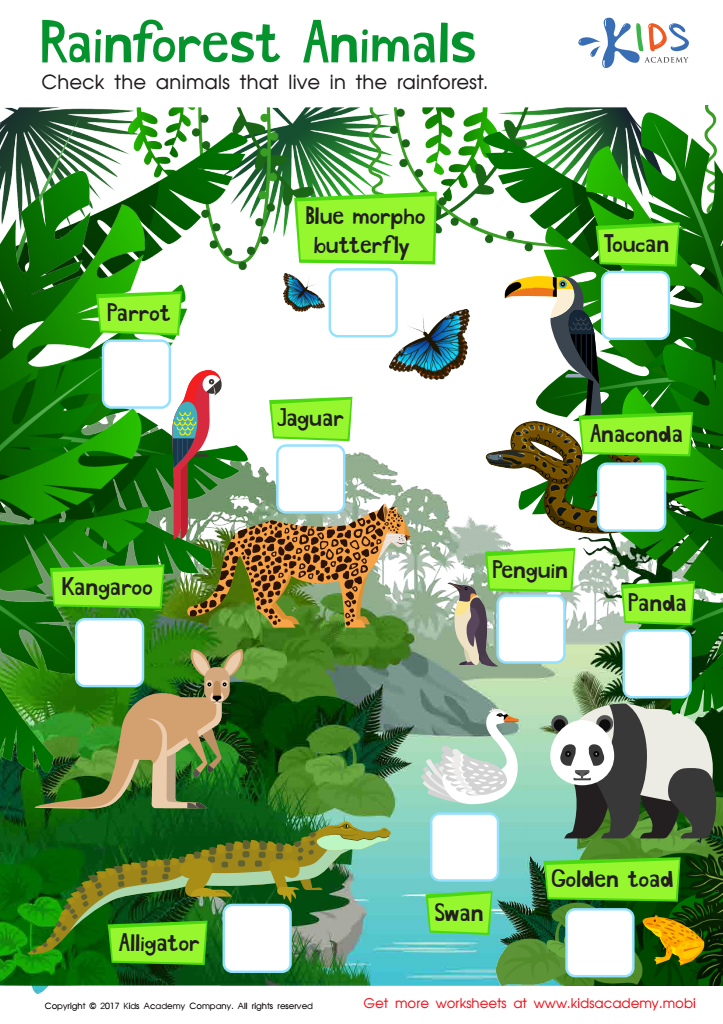
Rainforest Animals Worksheet
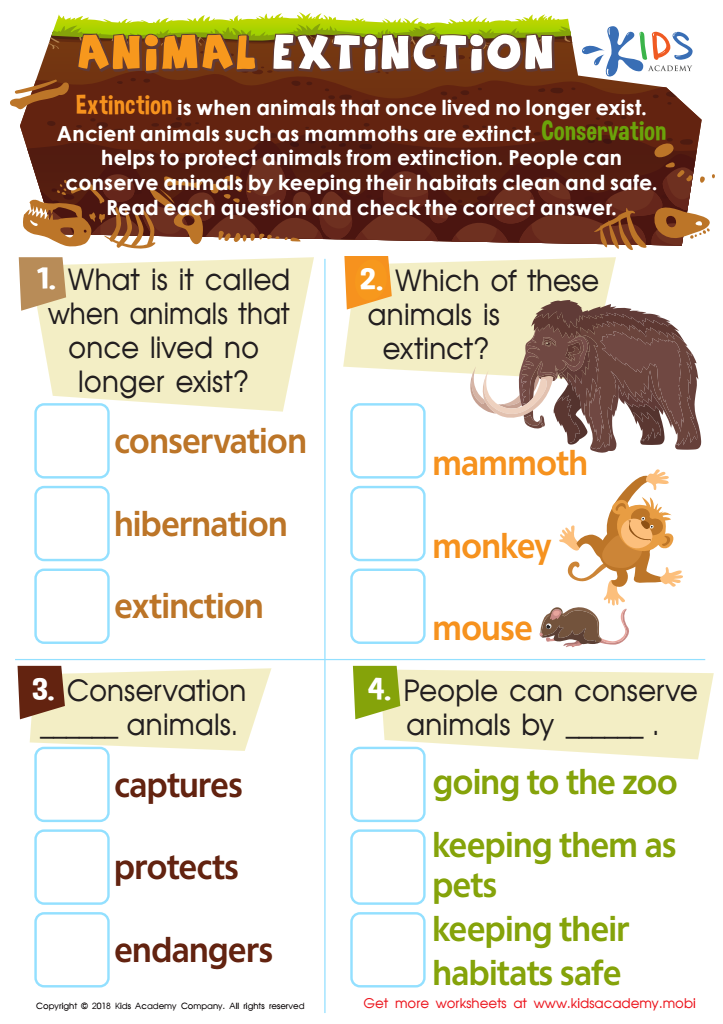
Animal Extinction Worksheet
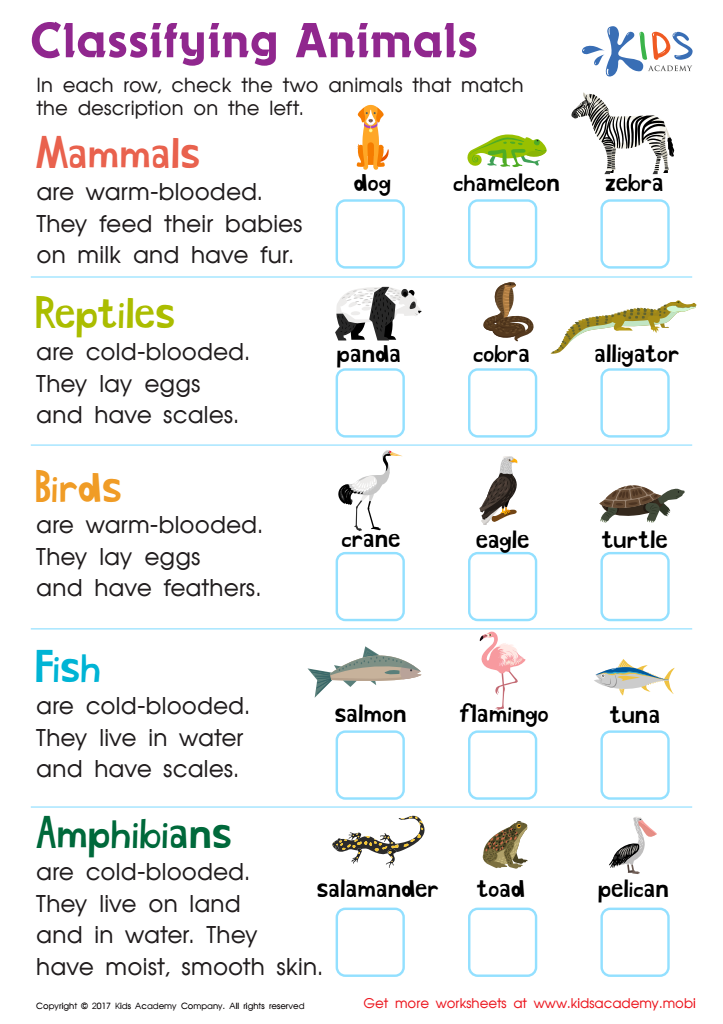
Classifying Animals Worksheet








Critical thinking in the context of learning about plants and animals is crucial for children aged 7-9. At this developmental stage, children are becoming capable of more complex reasoning, and fostering critical thinking skills enhances their ability to process information meaningfully. Engaging with topics related to normal plants and animals encourages children to inquire, observe, and make connections between concepts in the natural world.
When parents and teachers prioritize critical thinking in this area, they empower children to ask questions like "Why do plants need sunlight?" or “How do animals adapt to their environments?” Such inquiries deepen understanding and create a sense of curiosity about nature. This not only supports academic growth but also instills a lifelong love for learning.
Furthermore, critical thinking about plants and animals promotes environmental awareness and stewardship. It encourages children to recognize the importance of biodiversity and the human role in preserving it, fostering both empathy and responsibility. Interaction with nature-based topics enhances children's problem-solving skills and creativity, equipping them for future challenges. In essence, cultivating critical thinking in this area lays the groundwork for informed, conscientious citizens who appreciate and actively engage with the world around them.







