Understanding pollination Normal Plants and Animals Worksheets for Ages 7-9
3 filtered results
-
From - To
Explore the fascinating world of pollination with our "Understanding Pollination: Normal Plants and Animals Worksheets" designed specifically for ages 7-9. These engaging worksheets provide young learners with essential knowledge about how plants reproduce with the help of pollinators like bees, butterflies, and birds. Students will enhance their science skills through fun activities that include identifying different pollinators, understanding their roles, and recognizing the life cycle of plants. Perfect for classrooms and at-home learning, these resources foster curiosity about nature while supporting key educational standards. Dive into the interactive world of plants and animals, and watch your child's love for science flourish!
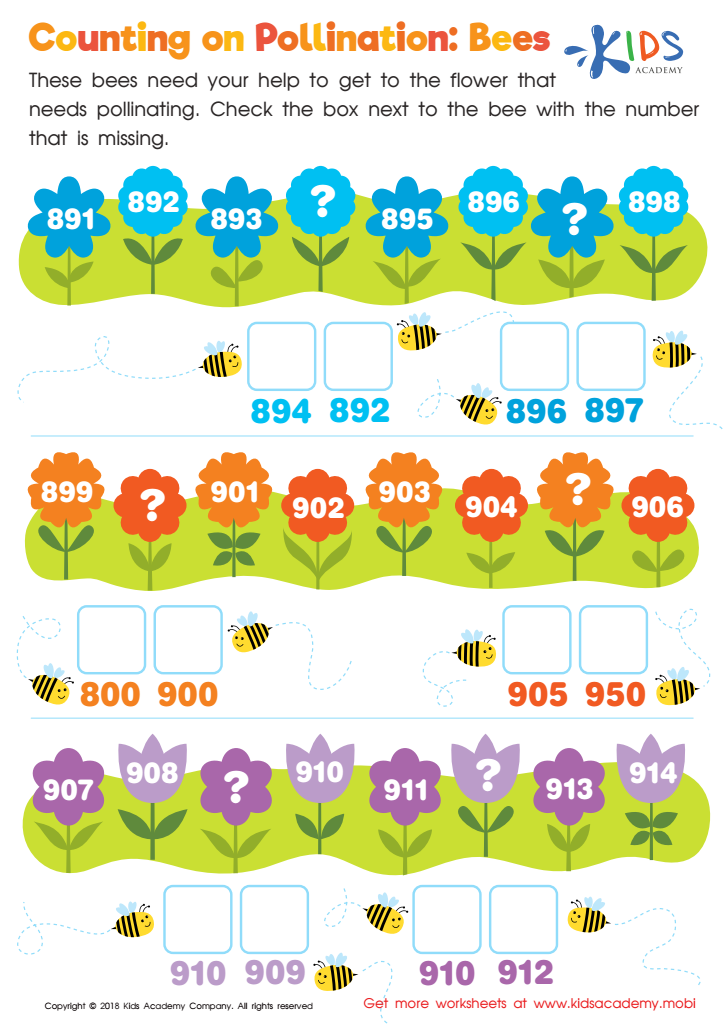
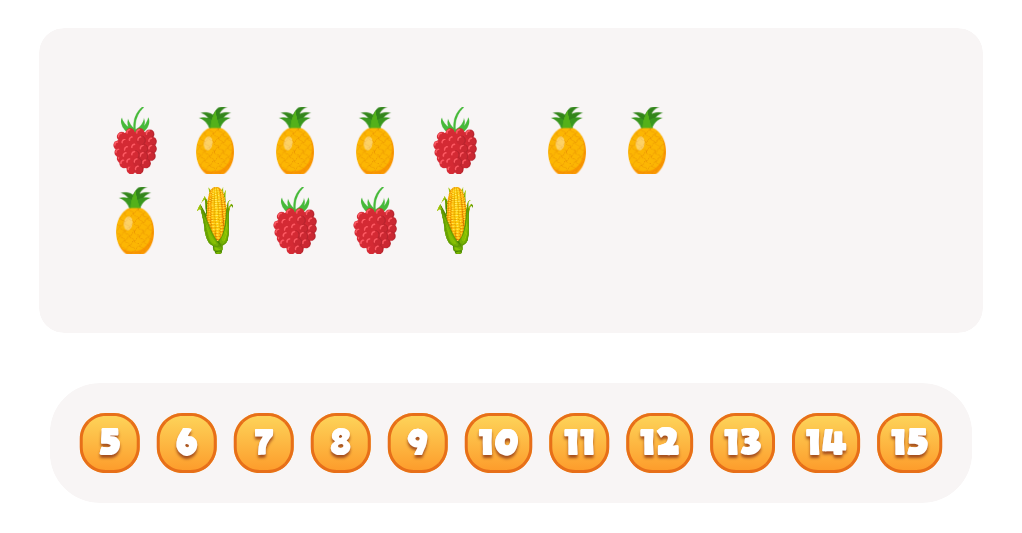
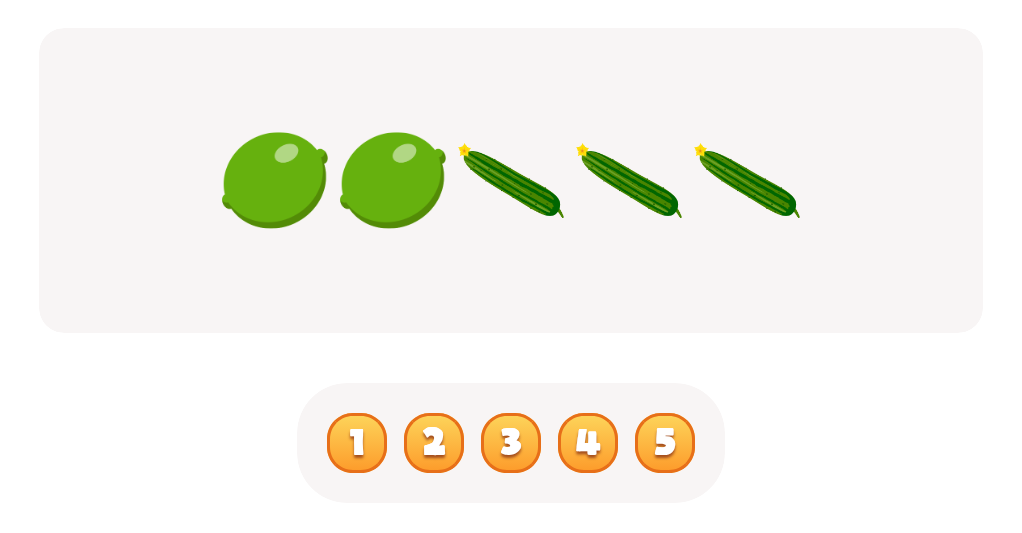
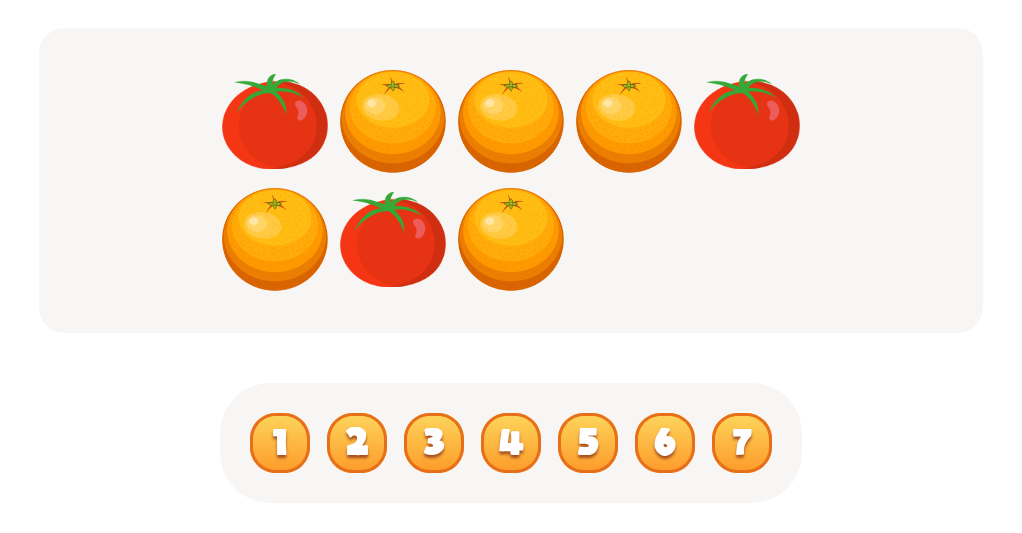
Counting on Pollination: Bees Worksheet
 Assign to My Students
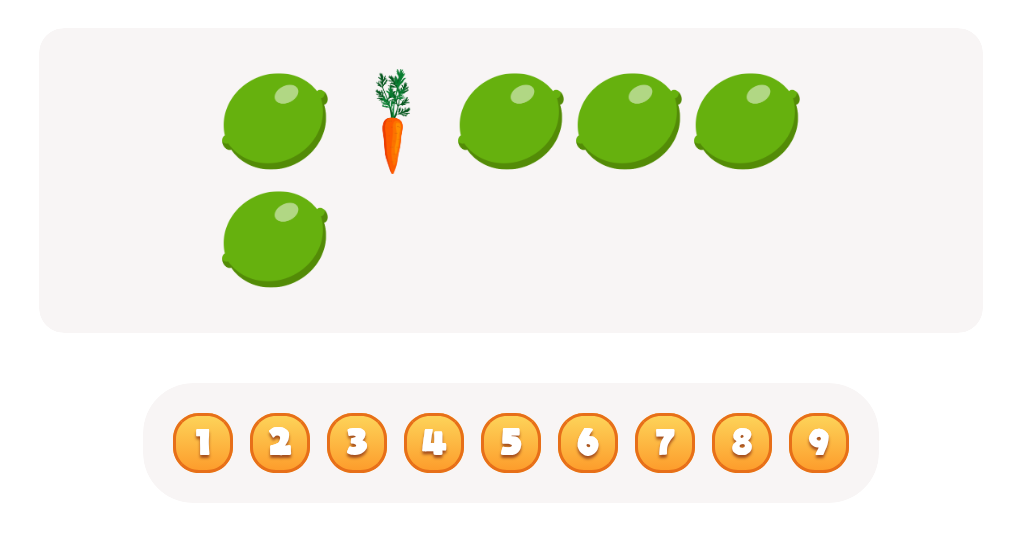

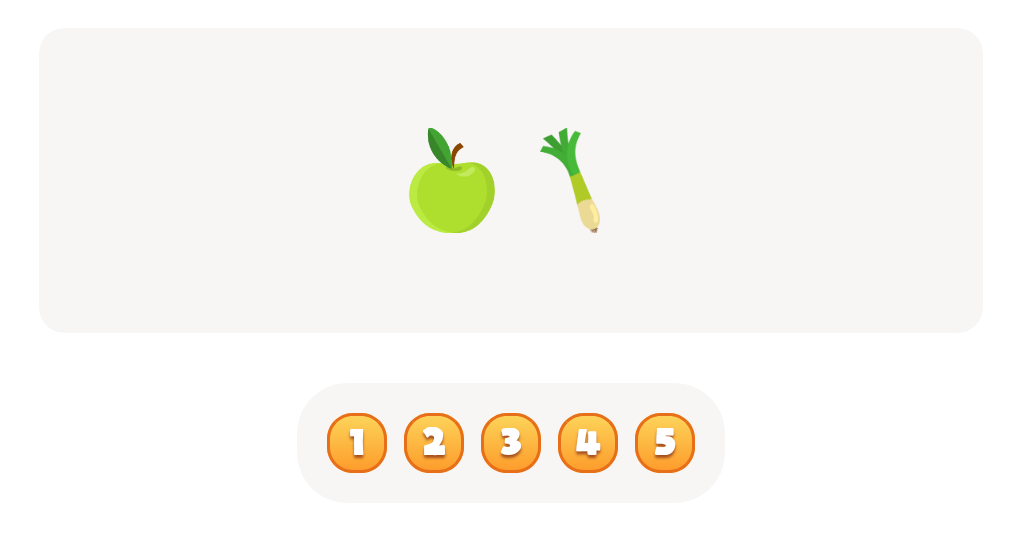
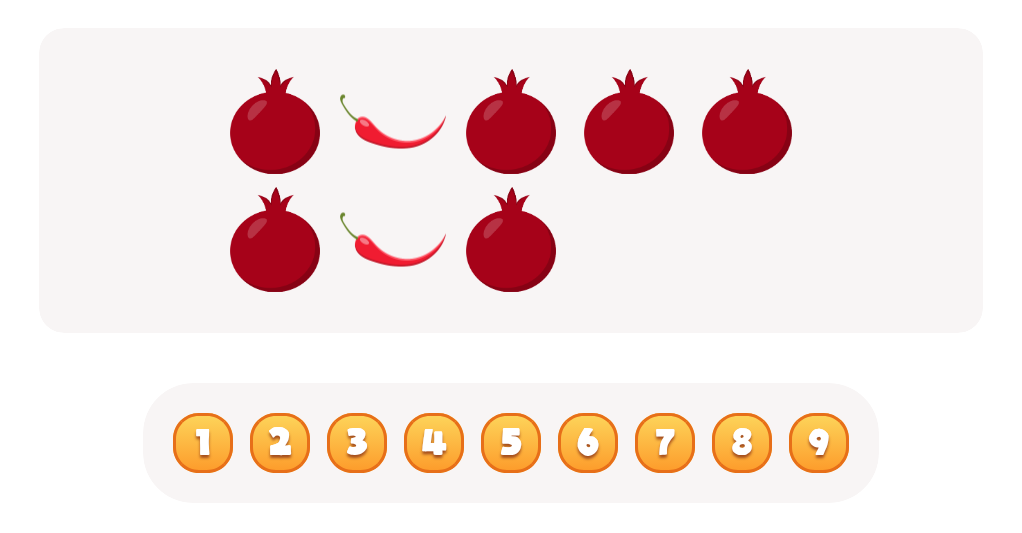
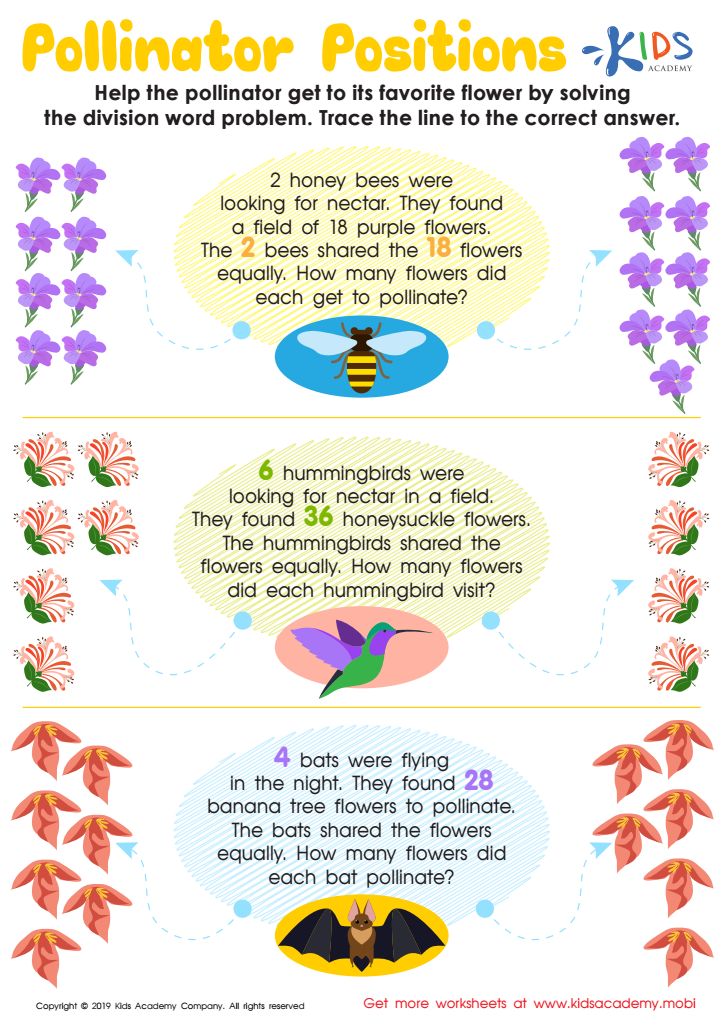
Pollinator Positions Worksheet
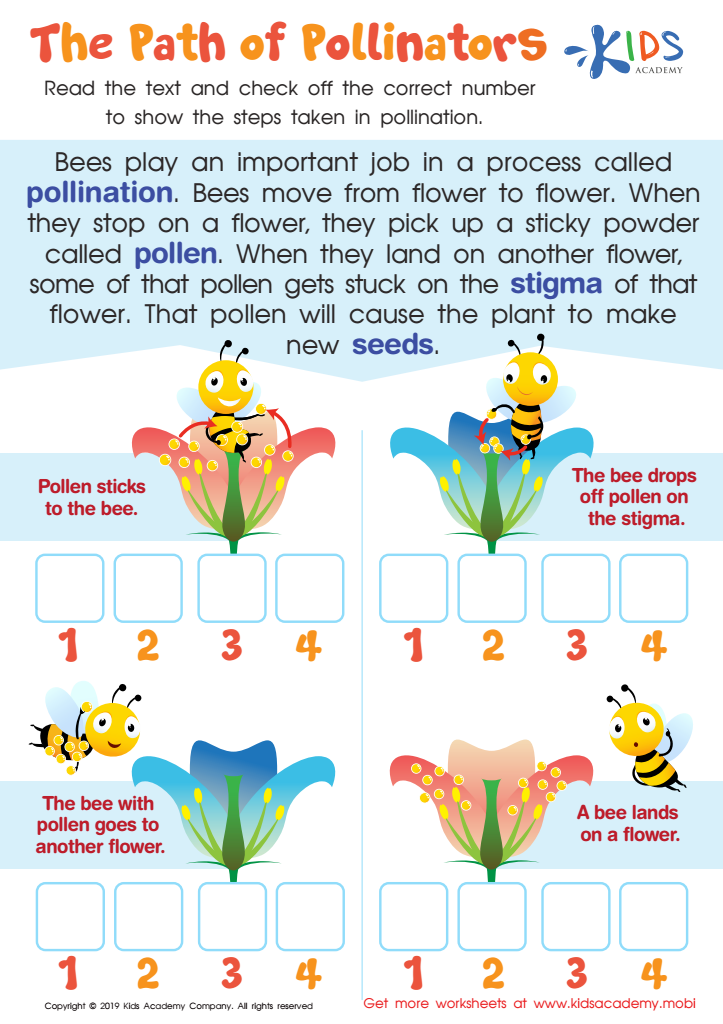
The Path of Pollinators Worksheet








Understanding pollination is crucial for children aged 7-9, as it connects them to nature and highlights the importance of plants and animals in our ecosystem. For parents and teachers, fostering this knowledge enhances children's awareness of biodiversity and ecological roles. Pollination is not only essential for the reproduction of many plants but also for the production of fruits and vegetables that contribute to our diet. By teaching children about this process, educators can instill a sense of responsibility towards the environment.
Moreover, exploring pollination introduces important biological concepts and scientific thinking. Children can learn about the relationships between organisms, such as how bees, birds, and other animals participate in pollination, promoting an understanding of interdependence in ecosystems. Hands-on activities like observing flowers and insects reinforce these concepts, making learning engaging and fun.
Additionally, understanding this topic can inspire children to take action in protecting pollinators. As the decline in pollinator populations poses a threat to food security and global biodiversity, instilling this awareness in young minds fosters environmental stewardship. Overall, the significance of pollination enriches curriculum and nurtures a generation equipped to appreciate and protect our natural world.







