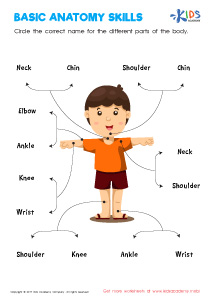
Normal Physical Science Worksheets for Ages 7-9
3 filtered results
-
From - To
Discover the exciting world of physical science with our engaging worksheets designed for children aged 7-9. Our resources cover fundamental concepts like energy, force, motion, and simple machines, making learning both fun and educational. Each worksheet features colorful illustrations and interactive activities, ensuring your child stays captivated while developing critical thinking skills. Help your young learner explore the principles that govern our physical world with our thoughtfully crafted exercises. Perfect for homeschooling or supplementing classroom instruction, our worksheets provide a strong foundation in physical science that will inspire curiosity and a love for learning.
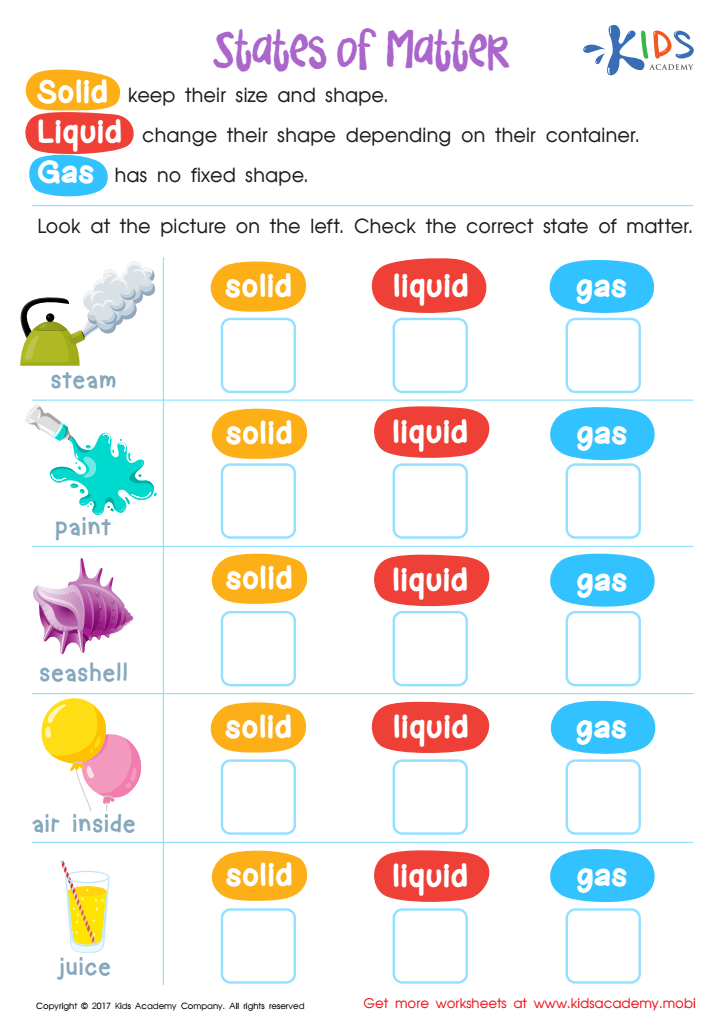
Physical Science: States of Matter Worksheet
 Assign to My Students
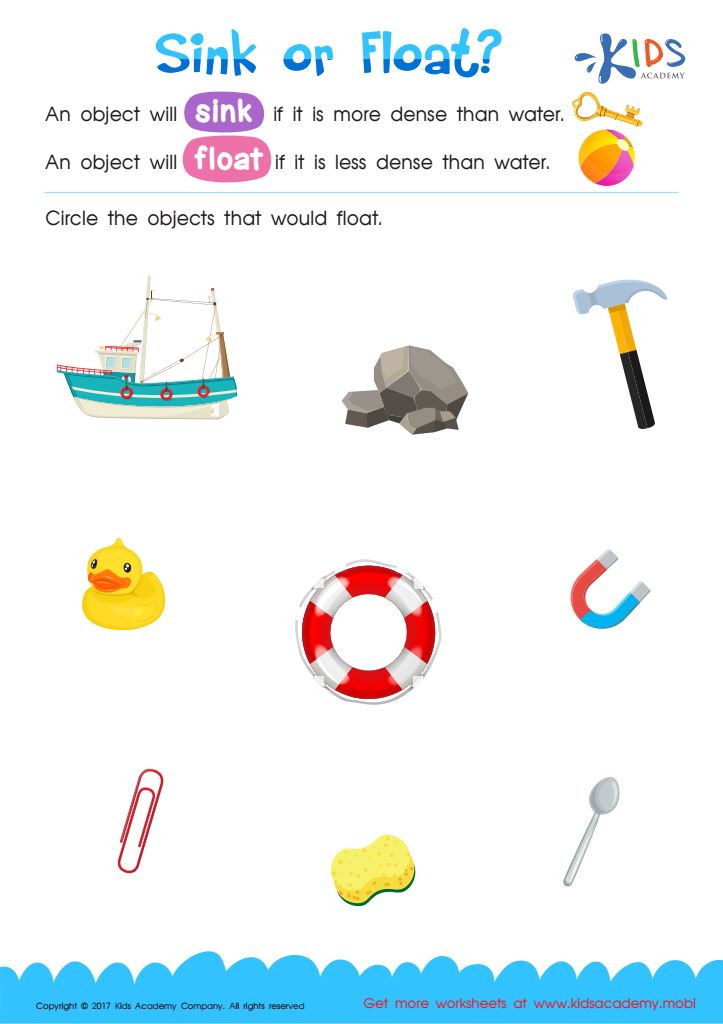
Sink or Float Printable
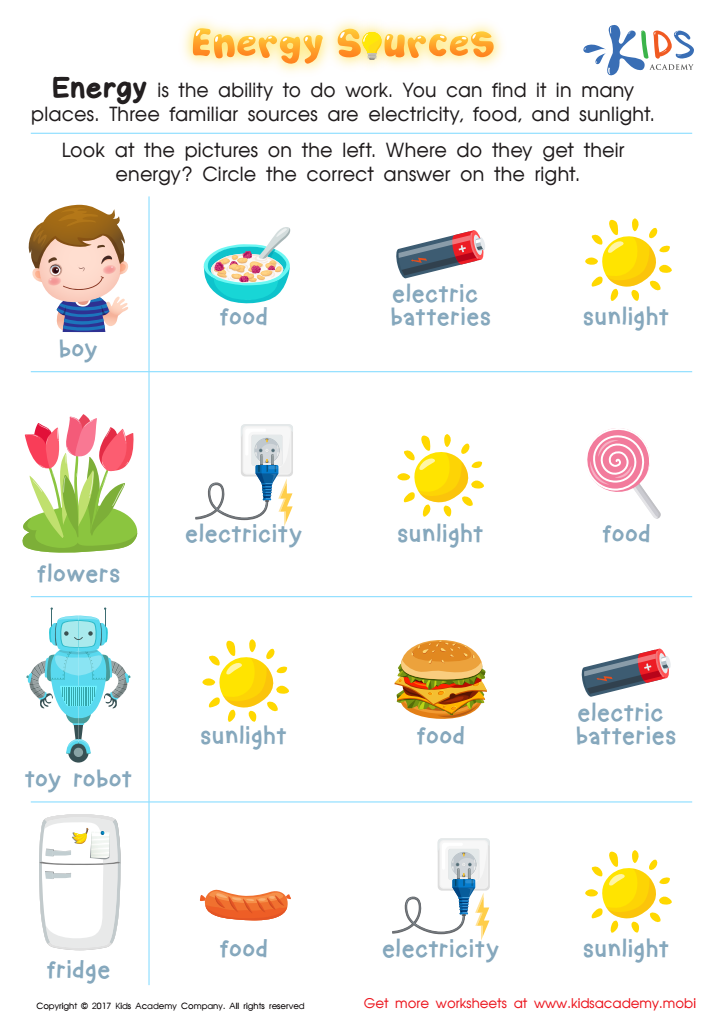
Energy Sources Printable



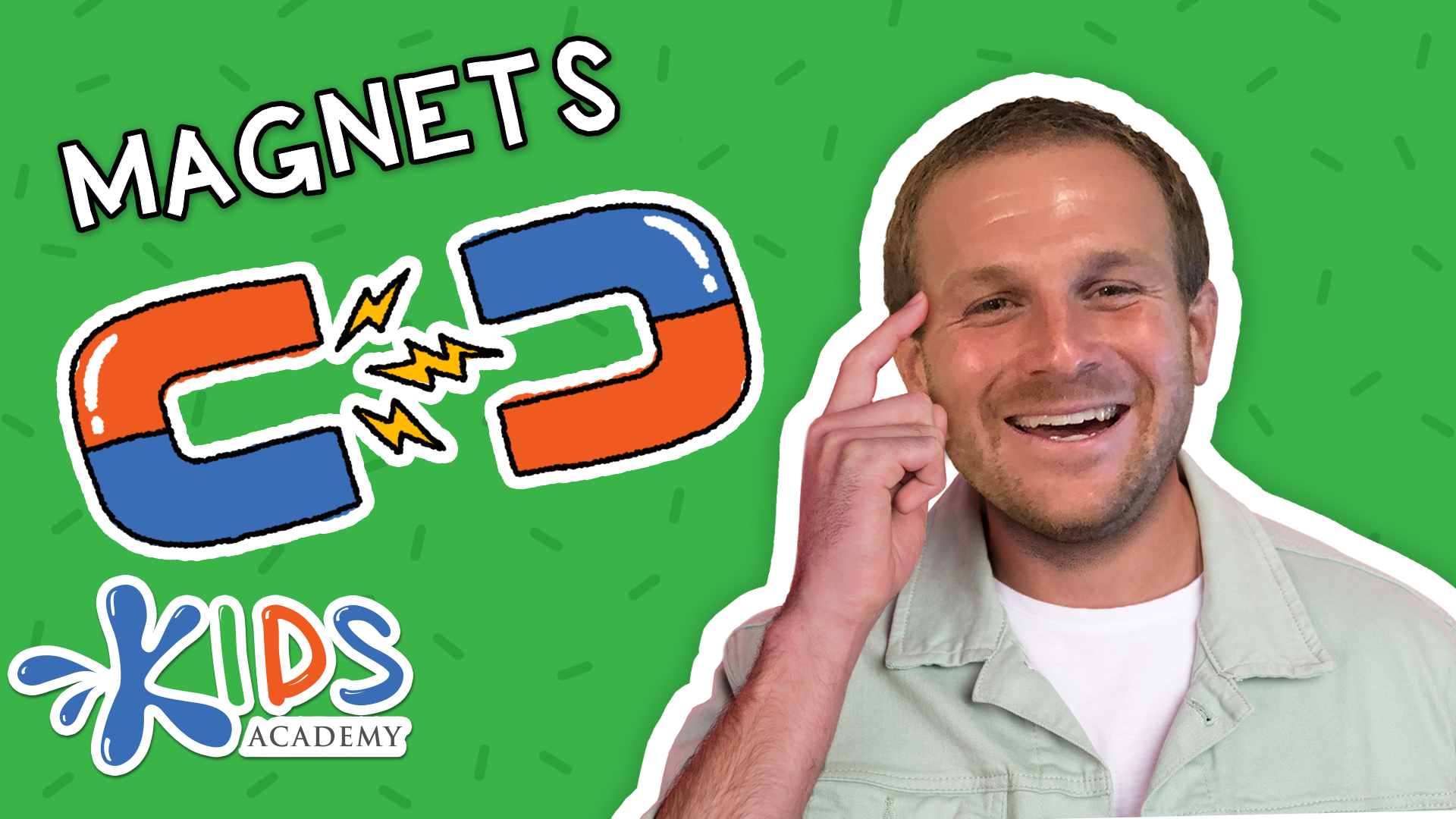




Understanding the principles of physical science is essential in nurturing a child's curiosity and cognitive development. For children aged 7-9, delving into physical science lays the foundational stones for critical thinking, problem-solving, and an enduring interest in how the world works. At this tender age, children possess an innate curiosity about their environment, making it an optimal time to introduce them to the basics of physics, chemistry, and earth sciences.
Fostering an interest in these areas promotes an understanding of fundamental concepts such as force, energy, and matter which are crucial in their day-to-day interactions. For instance, through simple experiments like measuring the force needed to push or pull objects, children grasp real-life applications of science, reinforcing learning through practical experience.
Additionally, early exposure to physical science encourages observation, inquiry, and hands-on exploration. This engagement not only aids in academic growth but also enhances concentration, logical reasoning, and persistence. Furthermore, establishing a strong scientific foundation can inspire long-term educational pursuits and careers in STEM fields.
Caring about physical science for kids ensures a balanced, holistic educational approach, igniting a life-long passion for learning, critical thinking, and appreciating the intricate workings of the natural world. Therefore, both parents and teachers play a pivotal role in facilitating such invaluable educational experiences.