Alphabetical order understanding Normal Worksheets for 7-Year-Olds
3 filtered results
-
From - To
Our "Alphabetical Order Understanding" worksheets for 7-year-olds are designed to boost your child's literacy skills. Through engaging, age-appropriate exercises, these printables help kids learn the sequence of the alphabet, enhancing their organizational skills and preparing them for more advanced reading tasks. With vibrant visuals and interactive tasks, our worksheets not only make learning fun but also strengthen essential critical thinking skills. Sign up now to provide your child with the tools they need to master alphabetical order, unlocking a world of knowledge through structured and enjoyable activities. Perfect for both classroom and home learning!

Letter G Tracing Page
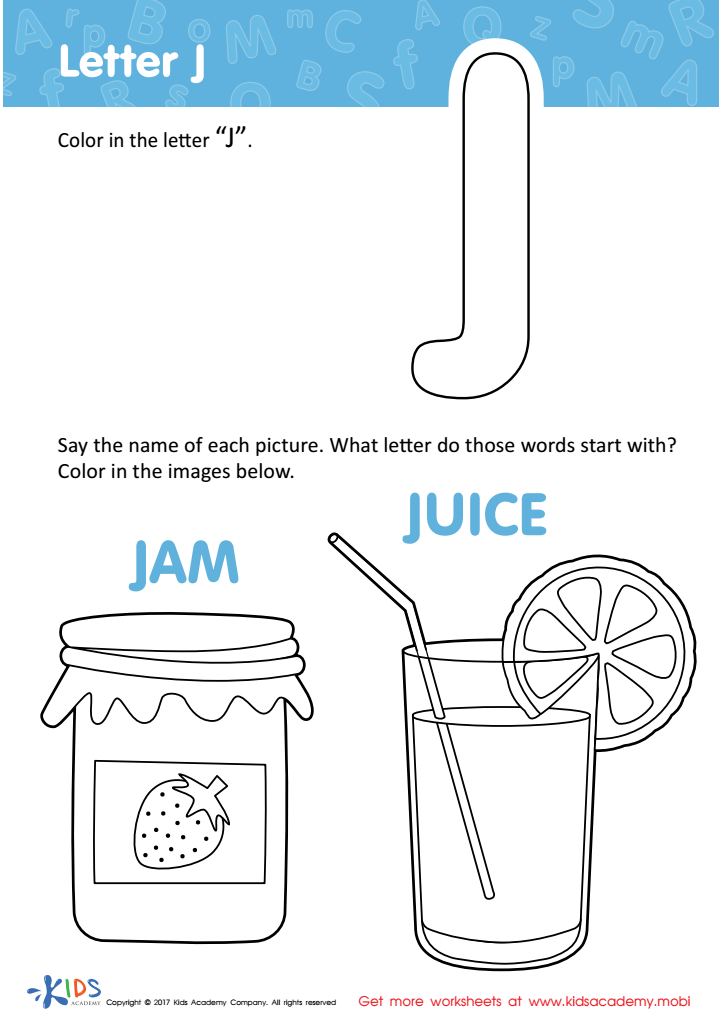
Letter J Coloring Sheet
 Assign to My Students
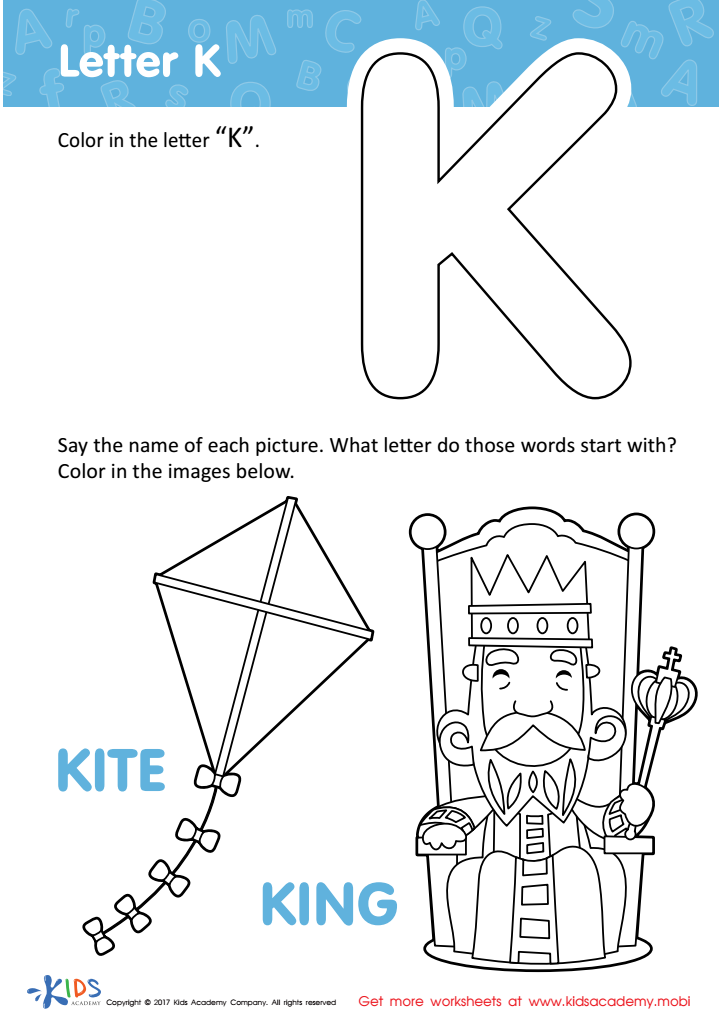
Letter K Coloring Sheet
Assign to My Students


.jpg)




Understanding alphabetical order is a fundamental skill that parents and teachers should prioritize for 7-year-olds. At this age, children transition from basic literacy to more advanced reading and writing activities, and comprehension of alphabetical order facilitates this progression. Firstly, it aids in boosting vocabulary and phonetic awareness, helping children recognize patterns and sequential thinking. For instance, knowing alphabetical order assists in using tools like dictionaries, glossaries, and libraries, which are pivotal in finding information and expanding knowledge.
Secondly, familiarity with the alphabet’s order enhances organizational and sorting skills. These skills are transferrable to various areas such as categorizing toys, organizing school supplies, or even understanding numerical orders later on. Moreover, mastering this concept fosters independence, as children gain confidence in their ability to navigate books and digital resources.
Teaching this concept early paves the way for further educational milestones, and reinforces cognitive development through repetition and application. It’s not merely about memorizing the sequence but about integrating a logical approach that aids broader learning processes. Therefore, both parents and teachers should champion the importance of alphabetical order understanding, providing engaging activities, visual aids, and consistent practice to nurture this critical foundational skill.








