Developing logical thinking Normal Worksheets for 7-Year-Olds
3 filtered results
-
From - To
Unlock the power of logical thinking with our engaging worksheets designed specifically for 7-year-olds! These printable resources foster critical reasoning, helping young learners develop essential skills for solving problems and making connections. Each worksheet is tailored to stimulate curiosity and encourage independent thinking through fun activities that challenge children to analyze, classify, and deduce. With colorful illustrations and captivating themes, your child will enjoy honing their logical reasoning abilities while building a strong foundation for future academic success. Perfect for use at home or in the classroom, our logical thinking worksheets are a valuable tool for every young learner's educational journey!
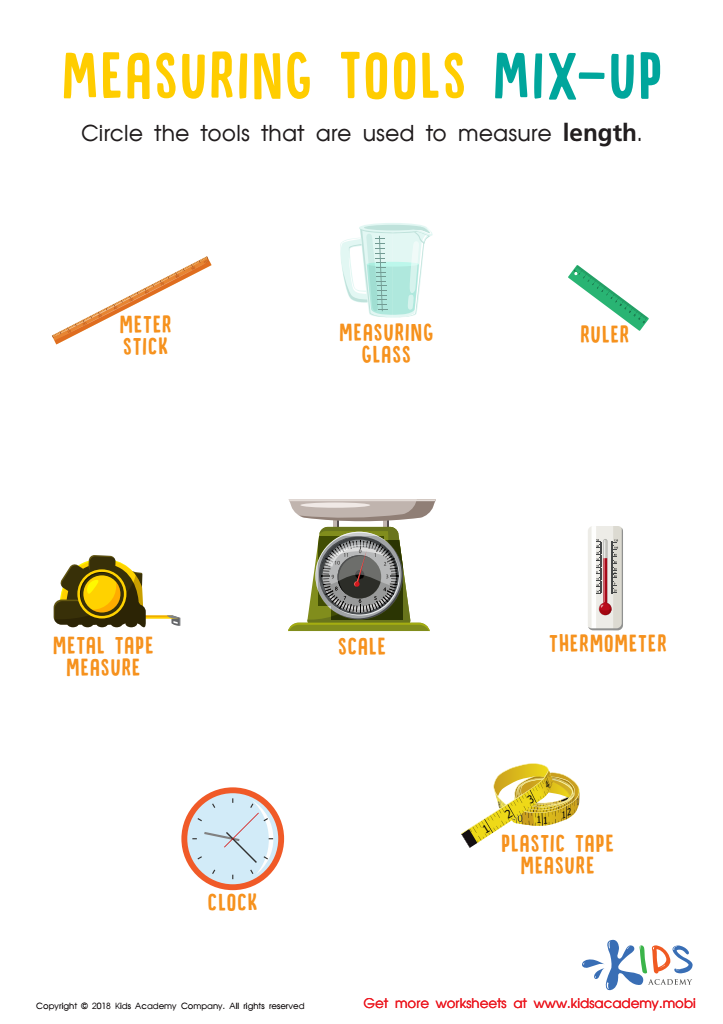
Measuring Tools Mix–up Worksheet
 Assign to My Students
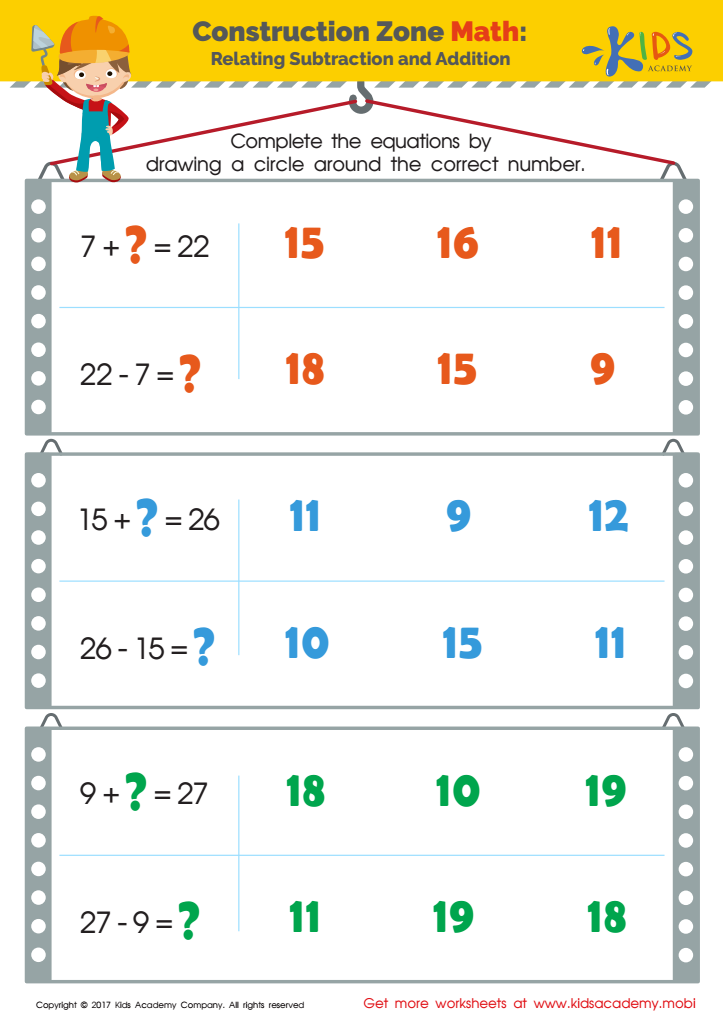
Related Addition and Subtraction Facts Worksheet
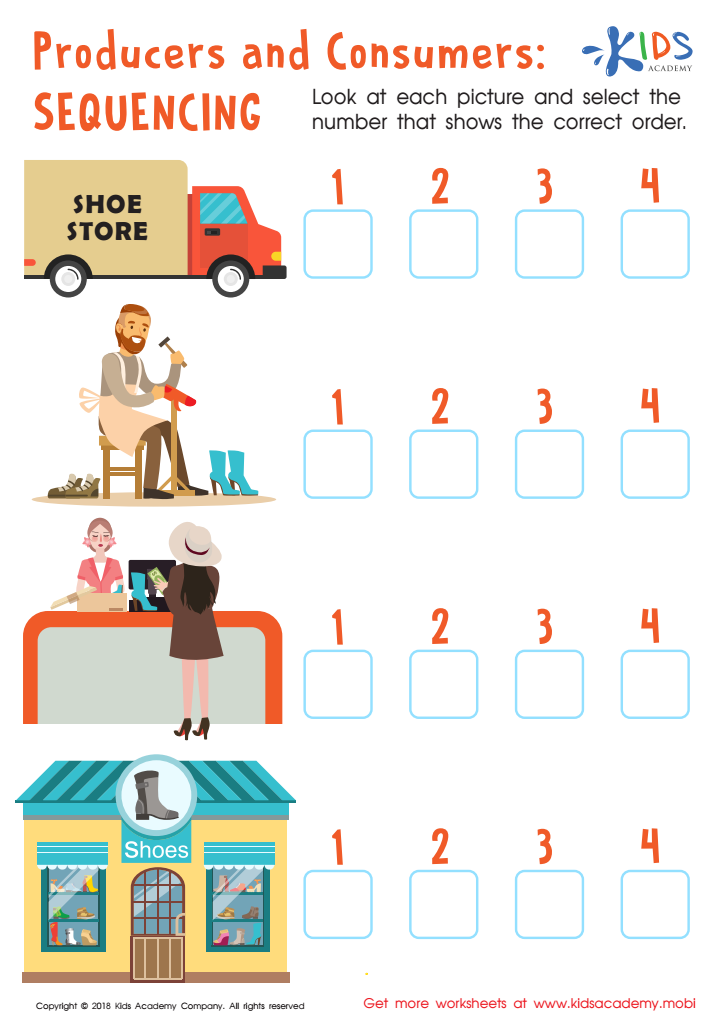
Producers and Consumers: Sequencing Worksheet



.jpg)




Developing logical thinking in 7-year-olds is crucial for several reasons. At this age, children are actively honing their cognitive skills, and fostering logical thinking empowers them to analyze situations, make decisions, and solve problems effectively. This foundational skill enhances their ability to think critically, which is essential for academic success across subjects, especially mathematics and science.
Engaging in logical thinking activities encourages creativity and strengthens reasoning capabilities. When children learn to evaluate options and predict outcomes, they become more adept at navigating everyday challenges. This not only builds confidence but also promotes independence, allowing them to tackle complex tasks without undue reliance on adults.
Furthermore, logical thinking fosters social skills. Children who can reason through social situations are better equipped to understand perspectives, empathize with peers, and resolve conflicts amicably. In a world that increasingly values critical thinking and problem-solving, nurturing these abilities early on is vital for their future success.
For parents and teachers, supporting the development of logical thinking means equipping children with lifelong skills that lay the groundwork for academic achievement and personal growth. Through games, discussions, and interactive activities, they can create enriching environments that promote logical reasoning and inspire lifelong learning.








