Interpreting data Normal Worksheets for 7-Year-Olds
3 filtered results
-
From - To
Welcome to our "Interpreting Data Normal Worksheets for 7-Year-Olds"! This engaging resource is designed to help young learners develop essential analytical skills in a fun and interactive way. Our worksheets focus on interpreting various types of data, including charts and graphs and encourage kids to practice reading information, drawing conclusions, and making observations. Each worksheet is tailored to be age-appropriate, ensuring children can grasp concepts easily while enhancing their critical thinking abilities. Ideal for classroom or at-home learning, our worksheets foster a love for numbers and data interpretation. Explore our collection today and support your child's learning journey!
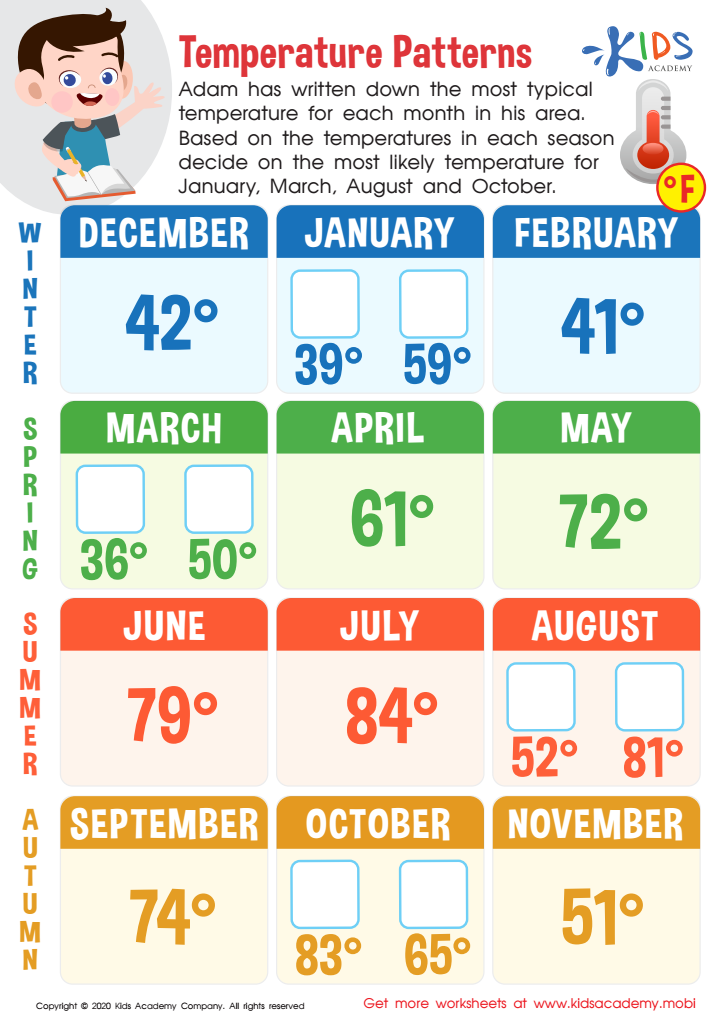
Temperature Patterns Worksheet
 Assign to My Students
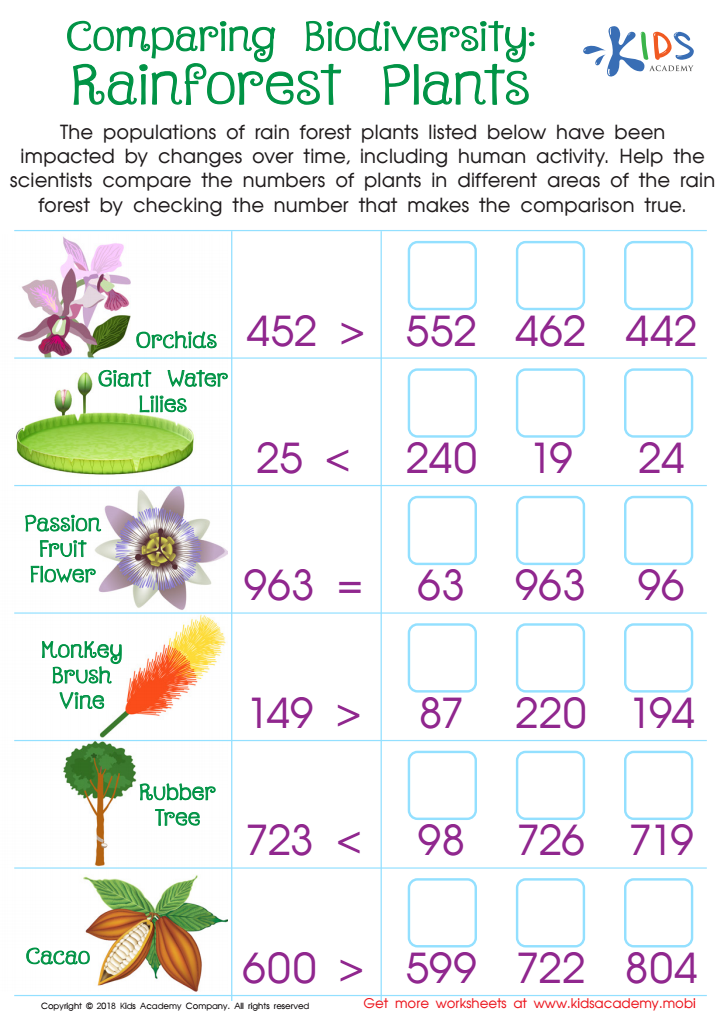
Comparing Biodiversity: Rainforest Plants Worksheet
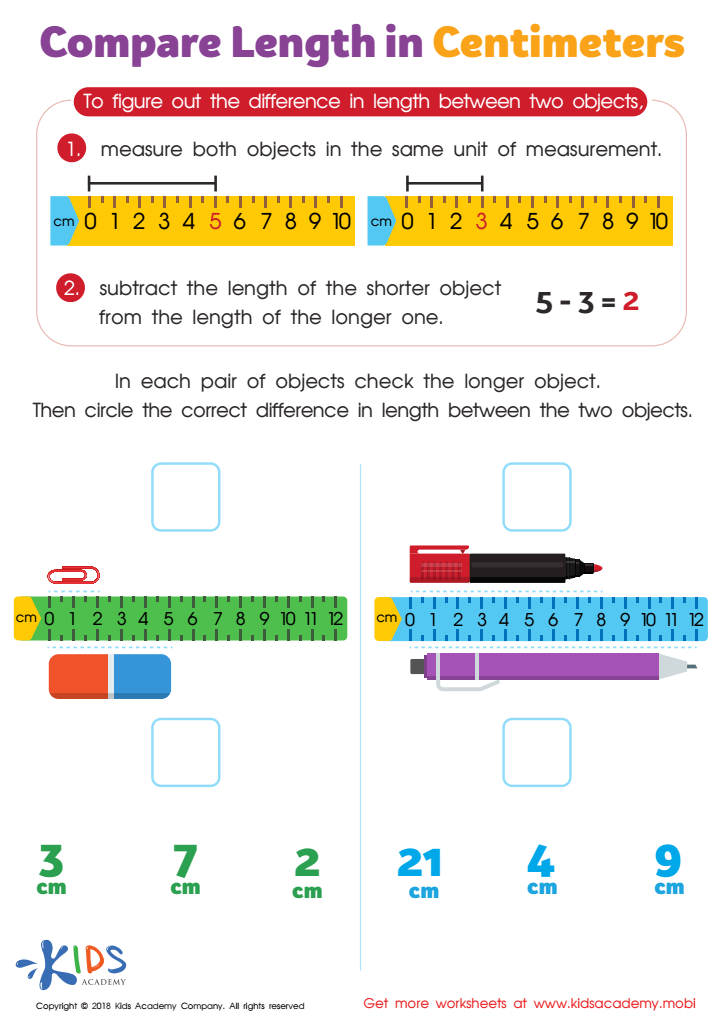
Compare Length in Centimeters Worksheet








Interpreting data is a crucial skill for 7-year-olds as it lays the foundation for critical thinking and informed decision-making. Parents and teachers should care because understanding data helps children make sense of the world around them. At this age, kids begin to encounter simple charts, graphs, and tables in school. Engaging with this information enhances their analytical skills and teaches them how to draw conclusions based on evidence.
Additionally, data interpretation fosters creativity and curiosity. When children learn to visualize data, they can share their discoveries in a fun and engaging manner. This also promotes teamwork and communication—their ability to discuss findings can lead to richer classroom experiences.
Moreover, in our increasingly digital age, being data-literate will prepare kids for future challenges across various subjects, such as science and math. Parents and teachers should emphasize these skills because children who can interpret data confidently are likely to navigate the complexities of everyday life more effectively, from understanding trends to making personal choices. Ultimately, instilling a love for data analysis now will empower children to become informed, thoughtful individuals who can approach problems with a logical mindset throughout their lives.








