Logical thinking Normal Worksheets for 7-Year-Olds
6 filtered results
-
From - To
Foster your 7-year-old's critical thinking with our Logical Thinking Normal Worksheets. Specifically designed for young minds, these engaging activities help children develop essential problem-solving skills. Each worksheet presents fun and educational challenges, covering patterns, sequences, and reasoning exercises that build a solid foundation for logical thought. Perfect for both classroom use and at-home learning, these worksheets are an excellent resource for enhancing your child's ability to analyze and solve problems. Make logical thinking fun and effective, preparing your child for academic success and a bright future. Explore our collection today!
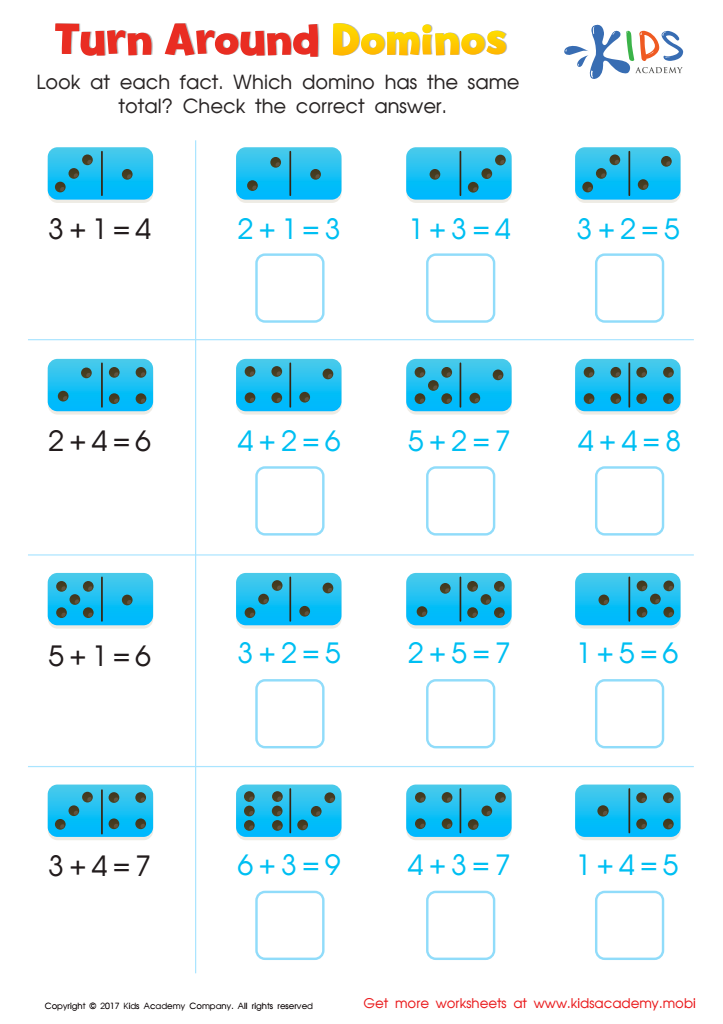
Turn Around Dominos Worksheet
 Assign to My Students
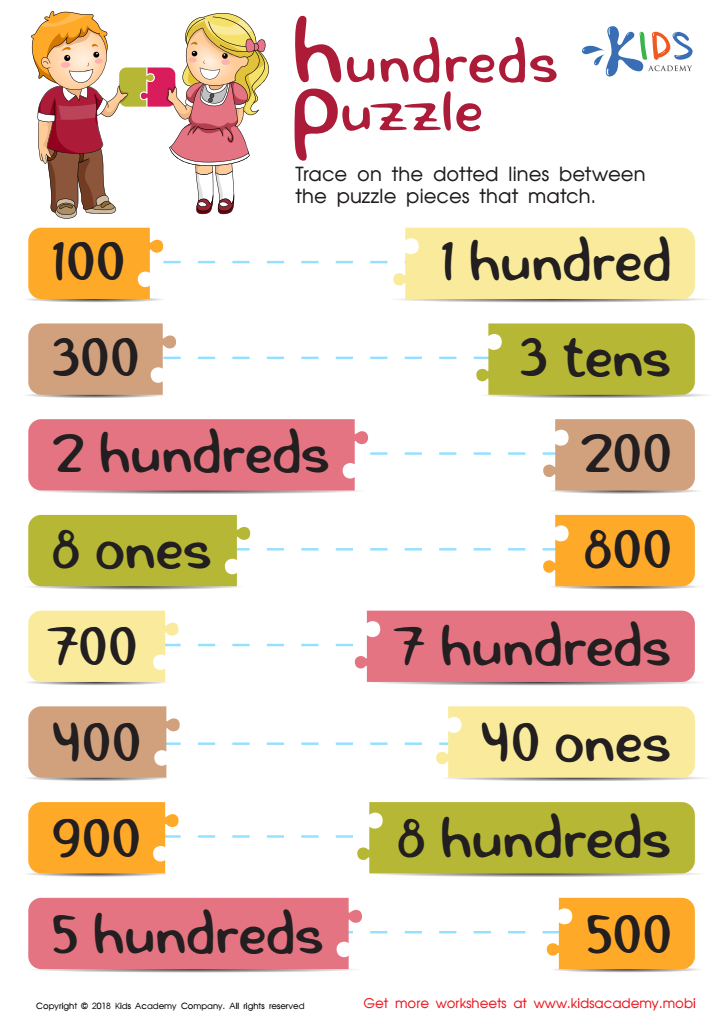
Hundreds Puzzle Worksheet
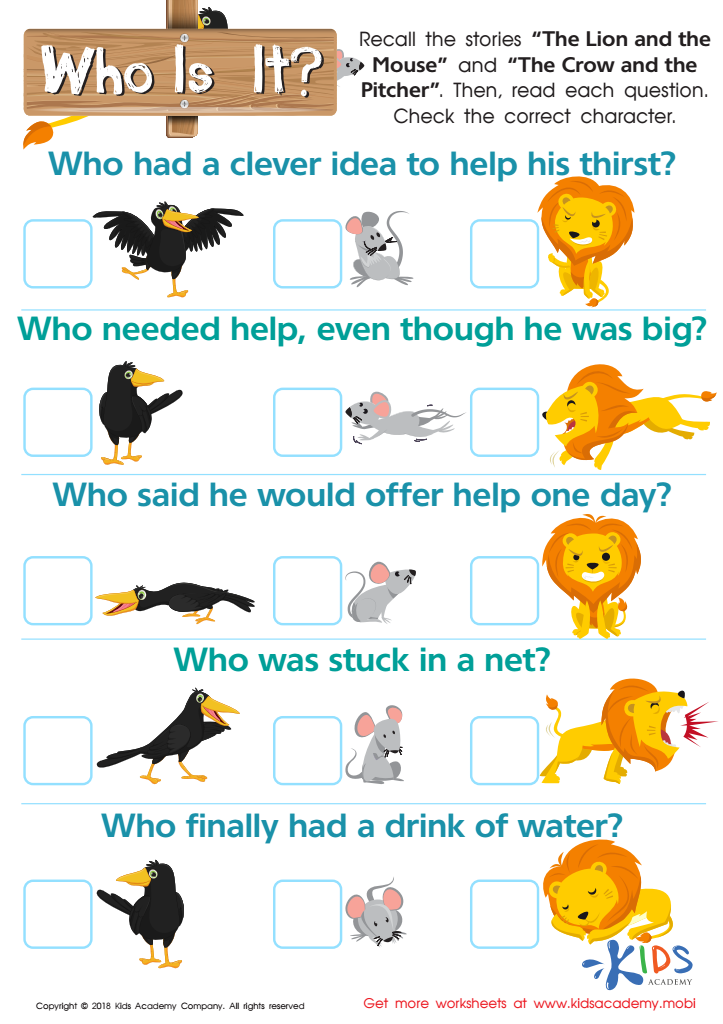
Who Is It? Worksheet
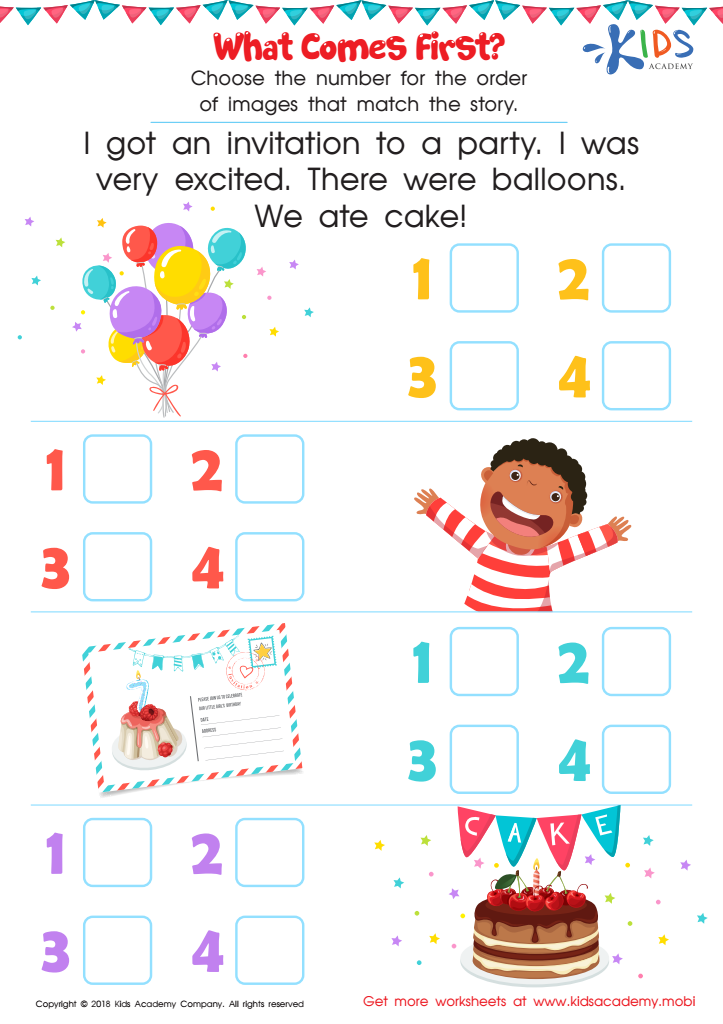
What Comes First Worksheet
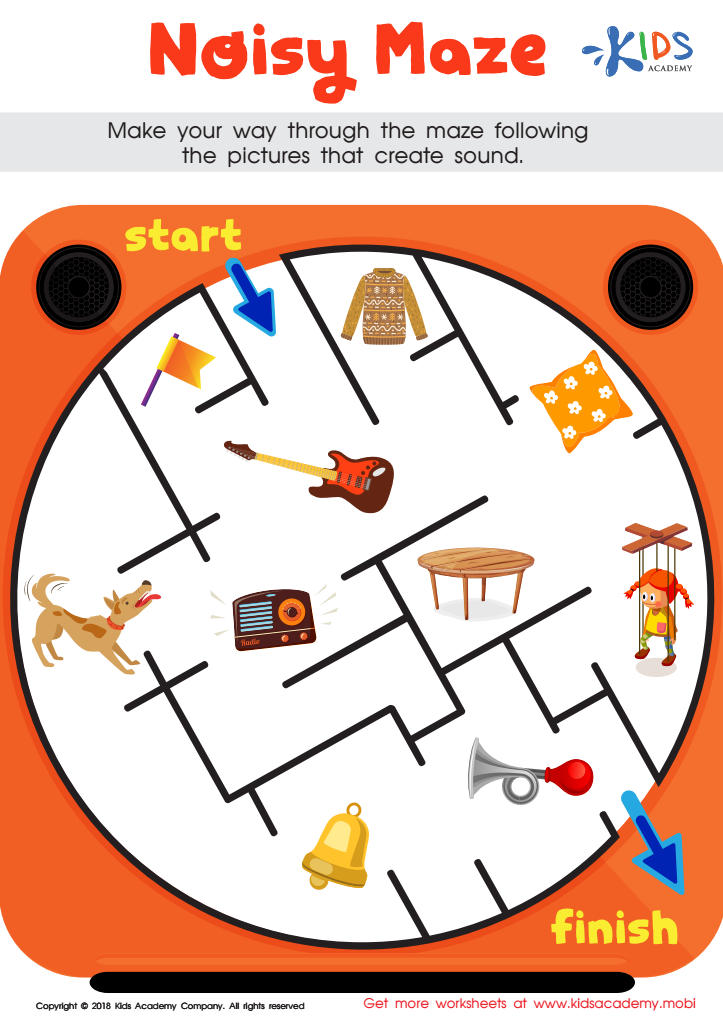
Noisy Maze Worksheet







Parents and teachers should care about fostering logical thinking in 7-year-olds because it is a crucial aspect of a child's cognitive development. At this age, children begin to move from concrete operational thinking, where they understand the world through direct manipulation of objects, to more complex problem-solving strategies. Developing logical thinking skills enables children to process information more effectively, understand cause and effect relationships, and make reasoned decisions.
By encouraging logical thinking, parents and teachers help children become better learners. These skills are the foundation for subjects like mathematics and science, which rely heavily on systematic problem-solving and critical thinking. In addition to academic benefits, logical thinking also enhances social skills. For example, children learn to resolve conflicts by understanding different perspectives and predicting possible outcomes of their actions.
Activities that promote logical thinking, such as puzzles, games, and age-appropriate challenges, also boost a child's confidence and independence. They learn to approach problems methodically, which can reduce anxiety when faced with new situations. Therefore, nurturing logical thinking in 7-year-olds sets the stage for lifelong learning, effective reasoning, and successful interpersonal interactions. This is why it is essential for both parents and teachers to actively engage in activities that develop these critical cognitive skills.








