Shape identification Normal Worksheets for 7-Year-Olds
4 filtered results
-
From - To
Shape Identification Normal Worksheets for 7-Year-Olds are designed to make learning fun and effective. Perfect for young explorers, these worksheets offer a variety of engaging activities that enhance shape recognition and spatial understanding. Students will encounter games, coloring segments, and puzzles, all tailored to build strong foundational math skills. Each worksheet is crafted to align with educational standards, ensuring a balanced approach to learning. Encourage your child's cognitive development and creativity with these expertly designed worksheets that turn learning shapes into an exciting adventure. Suitable for classroom or at-home use, they're a great resource for reinforcing essential math concepts.
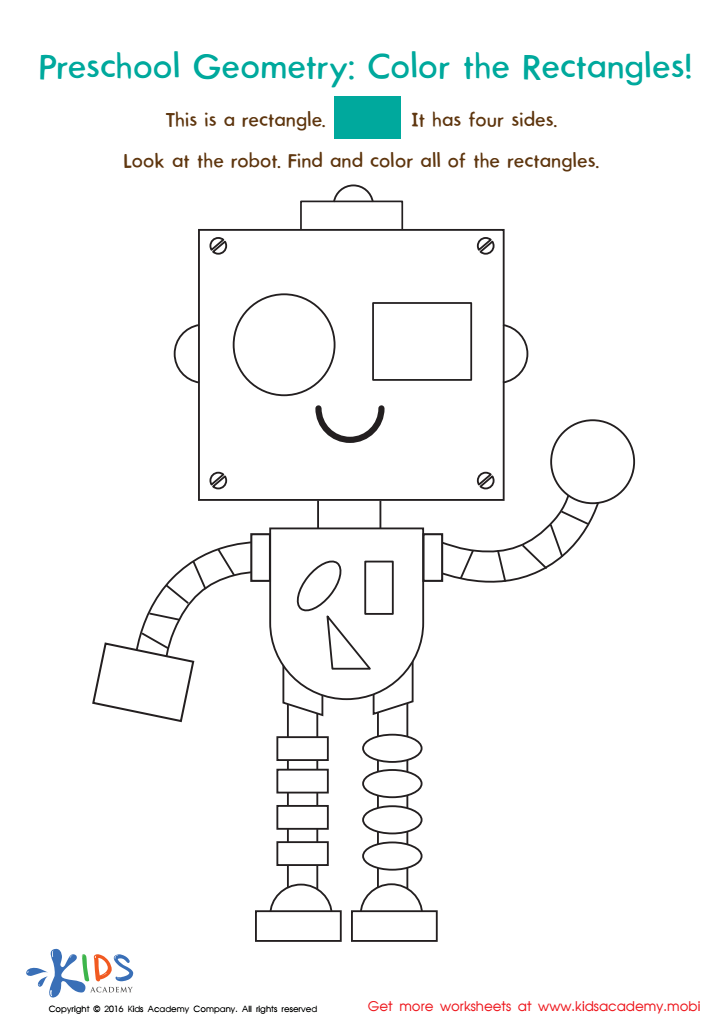
Geometry Worksheet
 Assign to My Students
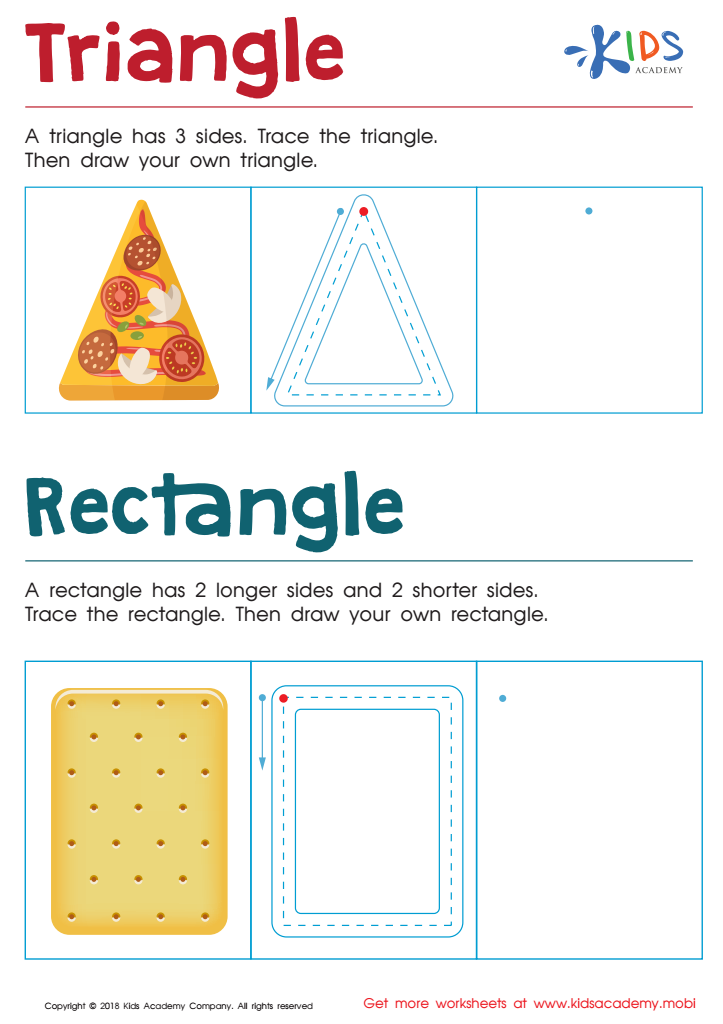
Triangle Rectangle Worksheet
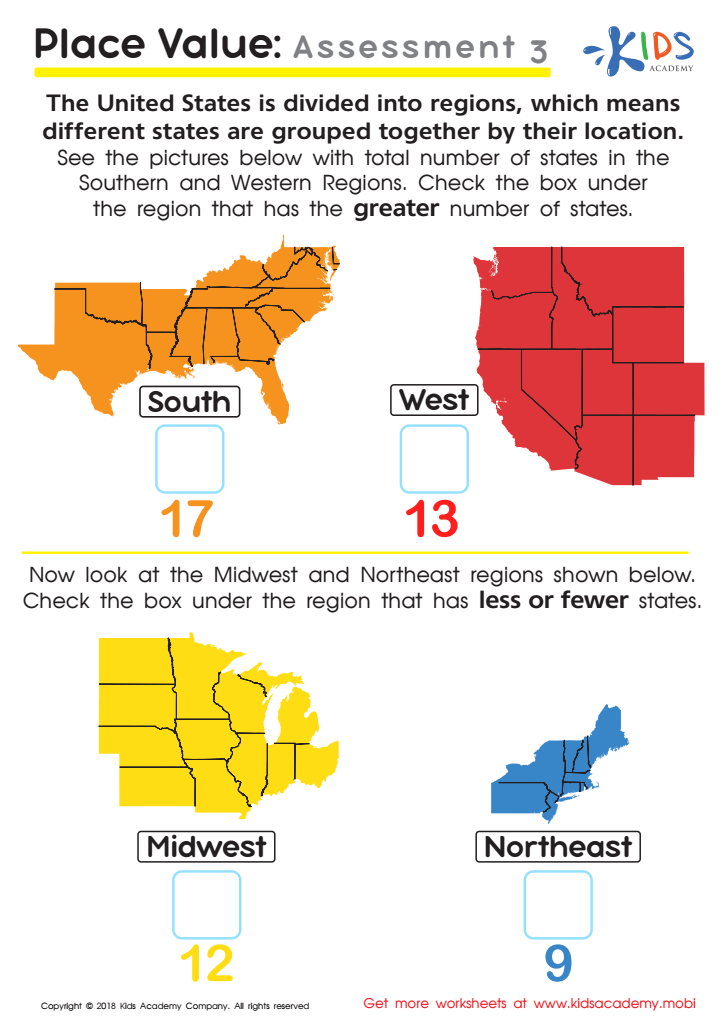
Place Value: Assessment 3 Worksheet
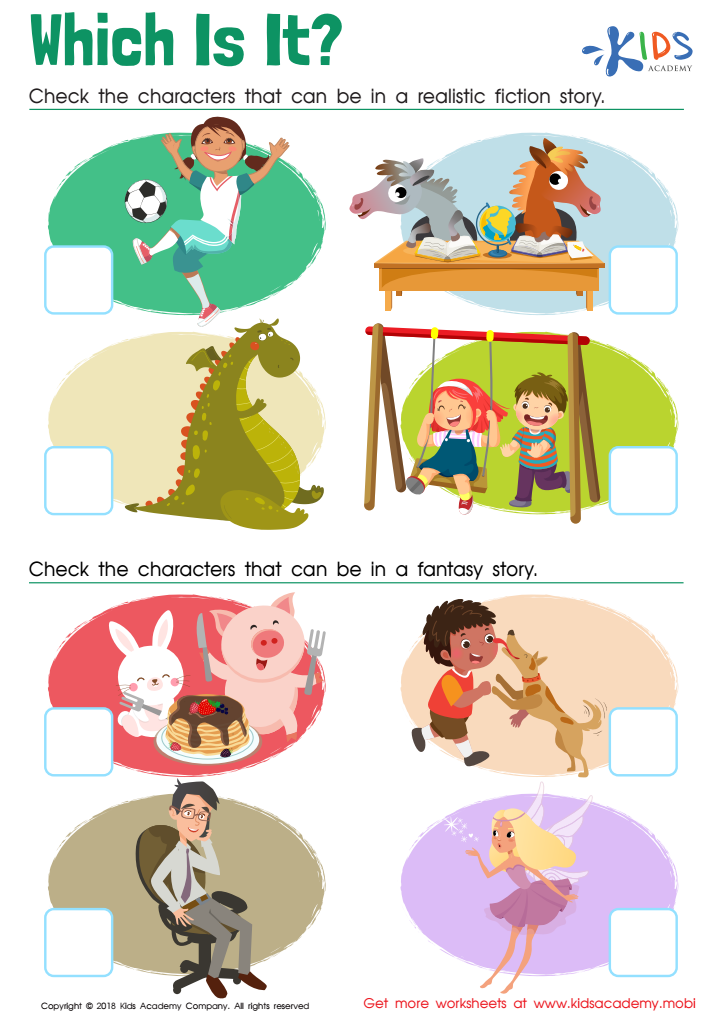
Which Is It? Worksheet





.jpg)


Shape identification is a foundational skill that serves as a building block for numerous aspects of a child's cognitive and academic development. For 7-year-olds, being able to identify shapes like circles, squares, triangles, and rectangles is pivotal for several reasons:
Firstly, understanding shapes enhances spatial awareness, an essential skill for tasks ranging from navigating physical spaces to understanding maps. This early grasp on geometry aids in everyday problem-solving and can even support future mathematical learning, as geometry concepts recur at various educational stages.
Secondly, shape recognition is closely linked to literacy skills. As children learn to identify and differentiate shapes, they are honing the ability to recognize and distinguish alphabet letters and numbers, which are essentially complex shapes themselves. This practice in visual discrimination directly supports reading and writing proficiency.
Moreover, creativity and artistic expression often stem from identifying and manipulating shapes. Through drawing and constructing with shapes, children develop fine motor skills, hand-eye coordination, and imaginative thinking.
Teachers and parents should also care because shape identification promotes logical thinking and categorization skills. Recognizing similarities and differences among shapes is an early introduction to sorting, comparing, and classifying, which are critical thinking skills used in science, math, and everyday decision-making.
In essence, shape identification is not just about learning geometry; it's a multi-faceted skill that opens doors to broader cognitive abilities and academic success, making it a worthwhile focus for educators and parents alike.








