Visual perception improvement Normal Worksheets for 7-Year-Olds
5 filtered results
-
From - To
Enhance your child's visual perception skills with our engaging worksheets designed specifically for 7-year-olds! Our carefully crafted exercises focus on improving visual processing, discrimination, and memory. Each printable worksheet features fun activities like matching, sorting, and identifying patterns, making learning enjoyable and effective. These resources will not only boost your child's cognitive development but also strengthen their attention to detail and problem-solving abilities. Perfect for home or classroom use, our visual perception improvement worksheets provide a clever way to build essential skills while keeping children entertained. Explore our collection and watch your child's confidence and abilities soar!
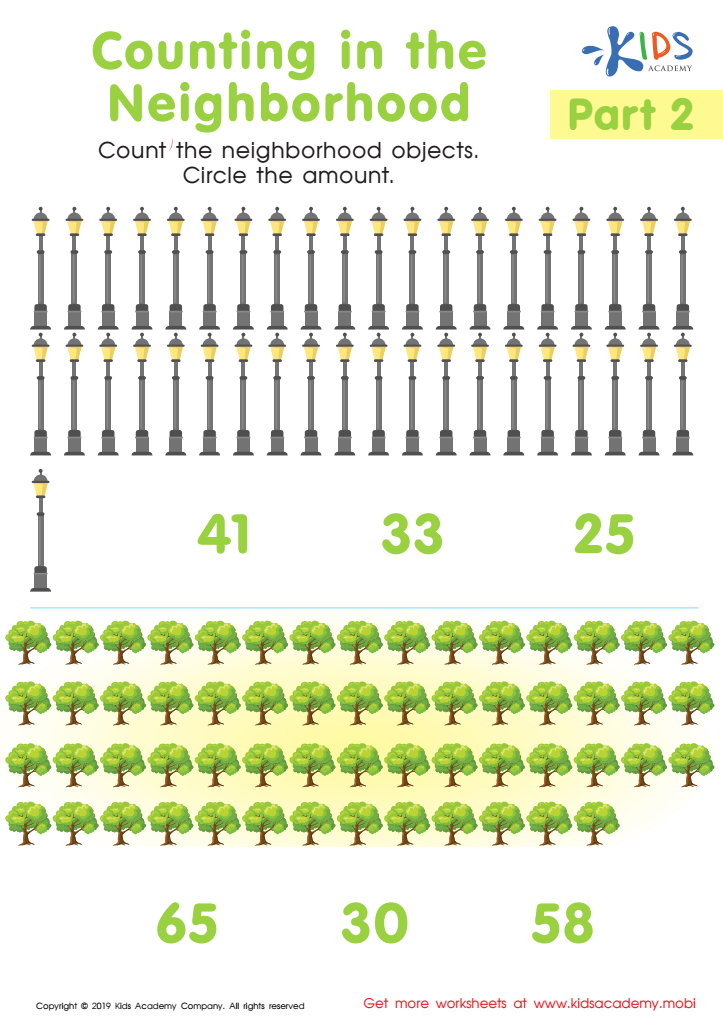
Counting In The Neighborhood Part 2 Worksheet
 Assign to My Students
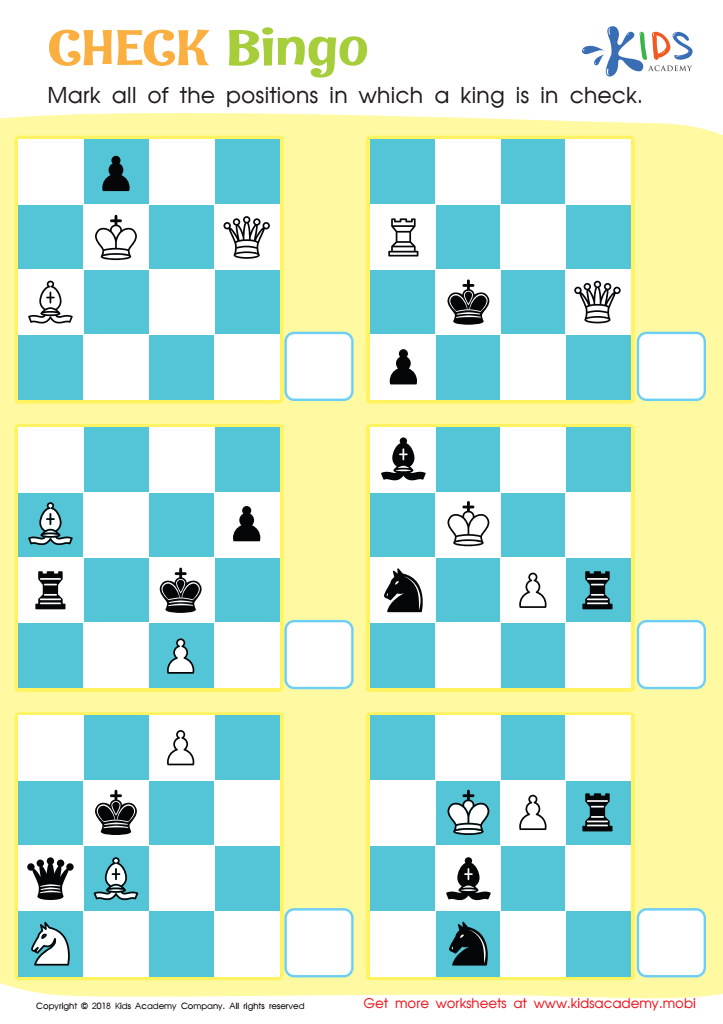
Check Bingo Worksheet
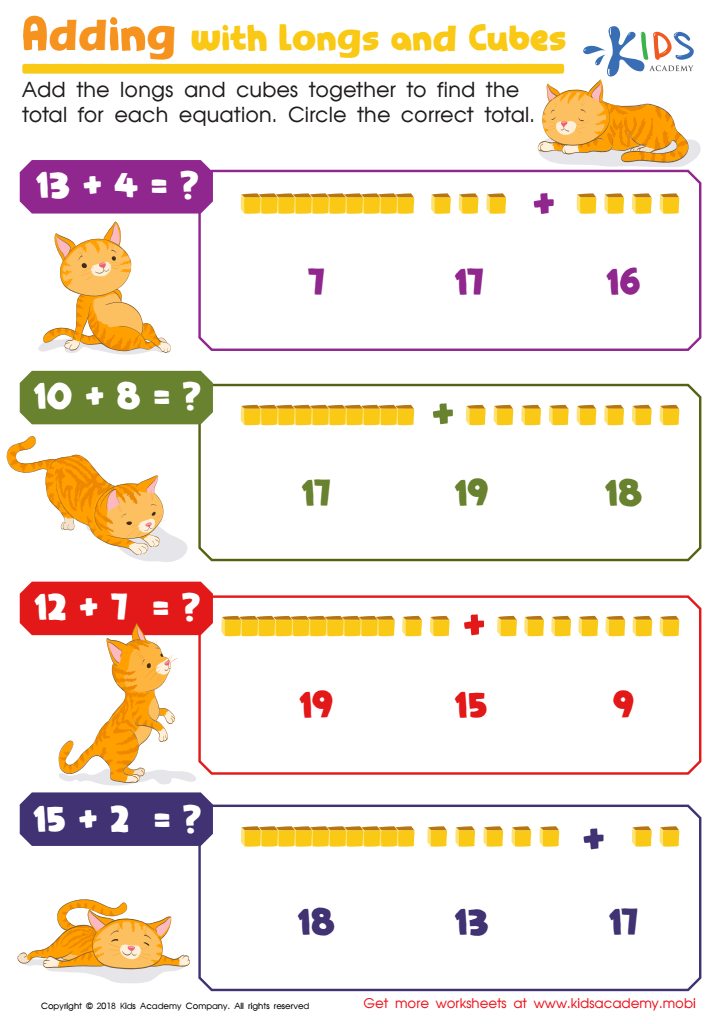
Adding With Longs and Cubes Worksheet
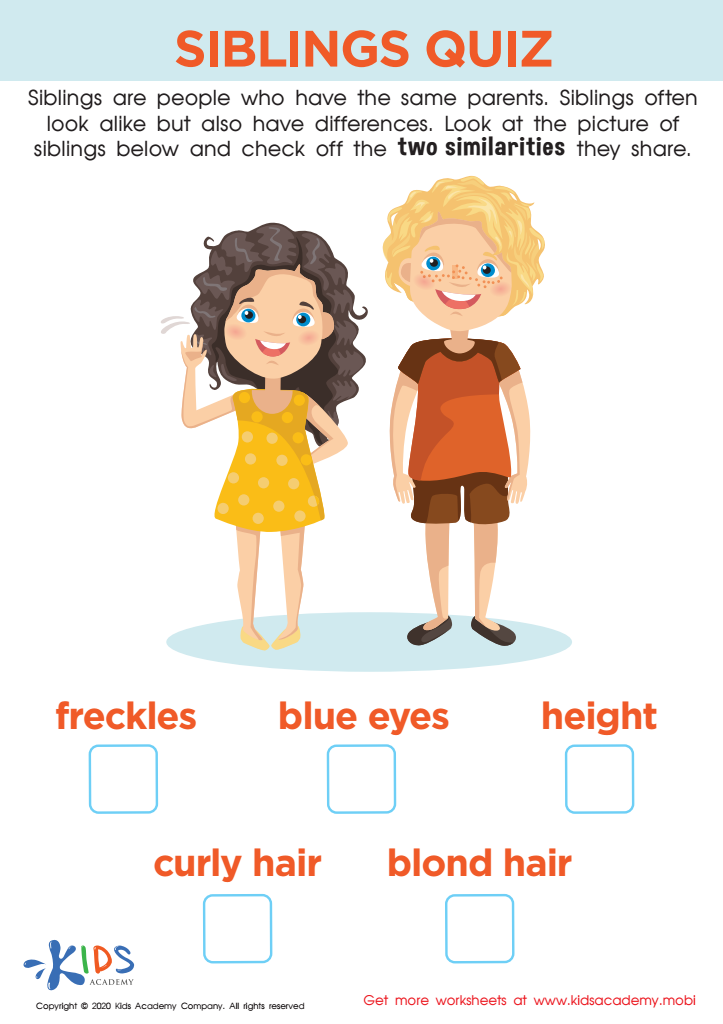
Siblings Quiz Worksheet
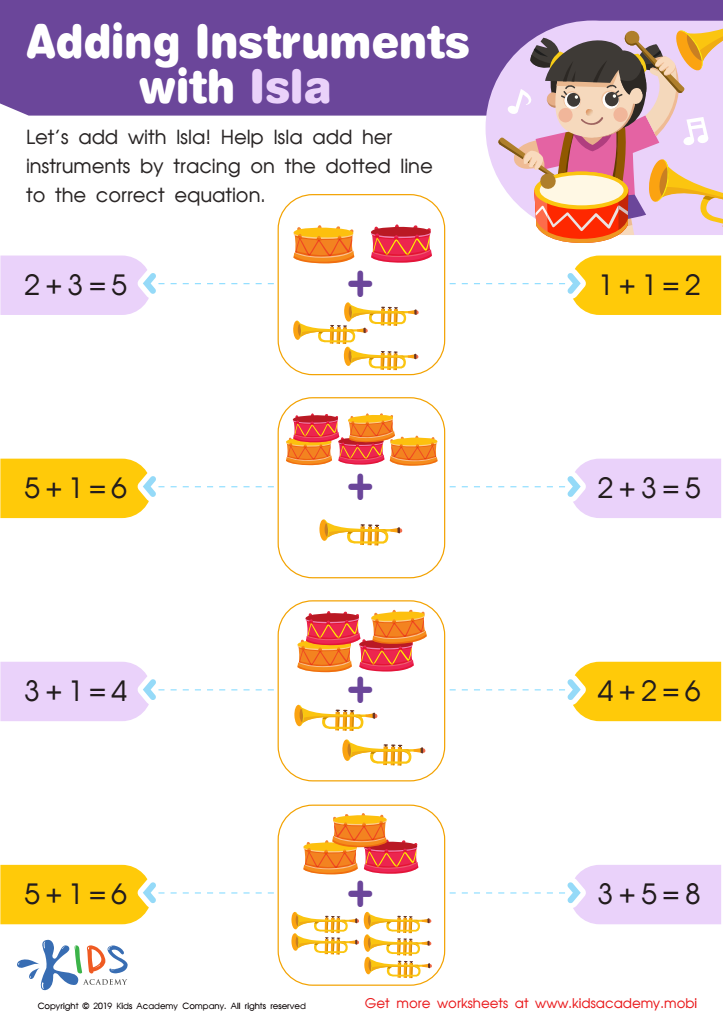
Adding Instruments with Isla Worksheet



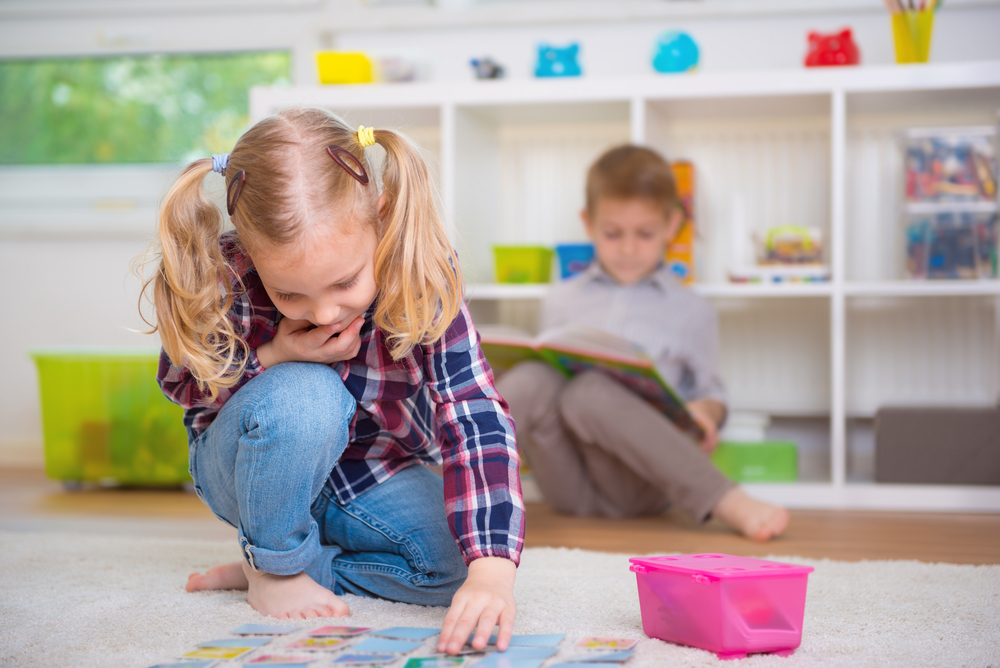

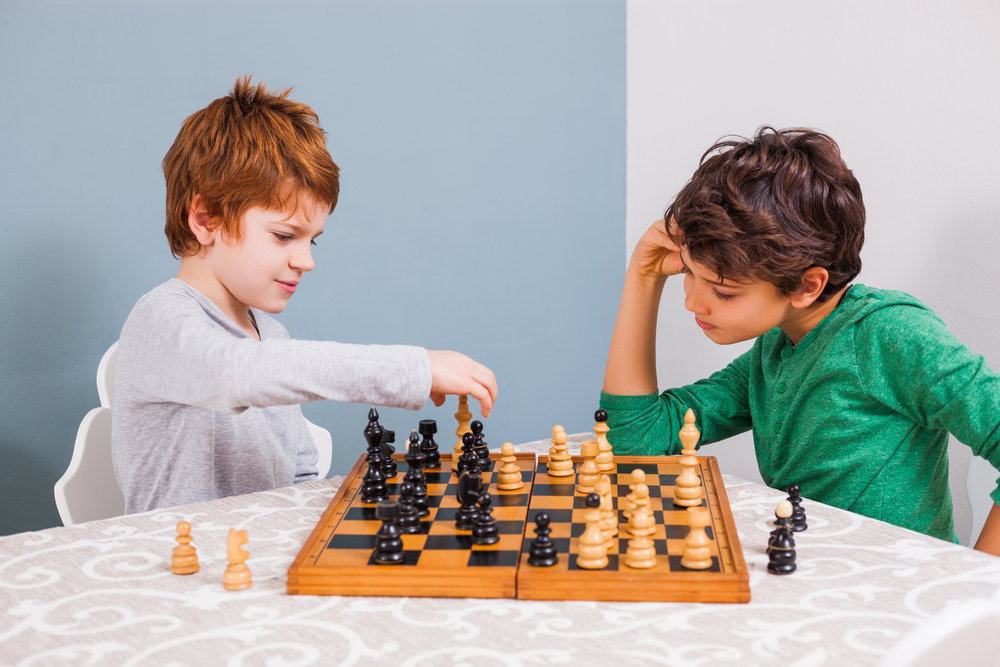

Visual perception is a crucial skill for 7-year-olds as it significantly impacts their learning and development. At this age, children begin to rely more heavily on visual information for reading, writing, and problem-solving. Improvement in visual perception helps kids better recognize shapes, determine spatial relationships, and interpret visual cues, which are essential for math and literacy skills.
Teachers and parents should care about enhancing visual perception because it can lead to more effective learning experiences. Children with strong visual perception can follow directions more accurately, understand maps and diagrams, and engage in hands-on activities with greater ease. These skills foster confidence and motivation in school, which can lead to a more positive attitude toward learning.
Moreover, children struggling with visual perception might show signs of frustration or disengagement, potentially impacting their academic performance and social interactions. By prioritizing activities and exercises that promote visual perception, parents and educators can better support children's developmental needs, laying a solid foundation for success in school and beyond. In the long run, fostering these skills helps children become more independent learners, setting them up for academic achievements and better life skills.








