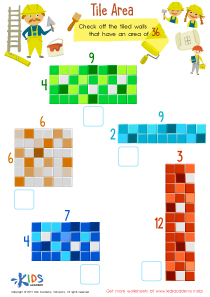
Developing math skills Normal Numbers Worksheets for 7-Year-Olds
5 filtered results
-
From - To
Enhance your child's math skills with our Developing Math Skills Normal Numbers Worksheets designed specifically for 7-year-olds. These engaging worksheets provide a fun and interactive way to build foundational math knowledge, including number recognition, counting, and basic operations. Tailored to meet the learning needs of early learners, our activities foster critical thinking and problem-solving abilities. Parents and educators can easily incorporate these worksheets into daily practice or classroom lessons to boost confidence and reinforce understanding. Explore a variety of colorful and captivating exercises that will ensure your child is well-equipped for future math challenges. Start their math journey today!
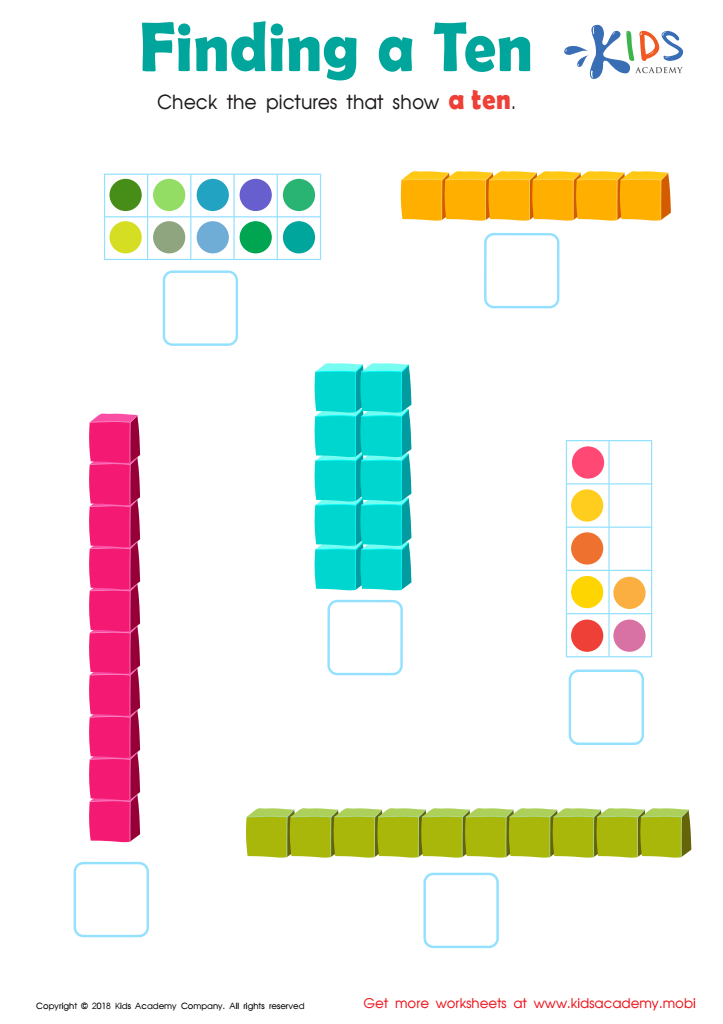
Finding a Ten Worksheet
 Assign to My Students
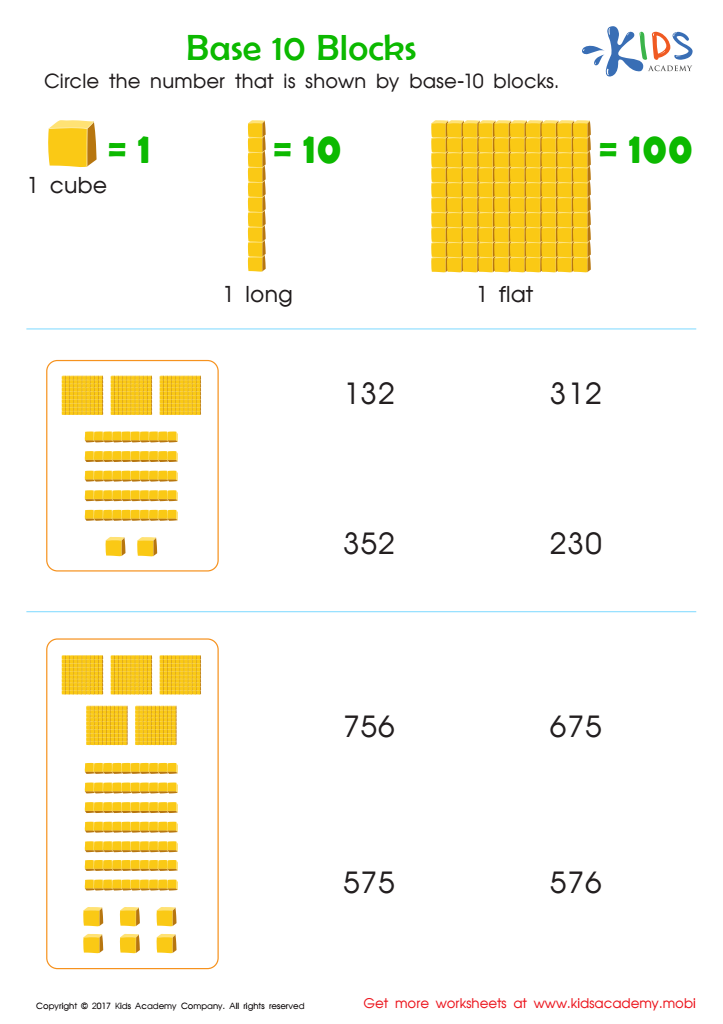
Base Ten Blocks Worksheet
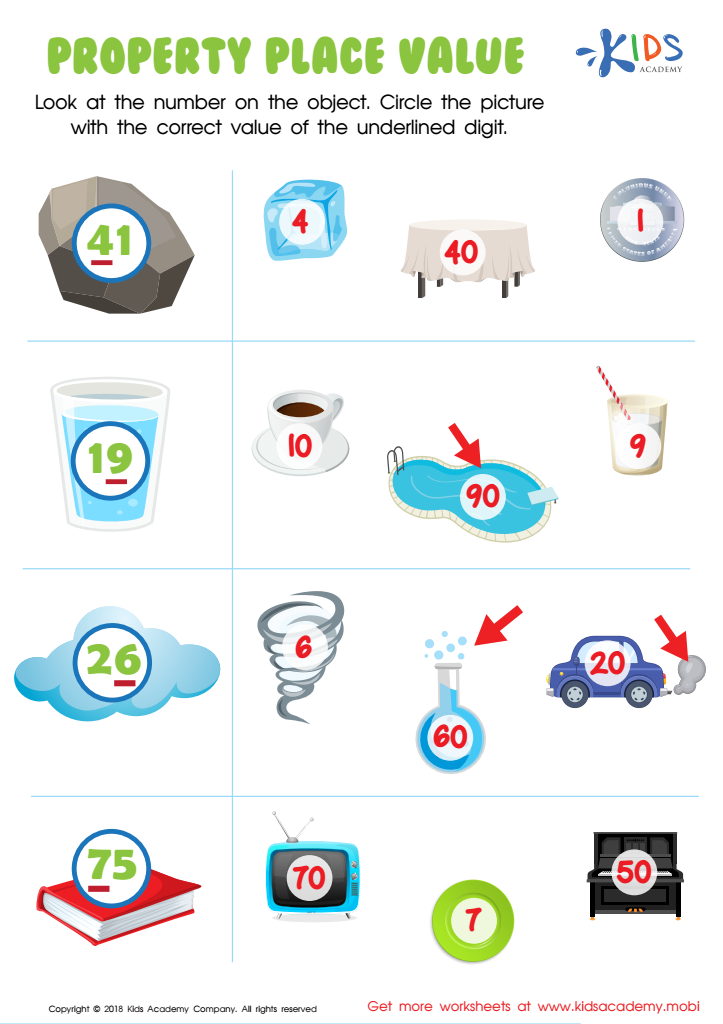
Property Place Value Worksheet
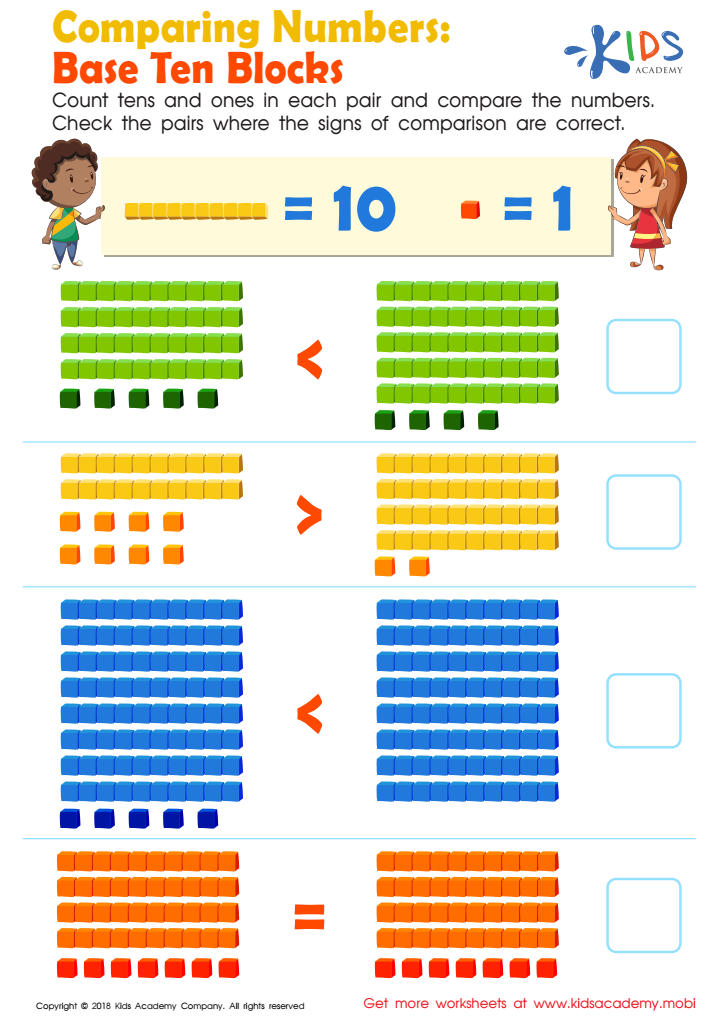
Comparing Numbers: Base Ten Blocks Worksheet
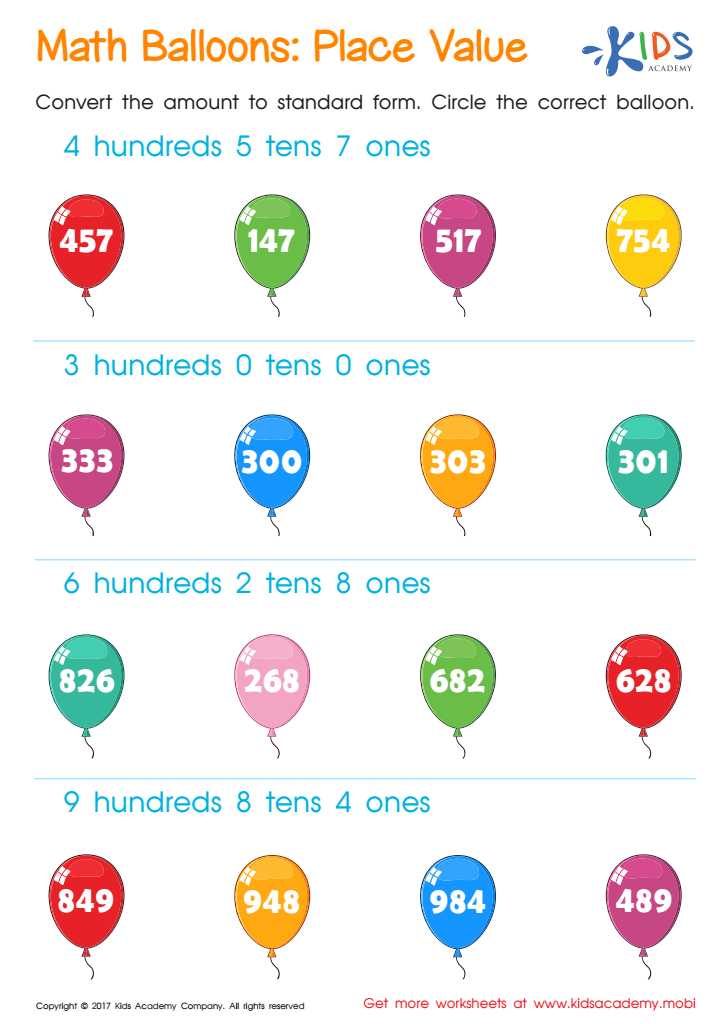
Place Value Printable Worksheet





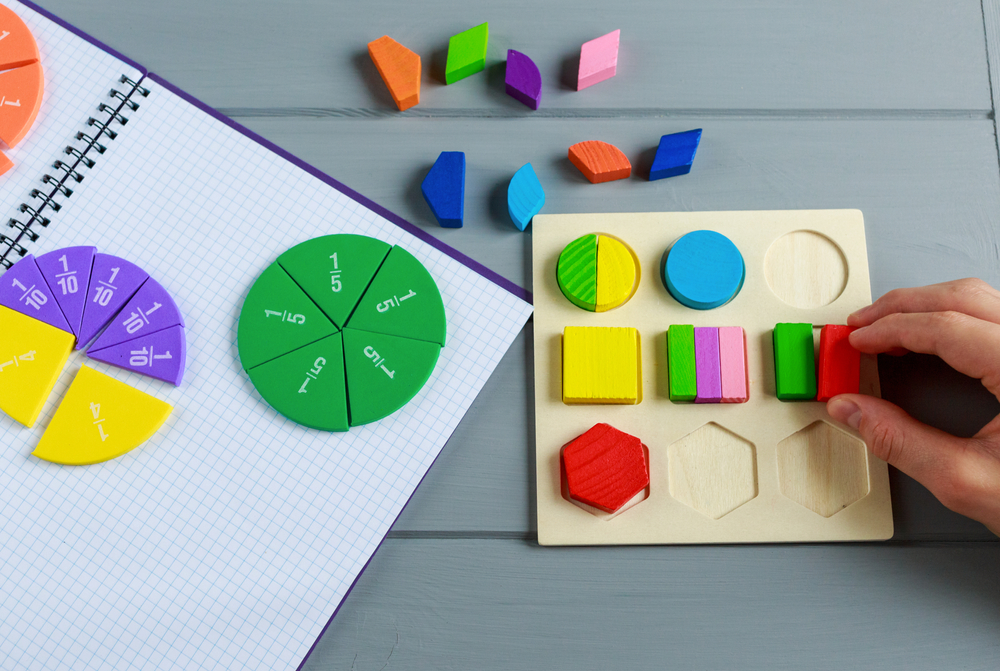
.jpg)

Developing math skills, particularly in understanding normal numbers, is essential for 7-year-olds as it lays the foundation for their future learning and everyday life. This stage is critical, as children are transitioning from basic counting to more complex numerical concepts. Learning about normal numbers—those that appear in everyday contexts, such as counting, measuring, and comparing—helps children build a solid understanding of quantities, patterns, and relationships.
Parents and teachers should prioritize these skills because they encourage logical thinking, problem-solving abilities, and boost confidence in math. Proficiency in math at this age enhances not only academic performance but also supports cognitive development. Furthermore, fostering a love for math can combat anxieties that many children develop as they progress in school.
Additionally, strong math skills are vital for success in higher education and various careers later in life. By nurturing this foundation early on, caregivers can inspire curiosity and resilience. Engaging children in math through games, real-life applications, and discussions about numbers can help make learning enjoyable and relevant, setting them on a path to becoming capable and confident learners. Ultimately, early math skills empower children not just for school, but also for daily decision-making and responsibilities.