Handwriting practice Normal Math Worksheets for 7-Year-Olds
4 filtered results
-
From - To
Discover our collection of Handwriting Practice Normal Math Worksheets tailored for 7-year-olds at Kids Academy! Designed to enhance both math and handwriting skills, these worksheets make learning fun and engaging. Each sheet seamlessly blends mathematical exercises with handwriting practice, strengthening young learners' numerical understanding, fine motor skills, and penmanship. Perfect for classroom activities or at-home practice, our worksheets provide a well-rounded educational experience. Visit our page to explore a variety of worksheets that foster critical thinking and precision in every young mathematician. Enhance your child's learning journey today with Kids Academy!
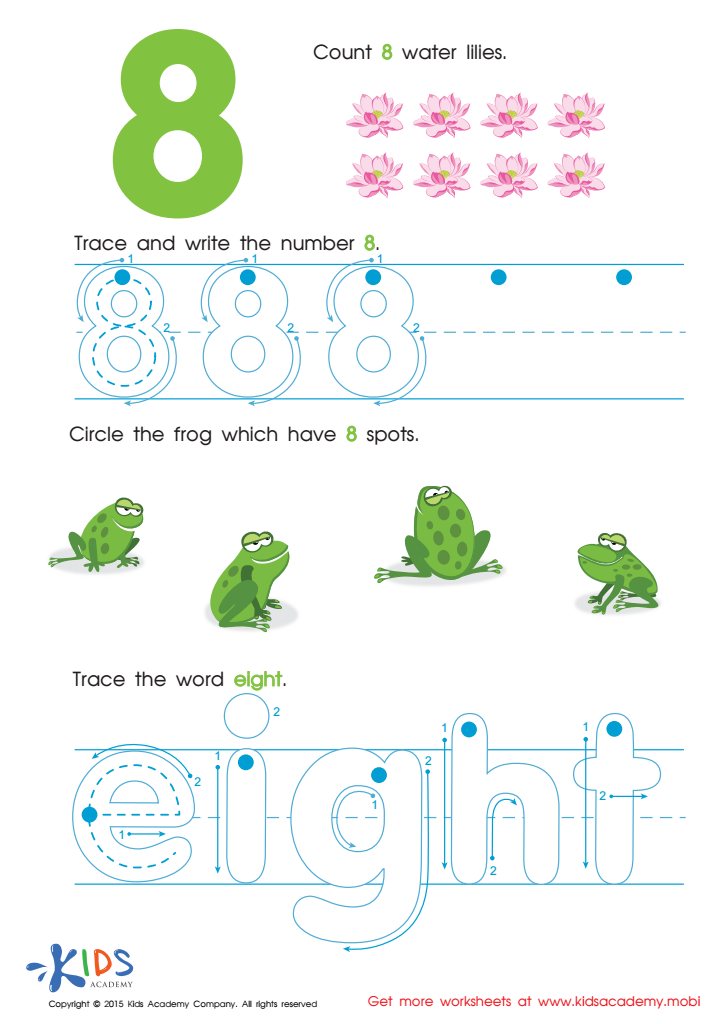
Learn Number 8 Easily Worksheet
 Assign to My Students
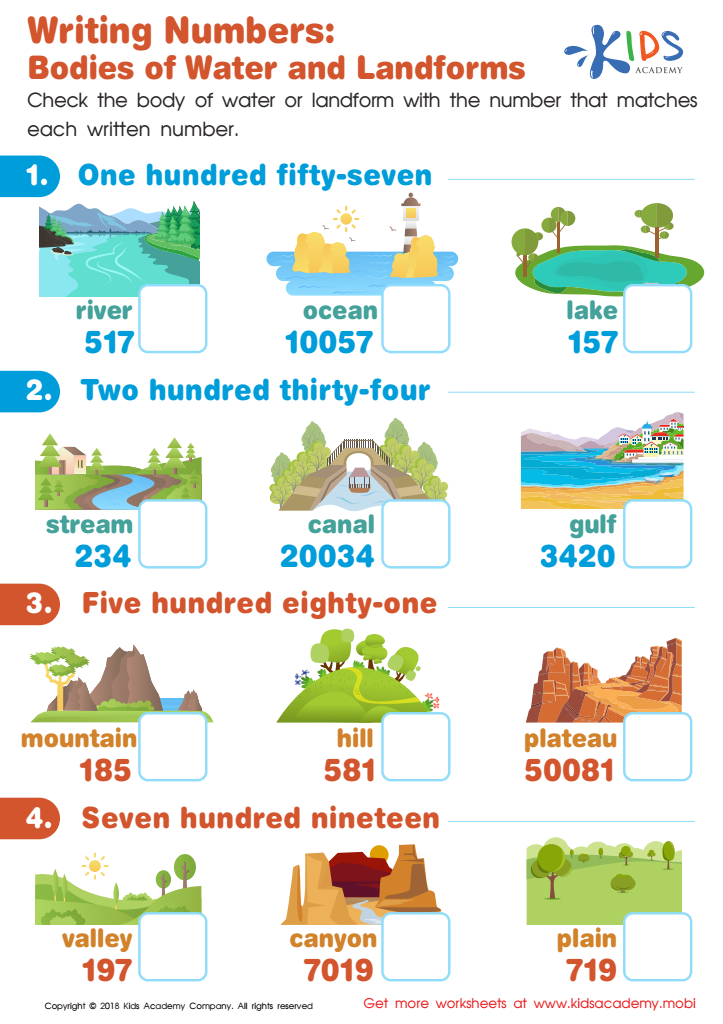
Bodies of Water and Landforms Writing Numbers Worksheet
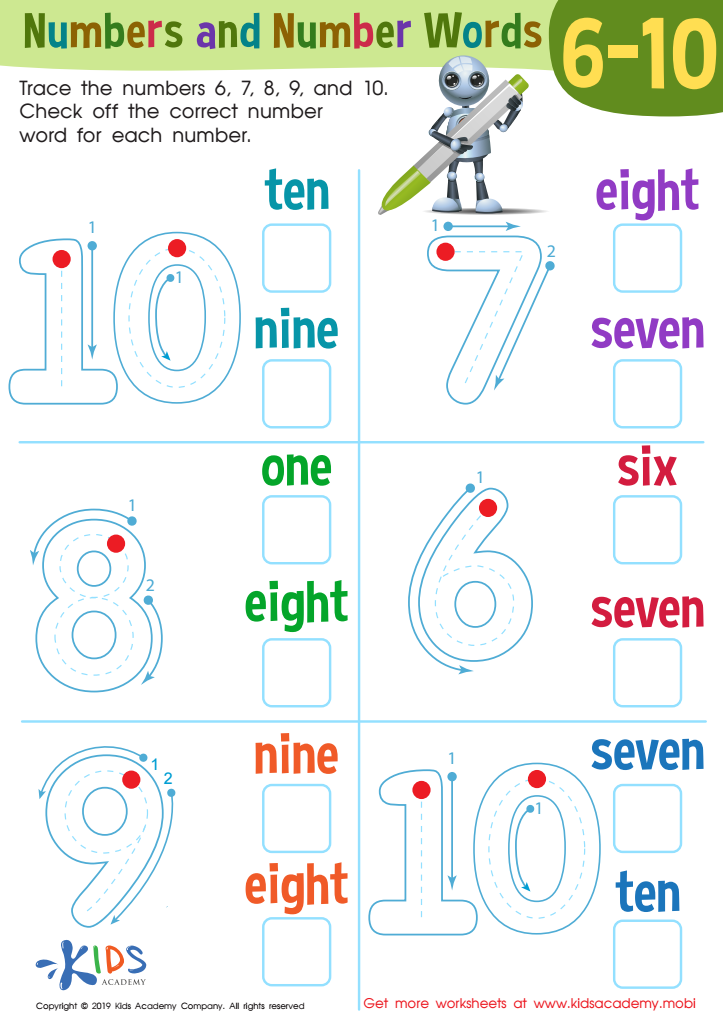
Numbers and Number Words 6–1 Worksheet
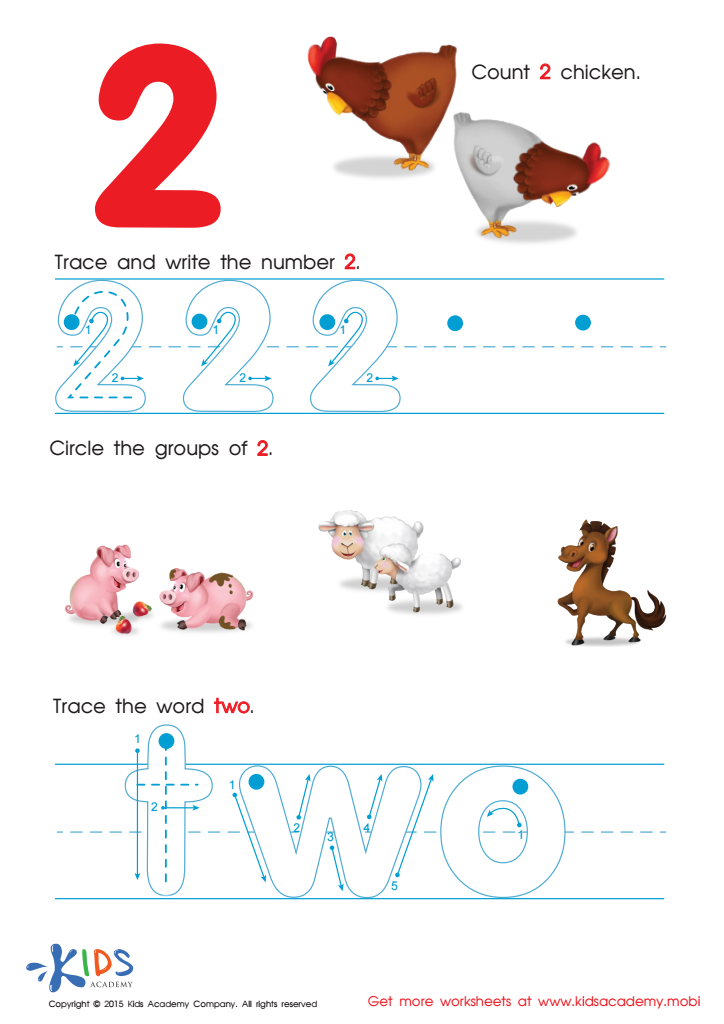
Learn to Write the Number 2 Worksheet





.jpg)

Handwriting practice in conjunction with learning normal math is crucial for 7-year-olds and should be a key focus for both parents and teachers. At this age, children are honing their fine motor skills and developing the neural pathways essential for effective learning. Practicing handwriting not only improves their ability to write legibly but also aids in cognitive development. The act of writing helps reinforce memory, making it easier for children to recall information and grasp concepts more effectively.
Normal math, which includes basic addition, subtraction, and understanding numbers, serves as the foundation for future mathematical learning. When children combine handwriting practice with math exercises, they are likely to gain better number sense and problem-solving skills. Writing out math problems and solutions helps solidify understanding and builds discipline. Teachers observe a stronger hand-eye coordination and better academic performance when children consistently practice handwriting and math together.
Furthermore, clear handwriting ensures that students can communicate their thoughts and solutions effectively, preventing any misunderstandings that poor penmanship might cause. In an increasingly digital world, the foundational skills of good handwriting and basic math are often underestimated, but their importance remains critical. They set the groundwork for more complex academic tasks and everyday problem-solving, making it essential for parents and teachers to prioritize these practices.








