Fine Motor Skills Normal Tracing Numbers Worksheets for 7-Year-Olds
3 filtered results
-
From - To
Help your 7-year-old perfect their fine motor skills with our engaging tracing numbers worksheets! Tailored specifically for young learners, these worksheets provide a fun and educational way to practice writing numbers accurately. Each sheet offers ample tracing activities designed to reinforce number recognition, enhance hand-eye coordination, and improve overall handwriting. Perfect for supplemental learning at home or in the classroom, our easy-to-use printables ensure children enjoy their practice while developing crucial pre-writing skills. Transform number learning into an exciting journey with our expertly crafted tracing worksheets, fostering both confidence and competency in young students!
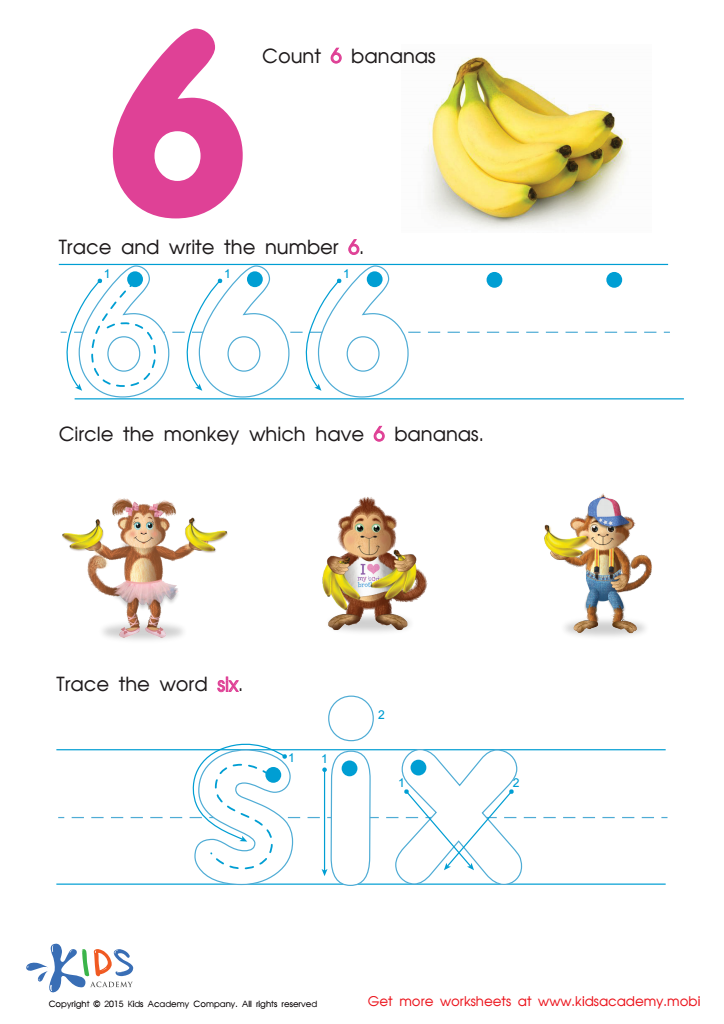
Tracing And Writing Number 6 Worksheet
 Assign to My Students
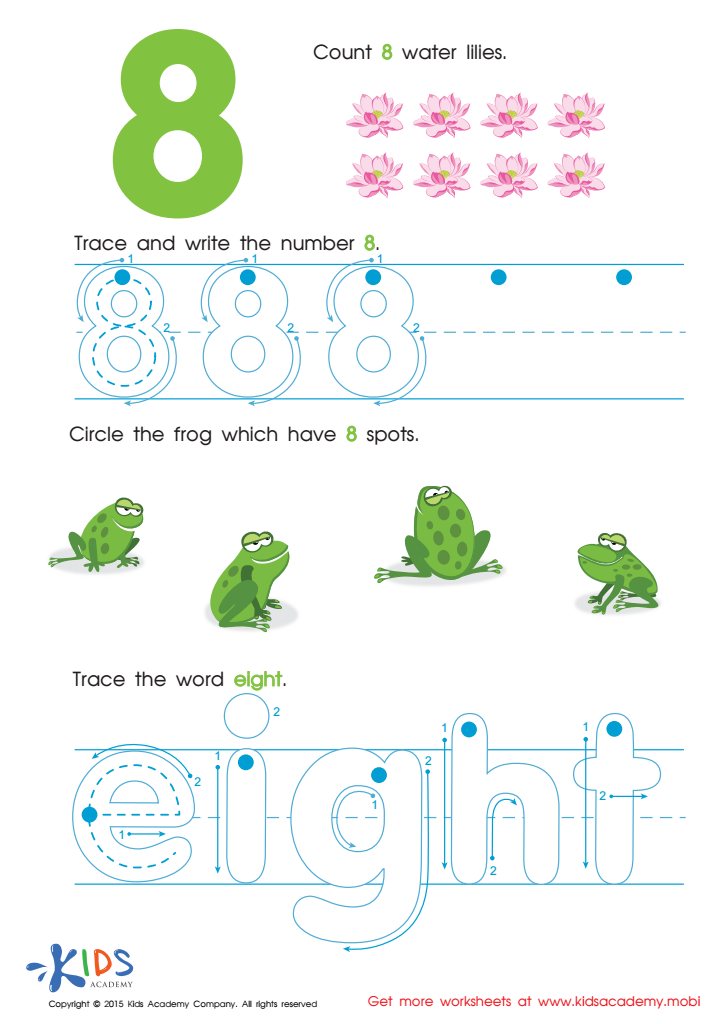
Learn Number 8 Easily Worksheet
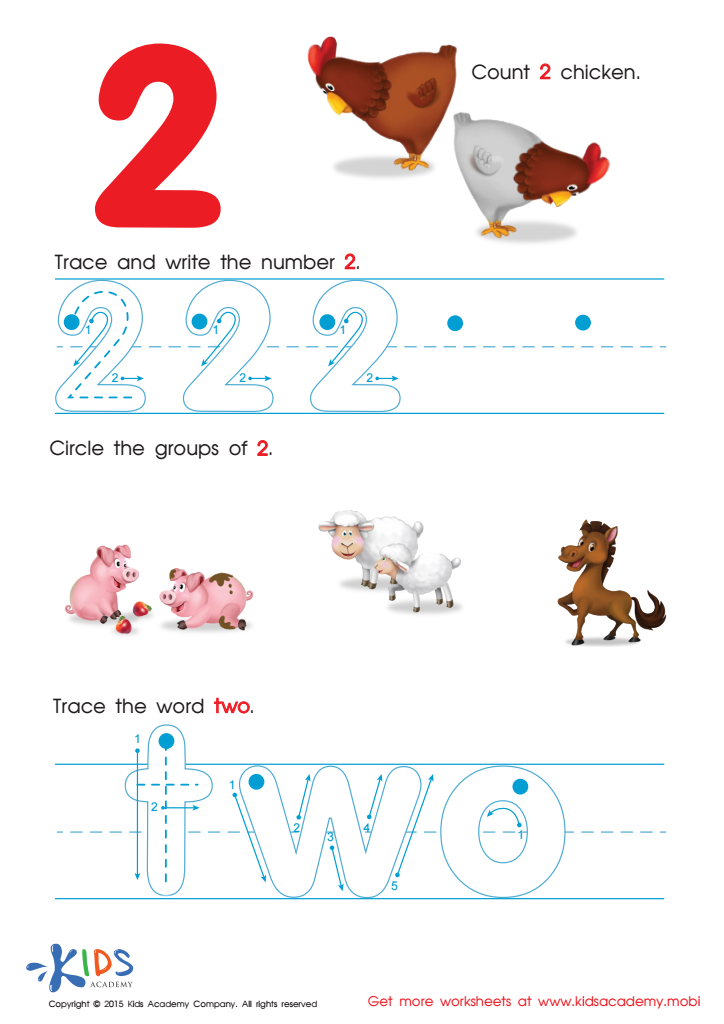
Learn to Write the Number 2 Worksheet








Fine motor skills refer to the coordination of small muscles, usually involving the synchronization of hands and fingers with the eyes. At the age of seven, children are at a critical stage of development where enhancing these skills is especially vital. For parents and teachers, focusing on fine motor tasks such as tracing numbers can greatly benefit a child's overall growth.
Practicing tracing numbers enhances hand-eye coordination, which is essential for writing, drawing, and other classroom activities. Improved fine motor skills lead to better pencil grip, writing endurance, and legibility—all key components of academic success. Additionally, these skills play a crucial role in daily life activities, such as buttoning clothes or tying shoelaces, thus promoting independence and self-confidence.
Engaging in tracing activities also fosters cognitive development. It helps children recognize number shapes, improves memory, and strengthens mathematical foundations. Tracing numbers can be particularly instrumental in understanding the concept of quantities and sequencing, setting the stage for more advanced math skills.
Moreover, tracing activities present an enjoyable and low-stress way for children to practice precision, concentration, and patience. These exercises can be woven into playful and collaborative learning scenarios, ensuring that children find joy in skill-building. Investing time in developing fine motor skills through such activities equips children with essential tools for succeeding both academically and in everyday tasks.