Counting practice Normal Worksheets for Ages 8-9
15 filtered results
-
From - To
Enhance your child's counting skills with our engaging counting practice worksheets designed for ages 8-9. These normal worksheets provide a fun and effective way for young learners to develop essential math abilities while reinforcing their number recognition and counting proficiency. Packed with a variety of exercises, from counting objects to completing number sequences, each worksheet aims to challenge and motivate children at this critical learning stage. Ideal for both classroom and home practice, our counting practice worksheets ensure a comprehensive understanding of numbers, setting a solid foundation for future mathematical success. Download and print now for enjoyable and educational practice!
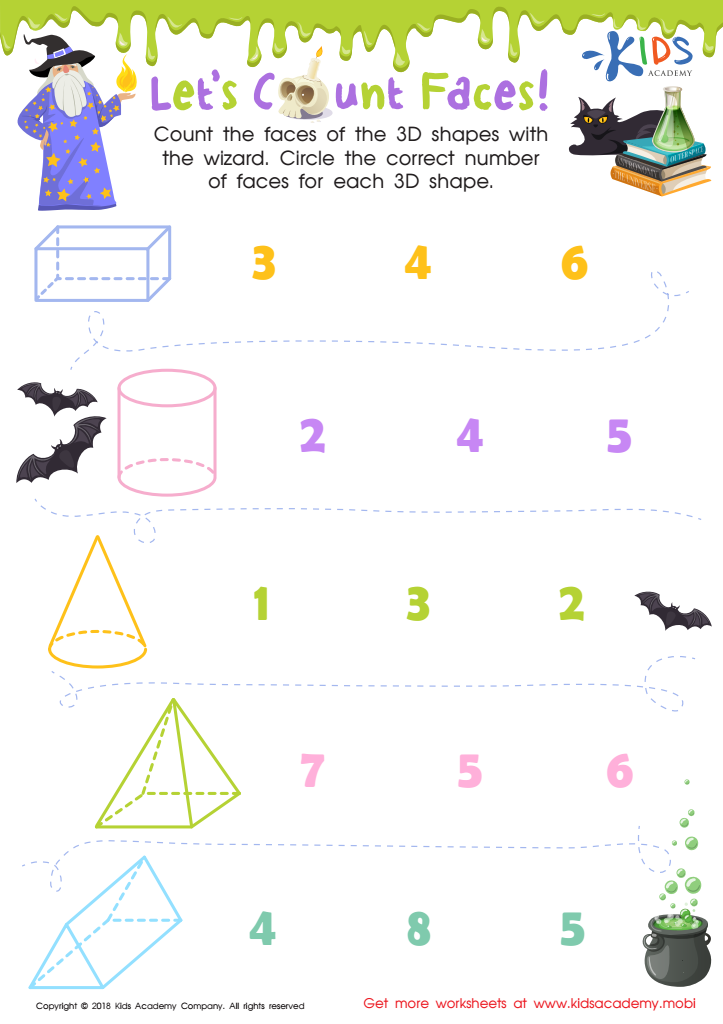
Let's Count Faces! Worksheet
 Assign to My Students
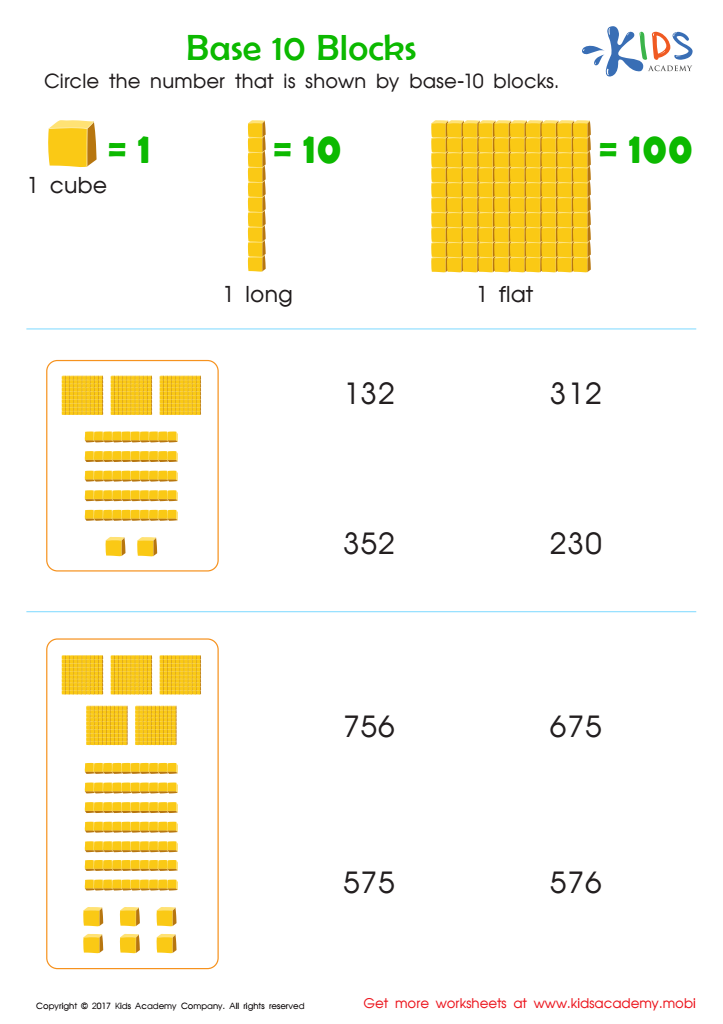
Base Ten Blocks Worksheet
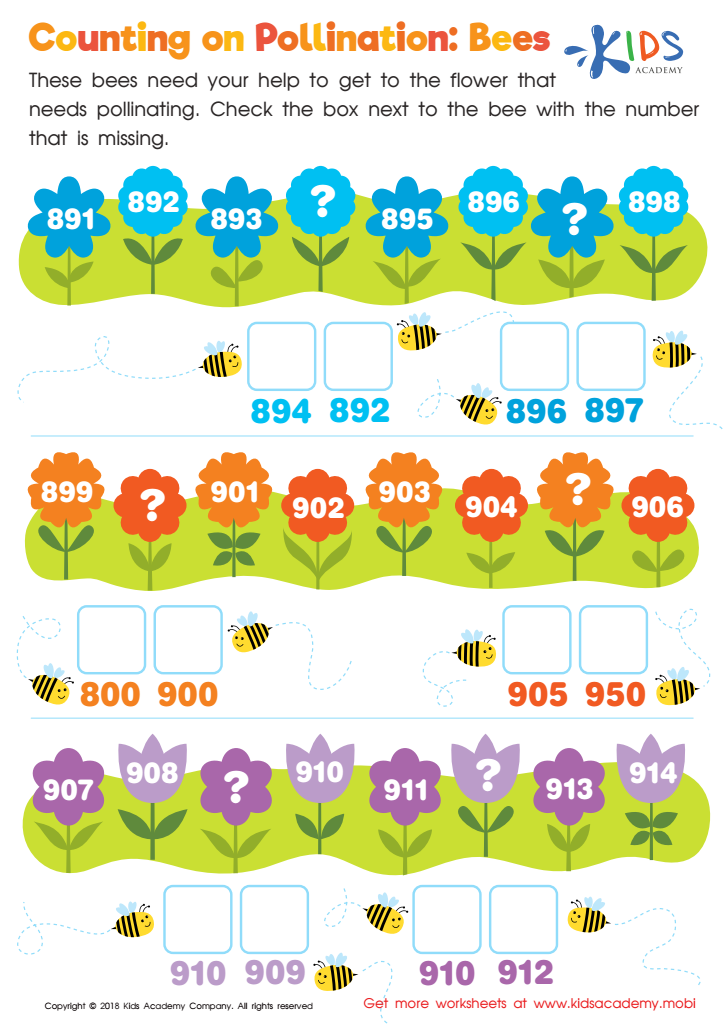
Counting on Pollination: Bees Worksheet
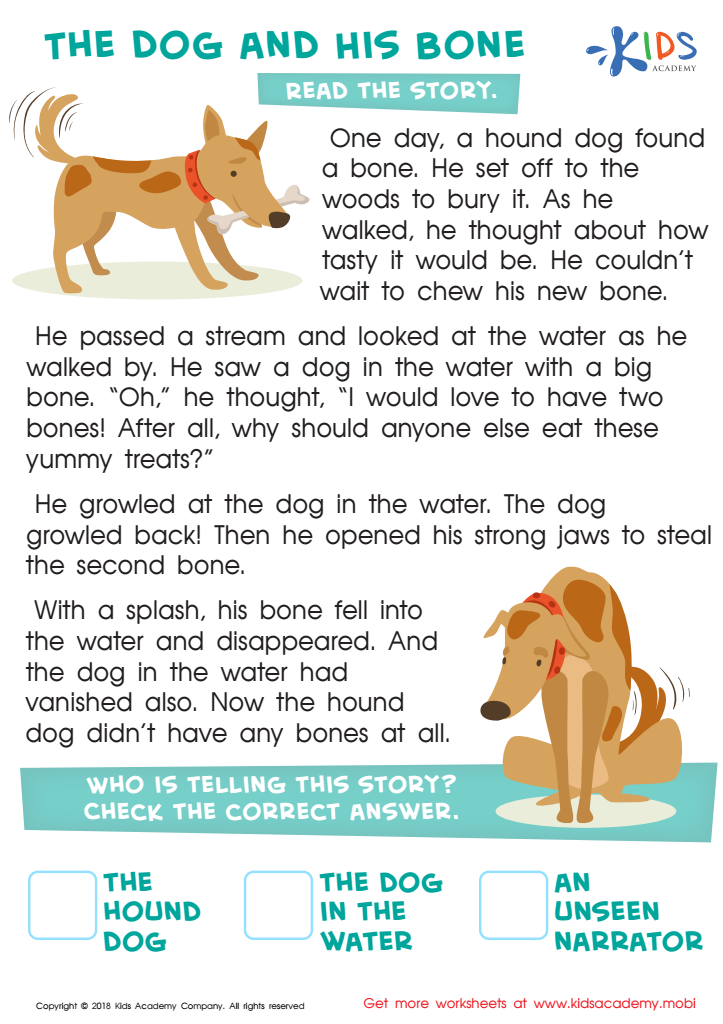
The Dog and His Bone Worksheet
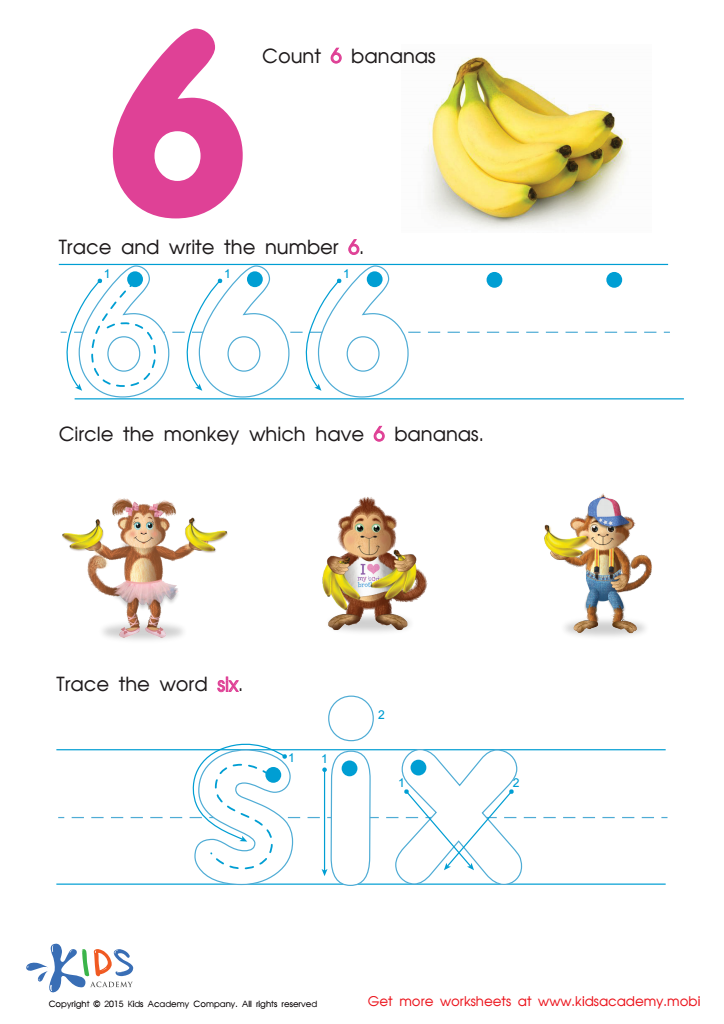
Tracing And Writing Number 6 Worksheet
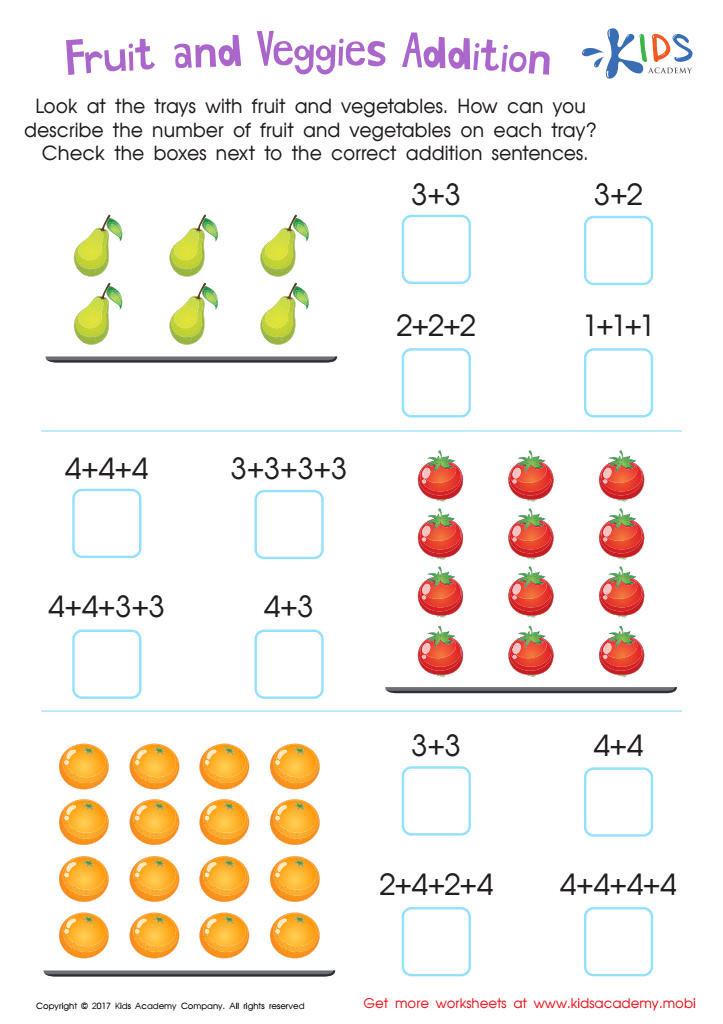
Fruit and Veggies Worksheet
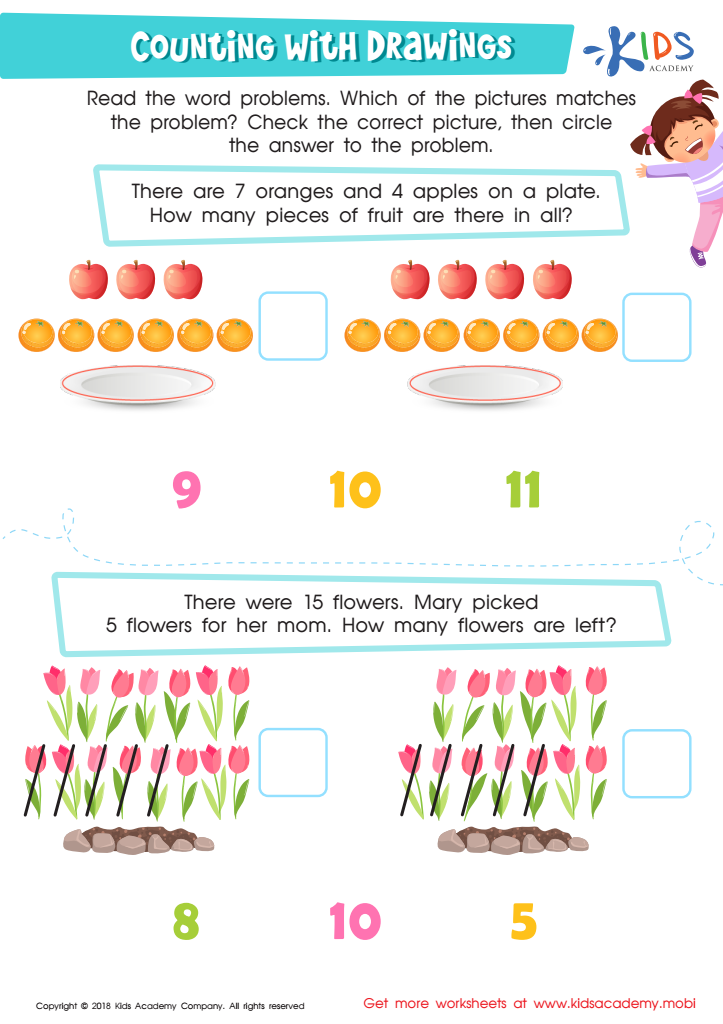
Counting with Drawings: Fruits & Chocolates Worksheet
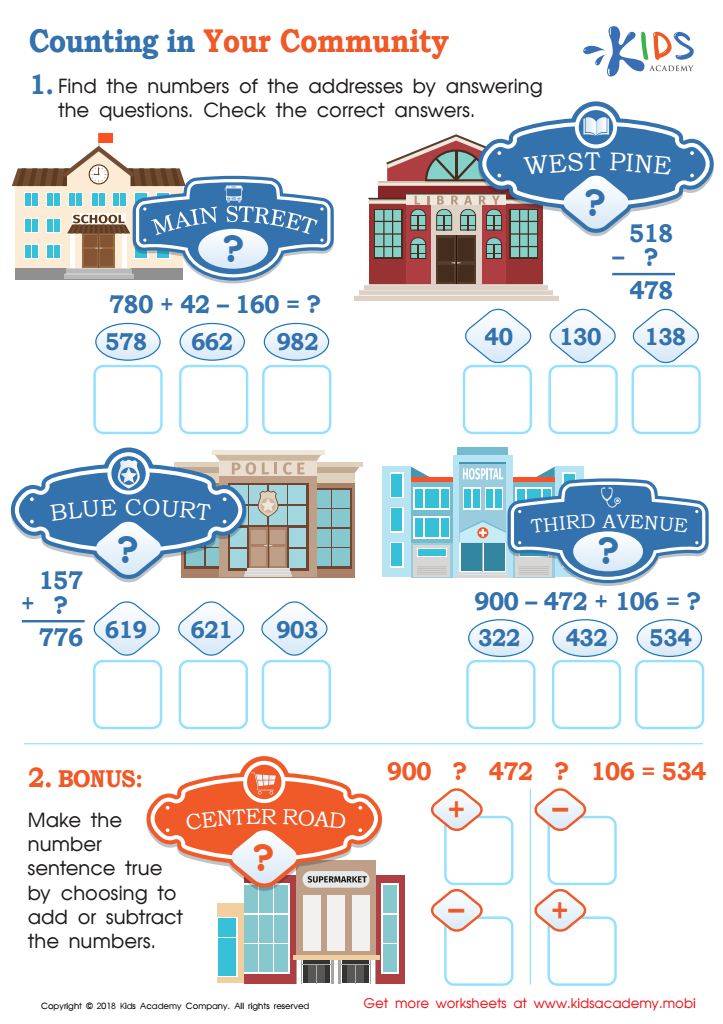
Counting in Your Community Worksheet
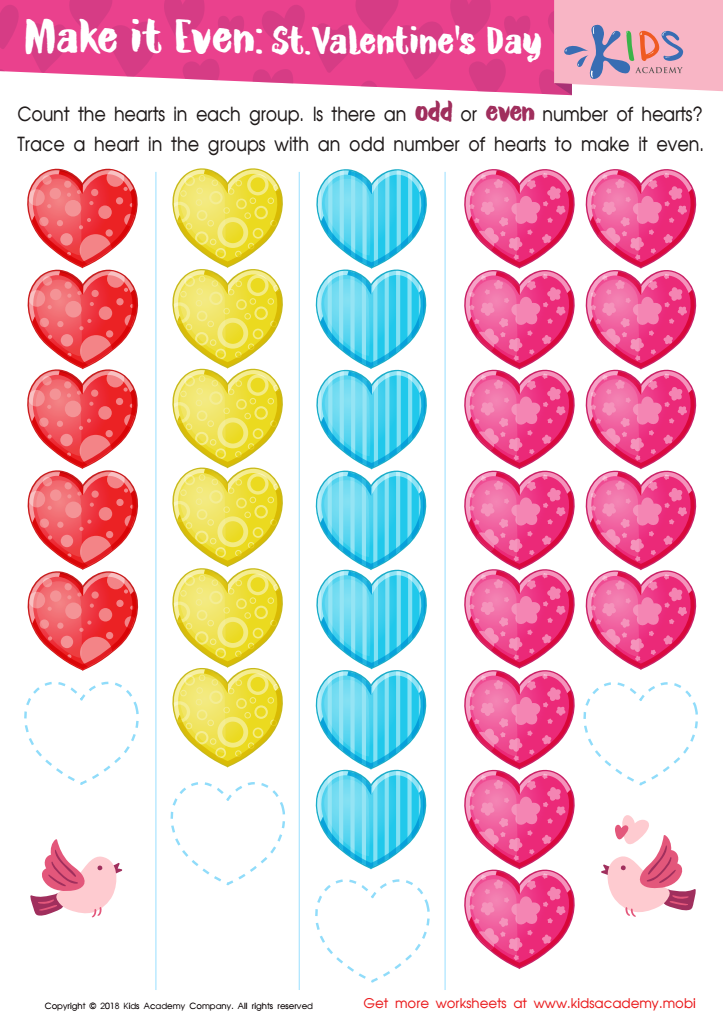
Make it Even: St. Valentine's Day Worksheet
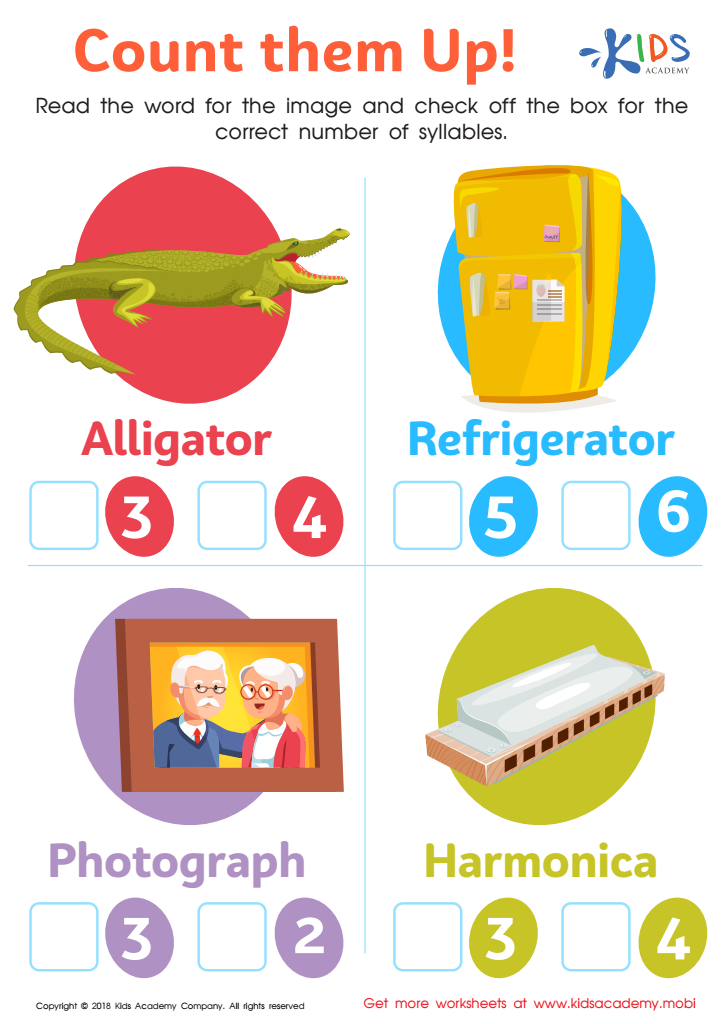
Count Them Up Worksheet
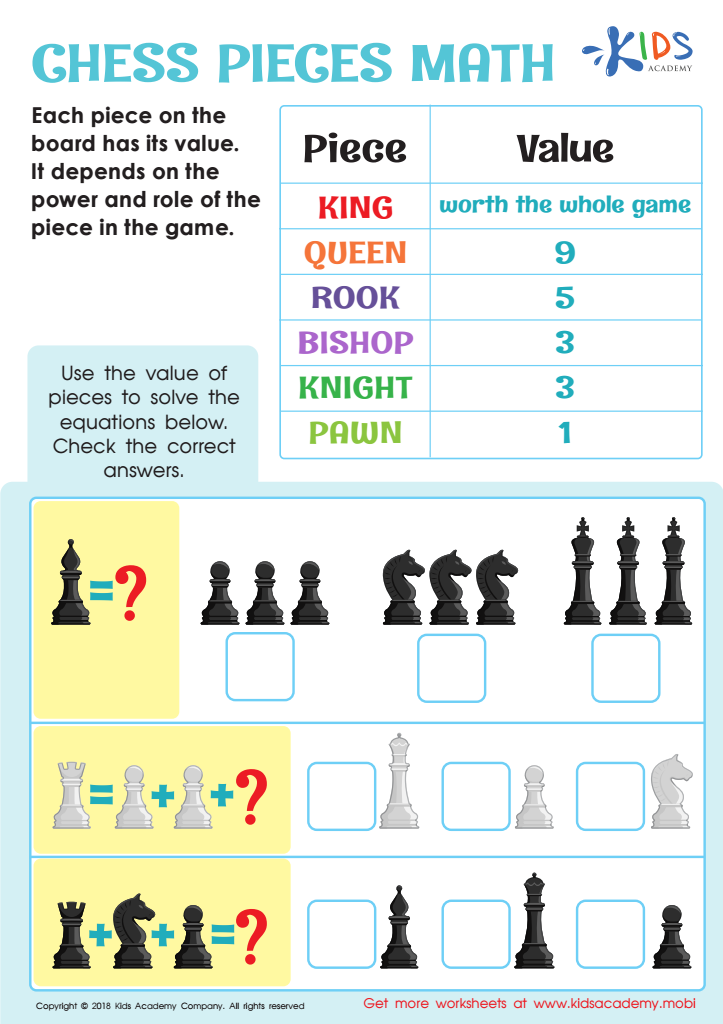
Chess Pieces Math Worksheet
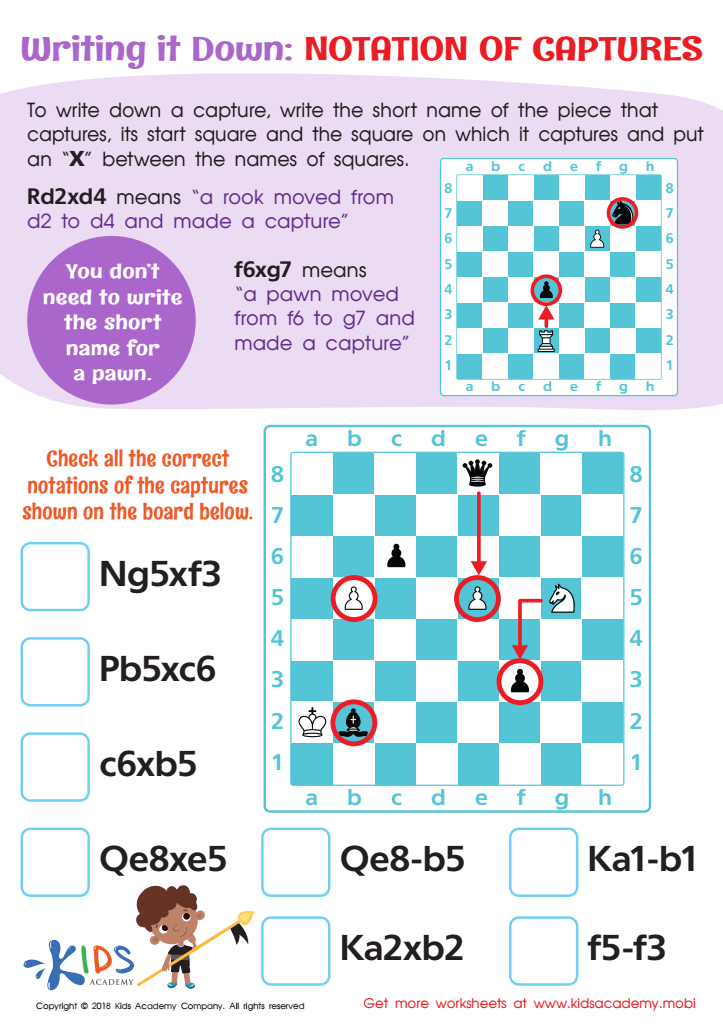
Notation of Captures Writing it Down Worksheet
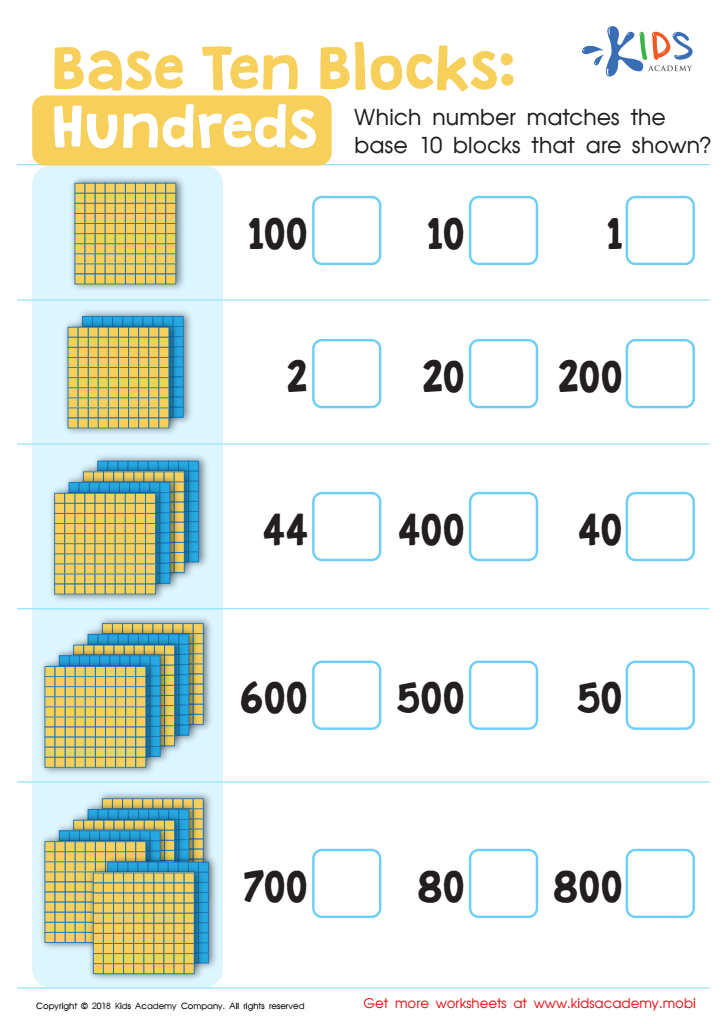
Base Ten Blocks: Hundreds Worksheet
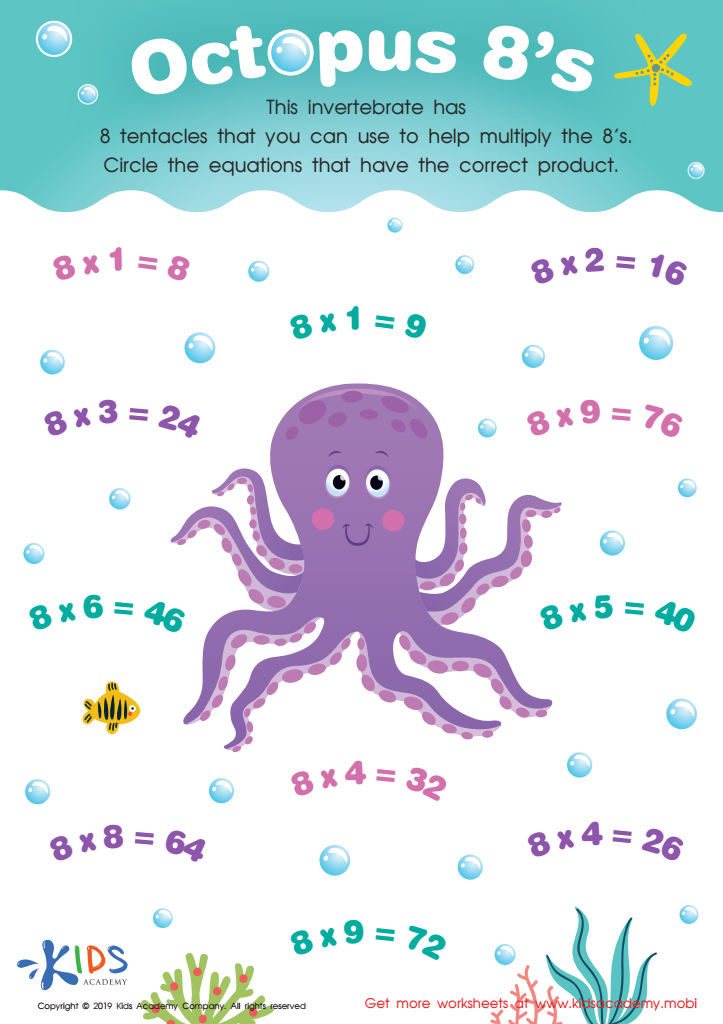
Octopus 8’s Worksheet
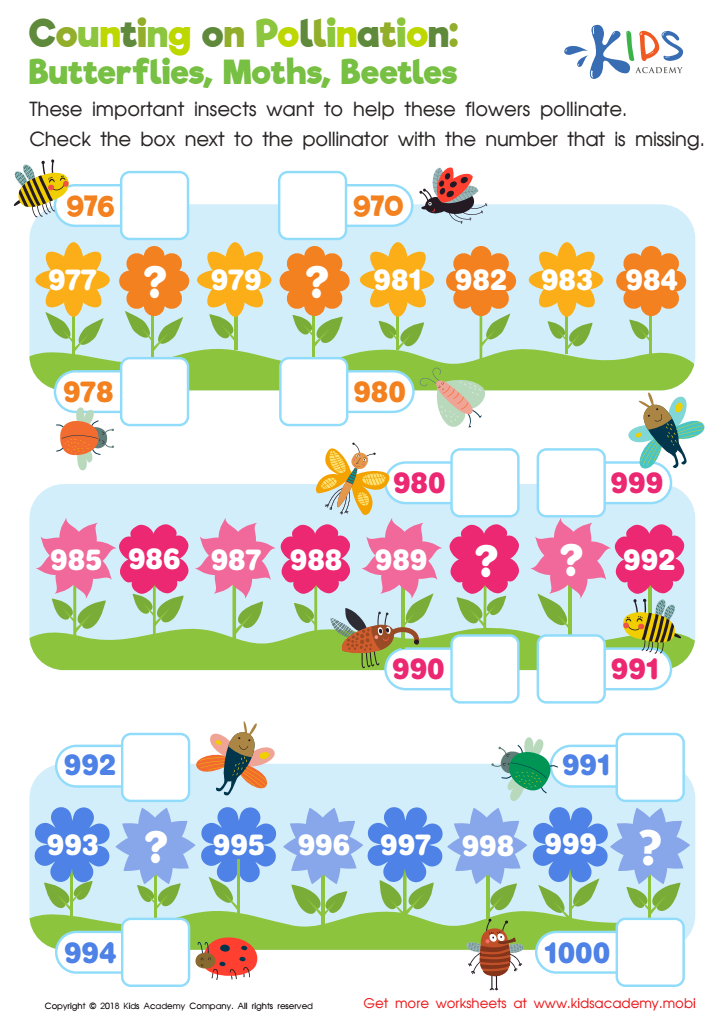
Counting on Pollination: Butterflies, Moths, Beetles Worksheet



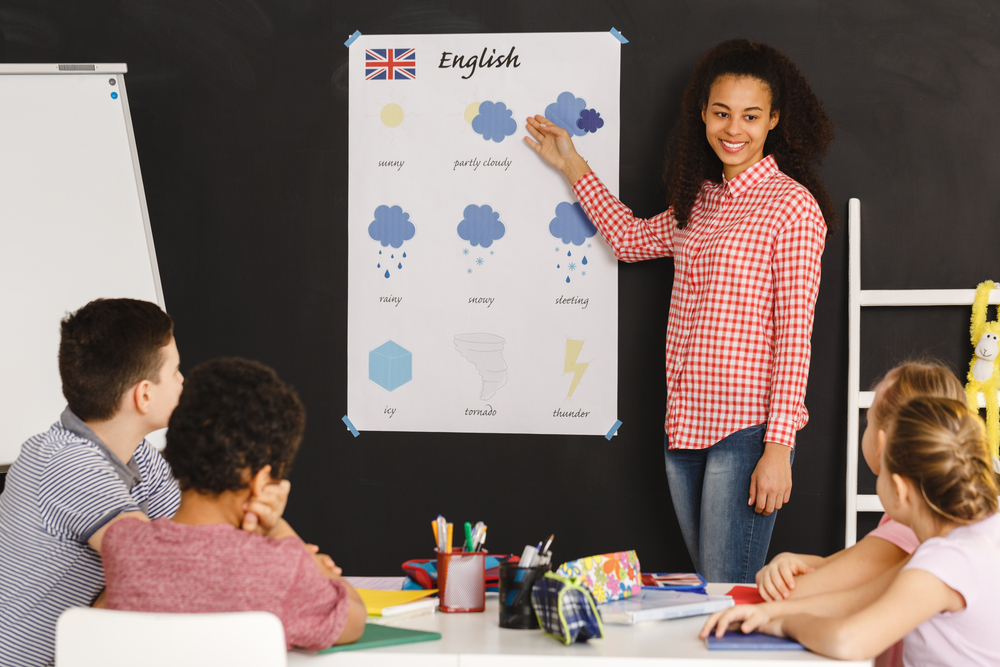




Counting practice for ages 8-9 is crucial for developing foundational math skills necessary for academic success. During this stage, children transition from basic counting to more complex mathematical concepts, such as addition, subtraction, multiplication, and the introduction of fractions. Engaging in counting activities helps solidify their understanding of number relationships, enhances problem-solving abilities, and fosters logical thinking.
Moreover, counting practices promote numeracy, a vital skill for everyday life, supporting tasks like budgeting, shopping, and time management. Parents and teachers should prioritize this practice as it not only serves academic purposes, but also builds confidence in students’ abilities to tackle mathematical tasks.
Additionally, consistent counting activities can help identify any learning struggles early on. By assessing students' counting proficiency, educators can tailor instruction to meet individual needs, ensuring that each child receives the support they require to thrive.
Lastly, instilling a love for math through fun counting games and activities can spark a lifelong interest in mathematics, making it not just a subject, but an enjoyable experience for children. For these reasons, counting practice is essential, and parents and teachers must actively engage and encourage such development in young learners.








