Hand-eye Coordination Normal Math Worksheets for Ages 8-9
4 filtered results
-
From - To
Discover our engaging Hand-eye Coordination Normal Math Worksheets designed specifically for children ages 8-9! These worksheets combine essential math skills with fun, hands-on activities that enhance hand-eye coordination. Perfect for early learners, each sheet integrates problem-solving tasks and interactive elements, making math enjoyable and dynamic. Students will develop accuracy and precision while solving challenging equations and completing various mathematical exercises. Ideal for classroom use or at-home learning, these worksheets promote both cognitive and motor skills, supporting your child’s overall development. Equip your child with the tools they need for academic success—explore our collection of worksheets today and watch their confidence soar!
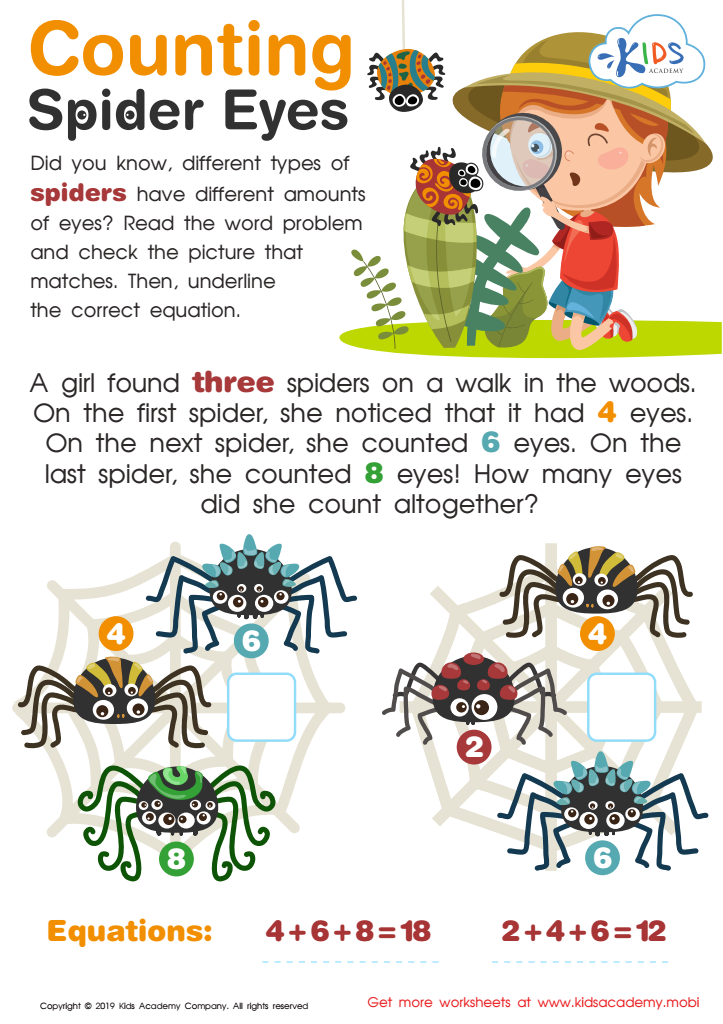
Counting Spider Eyes Worksheet
 Assign to My Students
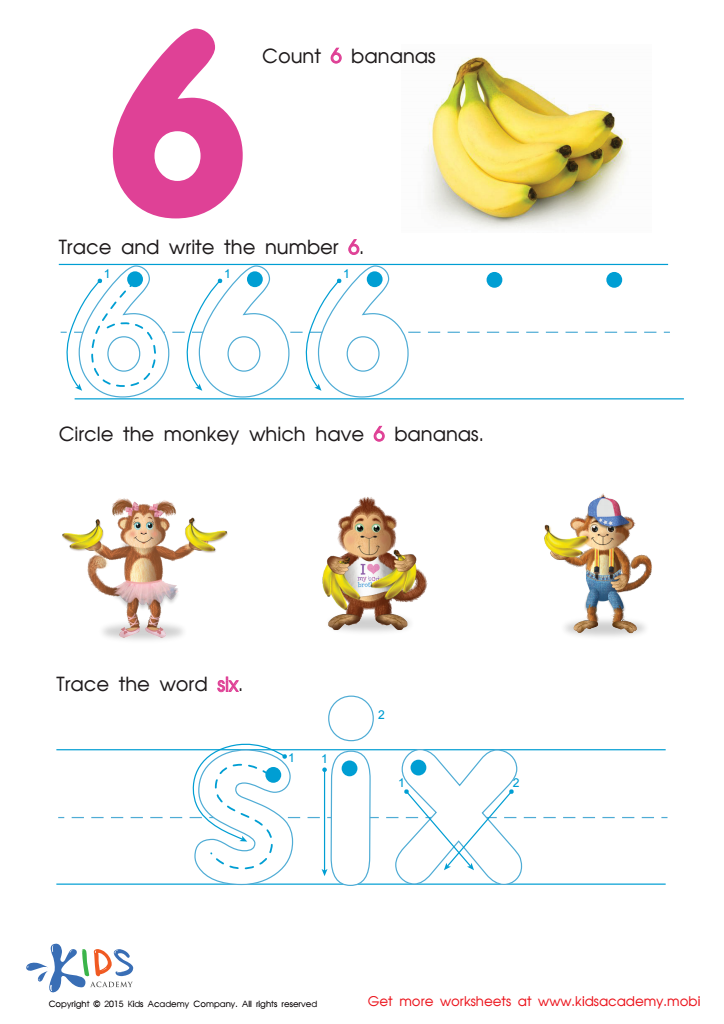
Tracing And Writing Number 6 Worksheet
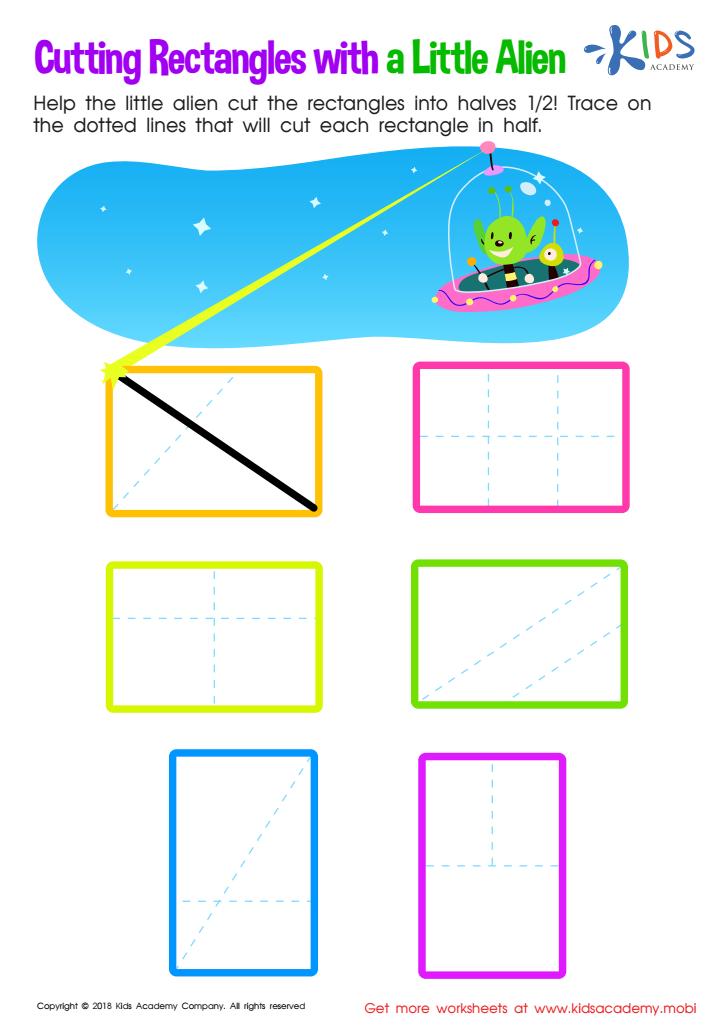
Cutting Rectangles with Alien Worksheet
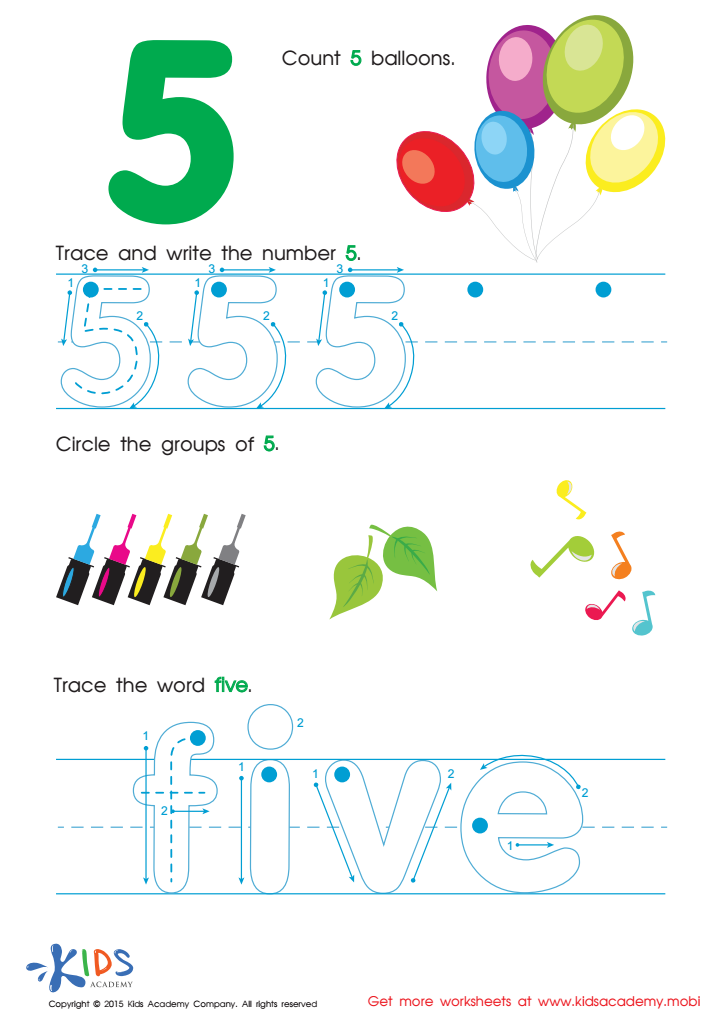
Practice Writing Number 5 Worksheet






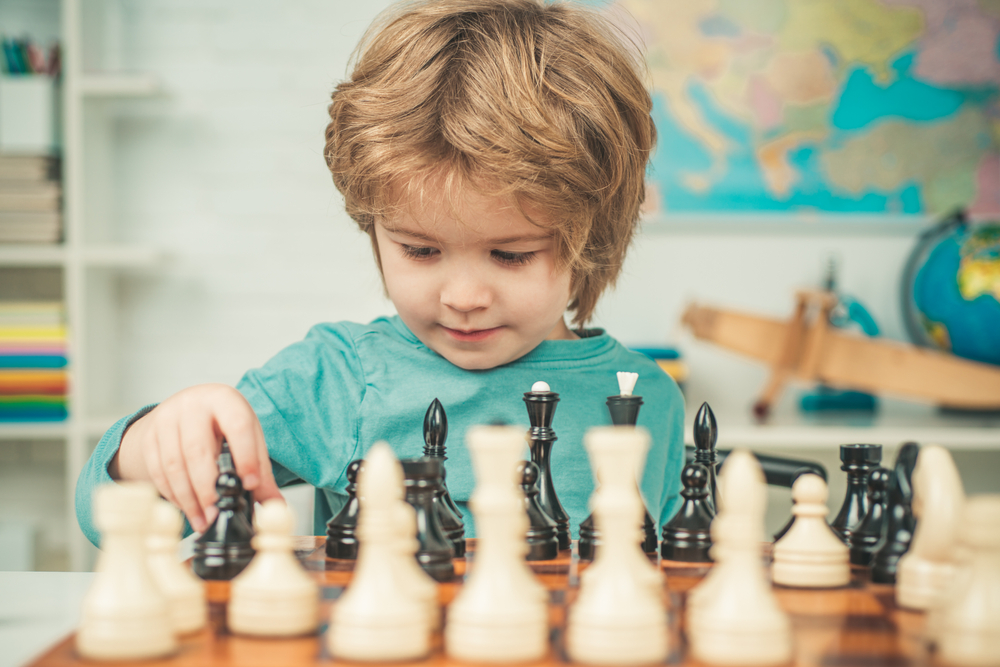
Hand-eye coordination is a crucial skill for children aged 8-9, particularly as they engage in more complex math activities. This developmental stage often introduces abstract concepts and problem-solving strategies, which require the ability to manipulate objects and visualize spatial relationships. Strong hand-eye coordination enhances a child’s ability to interact effectively with tools used in math, such as rulers, protractors, and calculators.
Parents and teachers should be concerned about fostering this skill because an improvement in hand-eye coordination translates to better performance in math and other academic areas. Children with well-developed coordination are more likely to engage in hands-on learning activities, making math more tangible and relatable. This engagement can lead to increased confidence and motivation, helping to address common math anxiety.
Furthermore, hand-eye coordination is pathways to success in everyday tasks, like writing and drawing, which are foundational for math notations. By supporting the development of this essential skill, parents and teachers enable children not only to succeed academically but also to build essential life skills used in sports, arts, and day-to-day interactions. Ultimately, a focus on hand-eye coordination contributes to well-rounded growth, giving children the tools they need to navigate both math challenges and varied life experiences.








