Problem Solving Normal Math Worksheets for Ages 8-9
6 filtered results
-
From - To
Discover our engaging Problem Solving Normal Math Worksheets designed specifically for children ages 8 to 9! These worksheets enhance critical thinking skills, encouraging young learners to tackle real-world math problems in a fun and interactive way. With a range of exercises focused on various mathematical concepts, students will build their confidence and problem-solving abilities. Each worksheet provides clear instructions and challenges that promote a deeper understanding of math. Perfect for classroom use or at-home practice, these resources foster essential skills necessary for academic success. Explore our collection and help your child become a confident problem solver today!
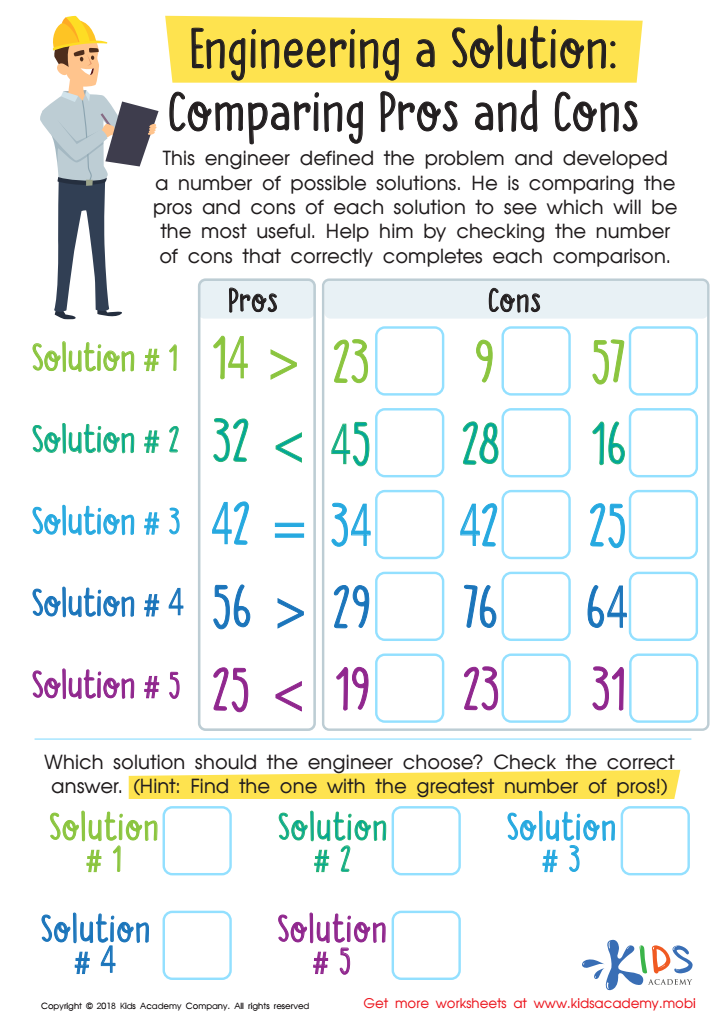
Engineering a Solution: Comparing Pros and Cons Worksheet
 Assign to My Students
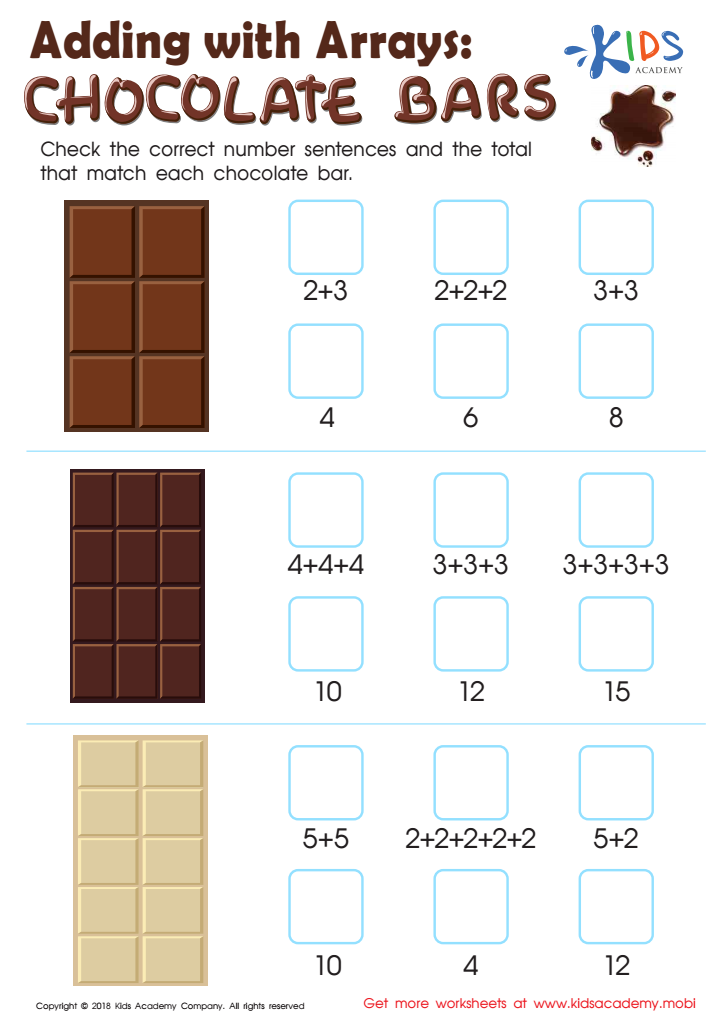
Adding with Arrays: Chocolate Bars Worksheet
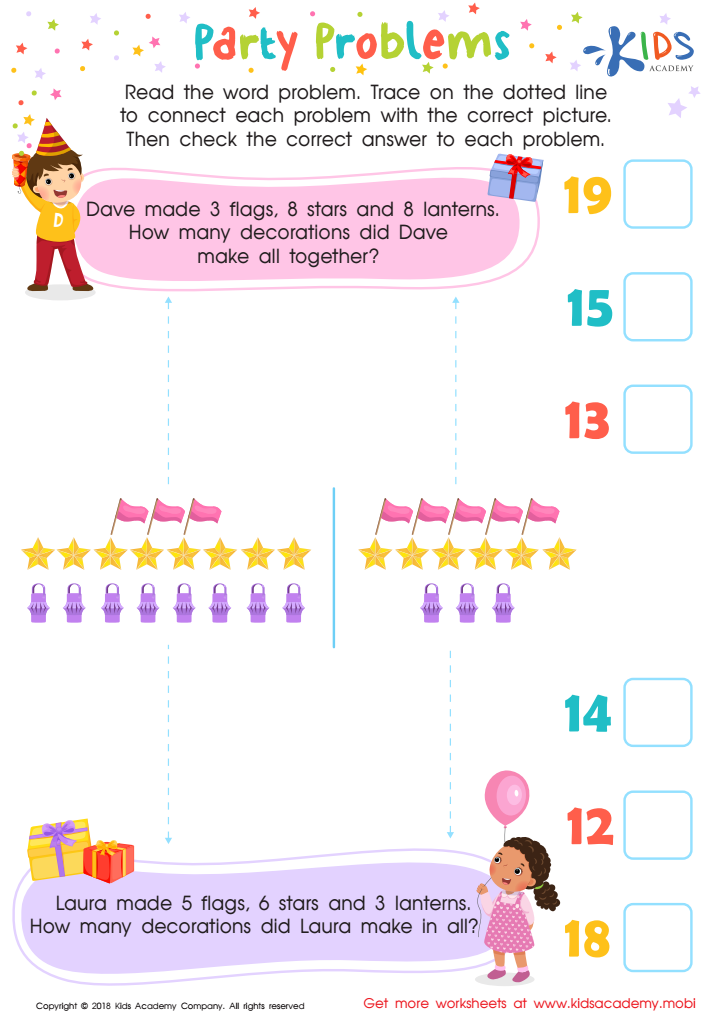
Party Problems Worksheet
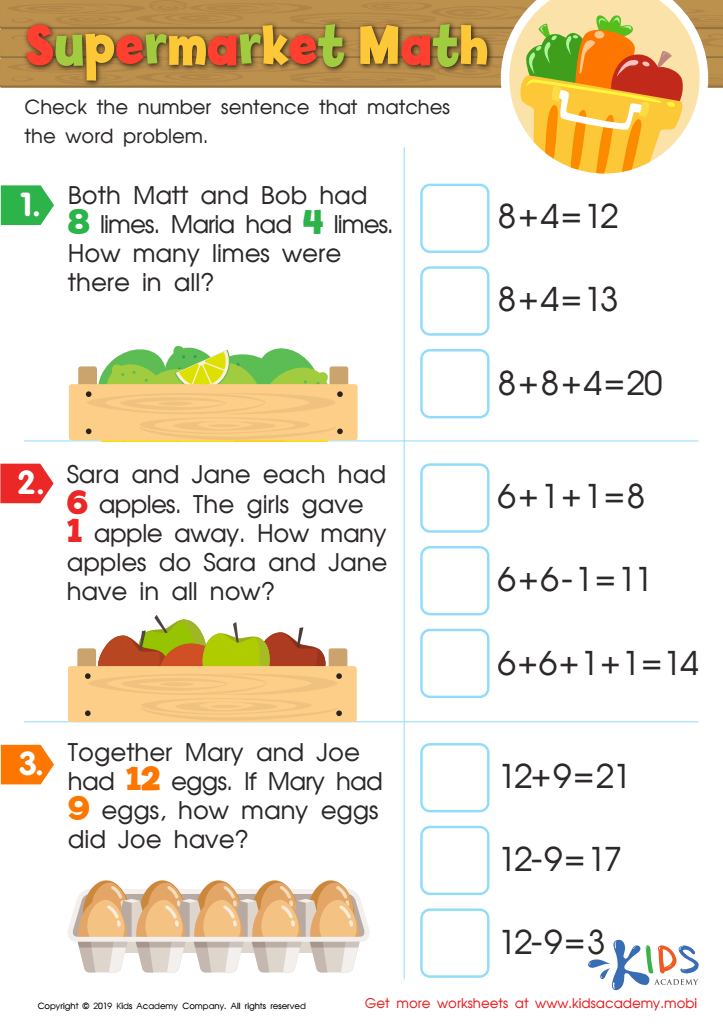
Supermarket Math Worksheet
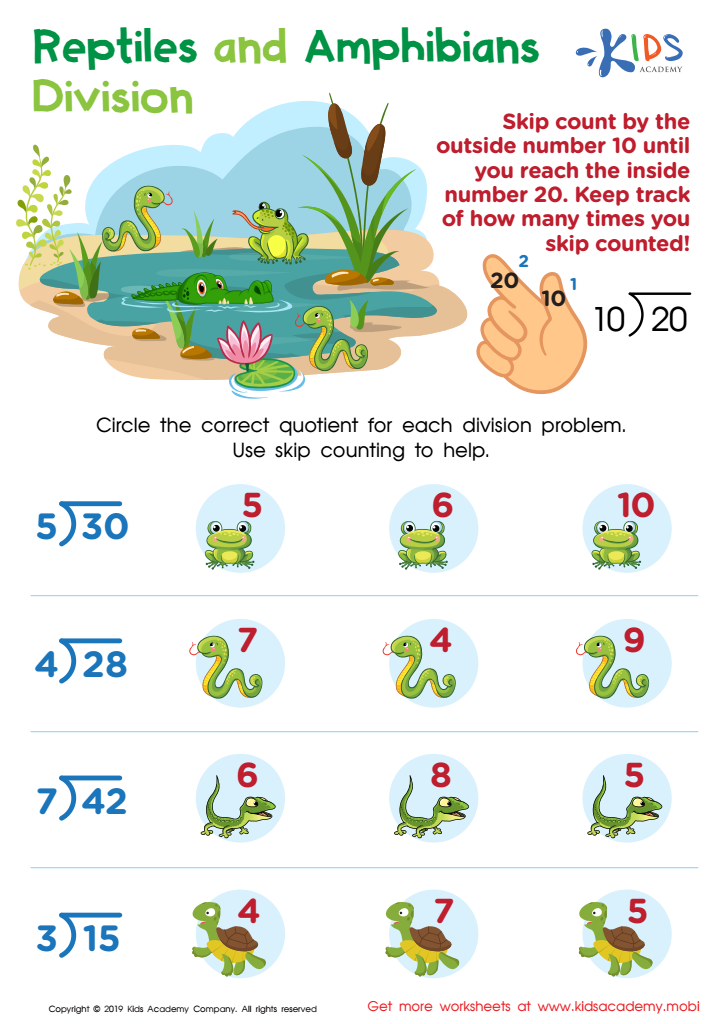
Reptile and Amphibians Division Worksheet
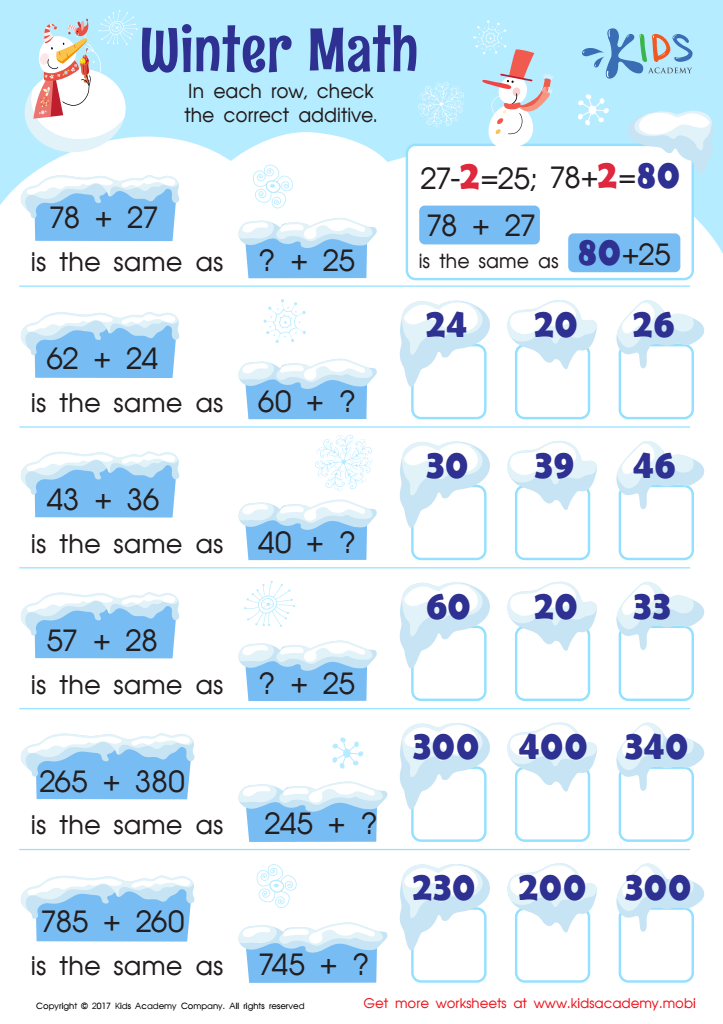
Free Addition Worksheet








Parents and teachers should prioritize Problem Solving Normal Math for ages 8-9 because it lays the foundation for critical thinking and analytical skills. At this stage, children transition from concrete understanding of numbers to applying mathematical concepts to real-world scenarios. Engaging in problem-solving activities helps them learn to analyze situations, identify patterns, and devise possible solutions, fostering cognitive development and independent thinking.
Moreover, these skills are essential not only in mathematics but across all subjects, enhancing overall academic performance. Problem solving encourages persistence, as children learn to approach challenges methodically, trial various strategies, and, importantly, understand that making mistakes is part of the learning process. This instills a growth mindset, empowering them to tackle increasingly complex problems in the future.
Additionally, cultural relevance is significant—math is not merely abstract but is everywhere in daily life. Encouraging children to apply math in tangible contexts prepares them for practical challenges in adulthood. Therefore, supporting problem-solving endeavors at this formative age equips children with essential life skills, enhances their confidence, and cultivates a lifelong appreciation for learning. For parents and teachers, fostering these proficiencies means investing in their children's future success.








