Problem-Solving Skills Normal Measurement Worksheets for Ages 8-9
5 filtered results
-
From - To
Welcome to our Problem-Solving Skills Normal Measurement Worksheets for ages 8-9! These engaging worksheets are designed to help young learners develop critical thinking and mathematical reasoning skills through hands-on measurement challenges. Tailored to meet educational standards, each worksheet encourages students to tackle real-world problems using measurement concepts—like length, weight, and volume. Whether in the classroom or at home, these activities stimulate curiosity and empower children to approach problems with confidence. Perfect for reinforcing classroom learning, our printable worksheets are easy to use and align seamlessly with standard curricula, making math fun and accessible for every child!
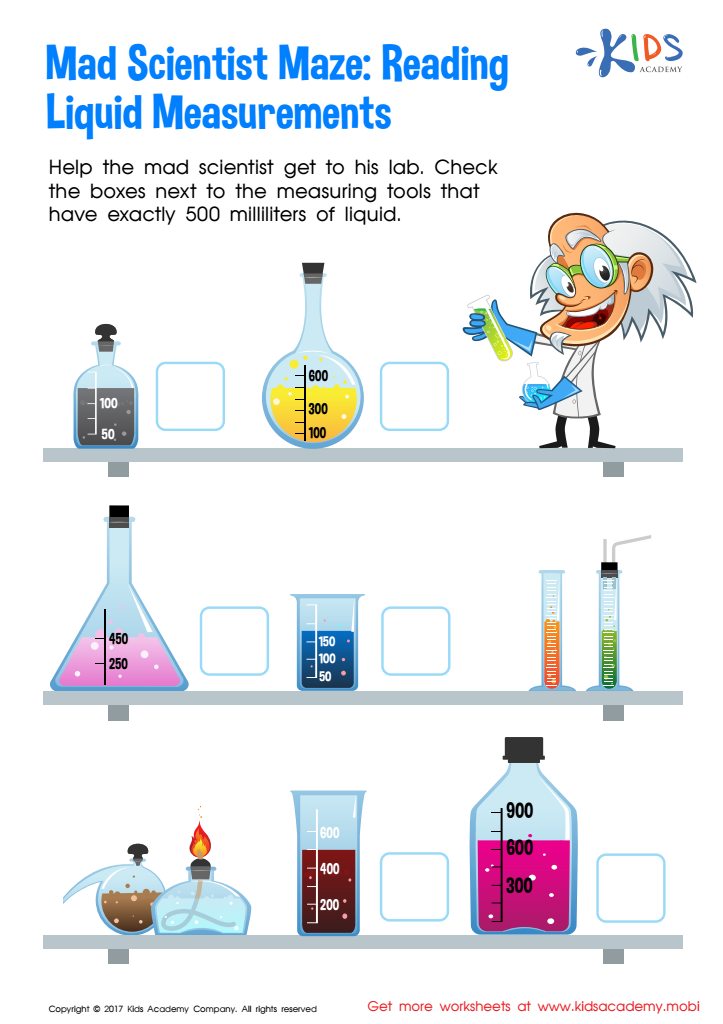
Reading Liquid Measurement Worksheet
 Assign to My Students
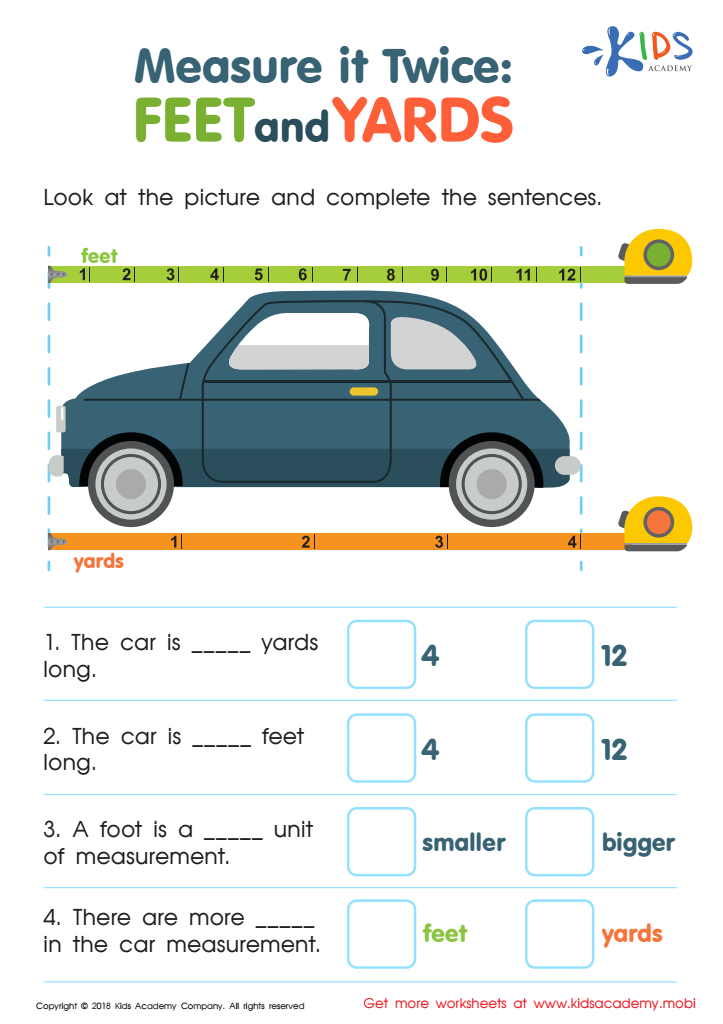
Measure It Twice: Feet and Yards Worksheet
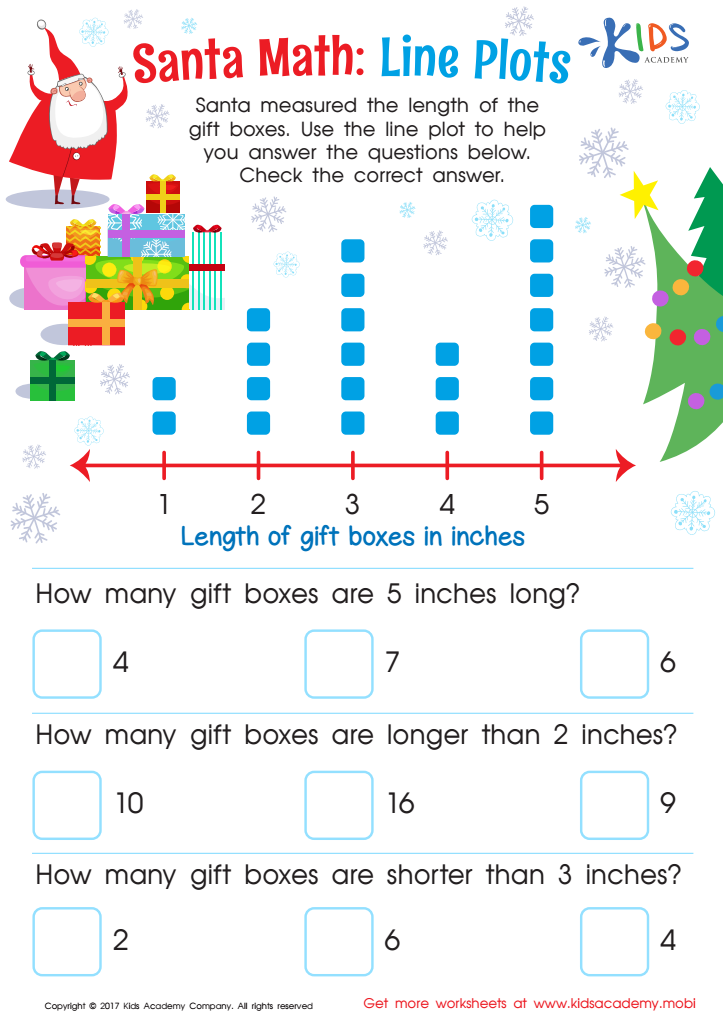
Line Plot Worksheet
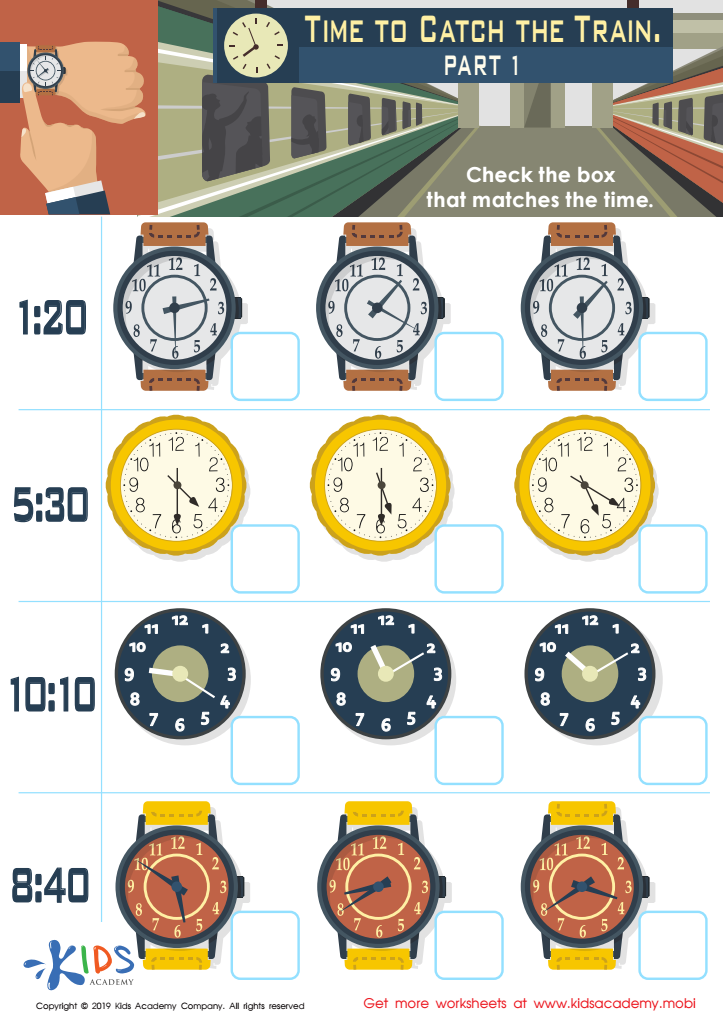
Time to Catch the Train Part 1 Worksheet
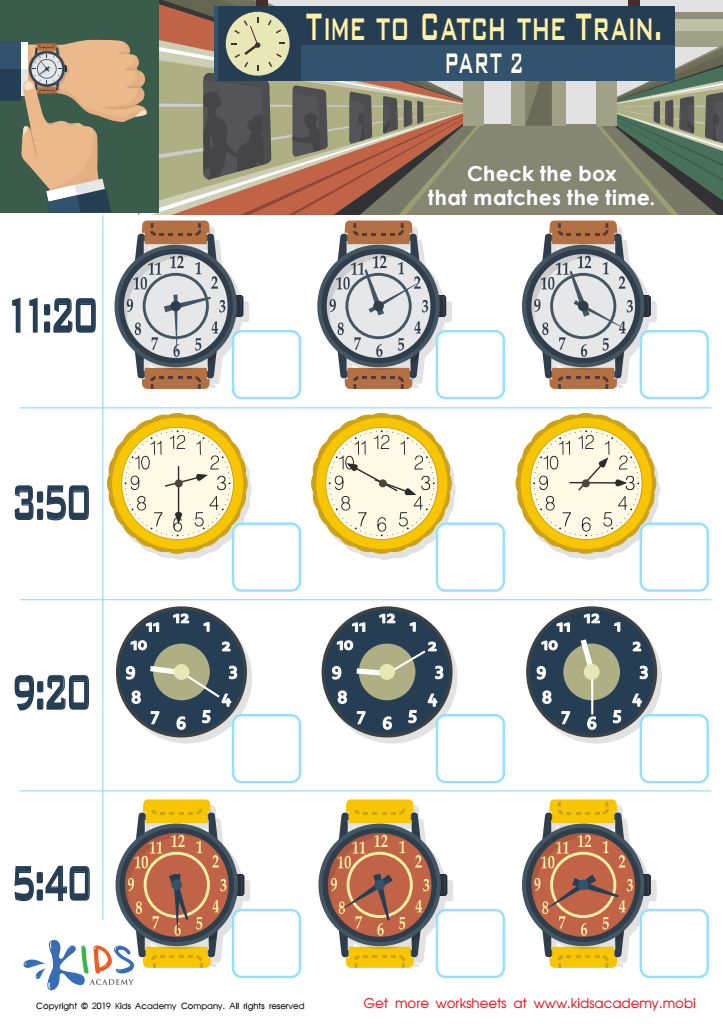
Time to Catch the Train Part 2 Worksheet







Problem-solving skills are essential for children, particularly for ages 8-9, as this is a critical period for cognitive and emotional development. During these years, children transition from concrete thinking to more abstract reasoning, making it vital for parents and teachers to actively promote problem-solving abilities.
Normal Measurement in problem-solving skills provides a clear benchmark for assessing a child’s abilities against age-appropriate expectations. Understanding where a child stands can help in identifying strengths and areas for improvement. This knowledge enables parents and teachers to implement tailored interventions or support that can enhance a child's skills in real-life situations—essential for both academic success and personal growth.
Fostering these skills encourages independence, boosts confidence, and helps children navigate challenges effectively. Furthermore, the problem-solving process cultivates critical thinking, creativity, and adaptability, which are indispensable traits in today’s rapidly evolving world.
By prioritizing problem-solving skills, parents and teachers can equip children not just for academic achievement but also for life's myriad challenges, nurturing responsible and resourceful adults. Hence, monitoring these skills through normal measurement is a crucial step in supporting children’s long-term development and success in a complex and interconnected society.








