Critical Thinking Normal Word Problems Worksheets for Ages 8-9
3 filtered results
-
From - To
Discover our "Critical Thinking Normal Word Problems Worksheets for Ages 8-9," designed to enhance your child's problem-solving skills and analytical thinking. These engaging worksheets challenge young learners with relatable, real-world scenarios, encouraging them to apply math concepts creatively. Each problem promotes critical thinking, requiring students to interpret information, draw conclusions, and solve problems independently. Ideal for classroom use or at-home practice, our worksheets support math skill development while making learning fun and interactive. Perfect for children aged 8-9, these resources help build a strong foundation in critical thinking essential for future academic success. Explore our collection and empower your child's learning journey today!
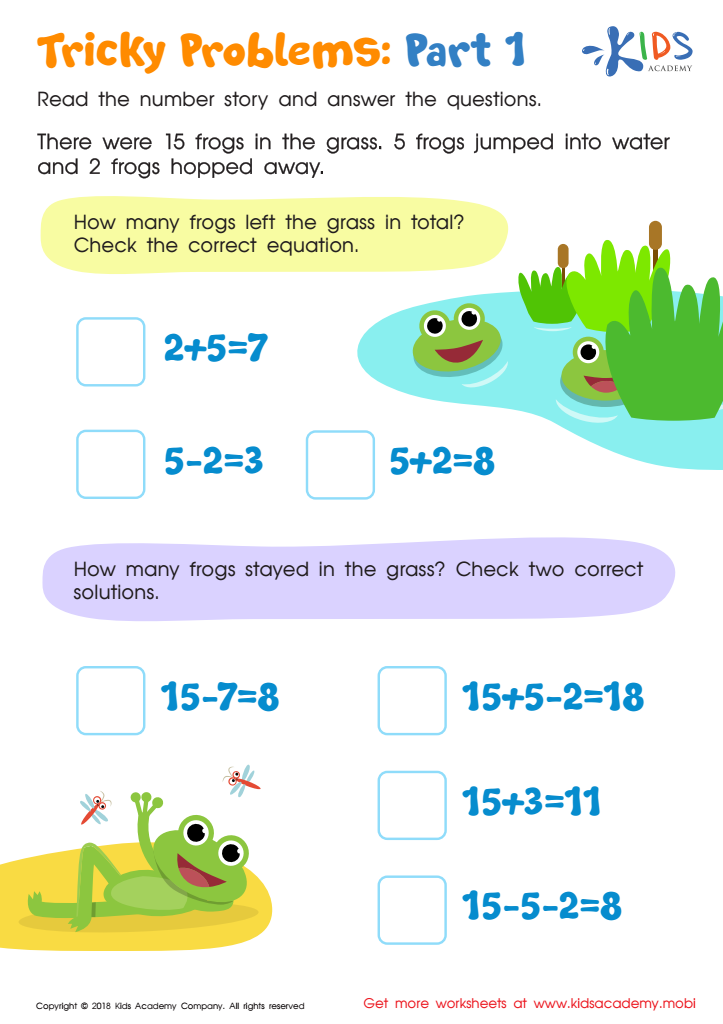
Tricky Problems Worksheet: Part 1
 Assign to My Students
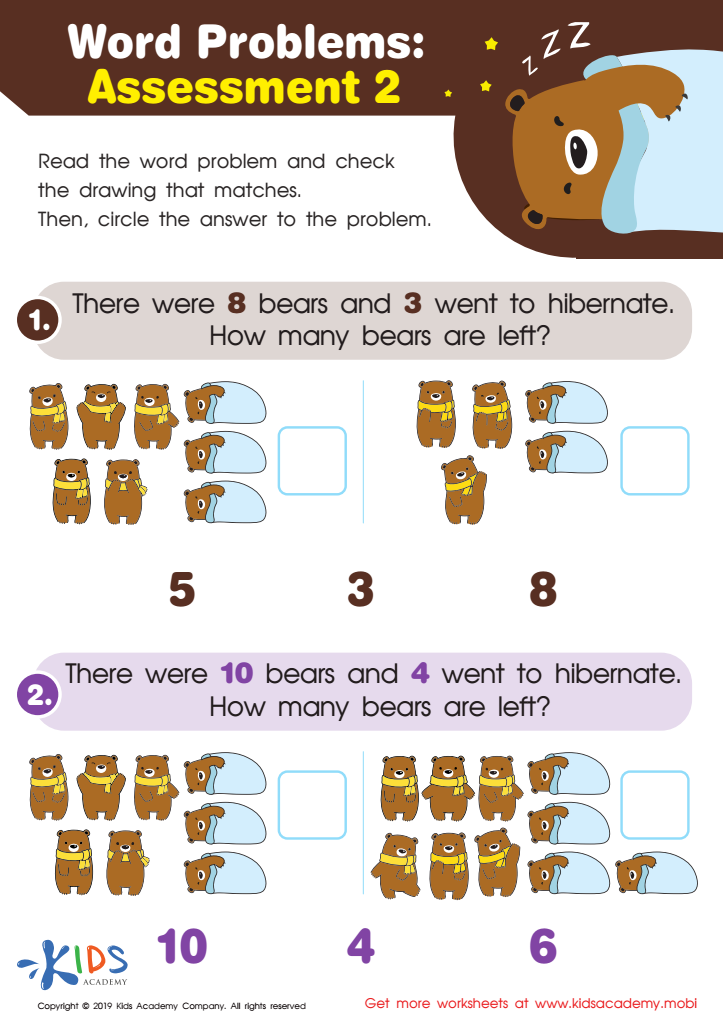
Word Problems: Assessment 2 Worksheet
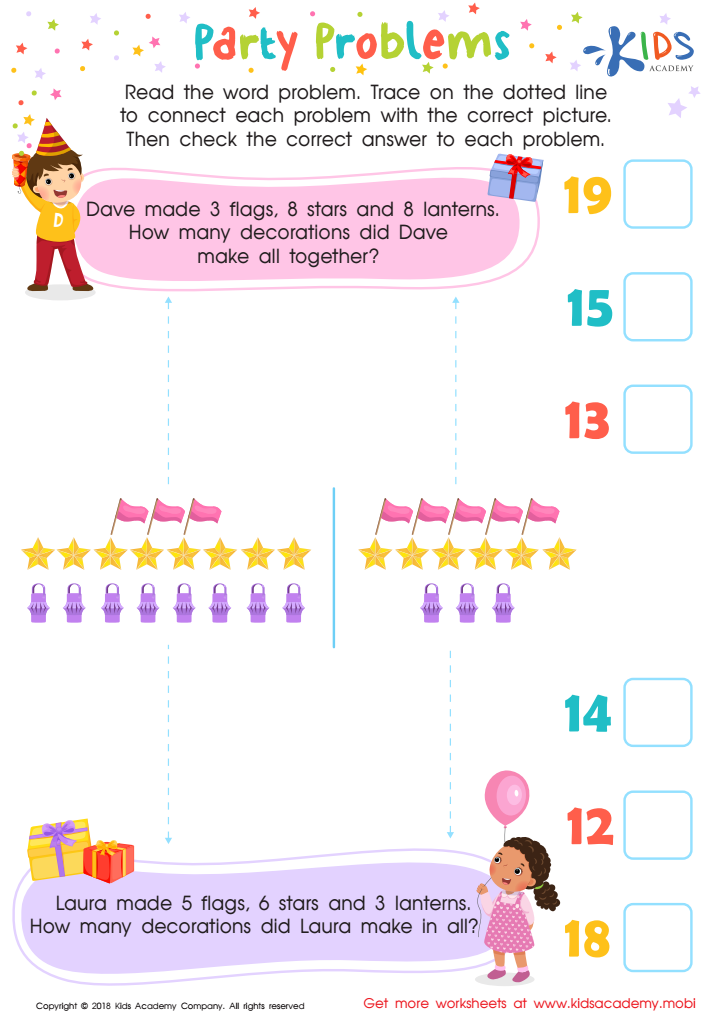
Party Problems Worksheet






.jpg)

Parents and teachers should prioritize Critical Thinking Normal Word Problems for children aged 8-9 because these activities enhance essential cognitive skills that are crucial for both academic success and everyday problem-solving. At this age, children are transitioning from concrete to more abstract thinking, making it an ideal time to develop their ability to analyze situations, evaluate options, and derive solutions.
Engaging with word problems encourages students to read carefully, comprehend context, and apply mathematical concepts in real-life scenarios. It challenges them to think critically about the information given and determine the best approach to arrive at a solution. This process fosters perseverance, as children often need multiple attempts and strategies to solve problems, teaching them resilience.
Moreover, critical thinking skills extend beyond math; they are foundational for all subjects and important life skills. As children learn to interpret data, draw conclusions, and justify their reasoning, they become better decision-makers and more independent learners. Ultimately, nurturing these skills contributes to a child's confidence and enhances their ability to tackle complex challenges in the future, preparing them for lifelong learning and success. By incorporating such problems into their routines, parents and teachers play a key role in shaping a thoughtful and inquisitive mindset.








