Analytical thinking Normal Reading Worksheets for Ages 8-9
6 filtered results
-
From - To
Welcome to our collection of Analytical Thinking Normal Reading Worksheets for Ages 8-9! Designed specifically for young learners, these worksheets enhance critical thinking and comprehension skills while making reading engaging and fun. Each worksheet encourages students to analyze, interpret, and draw conclusions from the text, fostering a deeper understanding of the material. Covering various subjects, our worksheets also integrate visuals and practical exercises to make learning interactive. Perfect for classrooms or home use, these resources support educators and parents in promoting essential analytical skills that will benefit children throughout their academic journeys. Explore our worksheets and watch your child's analytical thinking flourish!
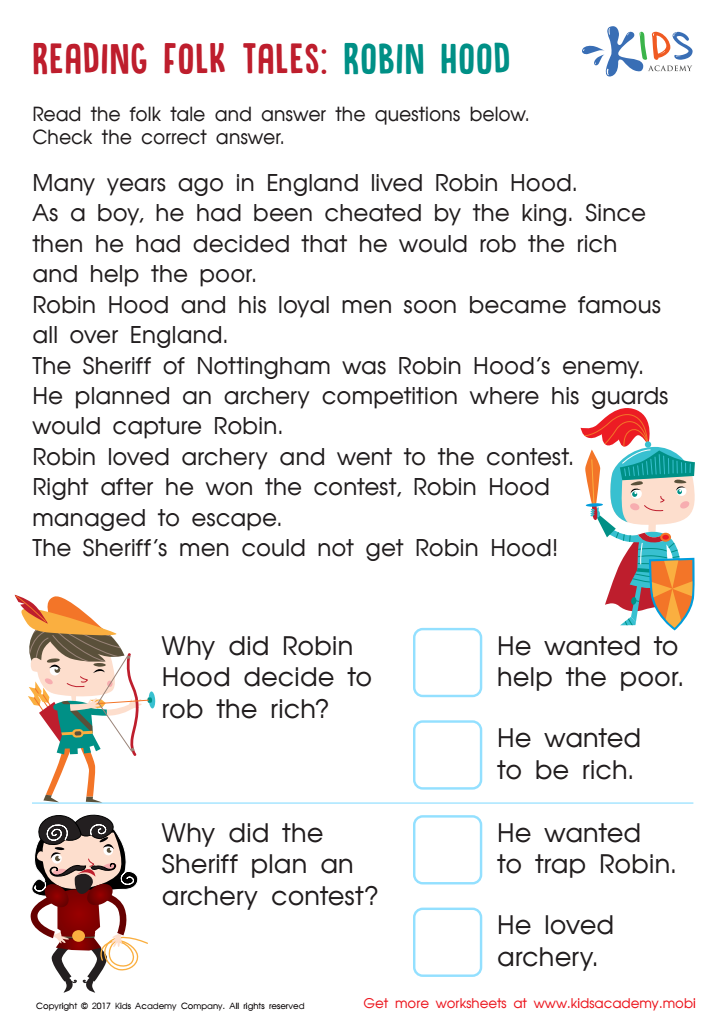
Robin Hood Folktale Worksheet
 Assign to My Students
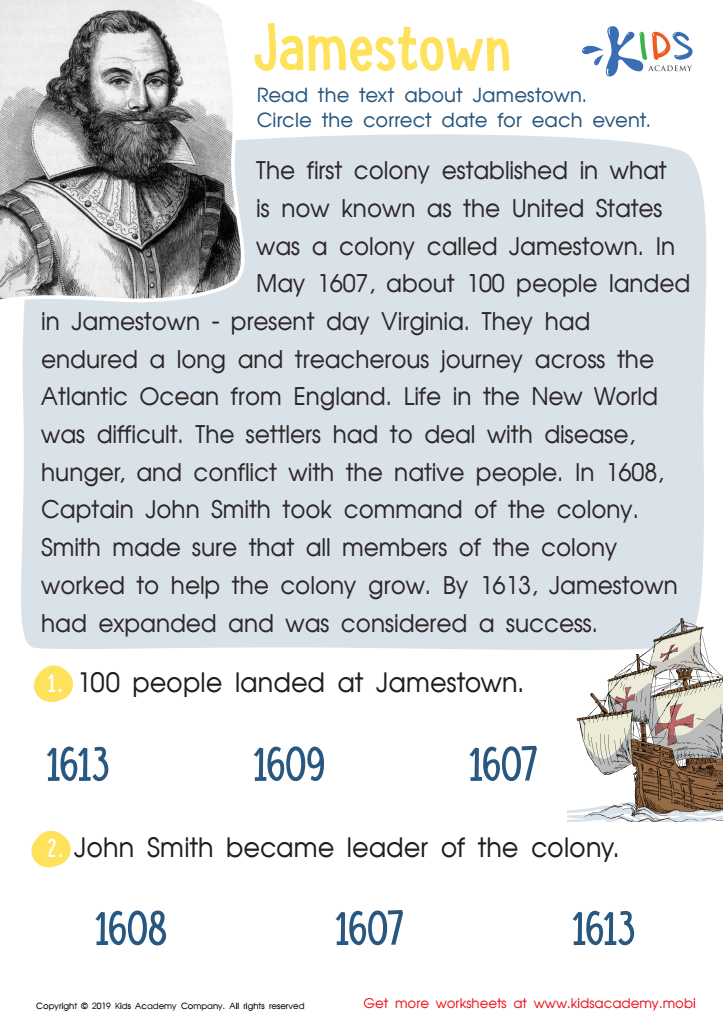
Jamestown Worksheet
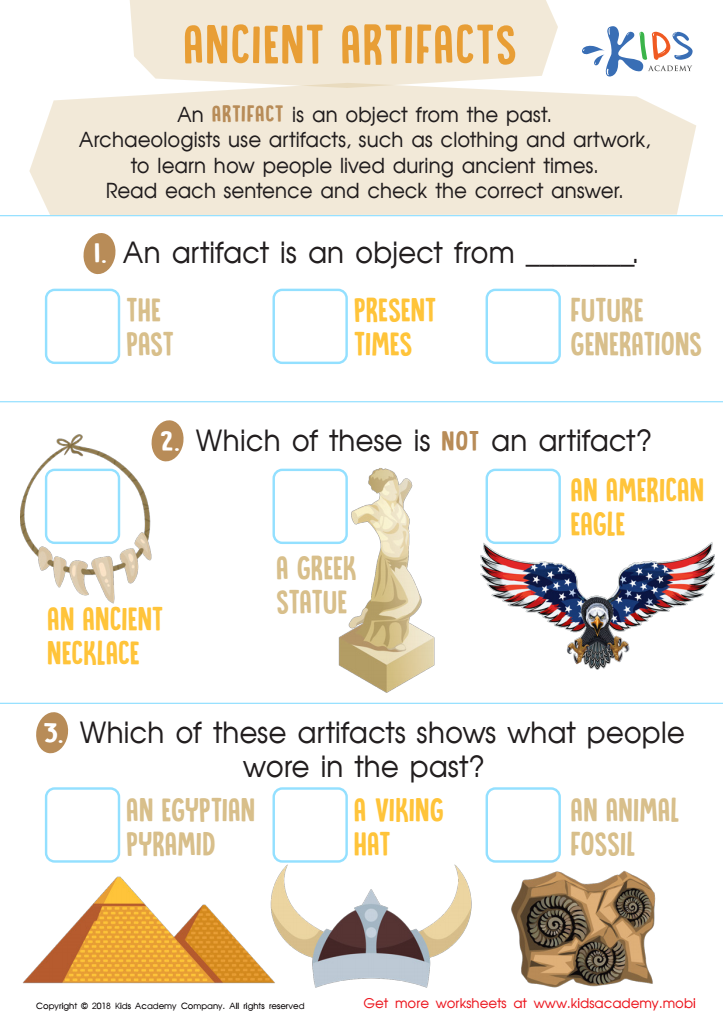
Ancient Artifacts Worksheet
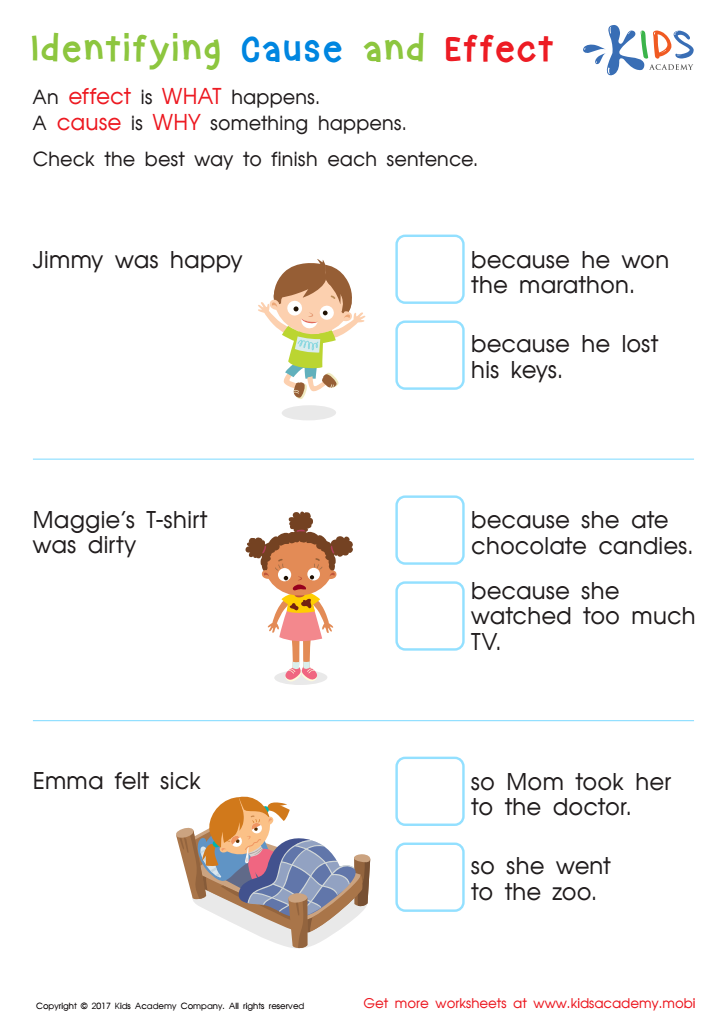
Indentifying Cause and Effect Worksheet
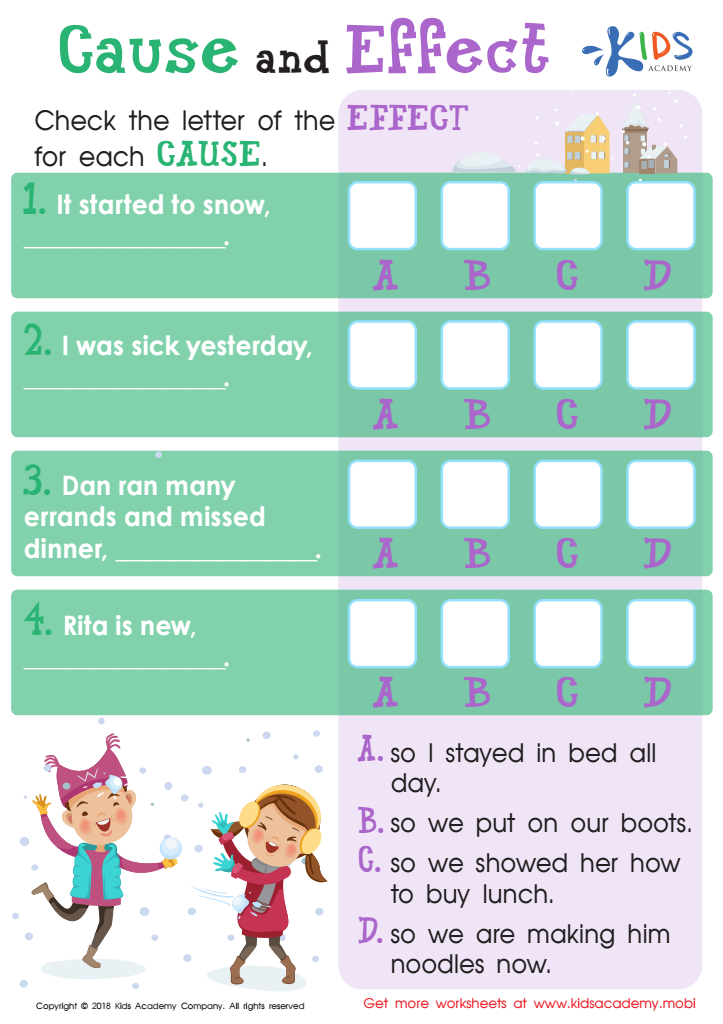
Cause and Effect Worksheet
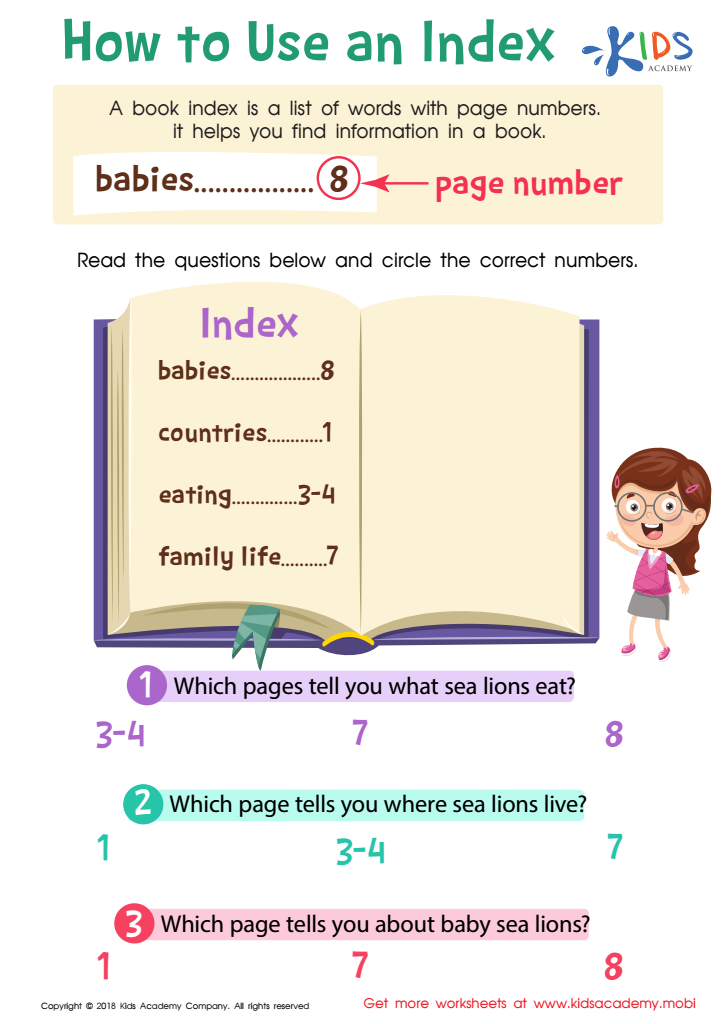
How Use Index Worksheet






Analytical thinking is crucial for children aged 8-9 as it fosters their ability to evaluate information, solve problems, and make thoughtful decisions. At this age, children are developing key cognitive skills that allow them to navigate complex ideas and apply reasoning in various subjects, including math, reading, and science. When parents and teachers prioritize analytical thinking in normal reading, they enhance children’s comprehension and critical thinking skills.
Engaging children in discussions about the characters’ motivations, plot developments, and underlying themes of the texts can encourage them to think beyond the surface. This practice not only boosts literacy skills but also lays the foundation for lifelong learning.
Moreover, analytical thinking helps children develop empathy by evaluating different perspectives within stories, enriching their social development. As they learn to argue and defend their views, they build confidence in their abilities.
Ultimately, fostering analytical thinking prepares children for future academic challenges and equips them with the skills necessary for success in our increasingly complex world. By promoting these skills through reading, parents and teachers can dramatically influence a child’s ability to think independently, understand nuanced information, and tackle real-world problems effectively.








