Filters

7 filtered results

Clear all filters
Favorites
With answer key
Interactive

7 filtered results

Difficulty Level

Grade


Enhance your child’s critical thinking and analytical abilities with our "Problem-Solving Skills Normal Science Worksheets for Ages 8-9." Designed to challenge young minds, these engaging worksheets cover essential science topics and foster curiosity. Each activity encourages kids to approach problems methodically, develop solutions, and build confidence in their scientific reasoning. Tailored for 3rd to 4th graders, these comprehensive resources blend fun with learning through experiments, observations, and hands-on tasks. Ideal for classroom use or supplemental home practice, ignite a passion for science in your child with our expertly crafted worksheets. Explore today and watch them thrive!

Check out this FREE Trial Lesson on Science for age 8-9!

Multiplication and Division Fact Families Multiplication Facts Part 2

Favorites
With answer key
Interactive
  • 8-9
  • Problem-Solving Skills
  • Science
  • Normal
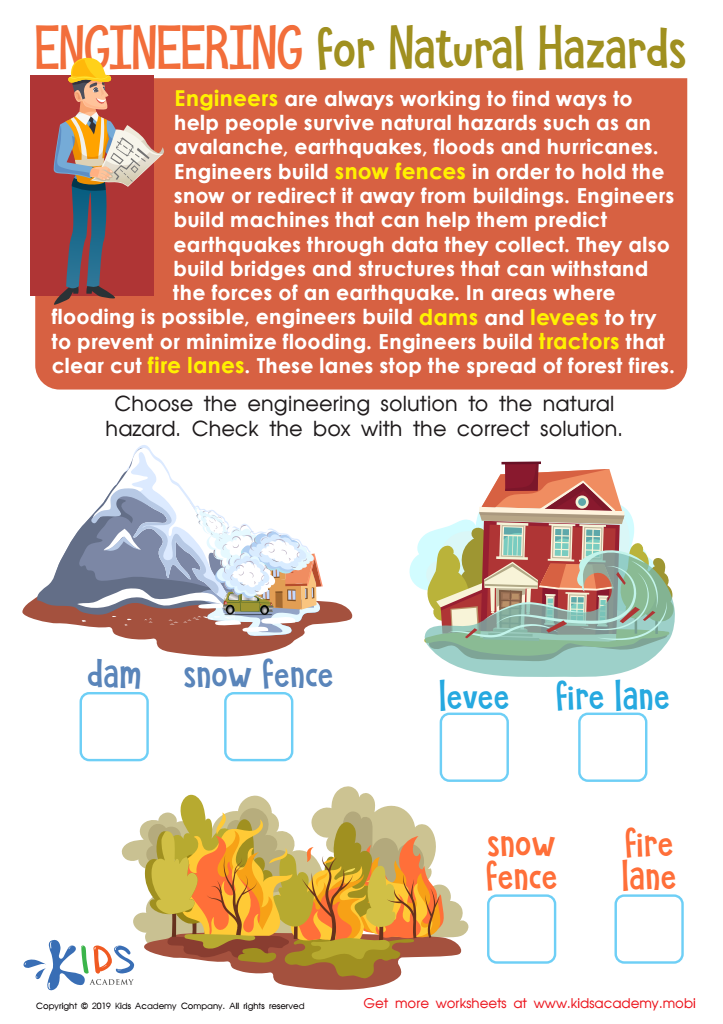
Engineering Natural Hazards Worksheet

Engineering Natural Hazards Worksheet

Natural hazards can be lessened with precautions. This free worksheet engages kids with informative text on how engineers protect us and lets them practice reading comprehension by choosing the right option.
Engineering Natural Hazards Worksheet
Worksheet
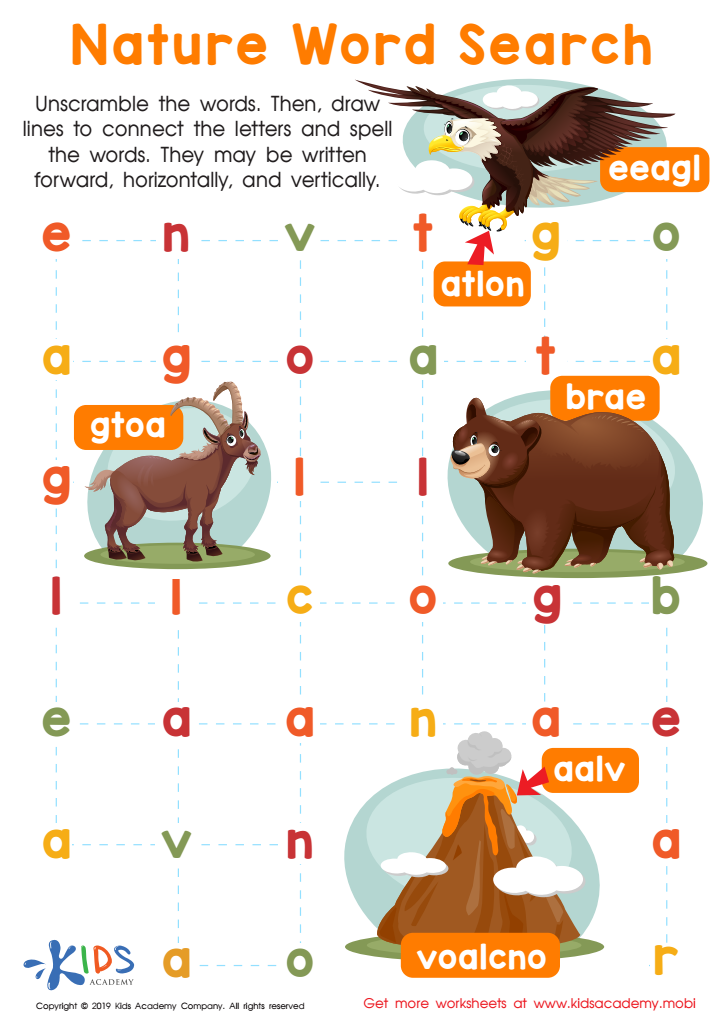
Nature Word Search Worksheet

Nature Word Search Worksheet

Unscramble science vocabulary words and find them in this fun worksheet! Use the pictures as clues if you get stumped; you can also write down the words for reference. Solve the puzzle when you're done to finish!
Nature Word Search Worksheet
Worksheet
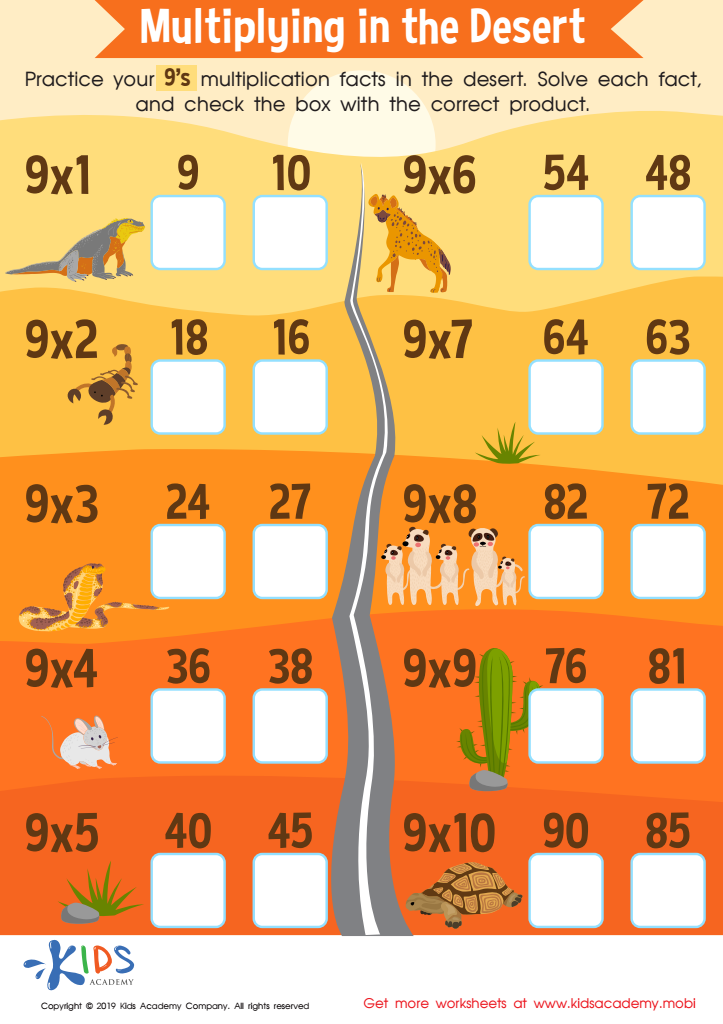
Multiplying in the Desert Worksheet

Multiplying in the Desert Worksheet

Help your kids learn the multiplication table faster by introducing them to this fun worksheet! It allows them to learn at a more engaging pace, with the added challenge of naming desert animals. Solve each fact and check the correct product, for an enjoyable and effective way to practice their 9’s multiplication facts.
Multiplying in the Desert Worksheet
Worksheet
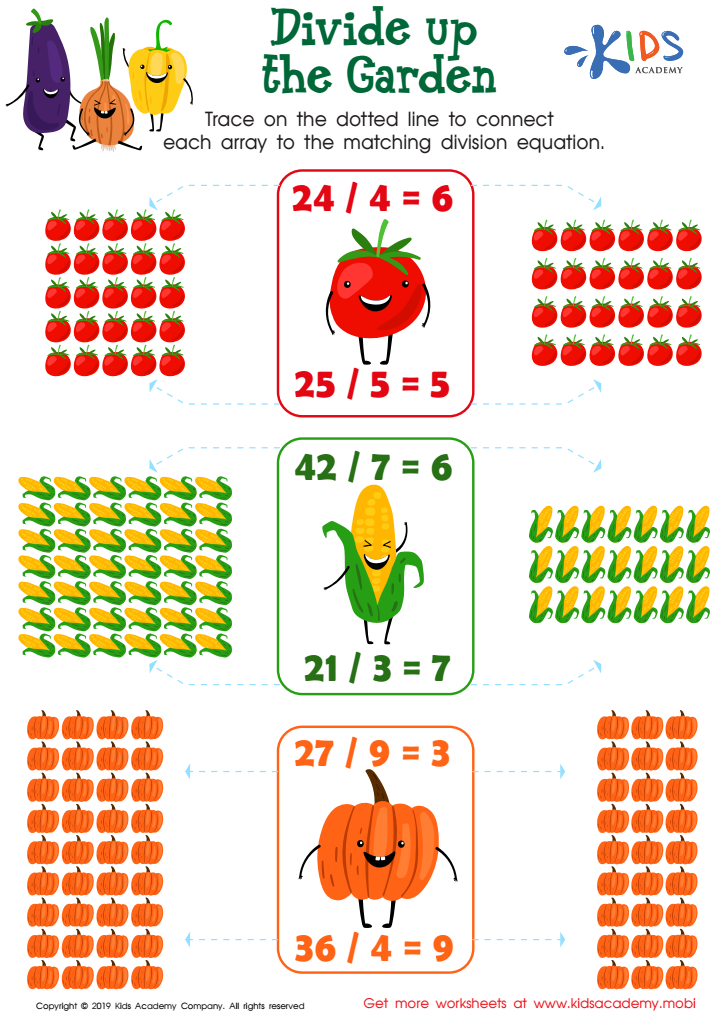
Divide up the Garden Worksheet

Divide up the Garden Worksheet

Dividing is simply grouping items into equal sets. This worksheet helps kids see division problems in array form. They'll match each equation with a picture group, using the lines provided. It's a great way for beginners to understand division more concretely.
Divide up the Garden Worksheet
Worksheet
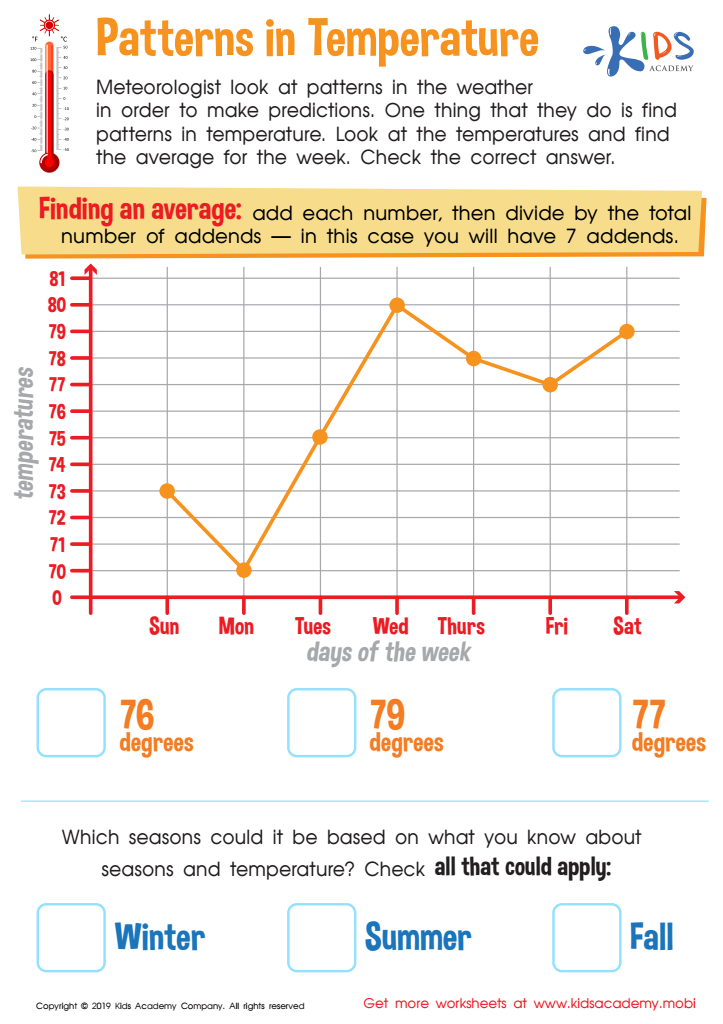
Patterns in Temperature Worksheet

Patterns in Temperature Worksheet

Kids need to learn how to read and interpret data from graphs and charts. This free worksheet on temperature patterns helps them to do just that. They'll practice finding averages and answer questions in multiple-choice format. Plus, it provides a great learning experience!
Patterns in Temperature Worksheet
Worksheet
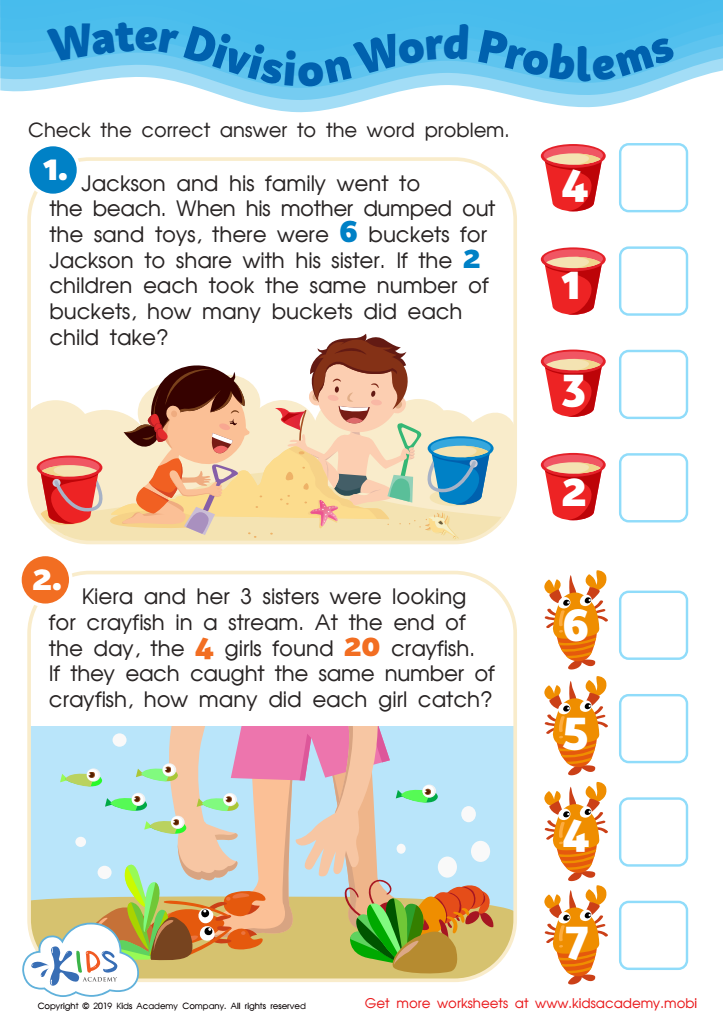
Water Division Word Problems Worksheet

Water Division Word Problems Worksheet

Kids can sharpen their math skills with this fun PDF! They'll see pictures of friends at the beach, plus bold numbers and colorful pictures. All they need to do is read and understand the problem to find the answer - without even realizing they're doing division. A great way to make math enjoyable!
Water Division Word Problems Worksheet
Worksheet
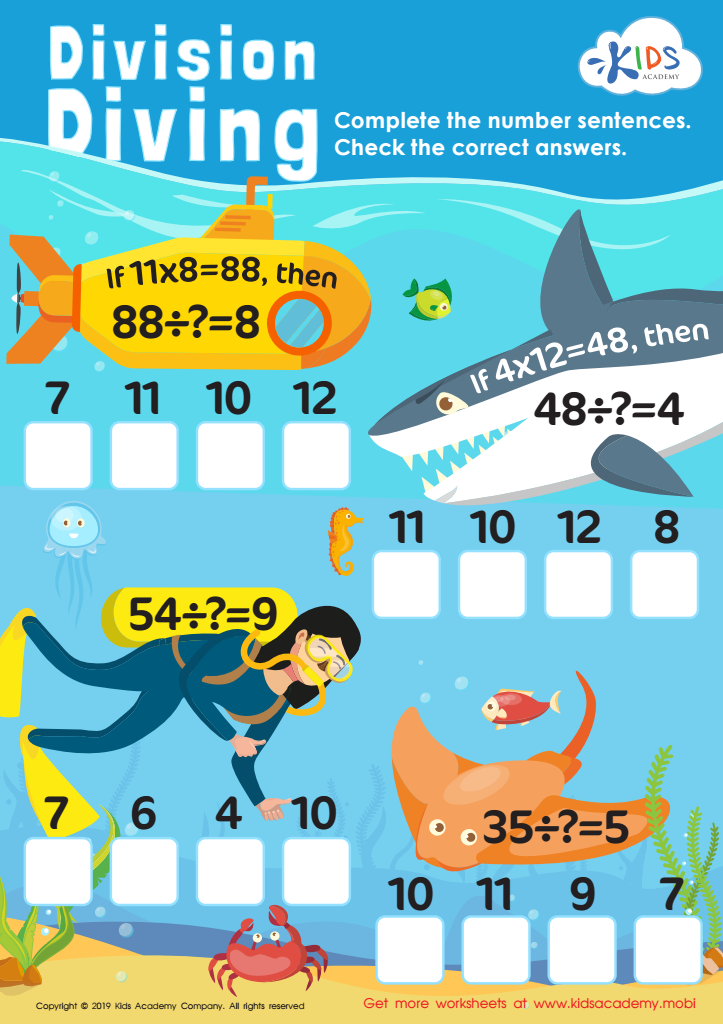
Division Diving Worksheet


Division Diving Worksheet

Kids love exploring water and this free PDF worksheet is a great way to bring the fun and math together! Kids can help the underwater friends with number sentences, and use their fact family knowledge to solve for the missing number, then choose the correct answer. This worksheet is an enjoyable way for them to practice division!
Division Diving Worksheet
Worksheet


Problem-Solving Skills in Science are crucial for children aged 8-9 because they help in the development of critical thinking, creativity, and resilience. At this formative stage, kids are naturally curious and eager to explore the world around them. Introducing them to problem-solving in science harnesses this curiosity and transforms it into a structured approach towards learning and understanding both scientific principles and everyday challenges.

Engaging in problem-solving activities allows children to experiment, hypothesize, and draw conclusions. This process boosts their cognitive abilities, encouraging them to think logically and systematically. Moreover, problem-solving often requires collaboration, teaching kids essential social skills such as communication, teamwork, and empathy.

Additionally, hands-on problem-solving activities can enhance a child's confidence and independence. Successfully finding solutions fosters a sense of achievement and empowerment. Resilience is also built as children learn to view mistakes and setbacks as valuable parts of the learning process.

Finally, nurturing problem-solving skills early prepares children for future educational endeavors and real-world scenarios, creating a strong foundation for lifelong learning and adaptability. Both parents and teachers benefit by knowing that they are equipping children with essential tools to face an increasingly complex and dynamic world.