Division practice Normal Plants and Animals Worksheets for Ages 8-9
4 filtered results
Difficulty Level
Grade
Age
-
From - To
Subject
Activity
Standards
Welcome to our engaging "Division Practice for Normal Plants and Animals Worksheets," specifically designed for children aged 8-9! These interactive worksheets blend essential division skills with captivating themes from the natural world. Your child will explore numerical concepts while learning about plant and animal life cycles, habitats, and ecosystems. Each worksheet provides clear instructions, vibrant illustrations, and fun exercises to enhance understanding. Promote critical thinking and foster a love for science while practicing math! Perfect for classroom use or at-home learning, these worksheets will make mastering division a delightful experience. Start your child's educational journey today with hands-on practice!
Favorites
With answer key
Interactive
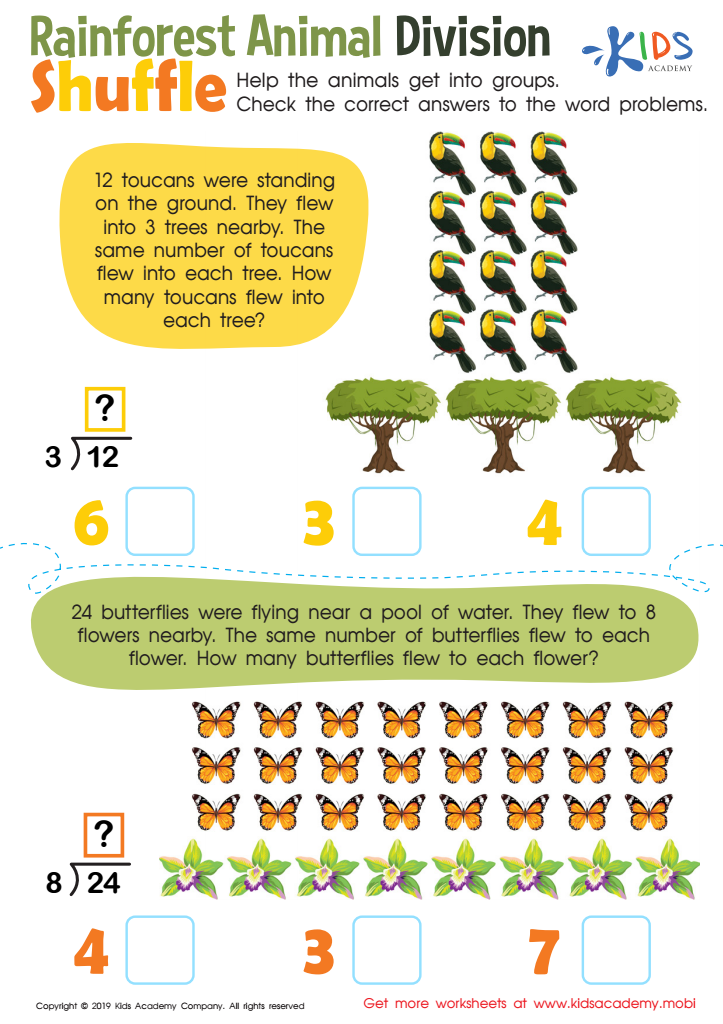
Rainforest Animal Division Worksheet
Children can save the rainforest and learn about division with this worksheet! It helps kids understand that division involves creating equal groups of specific numbers, and with its visual representation, they can grasp the concept more easily. They'll have fun learning about their place in the world and their role in protecting the environment.
 Assign to My Students
Rainforest Animal Division Worksheet
Worksheet
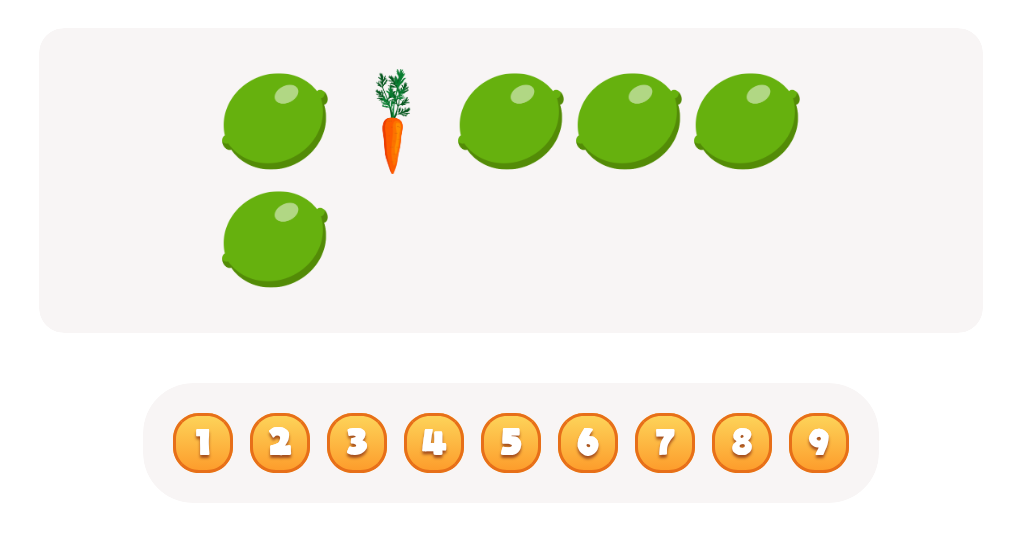

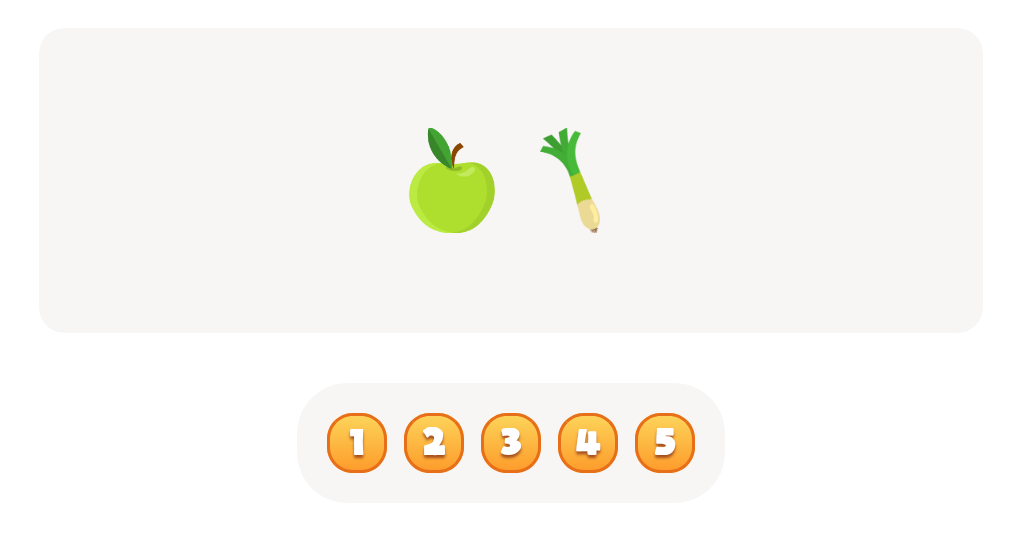
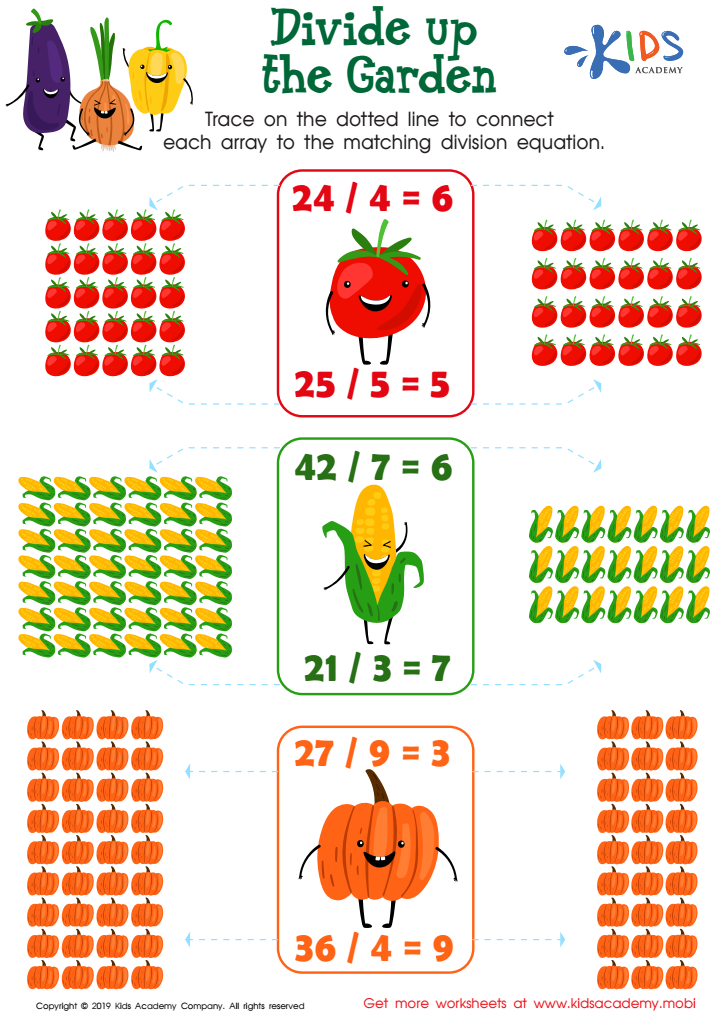
Divide up the Garden Worksheet
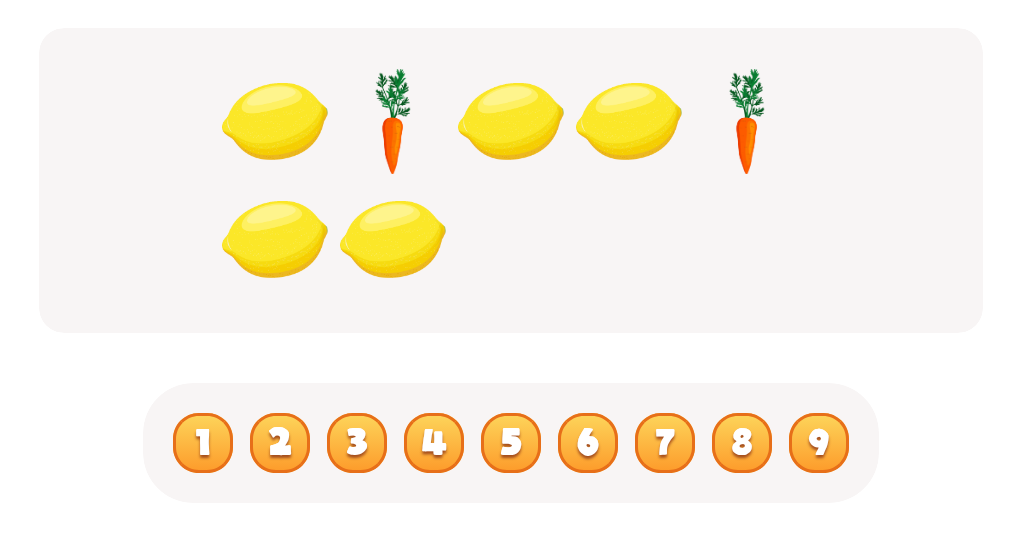
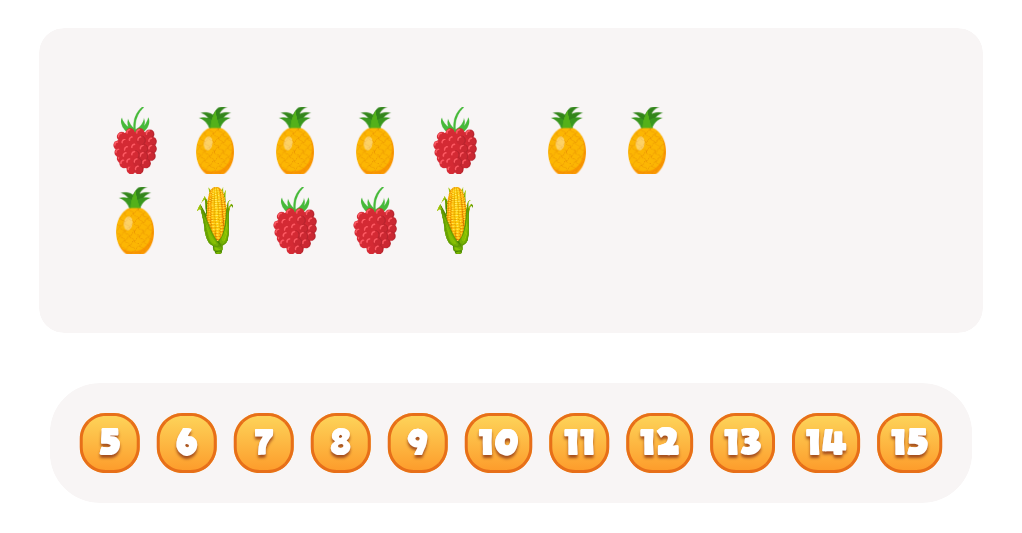
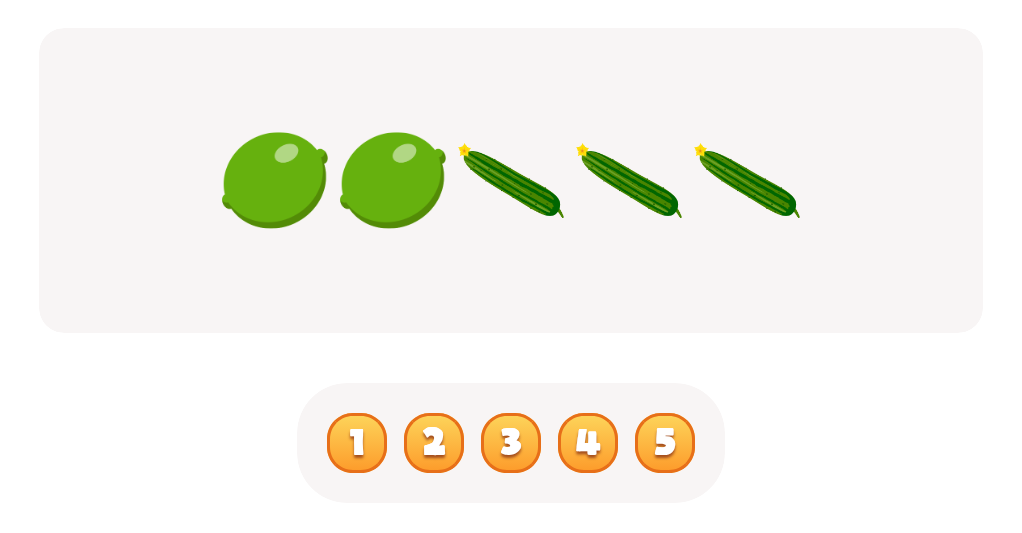
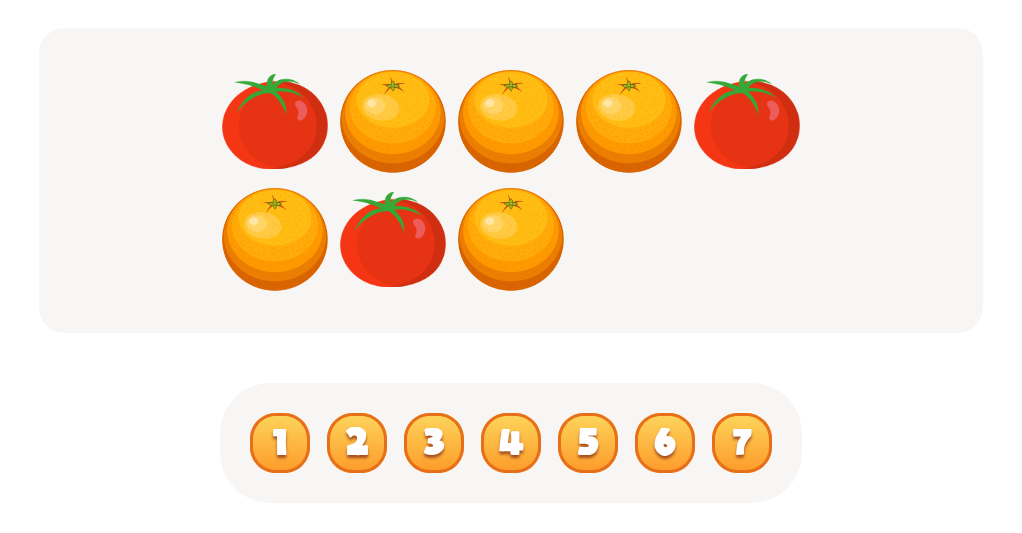
Dividing is simply grouping items into equal sets. This worksheet helps kids see division problems in array form. They'll match each equation with a picture group, using the lines provided. It's a great way for beginners to understand division more concretely.
Divide up the Garden Worksheet
Worksheet
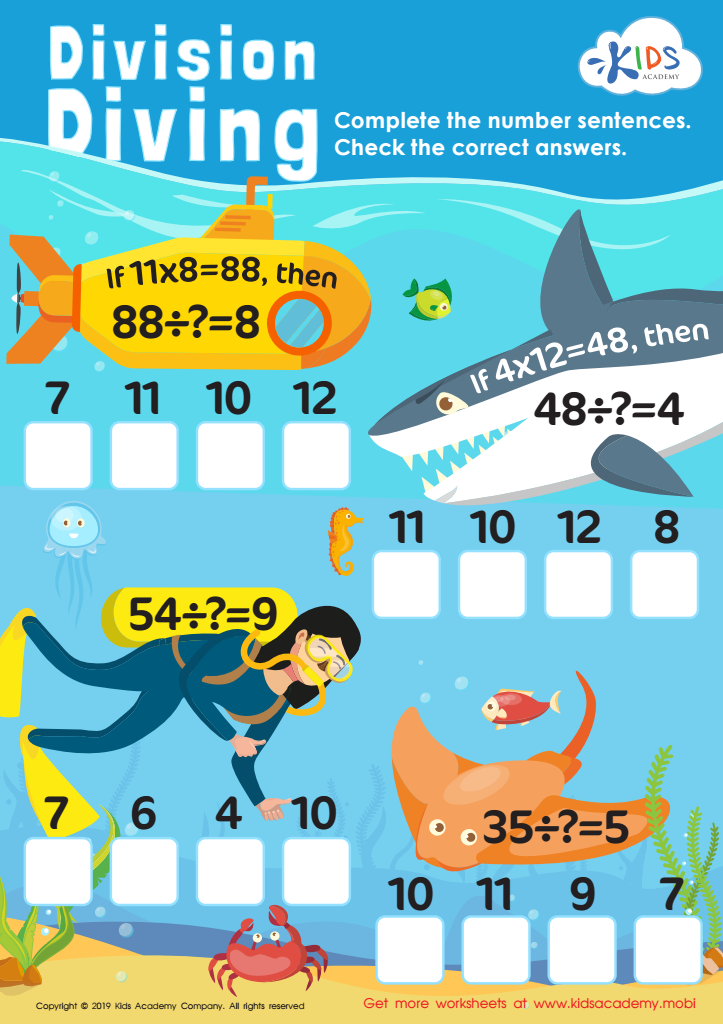
Division Diving Worksheet
Kids love exploring water and this free PDF worksheet is a great way to bring the fun and math together! Kids can help the underwater friends with number sentences, and use their fact family knowledge to solve for the missing number, then choose the correct answer. This worksheet is an enjoyable way for them to practice division!
Division Diving Worksheet
Worksheet
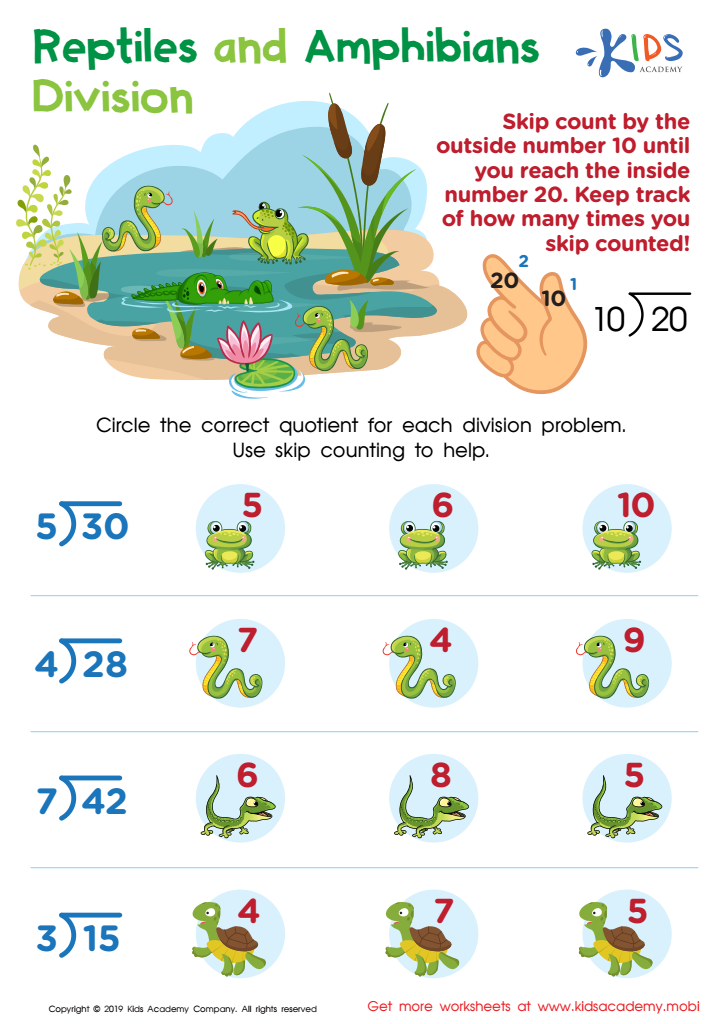
Reptile and Amphibians Division Worksheet
Skip counting is key in division. This PDF worksheet helps children practice this skill with fun reptile and amphibian friends. They must circle the right quotient among the choices given to reinforce their pattern recognition. Perfect for mastering division!
Reptile and Amphibians Division Worksheet
Worksheet
Join Kids Academy for Free
Who is primarily going to use this learning content?








Parents and teachers play a crucial role in shaping a child's understanding of foundational mathematical concepts, such as division. Addressing division practice through engaging themes like normal plants and animals offers several benefits for children aged 8-9. First, it contextualizes mathematical concepts in relatable and tangible ways, making division more understandable and less abstract. By exploring division in the context of plants and animals, children can visualize scenarios such as sharing resources or dividing habitats, enhancing their comprehension of real-world applications.
Moreover, integrating nature into division practice can ignite curiosity and encourage students to explore their surroundings, fostering a love for learning. This approach stimulates critical thinking and problem-solving skills as children work through division problems based on ecological examples. Additionally, it promotes discussions about biodiversity, ecosystems, and conservation, linking mathematics with environmental education.
Working collaboratively on division exercises related to plants and animals can strengthen social skills and improve classroom dynamics. The integration of nature-related themes also appeals to multiple learning styles, allowing children who may struggle with traditional methods to engage more effectively. Ultimately, encouraging division practice through these engaging contexts supports academic growth, environmental awareness, and a well-rounded educational experience for young learners.