Learning about ecosystems Normal Plants and Animals Worksheets for Ages 8-9
3 filtered results
-
From - To
Discover the engaging world of ecosystems with our "Normal Plants and Animals" worksheets, designed specifically for children aged 8-9. These science worksheets offer an exciting way for young learners to explore the relationships between plants, animals, and their environments. Through interactive activities, your child will develop essential learning skills and deepen their understanding of ecosystems. Perfect for classroom use or at-home learning, these carefully crafted worksheets stimulate curiosity and foster a love for nature. Empower your child to become a young ecologist today with Kids Academy's educational and fun resources.
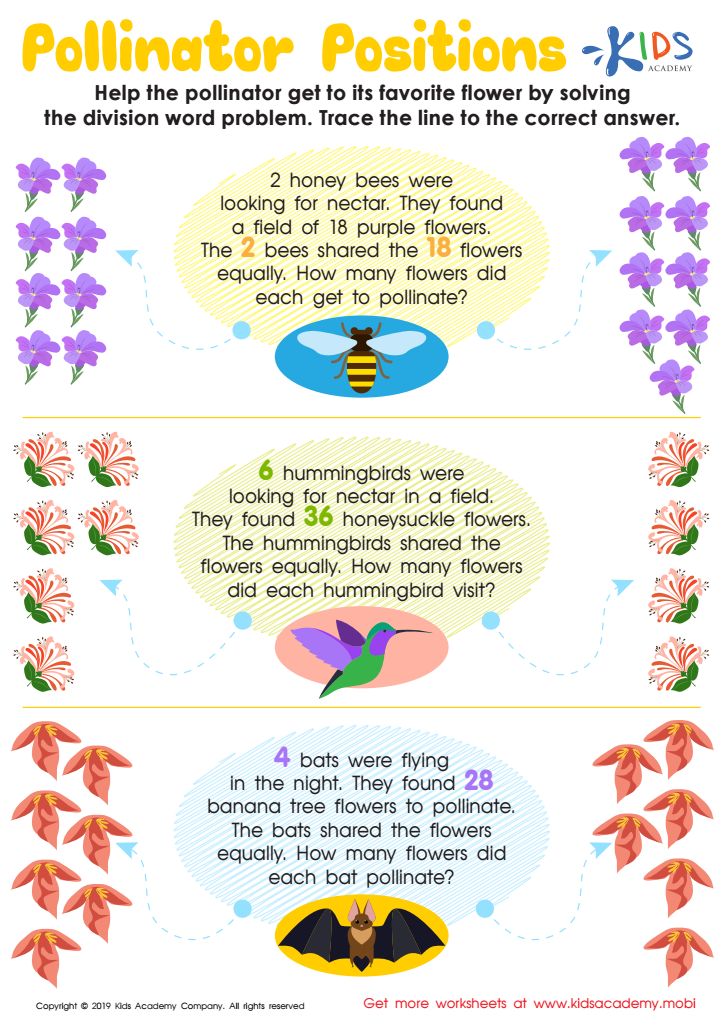
Pollinator Positions Worksheet
 Assign to My Students











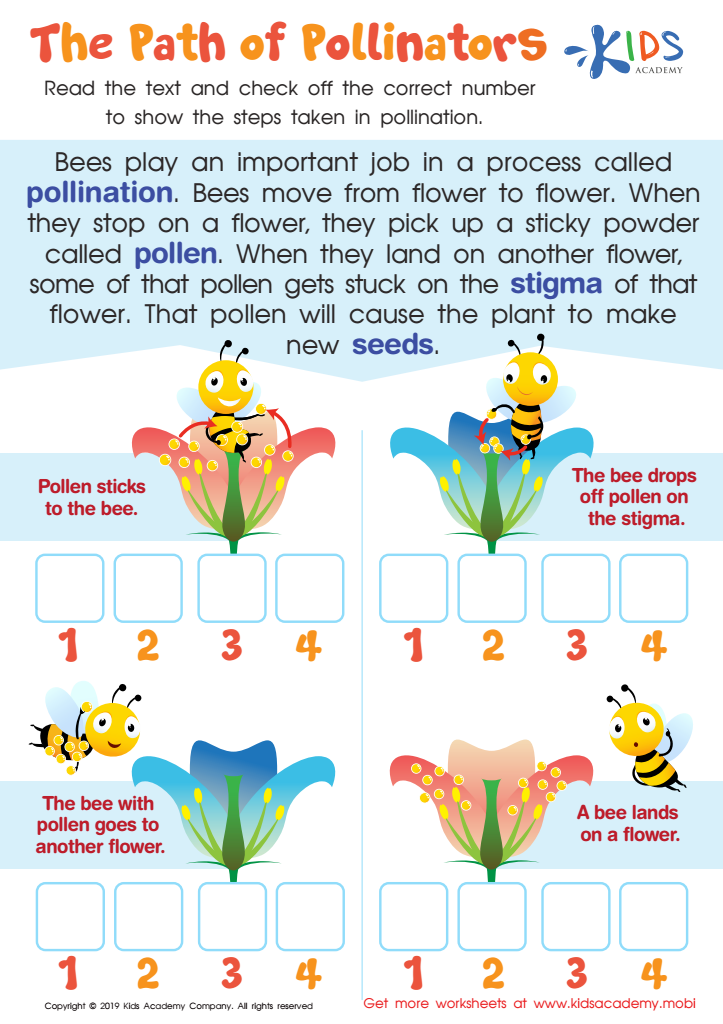
The Path of Pollinators Worksheet
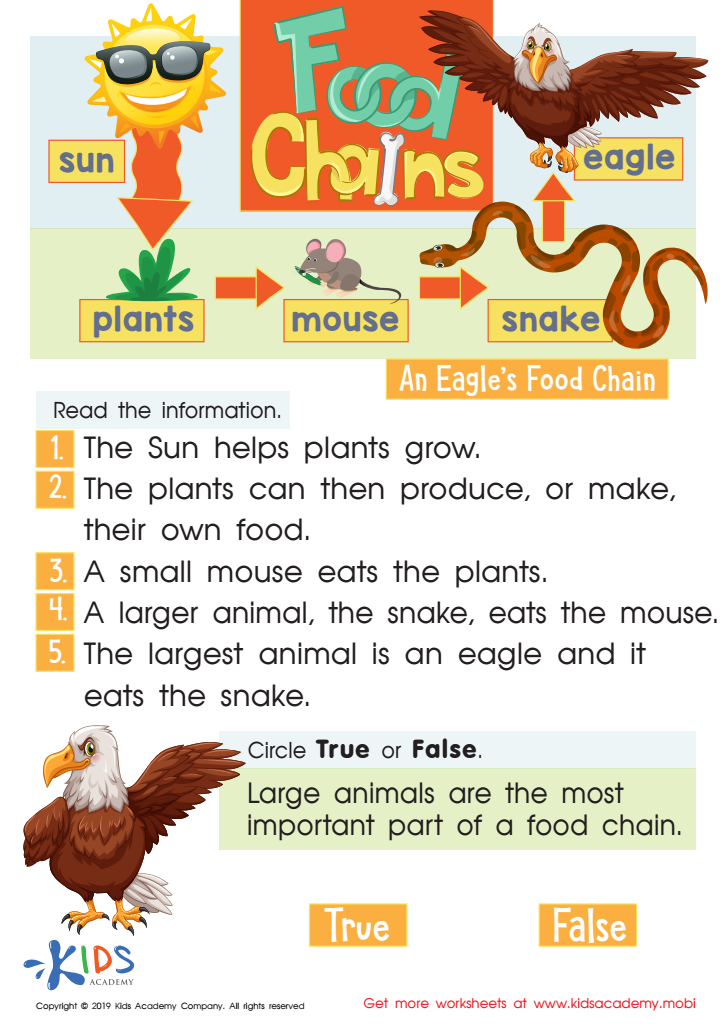
Food Chains Worksheet








Understanding ecosystems, normal plants, and animals is crucial for children aged 8-9 because it lays the foundation for environmental awareness and scientific curiosity. At this age, children are naturally curious and begin to grasp more complex ideas. Teaching them about ecosystems helps them recognize the interconnectedness of all living things and the environment. It instills an appreciation for nature and the importance of biodiversity, fostering a sense of responsibility towards conserving their surroundings.
Learning about plants and animals also enhances critical thinking and observational skills. By exploring various species and how they interact within ecosystems, children gain insights into life cycles, habitats, and the balance of nature. This knowledge is directly aligned with core science curricula, reinforcing classroom learning through practical and engaging experiences.
Moreover, understanding ecosystems can nurture empathy and respect for living organisms, promoting positive attitudes towards wildlife conservation from a young age. Activities like gardening, nature walks, and observing wildlife can be collaborative and fun, enhancing social skills and teamwork among peers.
Parents and teachers who prioritize this aspect of education contribute to raising informed, responsible, and environmentally-conscious future citizens. These early lessons can inspire careers in science, ecology, and conservation, making a long-term impact on both individual growth and global sustainability.







