Problem-Solving Skills Normal Community Worksheets for Ages 8-9
3 filtered results
-
From - To
Unlock your child's potential with our engaging "Problem-Solving Skills Normal Community Worksheets" designed specifically for ages 8-9. These interactive worksheets foster critical thinking and promote creative solutions as children navigate real-life community scenarios. By tackling various challenges, students learn to analyze situations, evaluate options, and make informed decisions. These activities not only enhance problem-solving abilities but also encourage teamwork and communication skills. With a focus on relatable community experiences, our worksheets are a fun and valuable resource for building essential life skills. Boost your child's confidence and readiness for everyday situations while making learning enjoyable and insightful!
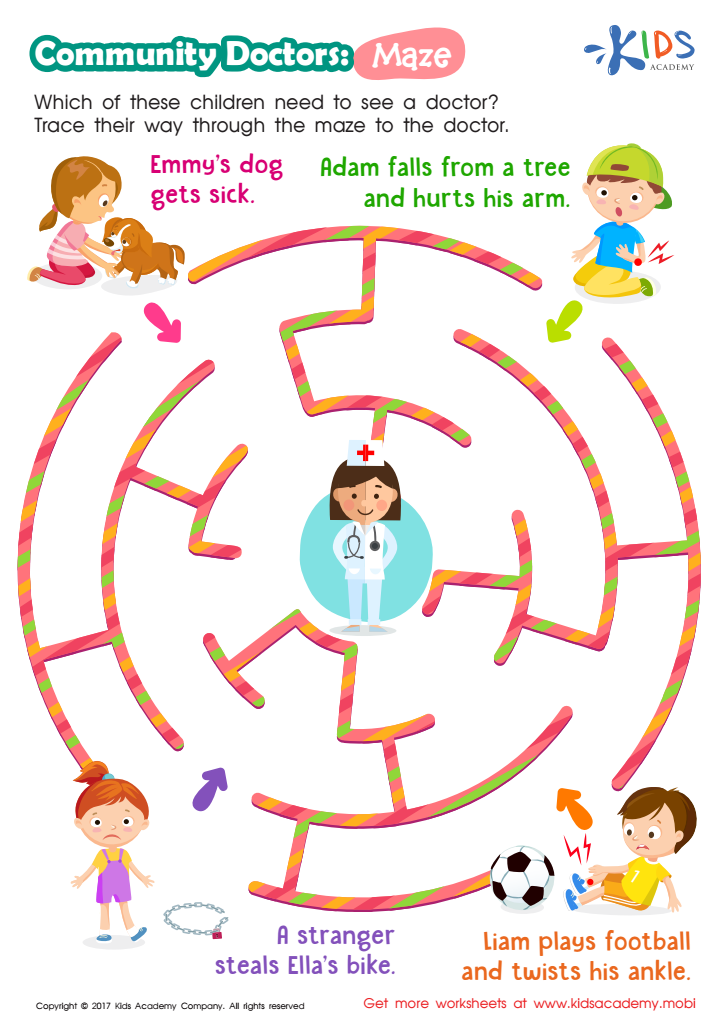
Community Doctors: Maze Printable
 Assign to My Students
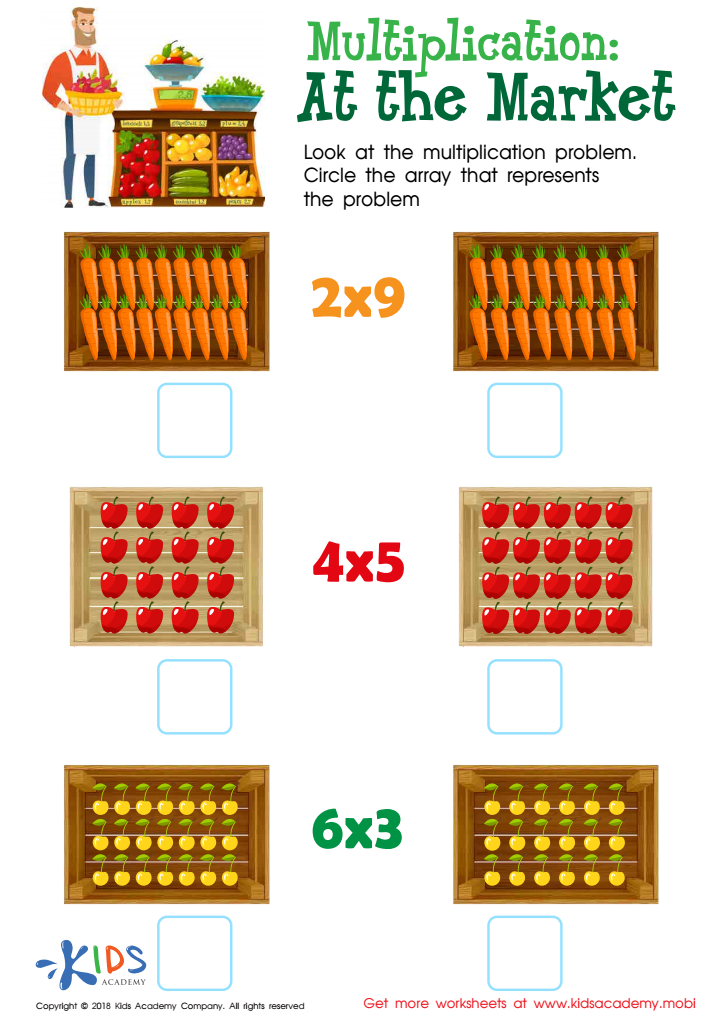
At the Market Worksheet
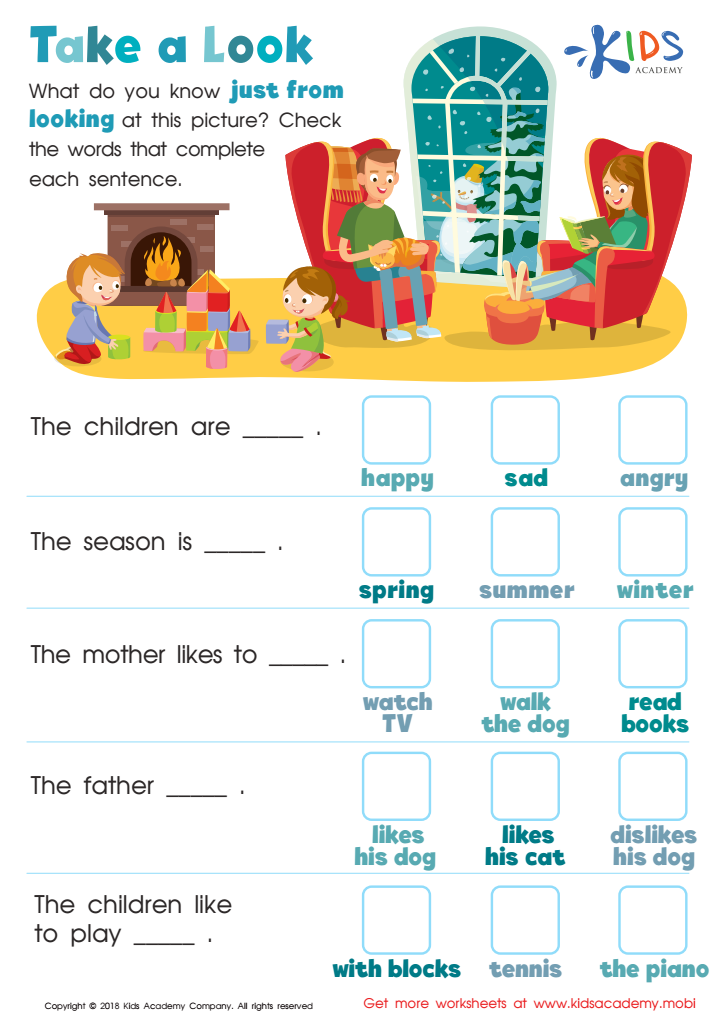
Take a Look - Part 1 Worksheet







Parents and teachers should prioritize problem-solving skills in children aged 8-9 because these skills are foundational to academic success and lifelong learning. At this age, children improve their critical thinking and begin to navigate more complex tasks and interpersonal dynamics, making strong problem-solving abilities essential.
Firstly, effective problem-solving fosters independence. Children learn how to approach challenges, whether academic or social, with confidence. This resilience enables them to tackle future obstacles constructively. By encouraging problem-solving, parents and educators also promote creativity, as children are prompted to explore multiple solutions and think outside the box.
Moreover, children who develop strong problem-solving skills often perform better academically. Subjects like math and science require logical reasoning and the ability to evaluate outcomes. Teaching these skills early on sets a robust foundation for higher learning.
Lastly, problem-solving cultivates teamwork and communication. Engaging in group activities and collaborative projects helps children learn to share ideas and consider diverse perspectives. In a community context, these skills are vital for nurturing empathy and cooperation, which are essential for healthy social interactions.
In conclusion, supporting problem-solving skills in children ages 8-9 equips them with essential tools that enhance their learning experience and interpersonal relationships, paving the way for their future success.








