Vocabulary expansion Normal Writing Worksheets for Ages 8-9 - Page 2
26 filtered results
-
From - To
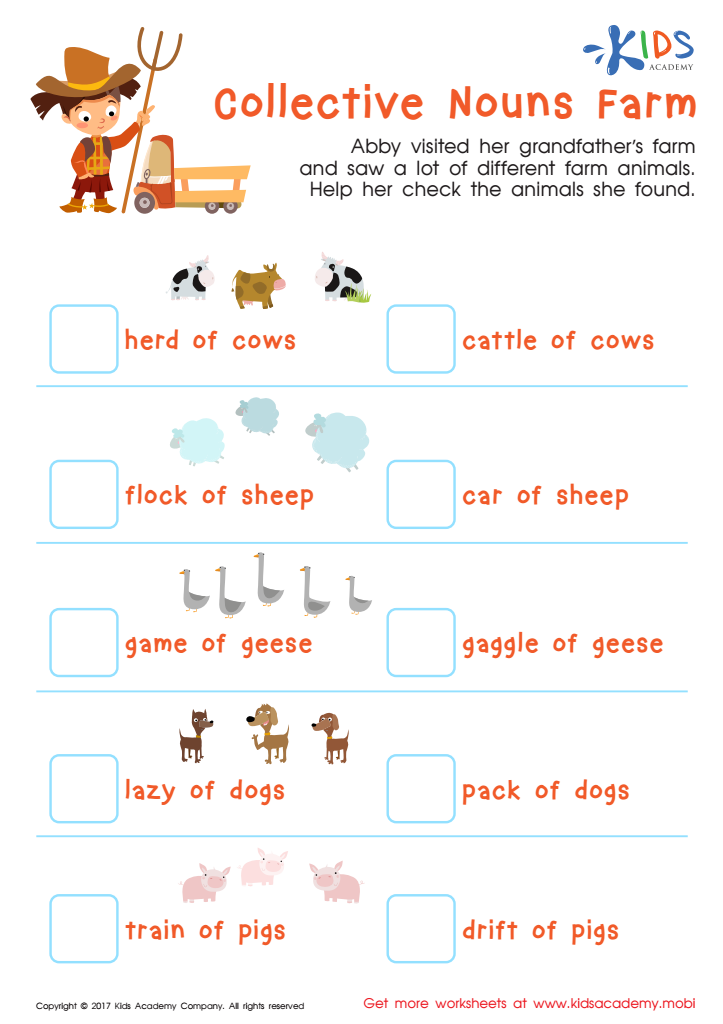
Collective Nouns Worksheet
 Assign to My Students
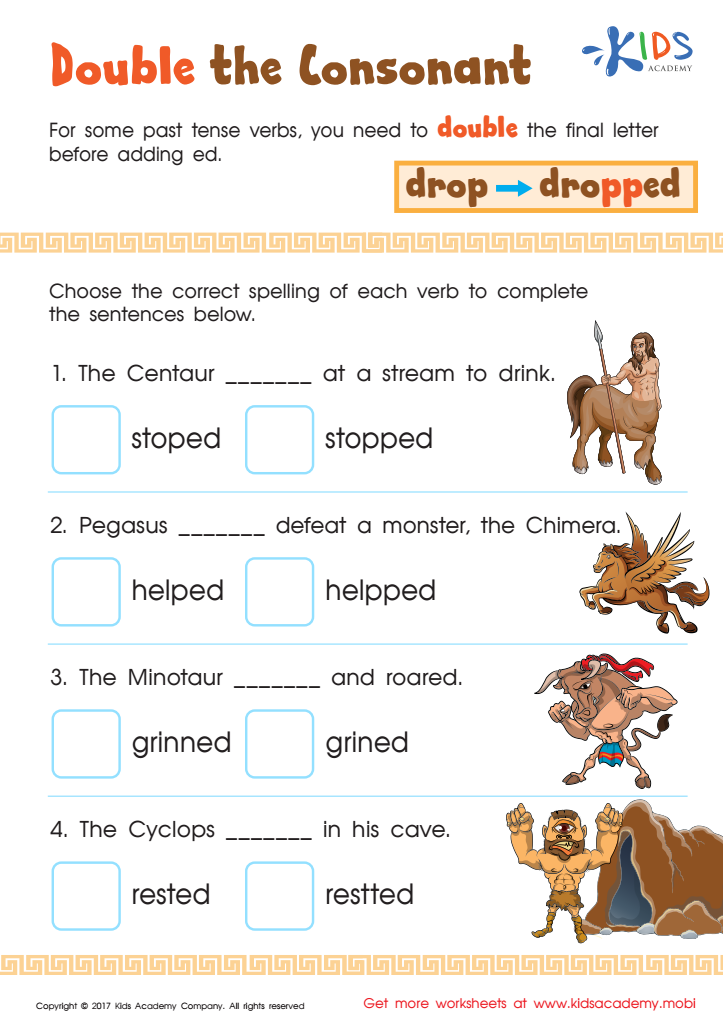
Double Consonant Spelling Worksheet



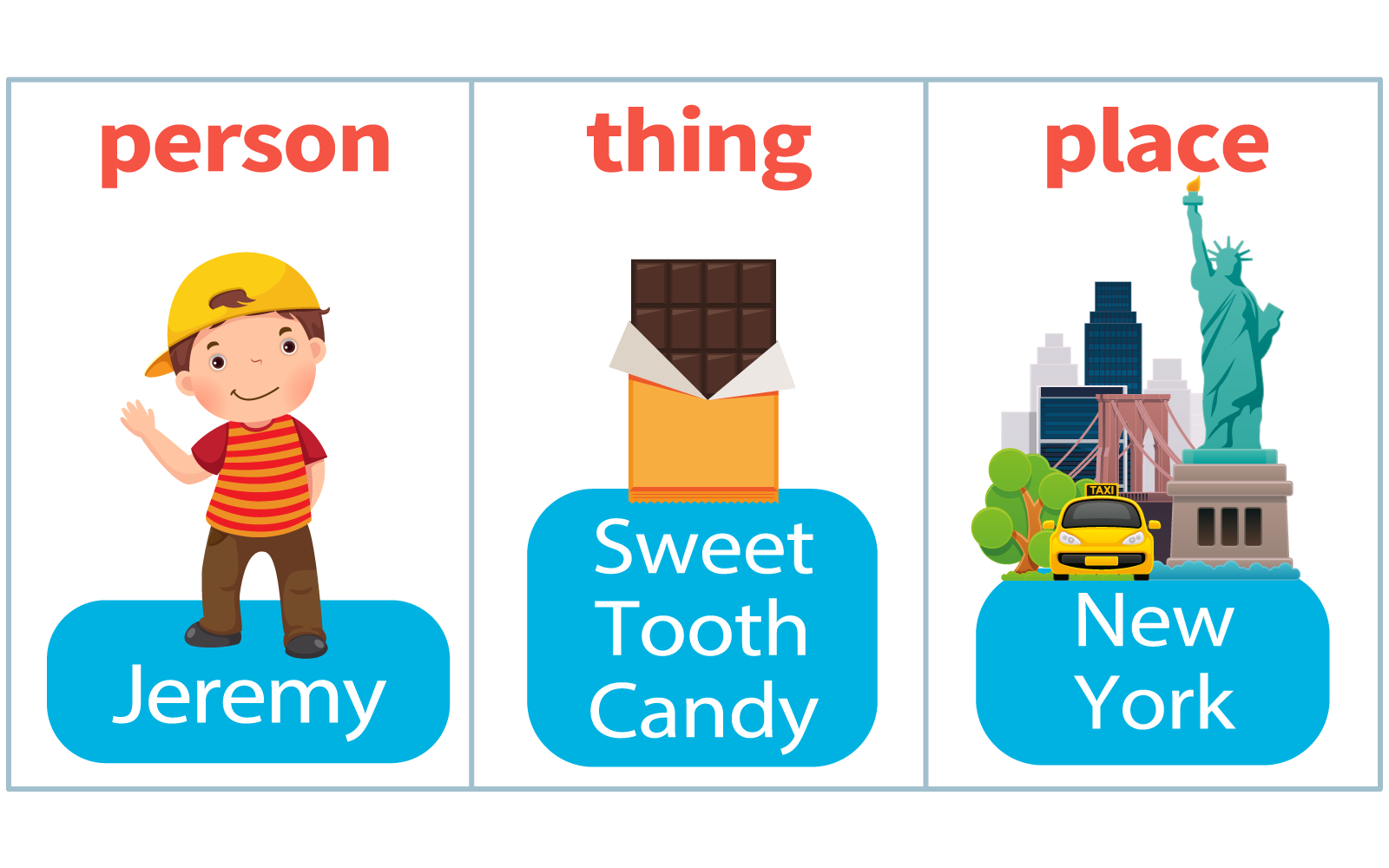




Vocabulary expansion is crucial for children aged 8-9 because it sets a strong foundation for their future academic success and overall communication skills. At this age, children are transitioning from learning to read to reading to learn. A rich vocabulary helps them comprehend texts more easily and enhances their ability to express themselves clearly and accurately.
Parents and teachers should prioritize vocabulary development because it plays a significant role in reading comprehension. When children understand more words, they can make better sense of what they read, which in turn encourages a love for reading. This love for reading can lead to greater academic achievements across various subjects, not just language arts.
Moreover, a robust vocabulary aids cognitive development. It helps children categorize and process information more effectively, and it fosters critical thinking. Socially, children with strong vocabulary skills can communicate their thoughts and emotions more confidently, enabling them to build better relationships with peers and adults.
Incorporating new words into daily lessons, conversations, and reading activities can make a substantial difference. Parents and teachers working together to expose children to diverse and rich language experiences will equip them with the tools needed for lifelong learning and effective communication skills.