Alphabetical order understanding Normal Worksheets for 8-Year-Olds
3 filtered results
-
From - To
Enhance your child's learning experience with our "Alphabetical Order Understanding Worksheets" designed specifically for 8-year-olds! These engaging, printable worksheets help students master the essential skill of organizing words and information alphabetically. Packed with fun activities, your child will practice sorting words, identifying letters, and understanding the significance of alphabetical order in daily life. These worksheets not only strengthen literacy skills but also encourage critical thinking and attention to detail. By promoting a hands-on learning approach, kids will find joy in mastering this fundamental skill. Discover the perfect balance of education and fun—download our worksheets today to amplify your child's learning journey!

Letter G Tracing Page
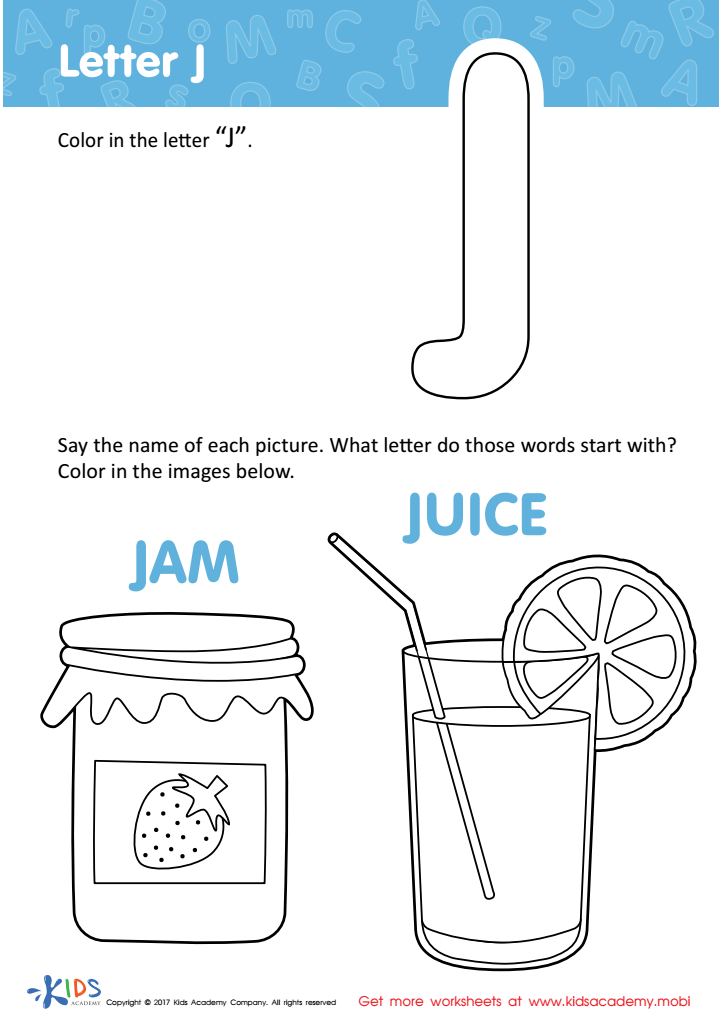
Letter J Coloring Sheet
 Assign to My Students
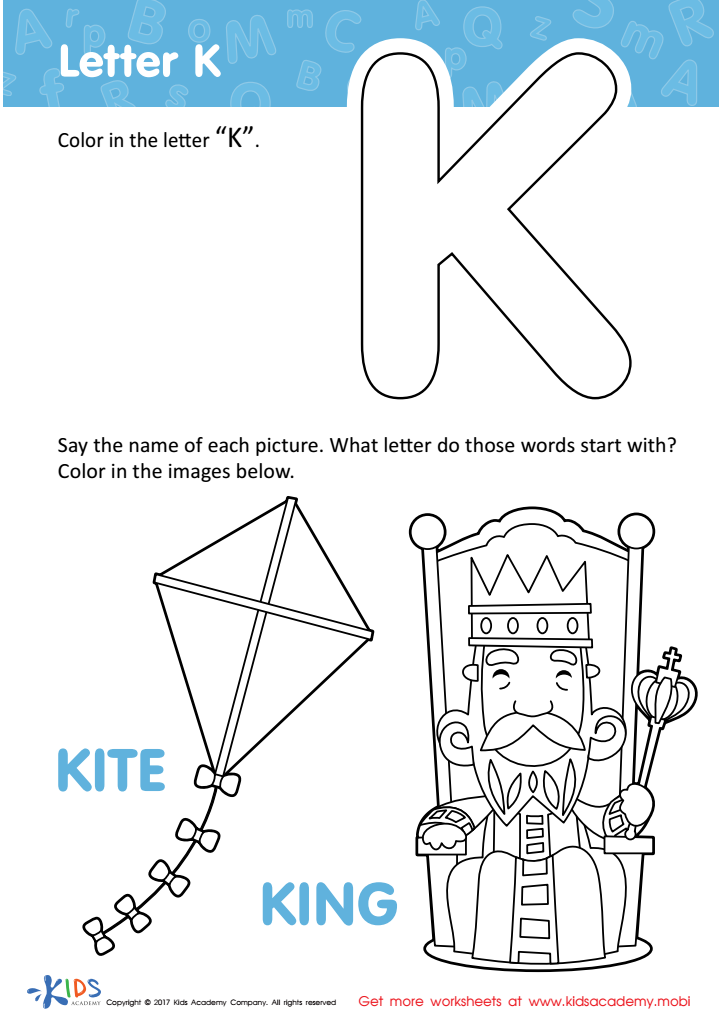
Letter K Coloring Sheet
Assign to My Students






Understanding alphabetical order is vital for 8-year-olds as it lays the foundation for reading, writing, and organizational skills. For parents and teachers, this concept isn't just about arranging letters but plays a significant role in various academic and everyday contexts.
Firstly, it enhances literacy skills. When children can sort words alphabetically, they improve their reading comprehension and vocabulary acquisition. They learn to categorize and differentiate between similar words, which contributes to better spelling and word recognition.
Secondly, mastering alphabetical order is critical for research and information retrieval. Whether using a dictionary, encyclopedia, or library index, knowing how to locate information alphabetically is essential. This skill empowers children to find needed resources autonomously, fostering independence in their learning.
Furthermore, understanding alphabetical order promotes cognitive development by encouraging critical thinking and pattern recognition. When children engage with this task, they enhance their problem-solving abilities and develop a systematic approach to organizing knowledge.
Lastly, in social and collaborative settings, using alphabetical order exemplifies fairness and respect, as it ensures every child's work is considered equally. Parents and teachers should prioritize teaching this concept to provide children with essential tools for their continued educational journey.








