Attention to Detail Normal Worksheets for 8-Year-Olds
5 filtered results
-
From - To
Enhance your child's focus and observation skills with our Attention to Detail Normal Worksheets for 8-Year-Olds! These engaging worksheets are thoughtfully designed to help young learners develop their critical thinking and attention to detail while having fun. Each activity encourages children to spot differences, find hidden objects, and complete puzzles, fostering creativity and sharpening their observational skills. Ideal for home or school use, these worksheets promote independent learning and can be easily printed for convenience. Equip your 8-year-old with essential skills that will benefit them across subjects. Start exploring the exciting world of detail with our captivating resources today!
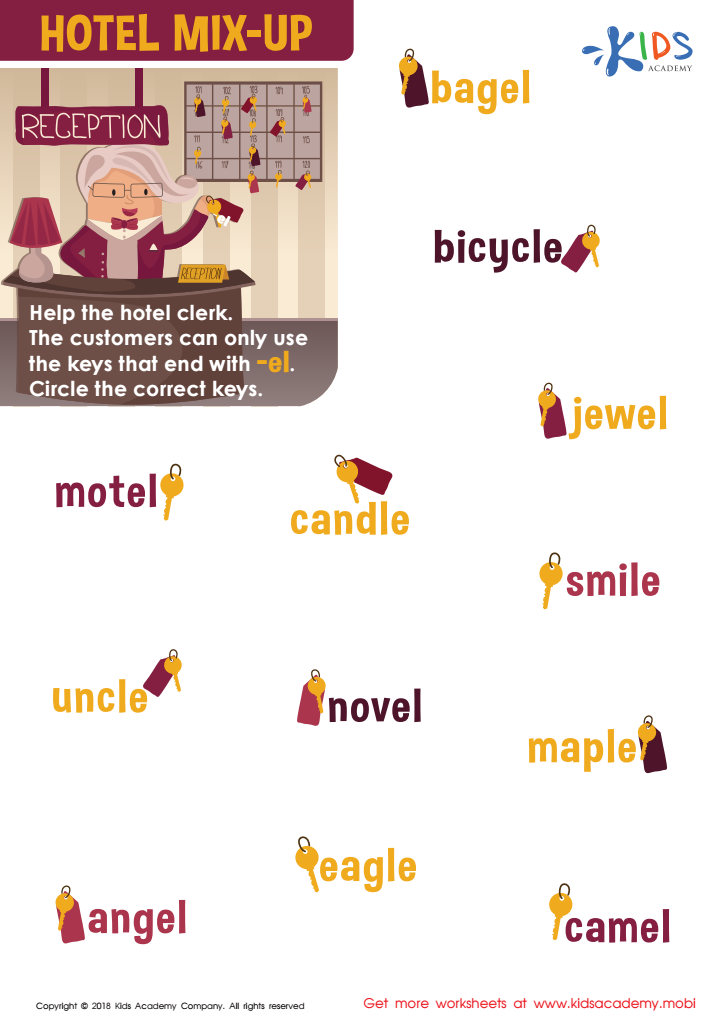
Hotel Mix-up Worksheet

The Dog and His Bone Worksheet
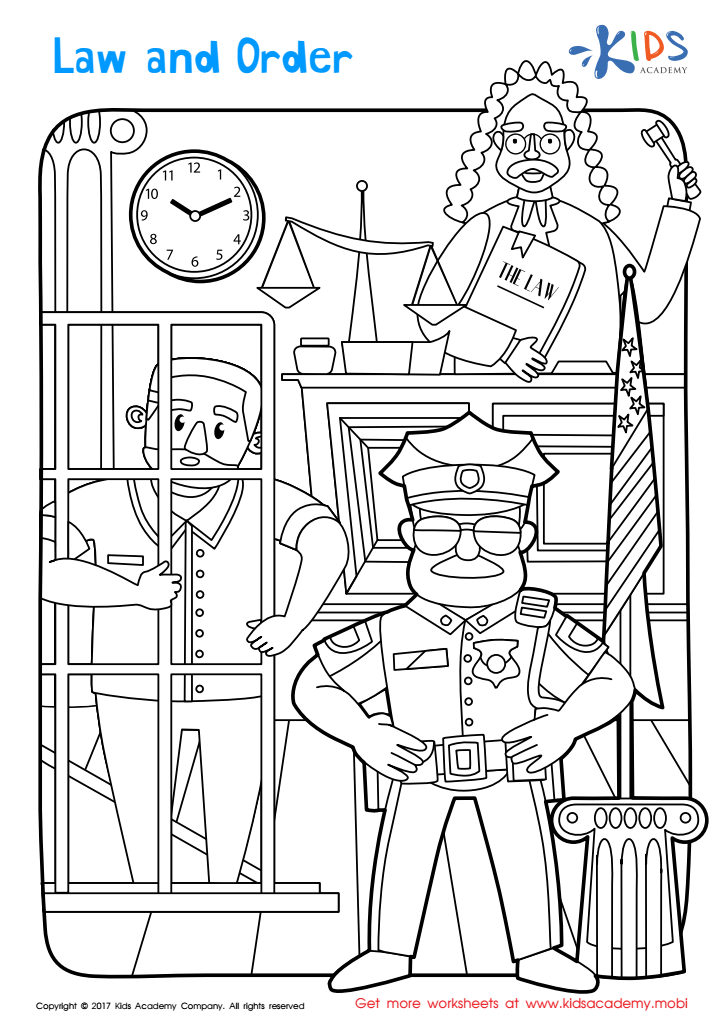
Law and Order Coloring Page Worksheet
 Assign to My Students
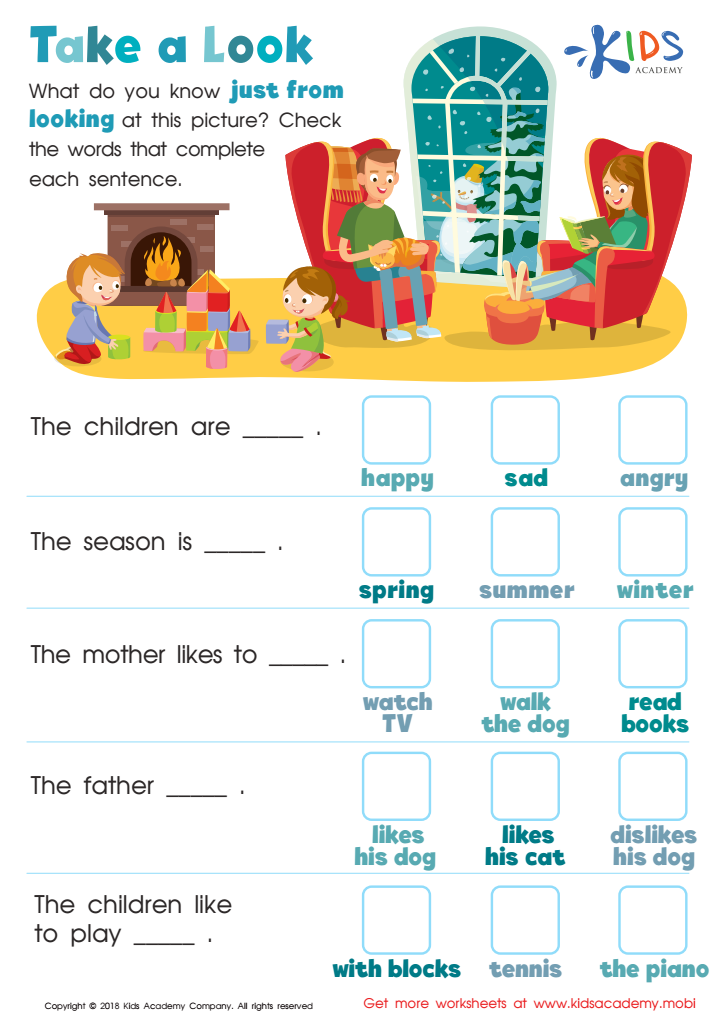
Take a Look - Part 1 Worksheet
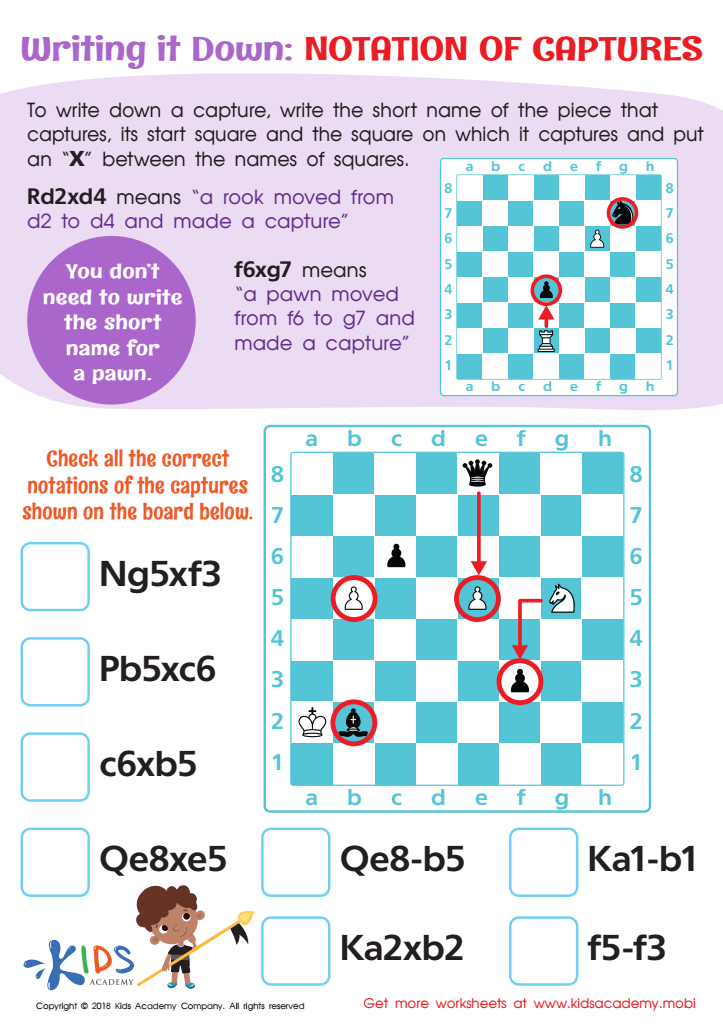
Notation of Captures Writing it Down Worksheet





.jpg)

Attention to detail is crucial for the development of 8-year-old children, and both parents and teachers should prioritize fostering this skill. At this age, children are actively learning to interpret their environments, understanding complex instructions, and engaging in critical thinking. Developing attention to detail enhances their academic performance, as they become better equipped to recognize errors in their work, comprehend instructions fully, and carry out tasks effectively.
Beyond academics, attention to detail cultivates essential life skills. Children learn to observe their surroundings, enhancing curiosity and facilitating learning through exploration. They also develop problem-solving abilities, as focusing on specifics allows them to approach challenges with a more analytical mindset. Additionally, this skill fosters self-discipline and patience, qualities that are valuable both in and out of the classroom.
Furthermore, nurtured attention to detail can help prevent feelings of frustration and overwhelm as tasks become more complicated in later grades. By recognizing the importance of this skill, parents and teachers can implement strategies—such as mindfulness activities, detailed project instructions, and constructive feedback—that promote focused observation and careful execution. Investing in attention to detail now sets children up for future success in school and life.








