Basic Addition Normal Worksheets for 8-Year-Olds
5 filtered results
-
From - To
Discover our engaging Basic Addition Normal Worksheets designed specifically for 8-year-olds! These worksheets help reinforce foundational math skills through fun and interactive exercises. Perfect for both classroom settings and at-home practice, they encourage children to explore addition concepts with ease. Our resources focus on enhancing number recognition, building calculation confidence, and developing problem-solving abilities. With a variety of problems tailored to different learning levels, children can progress at their own pace. Download these printable worksheets today to boost your child's arithmetic skills and foster a love for math! Ideal for teachers and parents alike, our worksheets make learning enjoyable!
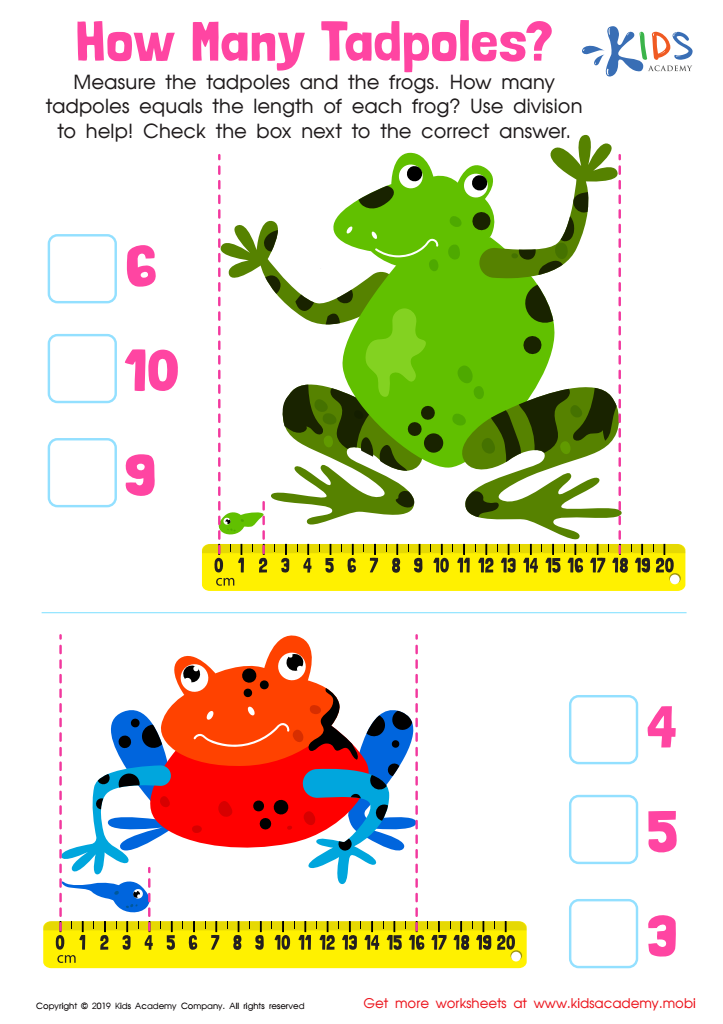
How Many Tadpoles Worksheet
 Assign to My Students
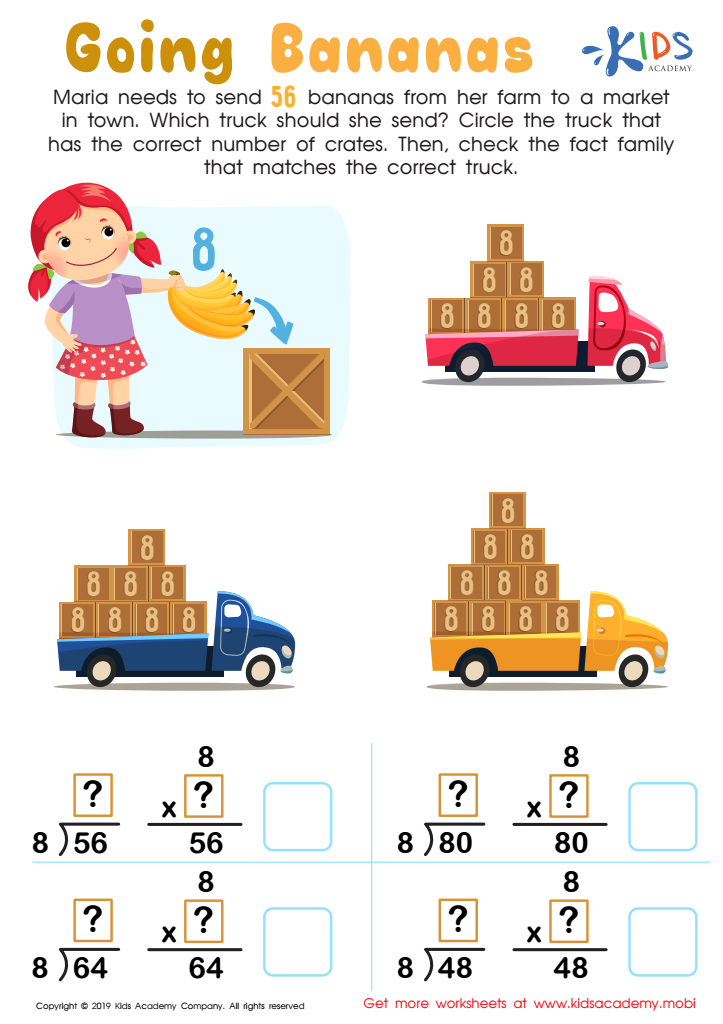
Going Bananas Worksheet
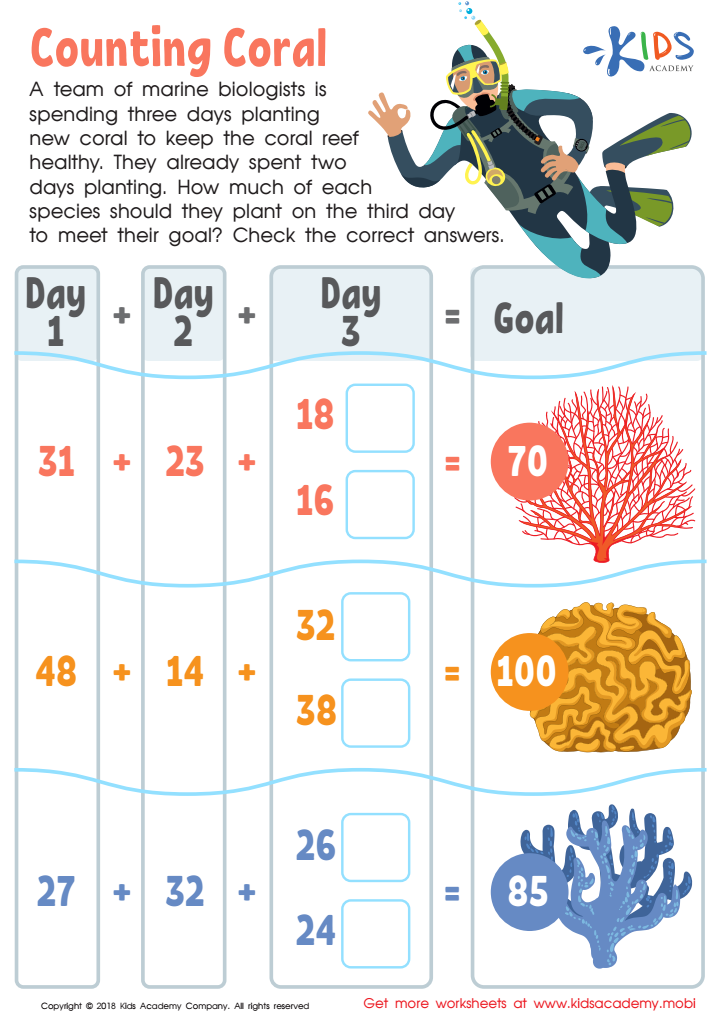
Counting Coral Worksheet
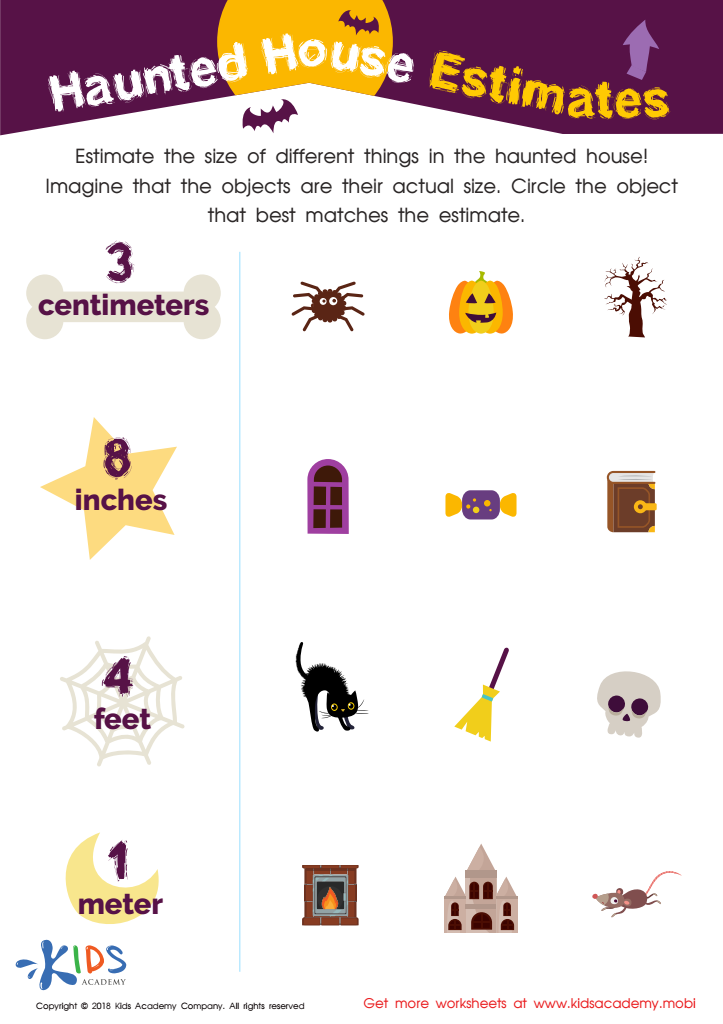
Haunted House Estimates Worksheet
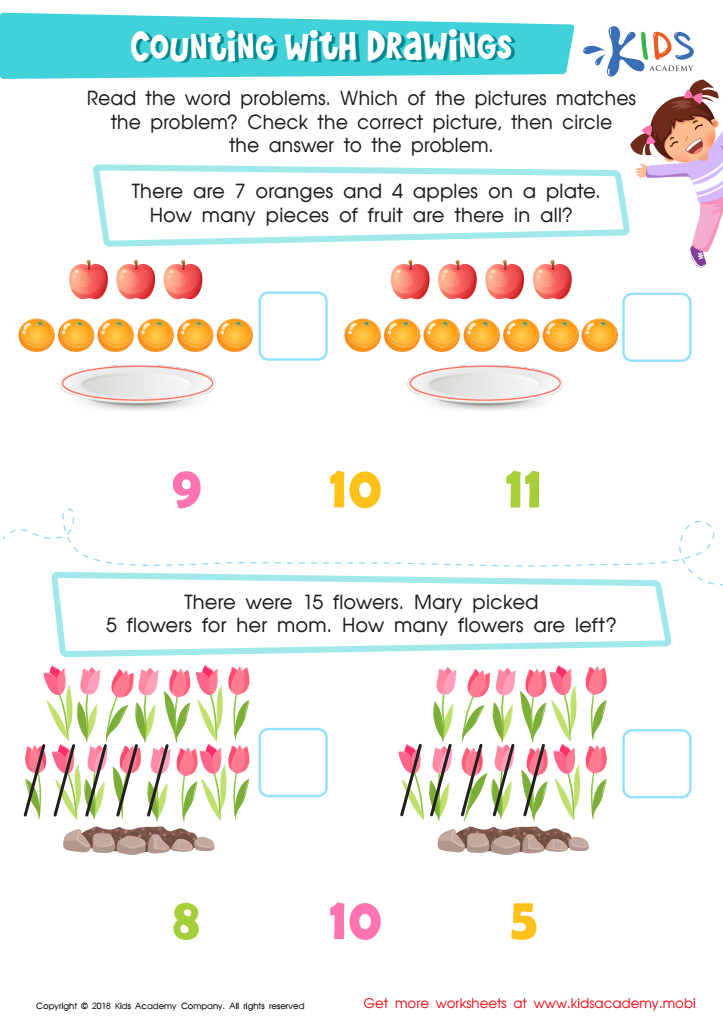
Counting with Drawings:Fruits & Flowers Worksheet


.jpg)





Understanding basic addition is crucial for 8-year-olds as it lays the groundwork for future math skills. At this age, children transition from simple calculations to problem-solving and conceptual understanding. Mastering addition enhances their confidence in math, which is pivotal for academic success.
Parents and teachers should pay close attention to this skill, as it directly impacts a child's ability to engage with more complex mathematical concepts, such as subtraction, multiplication, and division. Proficiency in addition aids in everyday tasks, like budgeting and cooking, promoting practical life skills.
Additionally, strong foundational skills in mathematics are linked to improved cognitive development and overall academic performance. Children who struggle with basic addition may face ongoing challenges and accumulate gaps in knowledge, potentially resulting in negative self-esteem towards math.
Encouraging practice through engaging methods—such as games, visuals, and real-world scenarios—can make learning enjoyable. Collaborative support from parents and teachers fosters a positive environment and cultivates a growth mindset. By prioritizing basic addition, parents and teachers are not just helping students with math; they are equipping them with essential problem-solving skills and a lifelong love for learning.








