
Critical thinking development Normal Worksheets for 8-Year-Olds
7 filtered results
Difficulty Level
Grade
Age
-
From - To
Subject
Activity
Standards
Enhance critical thinking skills with our engaging Normal Worksheets designed specifically for 8-year-olds! Our collection features a variety of fun and interactive activities that encourage children to analyze, evaluate, and synthesize information. Tailored to align with educational standards, these worksheets help young learners develop essential problem-solving skills through puzzles, logical reasoning exercises, and scenario-based questions. Each worksheet promotes creativity and independent thinking, making learning both enjoyable and effective. Perfect for classroom use or home learning, our resources are easy to print and incorporate into daily routines. Foster a lifelong love for learning and equip your child with the skills they need to succeed!
Favorites
With answer key
Interactive
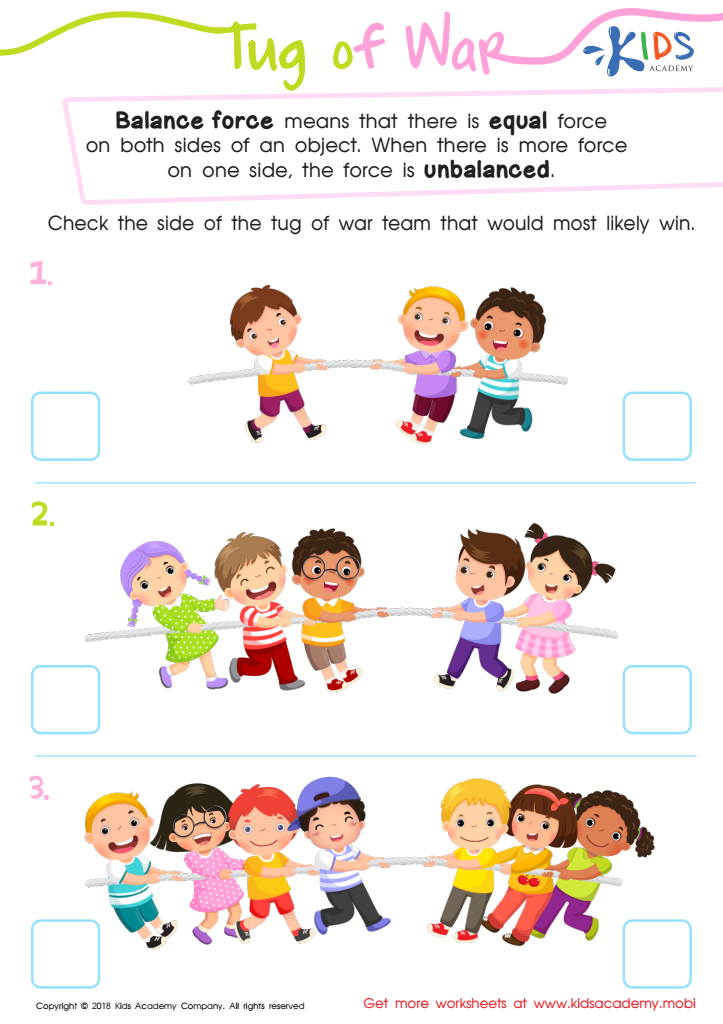
Balanced Forces Worksheet
Ready for a fun game? This worksheet will balance the forces so your kids can decide who will win their tug of war! With the right number of kids on each side of the rope, the forces will be equal. Help your little ones decide who will prevail in the game. Ready, set, go!
 Assign to My Students
Balanced Forces Worksheet
Worksheet
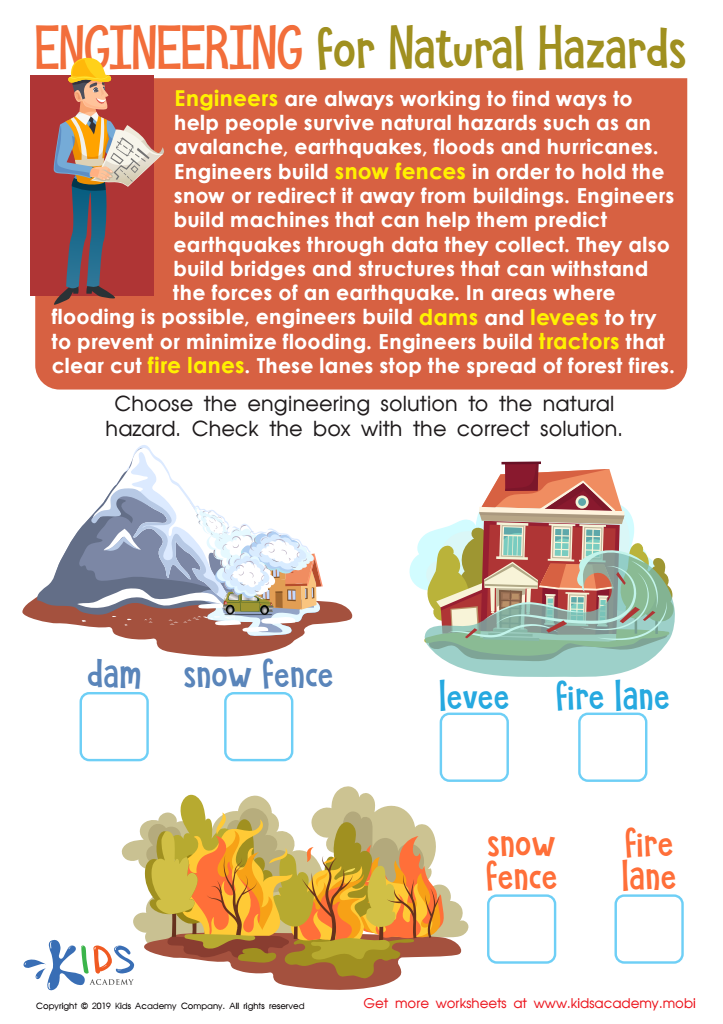
Engineering Natural Hazards Worksheet
Natural hazards can be lessened with precautions. This free worksheet engages kids with informative text on how engineers protect us and lets them practice reading comprehension by choosing the right option.
Engineering Natural Hazards Worksheet
Worksheet
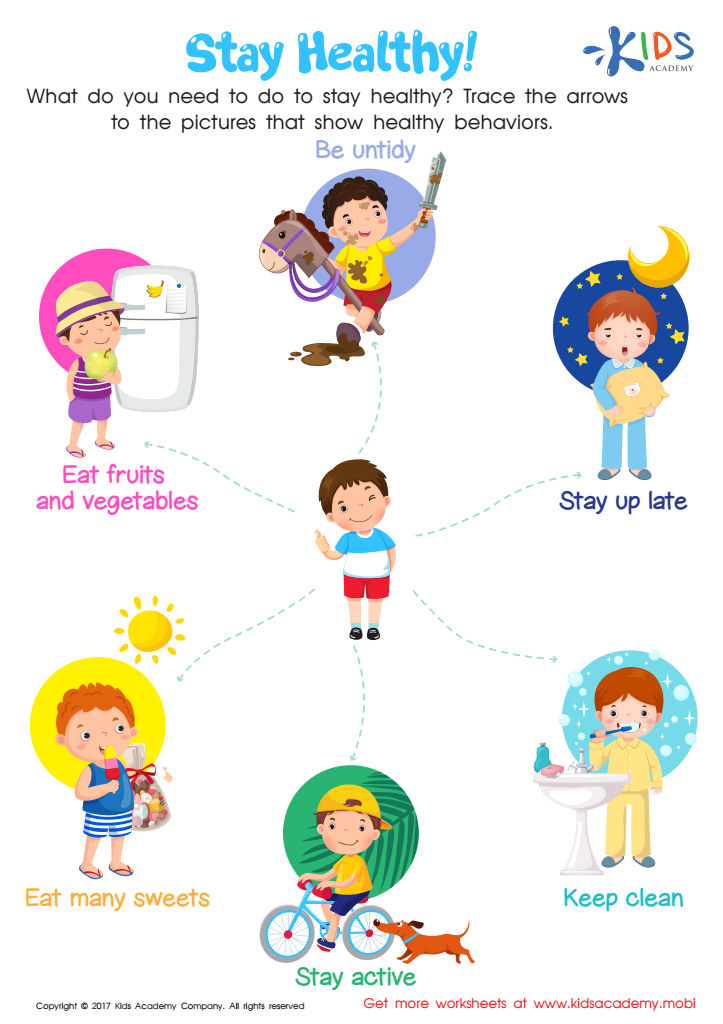
Healthy and Unhealthy Behaviors Worksheet
Assist your youngster to recognize beneficial habits for a joyful, healthy life with this healthy/unhealthy behaviors worksheet! After they finish, motivate them to follow the tips on the worksheet to show healthy habits.
Healthy and Unhealthy Behaviors Worksheet
Worksheet
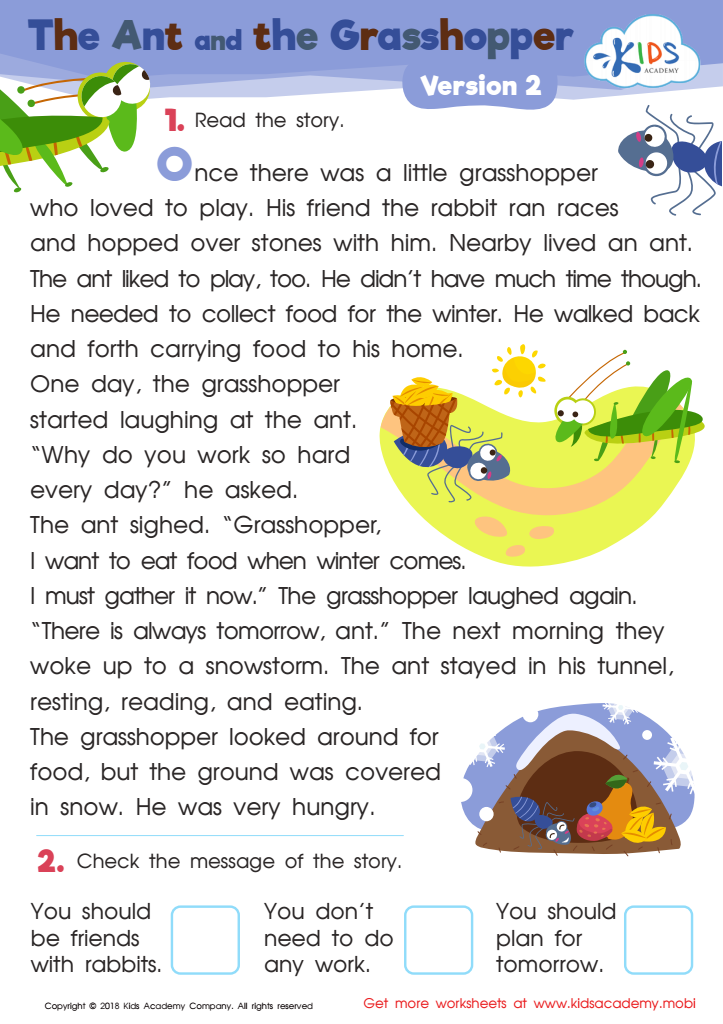
The Ant and The Grasshopper Version 2 Worksheet
Story time is a great way to bond with kids and share a fun story. The Ant and the Grasshopper is a classic with a lesson for everyone. Listen together and then ask your students what the message of the story was. Prompt them with choices from the worksheet and see which one they select. It's a great way to increase their vocabulary and help them learn important lessons.
The Ant and The Grasshopper Version 2 Worksheet
Worksheet
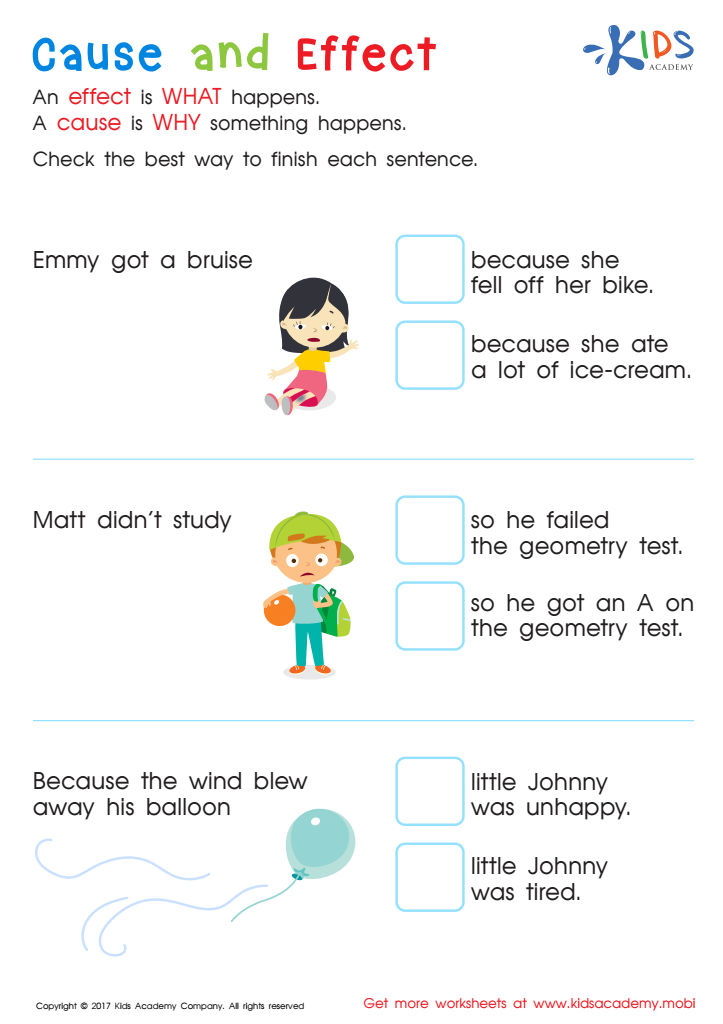
Cause and Effect Worksheet
Improve your child's reading comprehension and critical analysis skills with this cause and effect worksheet PDF! Have your child use the examples to create their own story, strengthening their understanding of the concept.
Cause and Effect Worksheet
Worksheet
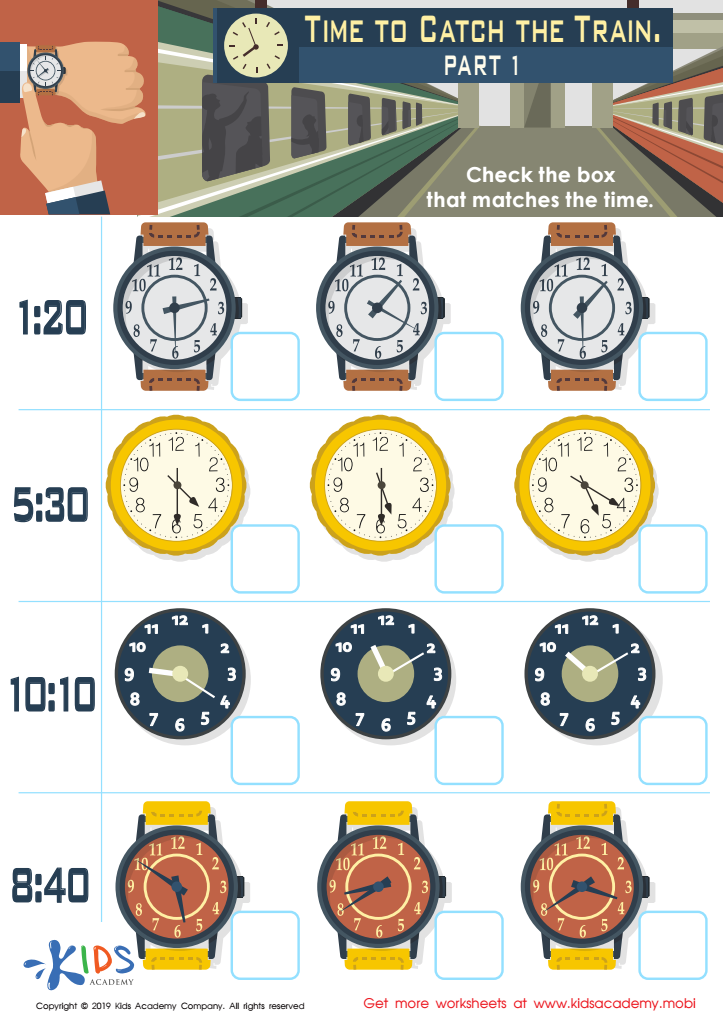
Time to Catch the Train Part 1 Worksheet
Time is essential for us; it lets us know when to do various things. Your kids likely wake up at a specified hour and prepare for the school bus. Demonstrate to them that time-telling is vital, and show them there are multiple ways to show time. Point to the time written on the left and the watches in the picture. Assist your children to check the box that corresponds to the time.
Time to Catch the Train Part 1 Worksheet
Worksheet
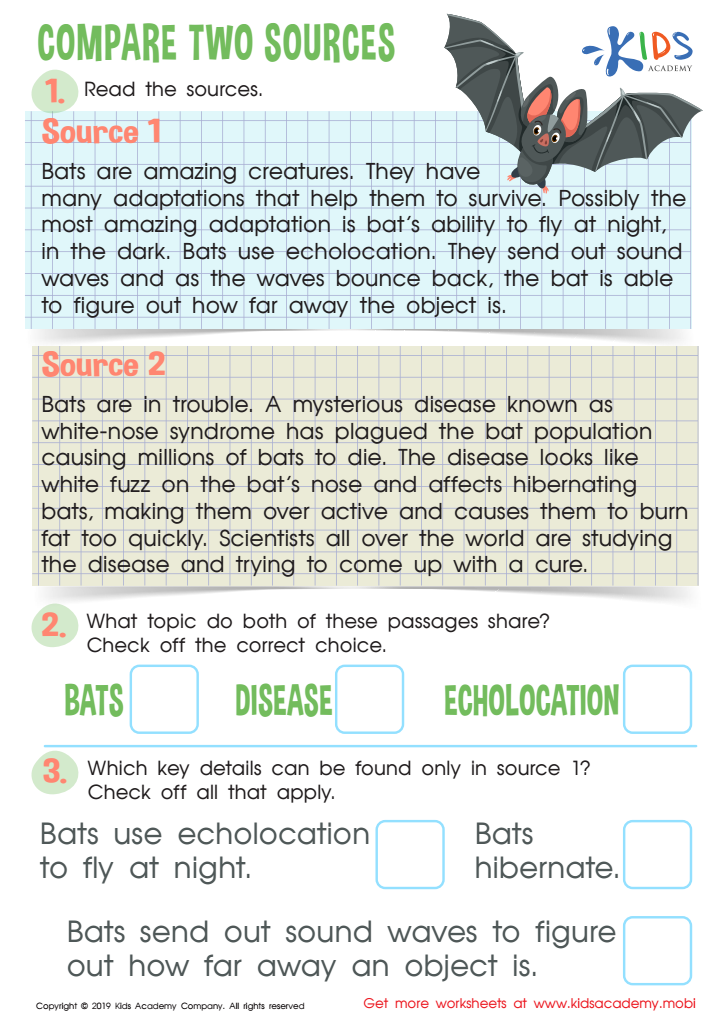
Compare Two Sources Worksheet
Reading exposes us to new words, spelling, and info about different topics. Kids can practice their reading skills, and learn about bats, with this worksheet. Read the two sources in the picture, then help your kids answer the questions at the bottom.
Compare Two Sources Worksheet
Worksheet
Join Kids Academy for Free
Who is primarily going to use this learning content?



.jpg)



Critical thinking development is crucial for 8-year-olds as it lays the foundation for lifelong learning and problem-solving skills. At this age, children are beginning to explore complex concepts and think more abstractly. When parents and teachers prioritize critical thinking, they empower children to analyze information, evaluate different perspectives, and make informed decisions. This skill set is essential not only for academic success but also for navigating everyday life challenges.
Developing critical thinking helps children become independent learners who can question assumptions, assess evidence, and formulate reasoned conclusions. It fosters curiosity and creativity, allowing kids to approach problems with an open and analytical mindset. As they learn to think critically, children become more confident in expressing their ideas and opinions, enhancing their communication skills.
Additionally, teaching critical thinking at a young age prepares children to face an increasingly complex world, where they must discern fact from fiction and collaborate with others. Overall, investing in the critical thinking development of 8-year-olds equips them with essential tools to thrive as informed, capable individuals in both academic settings and beyond. By nurturing these skills early on, parents and teachers play a pivotal role in shaping resilient and effective thinkers for the future.








