
Basic Math Skills Normal Numbers Worksheets for 8-Year-Olds
6 filtered results
Difficulty Level
Grade
Age
-
From - To
Subject
Activity
Standards
Enhance your 8-year-old's math skills with our comprehensive Basic Math Skills Normal Numbers Worksheets! Designed specifically for young learners, these engaging printable resources promote foundational understanding of numbers through fun activities. Children will explore essential concepts such as number recognition, counting, and simple addition and subtraction. Our worksheets are tailored to make learning enjoyable while reinforcing critical math skills essential for their academic journey. With colorful visuals and diverse exercises, your child will gain confidence and fluency in basic math. Perfect for at-home practice or supplementary classroom activities, these worksheets ensure that young minds master essential number concepts with ease.
Favorites
With answer key
Interactive
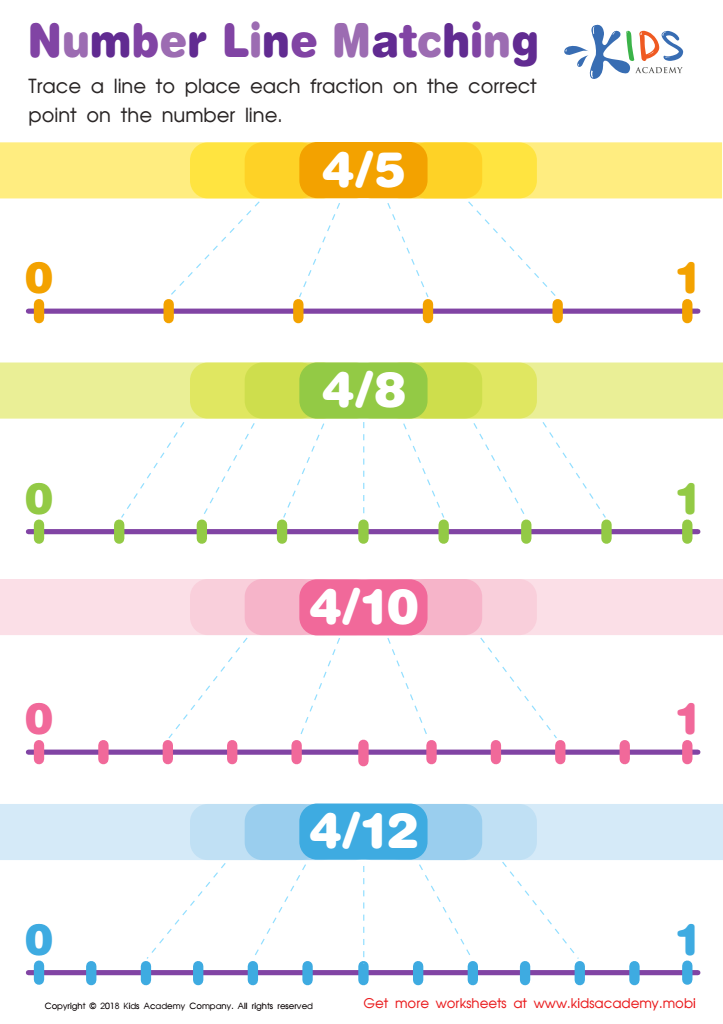
Number Line Matching Worksheet
Math can be fun! Have your child count points on the number line, then identify and trace fractions above it. It's a great way for them to learn and have some fun!
 Assign to My Students
Number Line Matching Worksheet
Worksheet
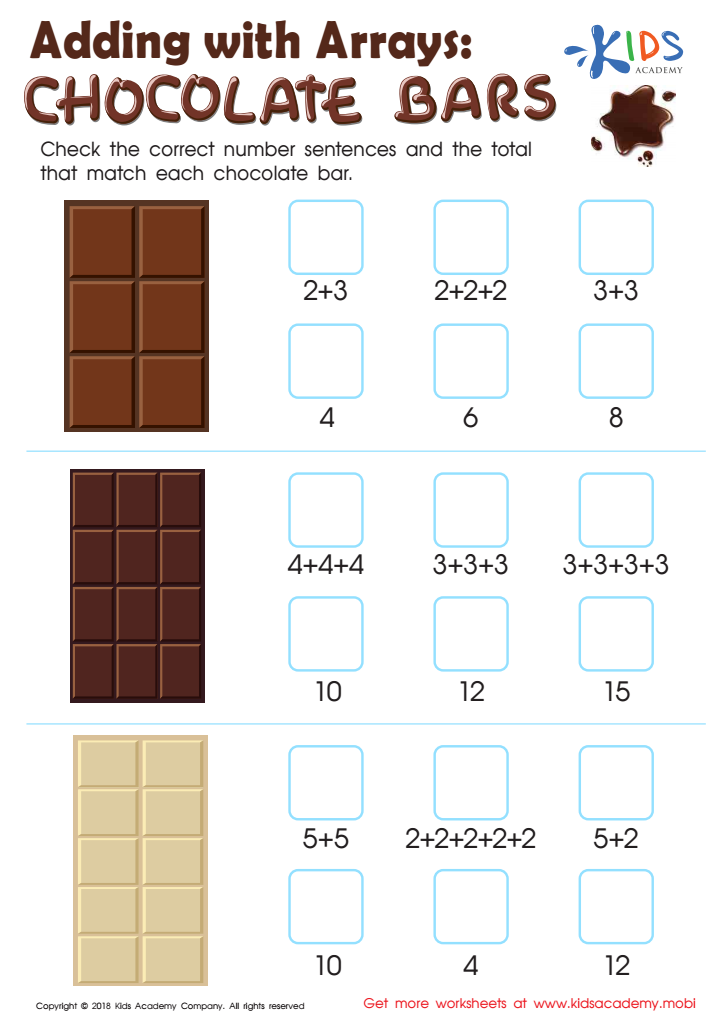
Adding with Arrays: Chocolate Bars Worksheet
Kids love chocolates! Gauge how enthused your kids get when you mention them. This worksheet is a fun exercise about chocolates - get your kids to check the correct number sentences and totals for each chocolate bar. Reward their hard work with some chocolates - extra incentive for a job well done!
Adding with Arrays: Chocolate Bars Worksheet
Worksheet
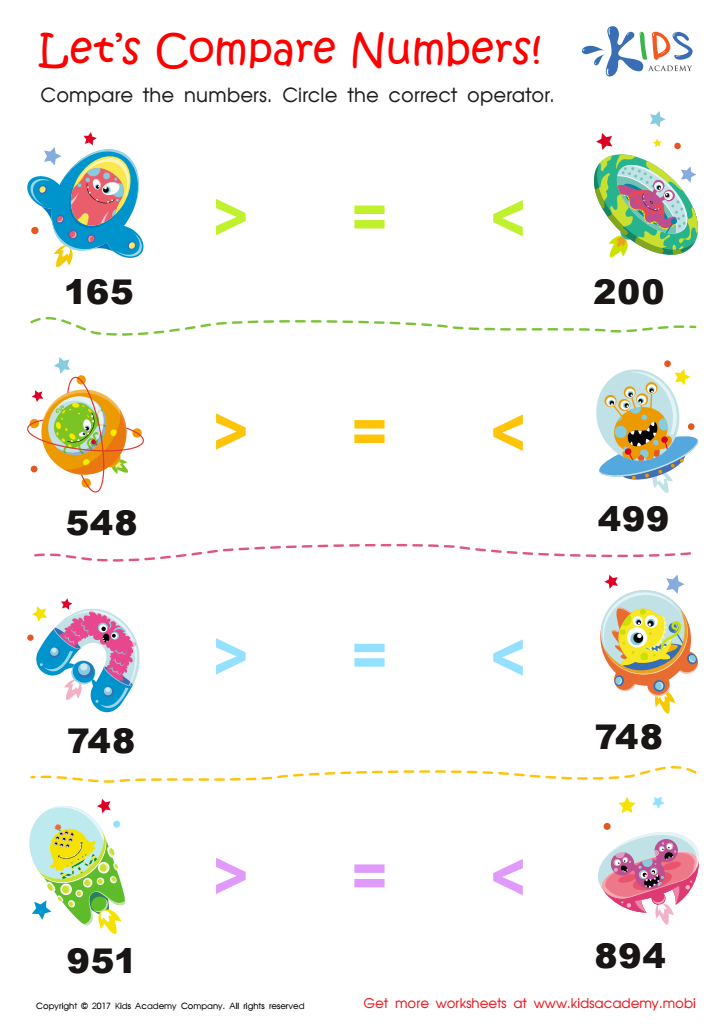
Comparing Numbers Worksheet for 2nd Grade
Alien friends are back to help your child learn to compare numbers using >, < and = symbols. This 2nd grade worksheet will challenge them with larger numbers!
Comparing Numbers Worksheet for 2nd Grade
Worksheet
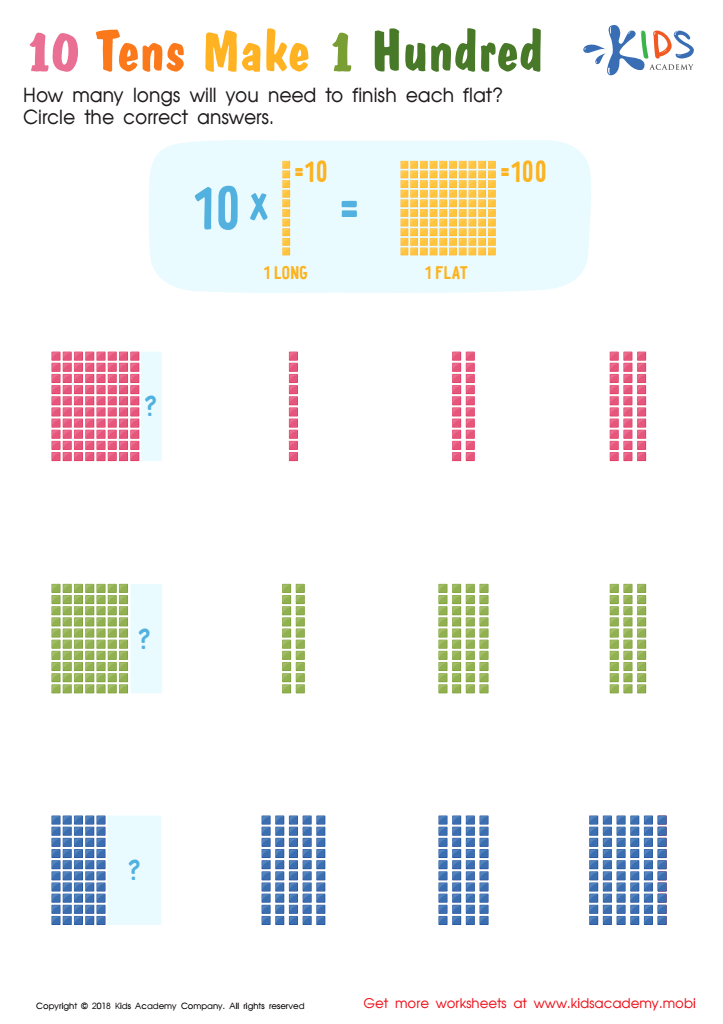
10 Tens Make 1 Hundred Worksheet
Help your child understand multiplication with this worksheet. Ask them how many 'longs' will be needed to complete each flat, then have them circle the correct answer from the options. With this exercise, your child will learn that 10 'tens' make 1 'hundred'!
10 Tens Make 1 Hundred Worksheet
Worksheet
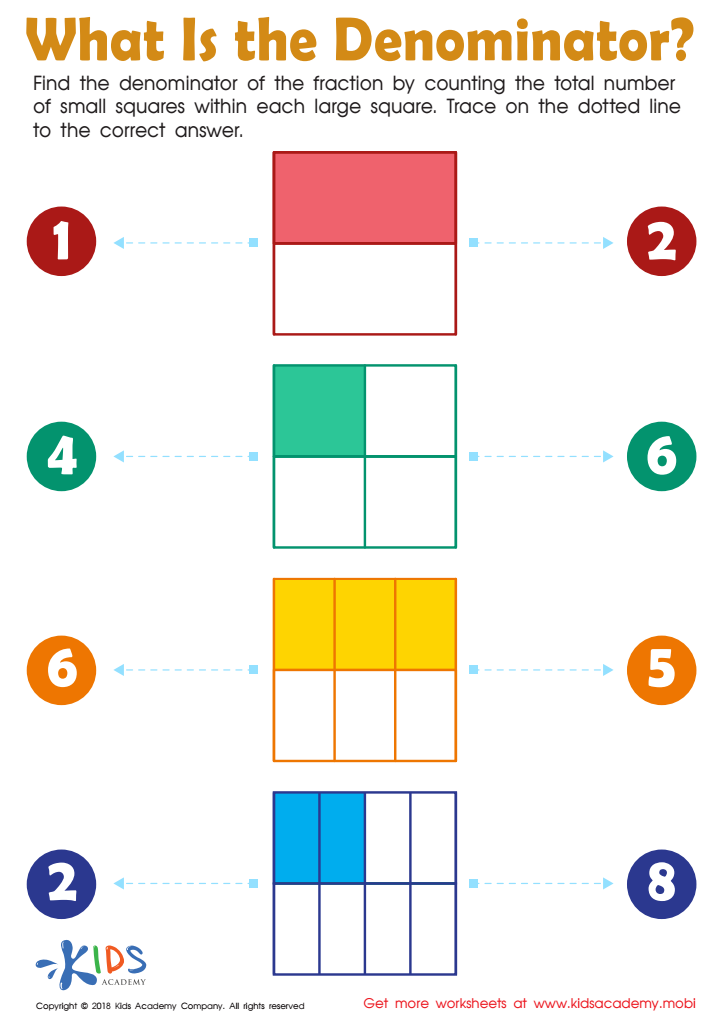
What Is the Denominator? Worksheet
If your kindergartener is struggling with fractions, don't worry. Use this worksheet to help them understand better. Ask them to count the total small squares in each large square to find the denominator, then trace on the dotted line to answer. This printable tracing sheet will help them learn fractions easier.
What Is the Denominator? Worksheet
Worksheet
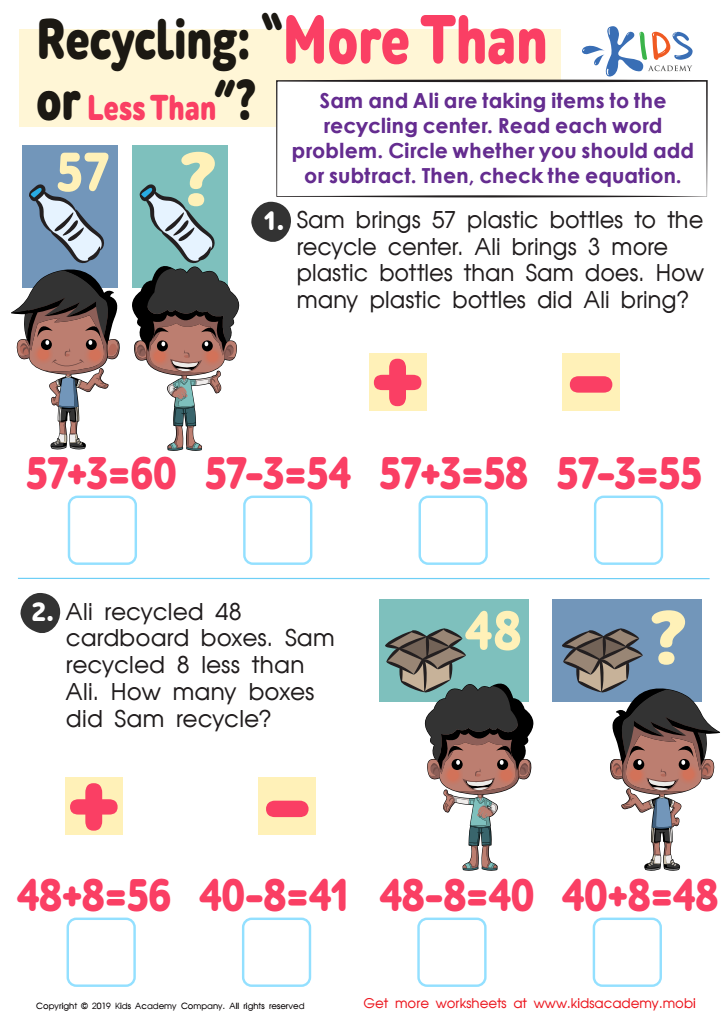
Recycling - More or Less Worksheet
Your child can compare numbers and solve word problems with this free worksheet. Help them understand what's being asked as Sam and Ali take items to the recycling center. They can choose the correct equation to match the word problem and apply their skills in reading and pulling out the appropriate information.
Recycling - More or Less Worksheet
Worksheet
Join Kids Academy for Free
Who is primarily going to use this learning content?







%20(1).jpg)
Basic math skills, particularly understanding normal numbers, are essential for 8-year-olds as they lay the foundation for more advanced mathematical concepts. At this age, children's cognitive abilities are rapidly developing, and fostering these skills helps enhance their critical thinking and problem-solving abilities. A solid grasp of normal numbers, which encompass whole numbers and positive integers, enables children to perform essential operations such as addition, subtraction, multiplication, and division with confidence.
Parents and teachers should prioritize these skills because they are not just vital for academic success but also for everyday life. Mastery of basic math helps children navigate real-world situations, such as budgeting their allowance, measuring ingredients while cooking, or understanding time and distance. Developing these skills early on encourages a positive attitude towards math, reducing anxiety and resistance in later years.
Moreover, competency in math is linked to overall educational achievement, as many subjects, including science and technology, rely on mathematical principles. By investing time and resources into strengthening basic math skills, parents and teachers empower children, setting them up for success both in school and in life. Thus, being proactive in this area nurtures a lifelong appreciation for mathematics.








