Comparative analysis Normal Science Worksheets for 8-Year-Olds
3 filtered results
-
From - To
Explore our engaging Comparative Analysis Normal Science Worksheets designed specifically for 8-year-olds! These worksheets encourage young learners to develop critical thinking skills by comparing different scientific concepts and phenomena. With a blend of fun activities and educational challenges, students will learn to identify similarities and differences in various scientific topics, fostering a deeper understanding of the natural world. Each worksheet is created to align with common curriculum standards, making them a perfect resource for both classroom instruction and home learning. Give your child the tools they need to excel in science with our informative and interactive worksheets today!
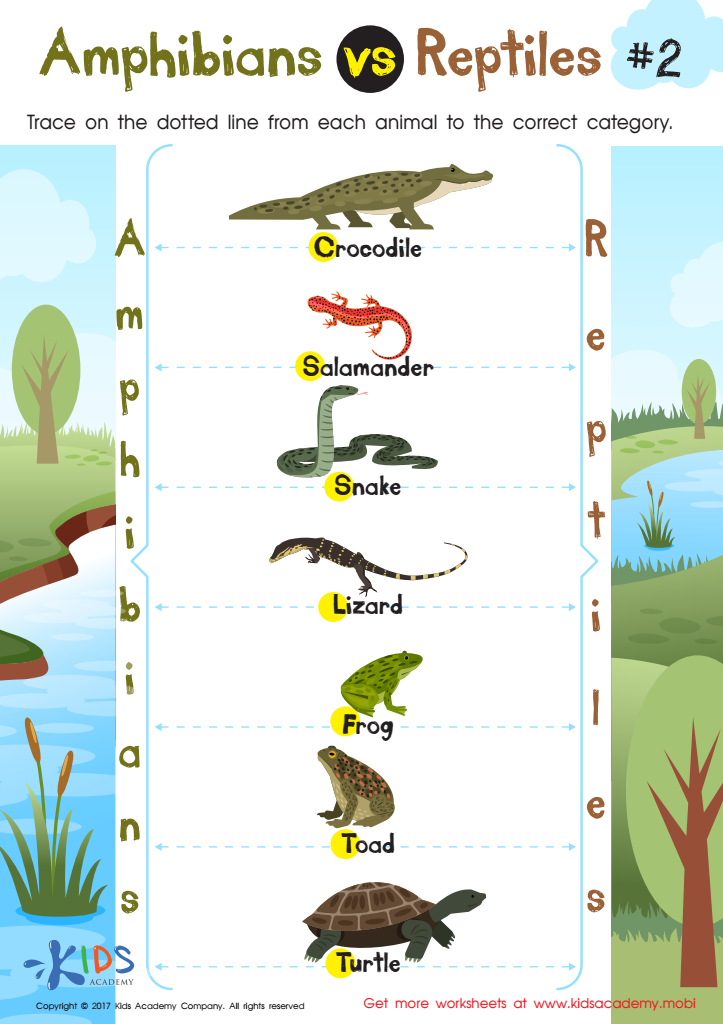
Amphibians vs Reptiles Worksheet for 3rd Grade
 Assign to My Students
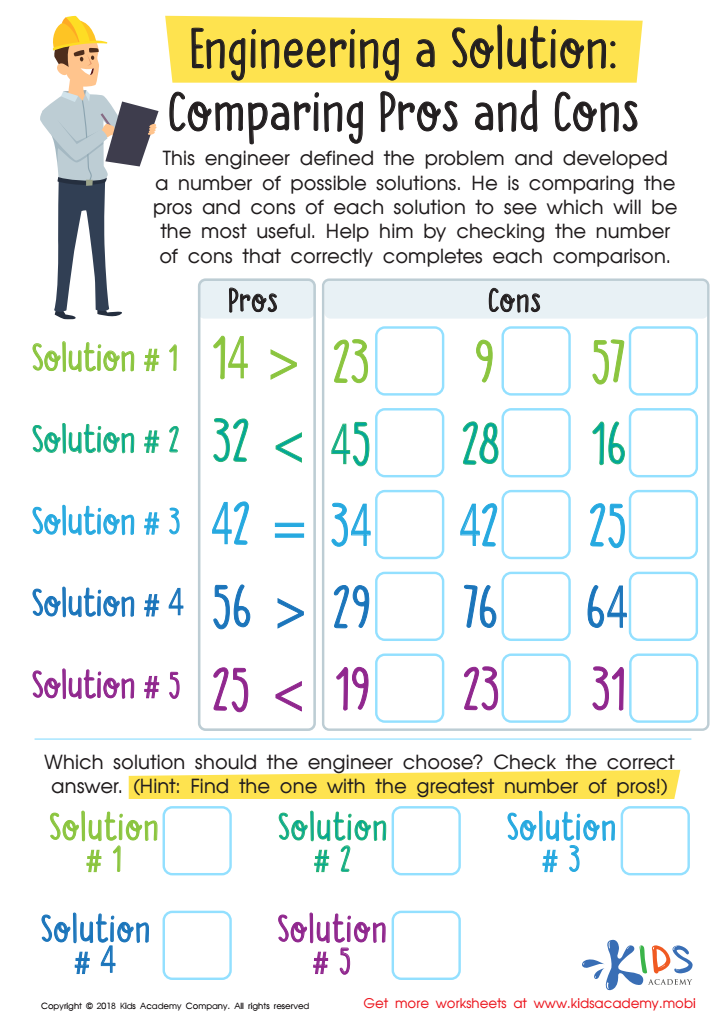
Engineering a Solution: Comparing Pros and Cons Worksheet
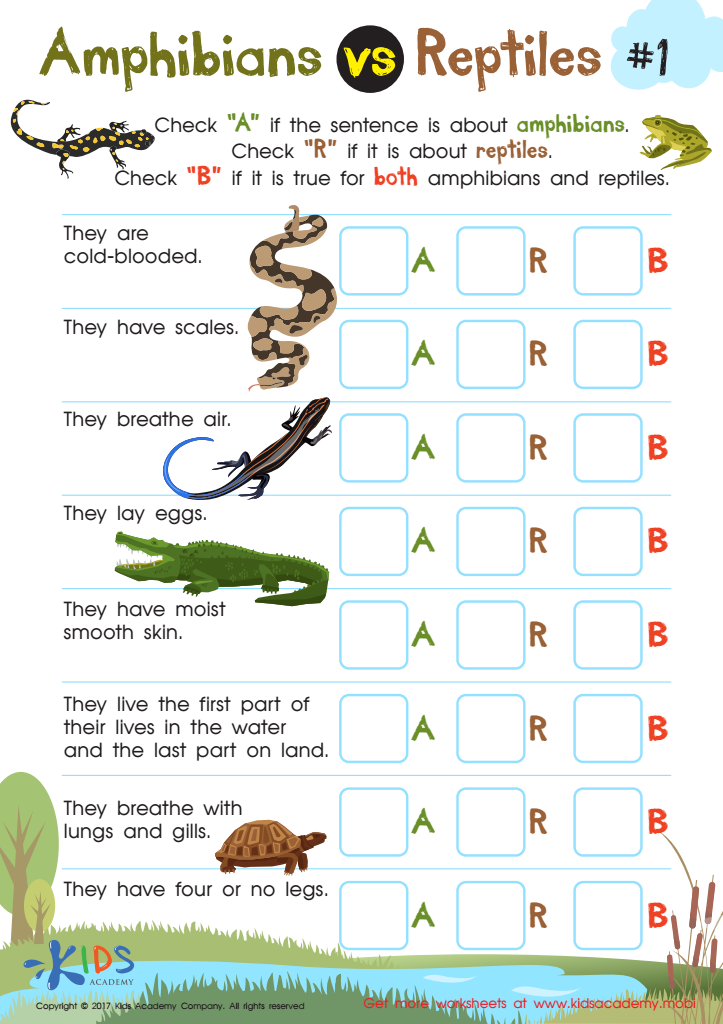
Amphibians vs Reptiles Worksheet





Parents and teachers should care about comparative analysis in normal science for 8-year-olds because it fosters critical thinking, analytical skills, and a deeper understanding of the scientific method. At this age, children are naturally curious and exploring the world around them. By introducing them to comparative analysis, they learn to observe, categorize, and compare different aspects of their environment, fostering an inquisitive mindset.
Engaging in comparative analysis helps children learn valuable lessons about patterns, differences, and similarities in various phenomena. For instance, they can compare plant growth under different light conditions or the behavior of different animals. This hands-on approach not only enhances their observational skills but also encourages them to ask questions and seek answers through experimentation.
Moreover, understanding comparative analysis lays a solid foundation for future scientific learning. Early exposure to these concepts allows children to develop important skills that are crucial for higher-level science education, including data analysis and the ability to make evidence-based conclusions.
Ultimately, nurturing these skills at an early age helps cultivate passionate and informed learners, preparing them to face complex challenges in science and beyond. Thus, it is essential for parents and educators to prioritize and support this type of learning in young children.







