Learning about ecosystems Normal Science Worksheets for 8-Year-Olds
3 filtered results
-
From - To
Discover engaging "Learning about Ecosystems" worksheets designed specifically for 8-year-olds! These printables offer a fun and interactive way for children to explore the various components of ecosystems, including habitats, food chains, and the interdependence of living organisms. Our Normal Science Worksheets are tailored to enhance critical thinking and promote environmental awareness, while reinforcing essential science skills. With vibrant illustrations and age-appropriate questions, your child will learn to identify different ecosystems and their characteristics. Perfect for the classroom or home practice, these worksheets make science accessible and exciting, fostering a lasting curiosity about the natural world. Download and inspire young minds today!
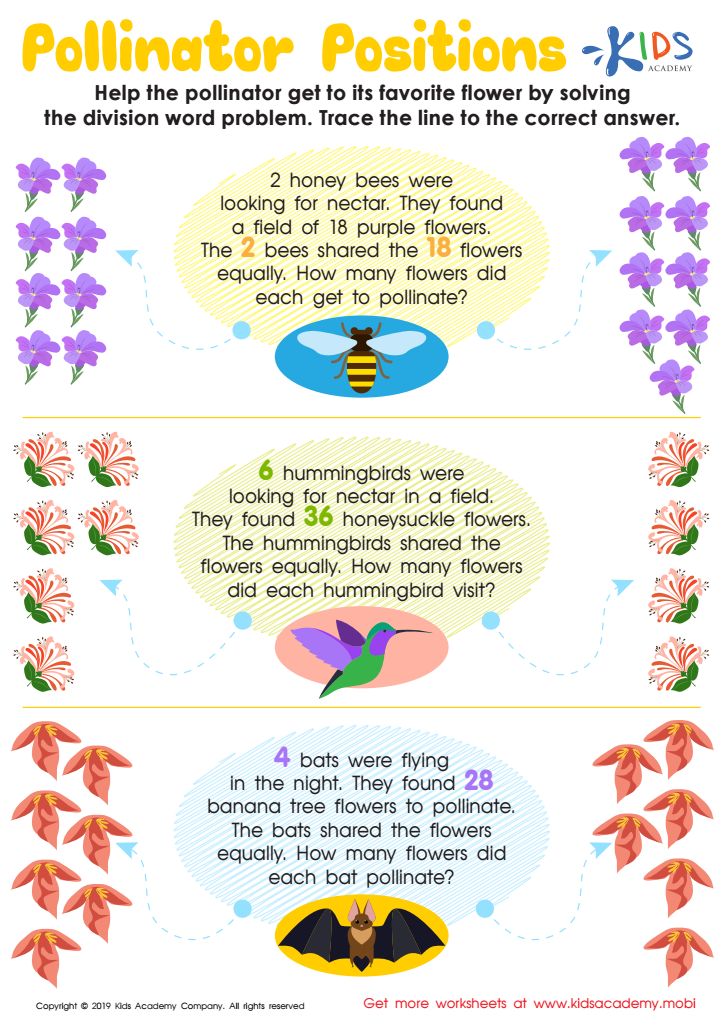
Pollinator Positions Worksheet
 Assign to My Students
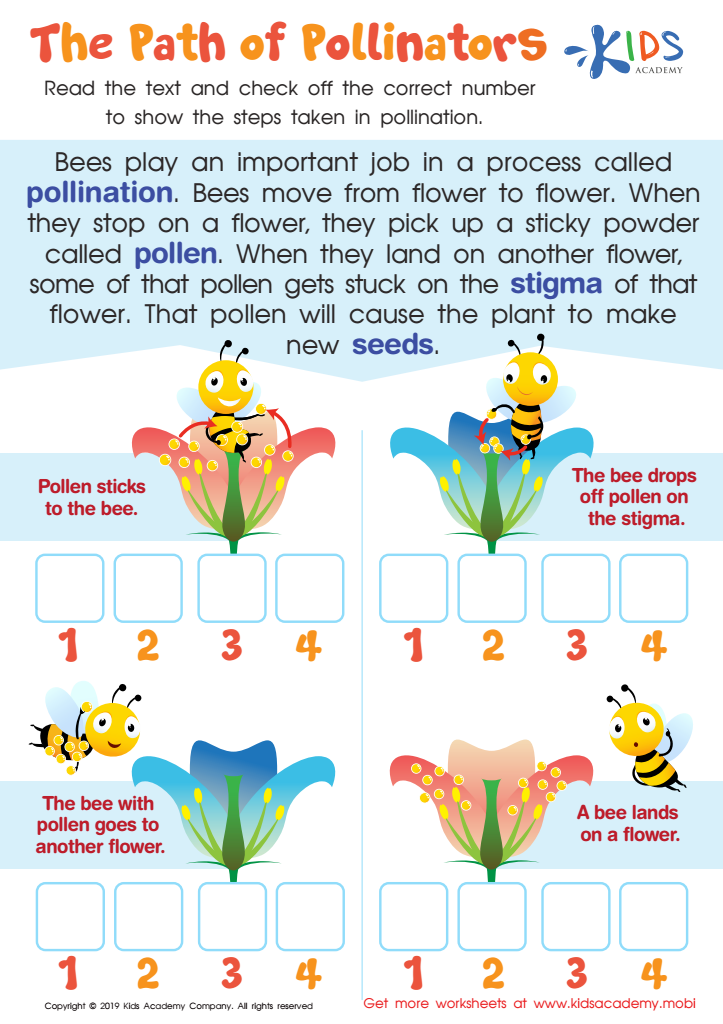
The Path of Pollinators Worksheet
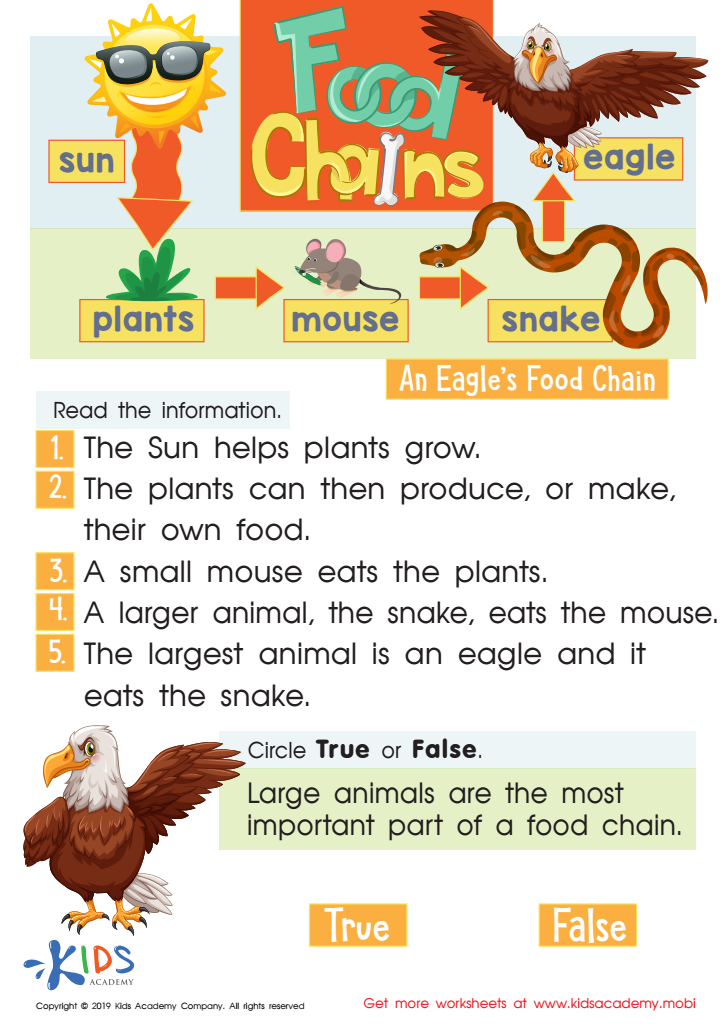
Food Chains Worksheet






Teaching 8-year-olds about ecosystems is crucial for several reasons. Firstly, at this age, children are naturally curious about the world around them. Learning about ecosystems fosters a deeper understanding of how different plants, animals, and environmental factors interact to sustain life. This fosters critical thinking and observational skills as children learn to see connections within nature.
Secondly, understanding ecosystems helps young learners appreciate biodiversity and the importance of every organism, from the smallest insects to towering trees. This awareness cultivates a sense of stewardship, empowering children to care for their environment as they grow. Instilling values of conservation at a young age lays the foundation for responsible future citizens who actively contribute to environmental protection.
Additionally, integrating activities related to ecosystems can enhance engagement in science learning. Hands-on experiences, such as field trips or mini-experiments, can make science fun and impactful, promoting retention and enthusiasm for the subject.
Ultimately, teaching children about ecosystems not only equips them with essential scientific knowledge but also inspires them to become mindful of their natural surroundings, nurturing a generation prepared to face environmental challenges through understanding and action. Parents and teachers play a key role in guiding this vital learning process.







