Reading comprehension Normal Science Worksheets for 8-Year-Olds
34 filtered results
-
From - To
Unlock your child's potential with our Reading Comprehension Normal Science Worksheets for 8-Year-Olds at Kids Academy! These engaging activities help young learners master the art of understanding and interpreting scientific texts. Designed specifically for third graders, each worksheet combines vibrant illustrations with grade-appropriate vocabulary to make reading both fun and educational. Your child will explore fascinating science topics while developing essential reading skills. Perfect for reinforcing classroom lessons or homeschooling, our worksheets ensure a strong academic foundation. Cultivate a lifelong love for science and reading in your young scholar today! Visit Kids Academy to download and print now.
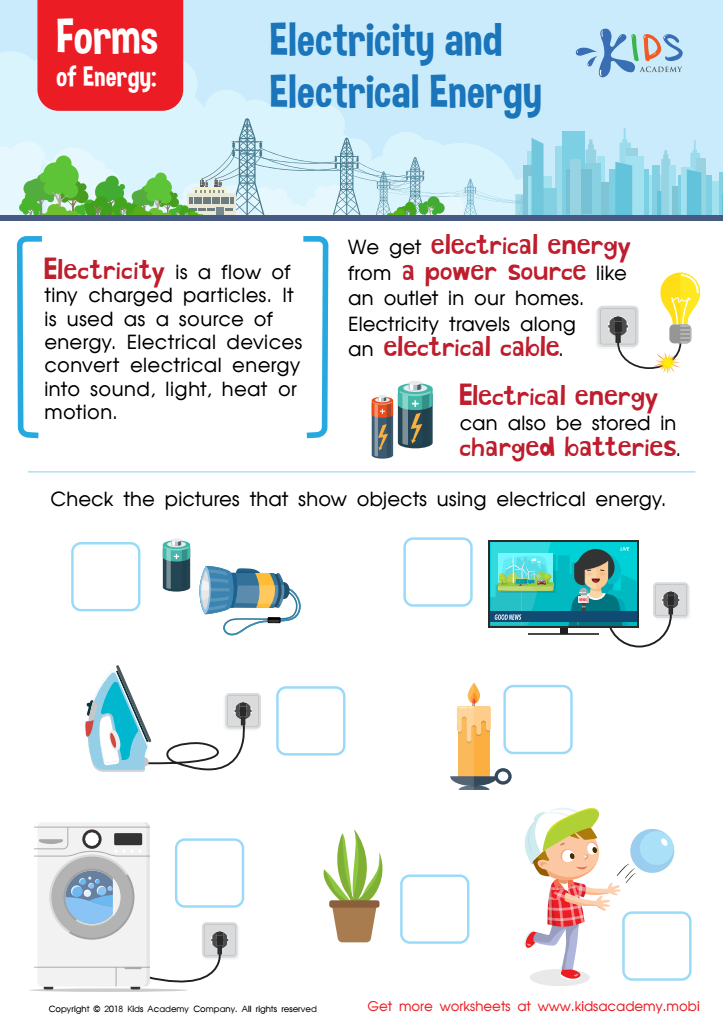
Forms of Energy Worksheet
 Assign to My Students
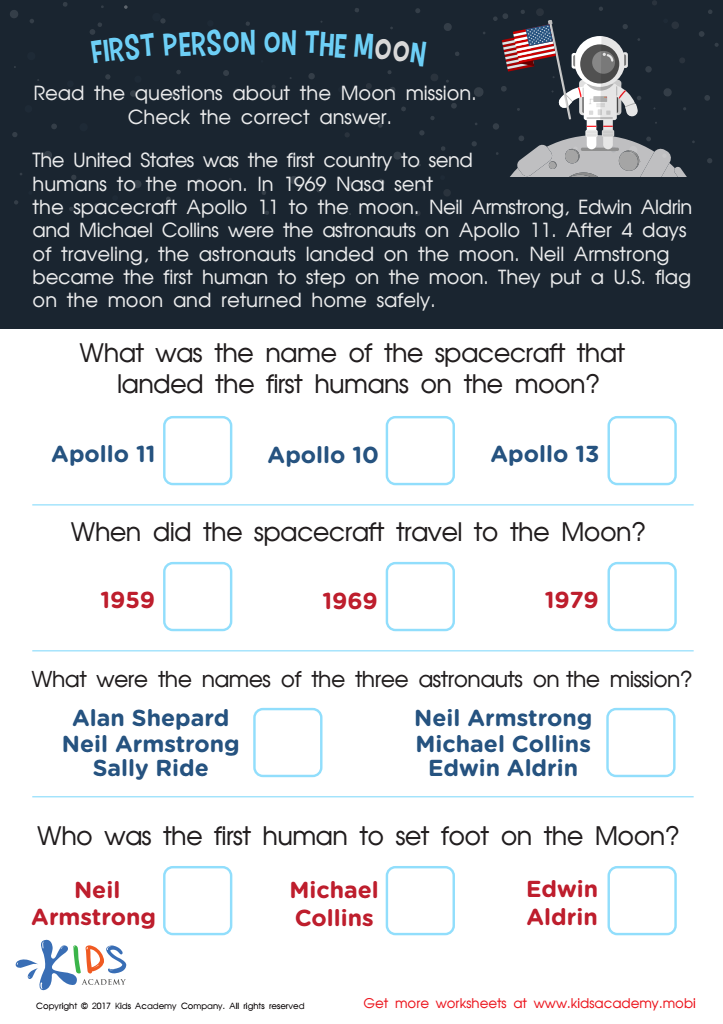
First Person on the Moon Worksheet
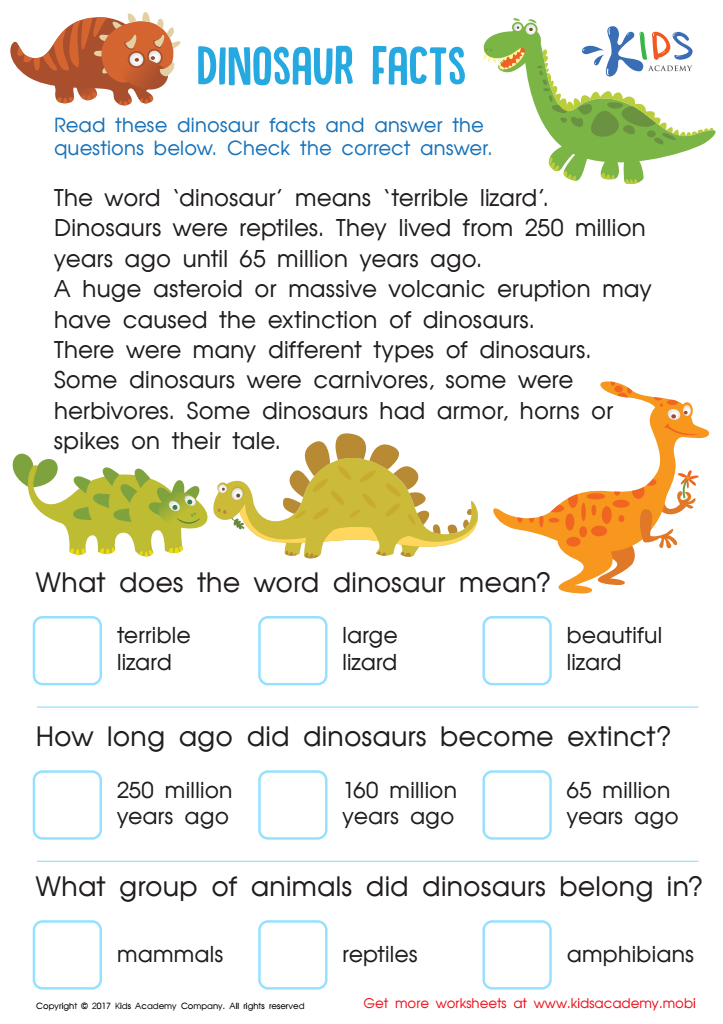
Dinosaur Facts Worksheet
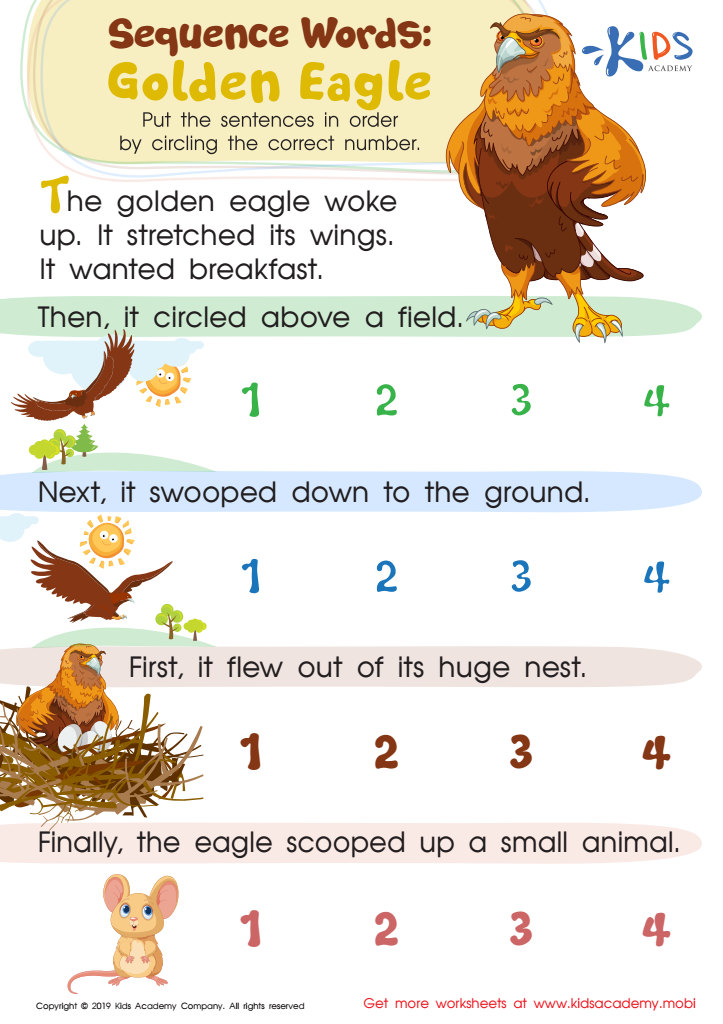
Sequence Word Eagle Worksheet
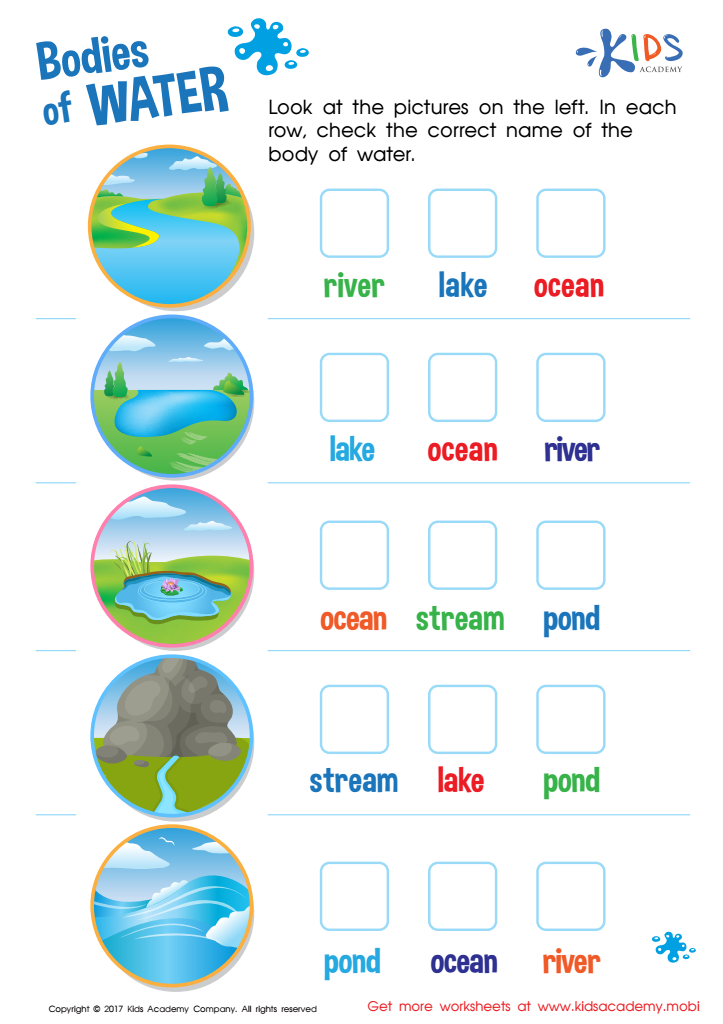
Bodies of Water Worksheet
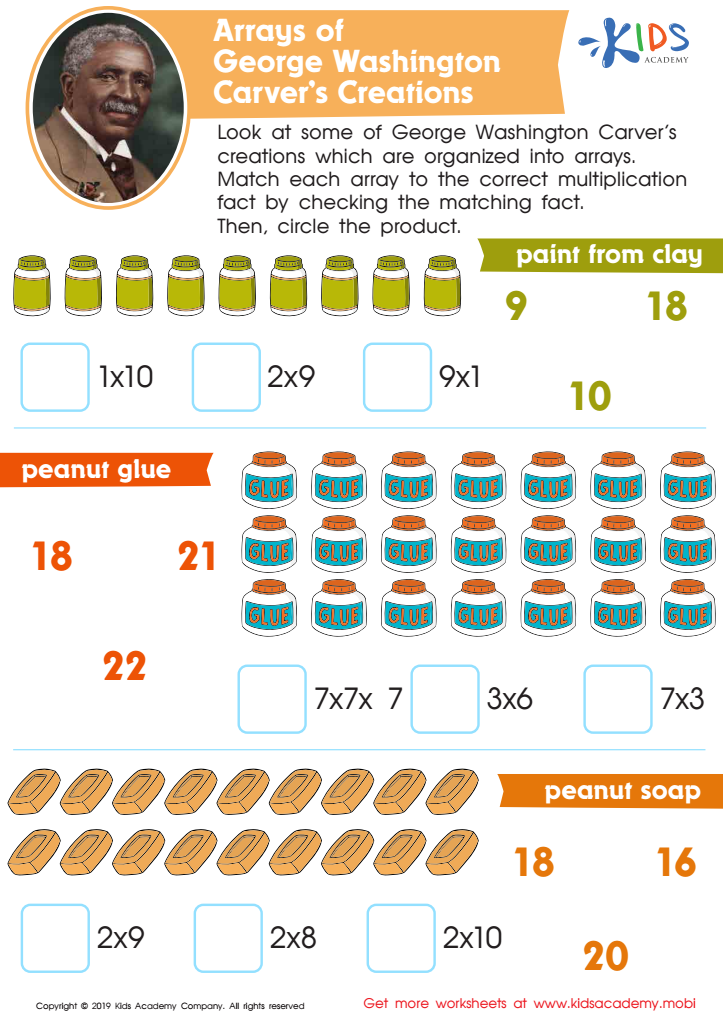
Arrays of George Washington Carver’s Creations Worksheet
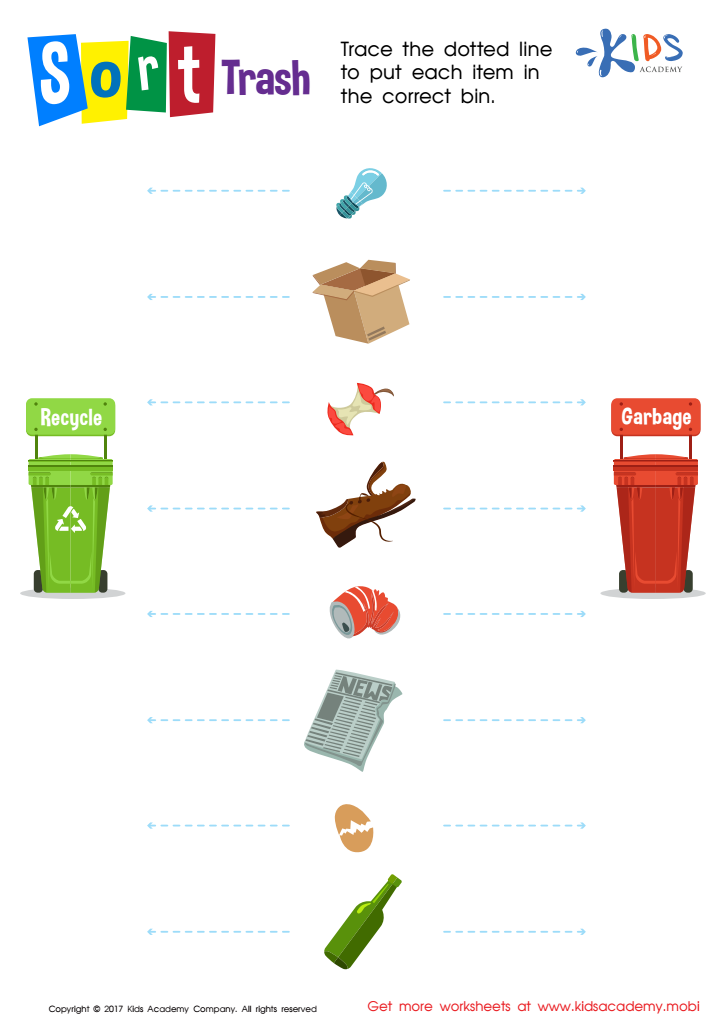
Trash Sorting Worksheet
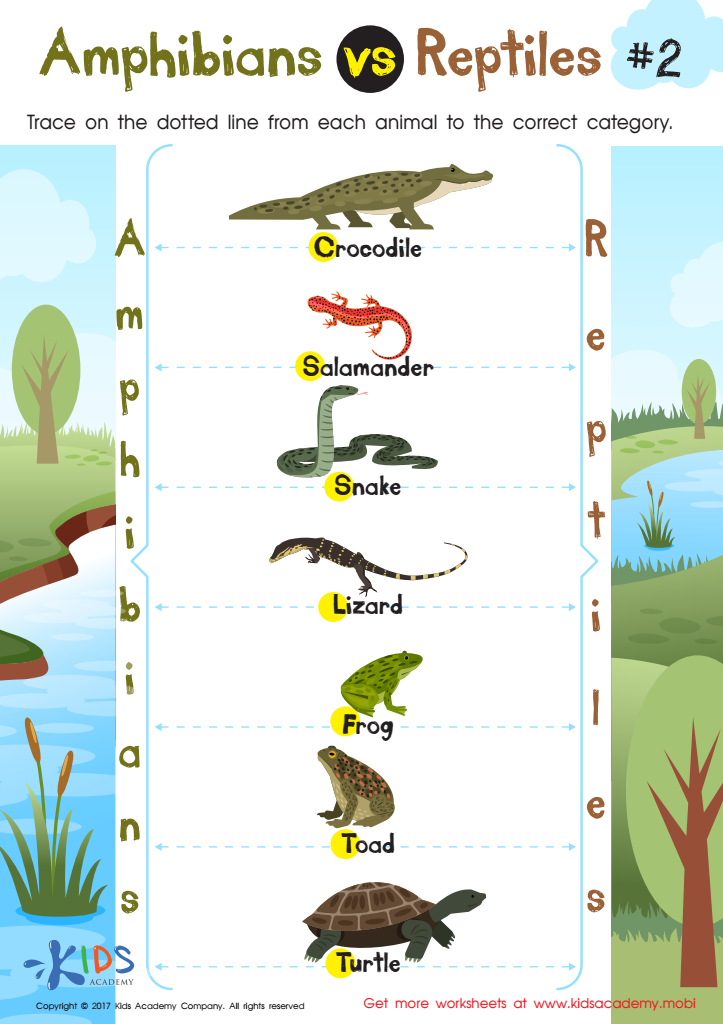
Amphibians vs Reptiles Worksheet for 3rd Grade
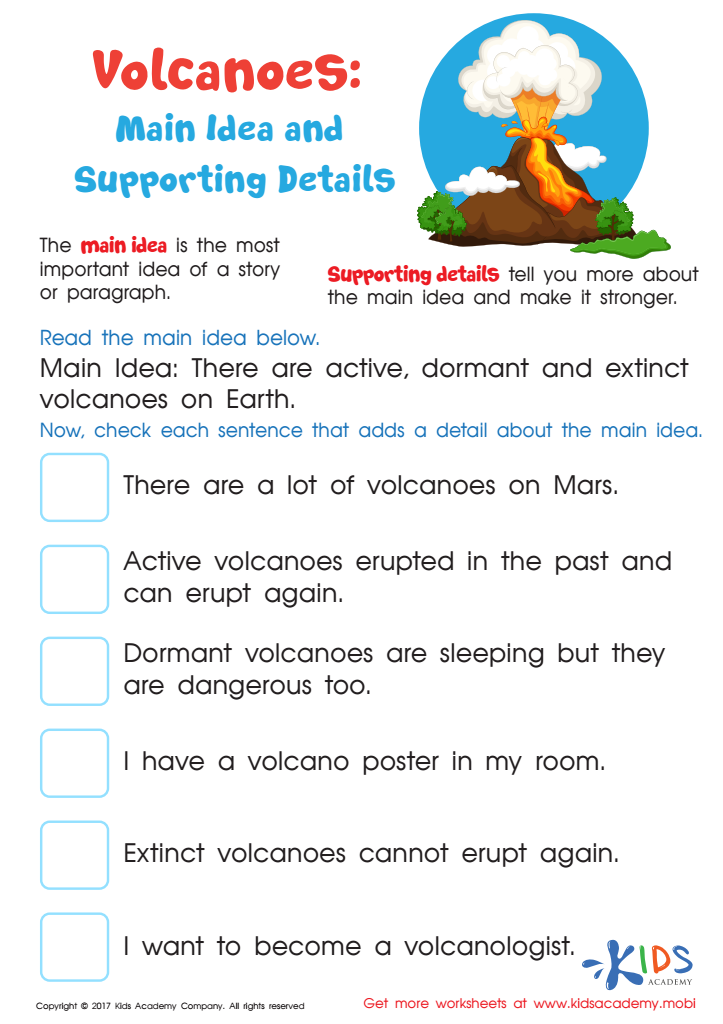
Volcano Facts Worksheet
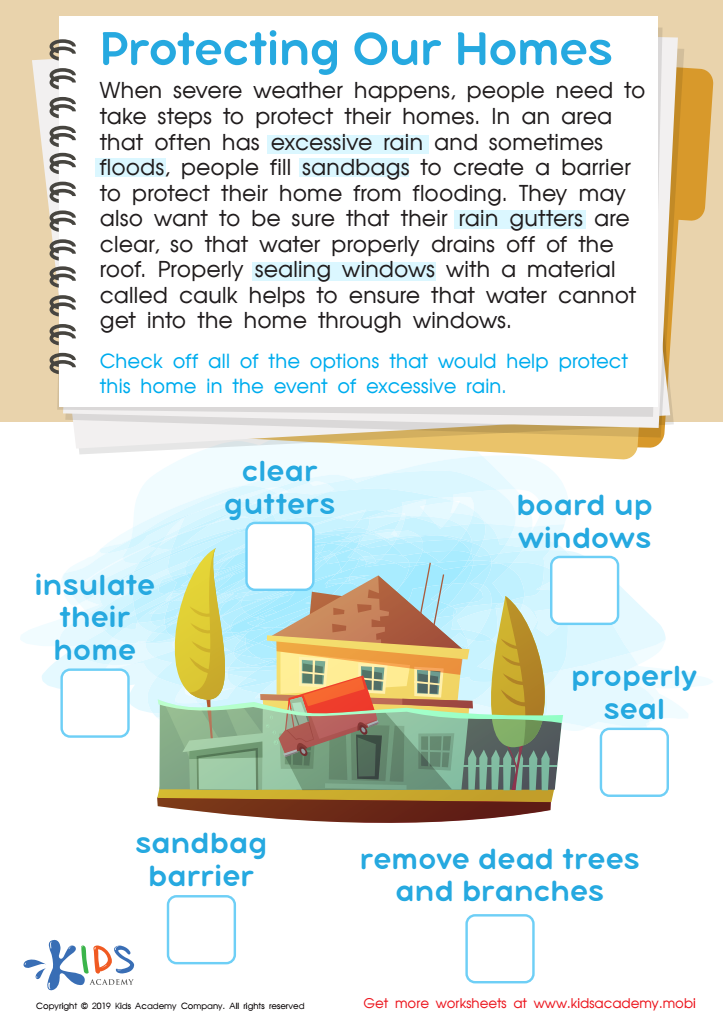
Protecting Our Homes Worksheet
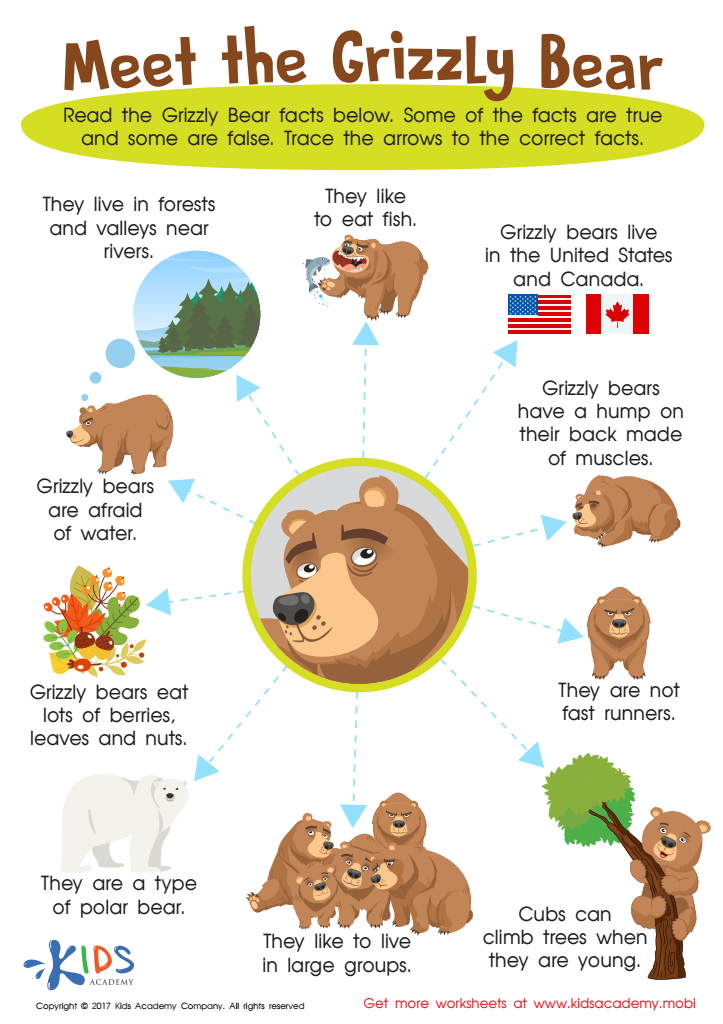
Grizzly Bear Facts Worksheet
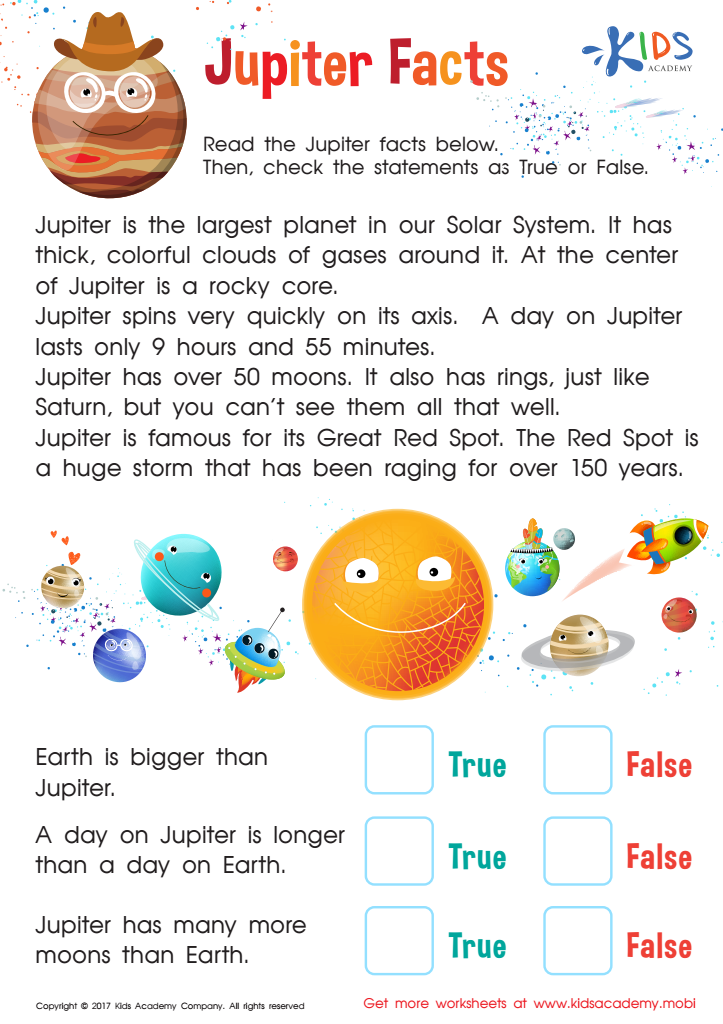
Jupiter Facts Worksheet
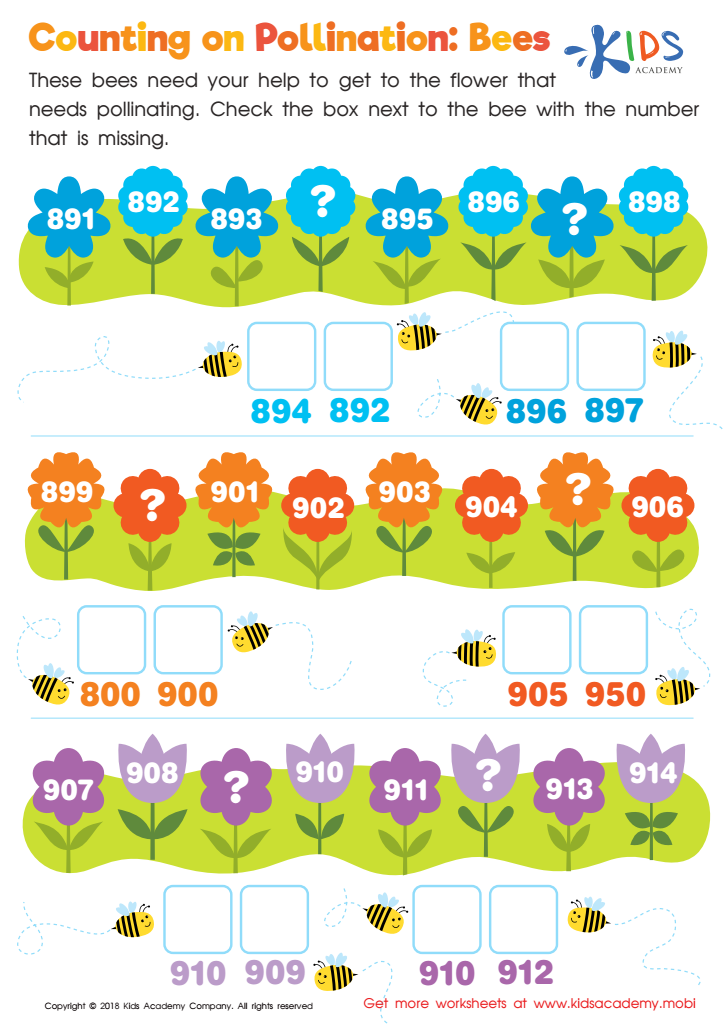
Counting on Pollination: Bees Worksheet
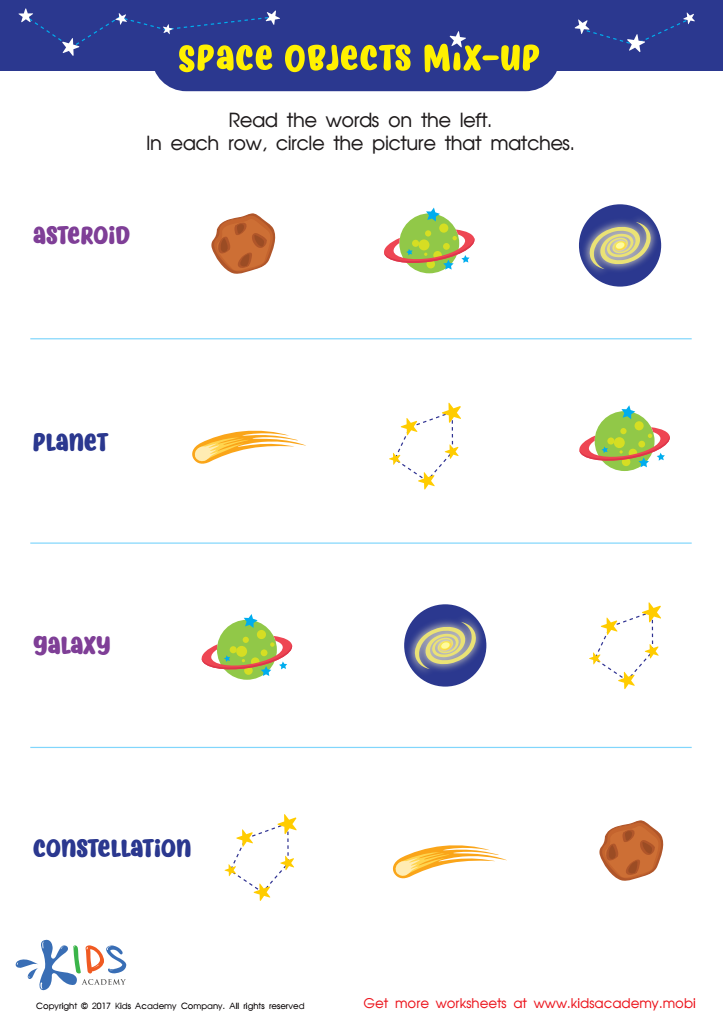
Science: Space Objects Worksheet
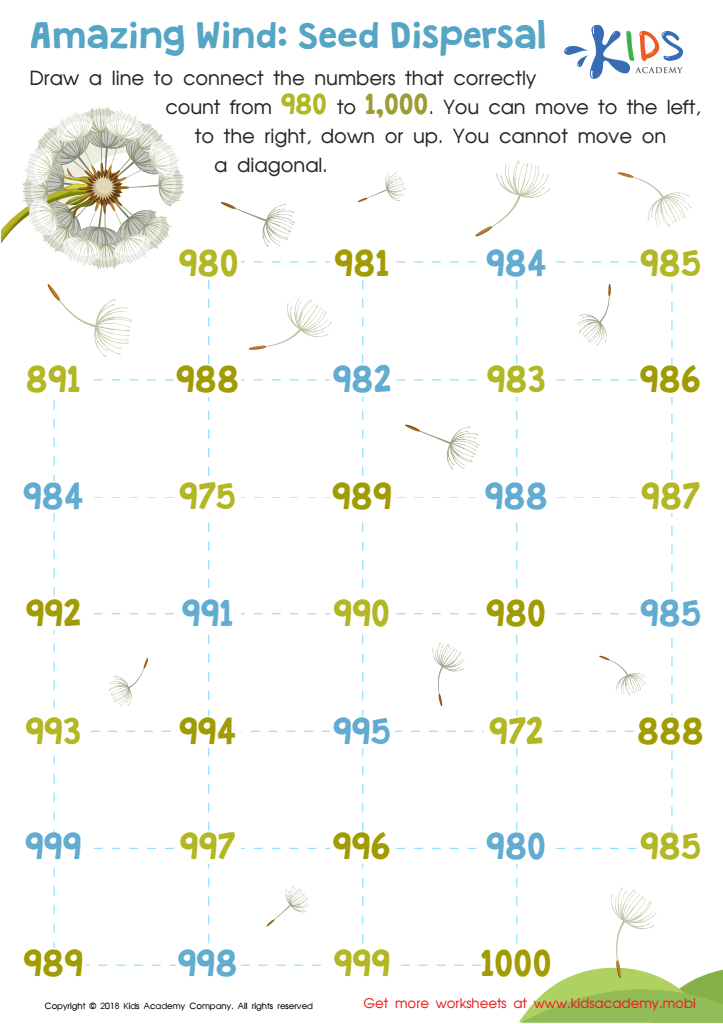
Amazing Wind: Seed Dispersal Worksheet
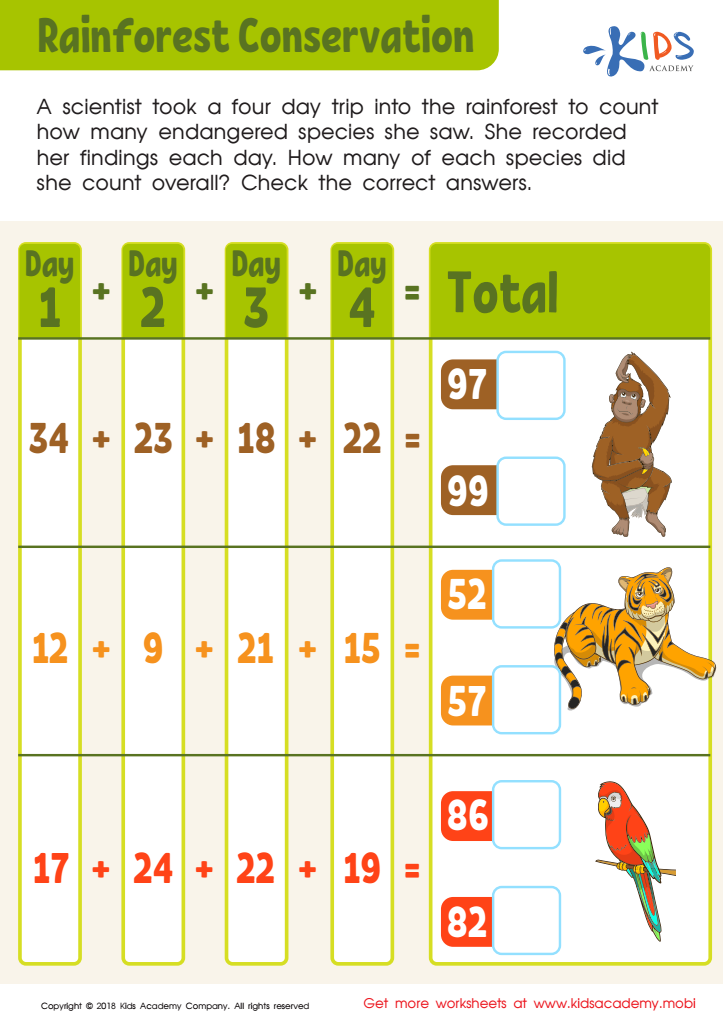
Rainforest Conservation Worksheet
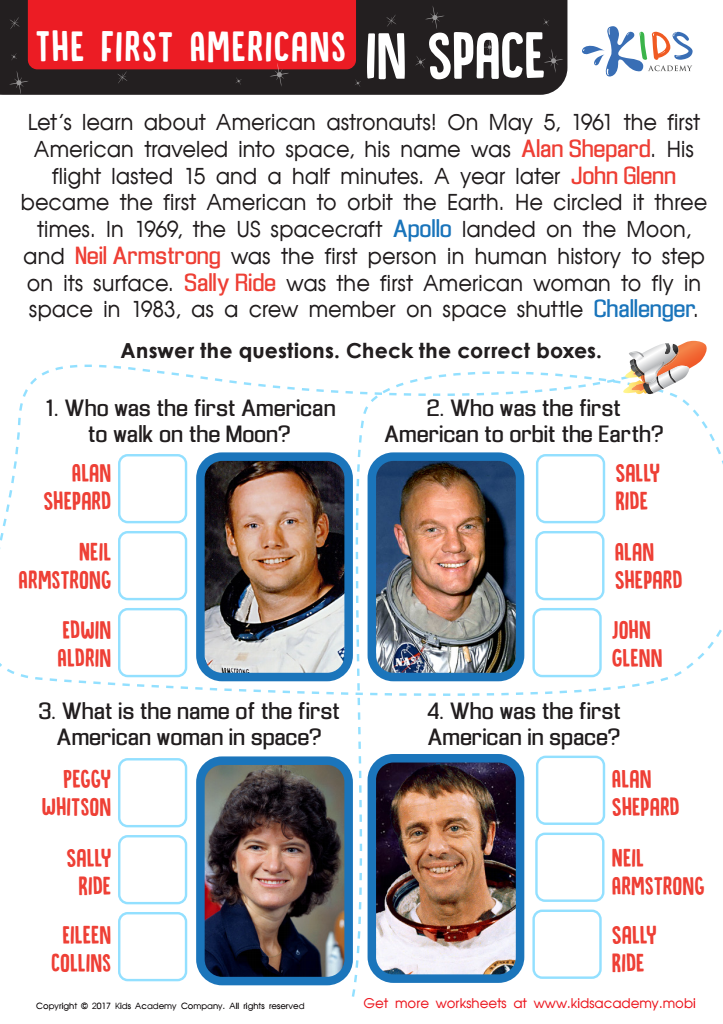
First Americans in Space Worksheet
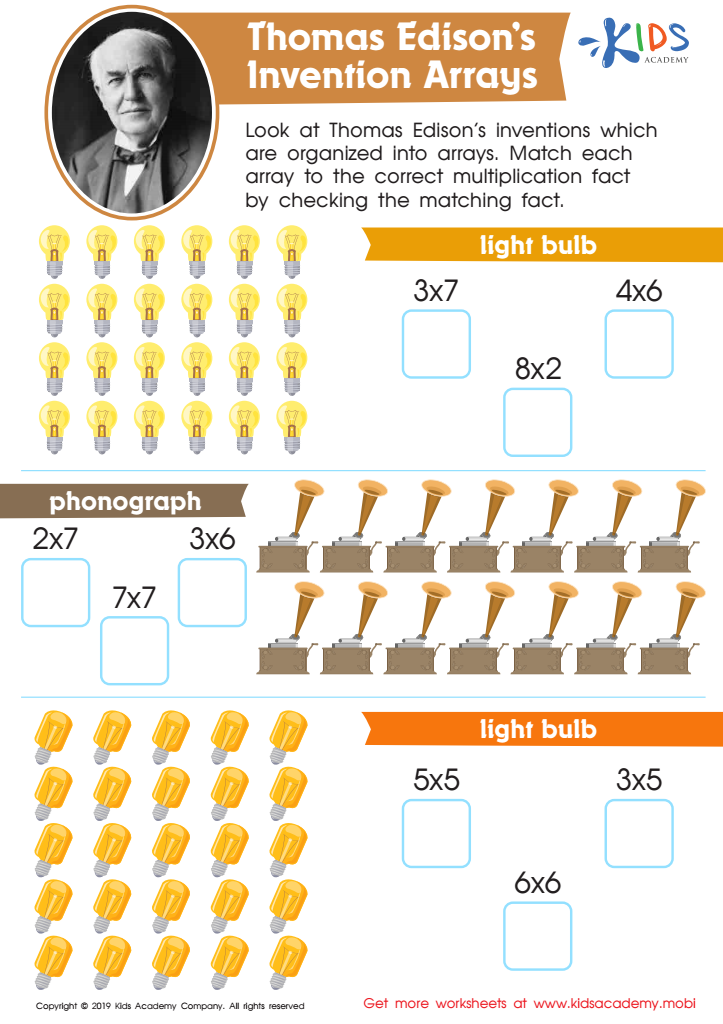
Thomas Edison’s Invention Arrays Worksheet
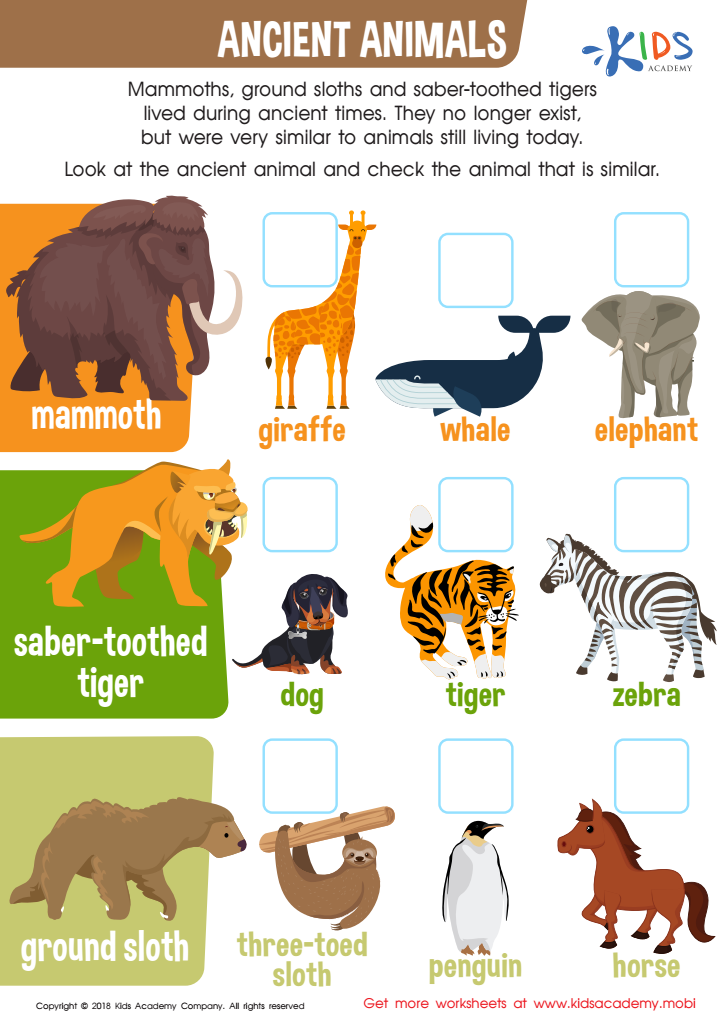
Ancient Animals Worksheet
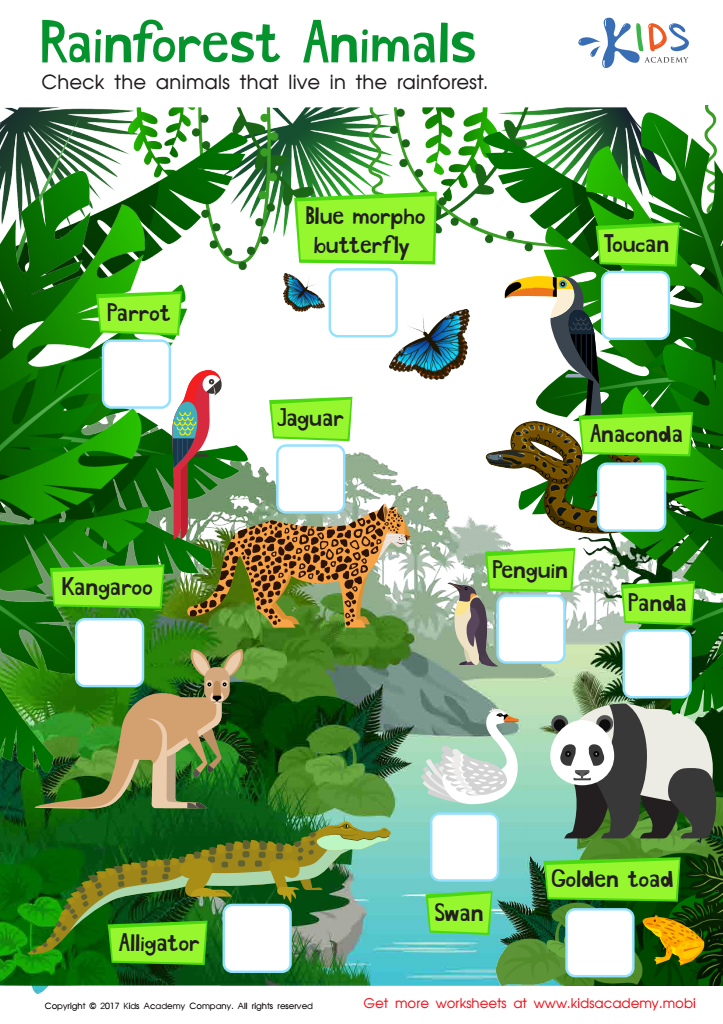
Rainforest Animals Worksheet
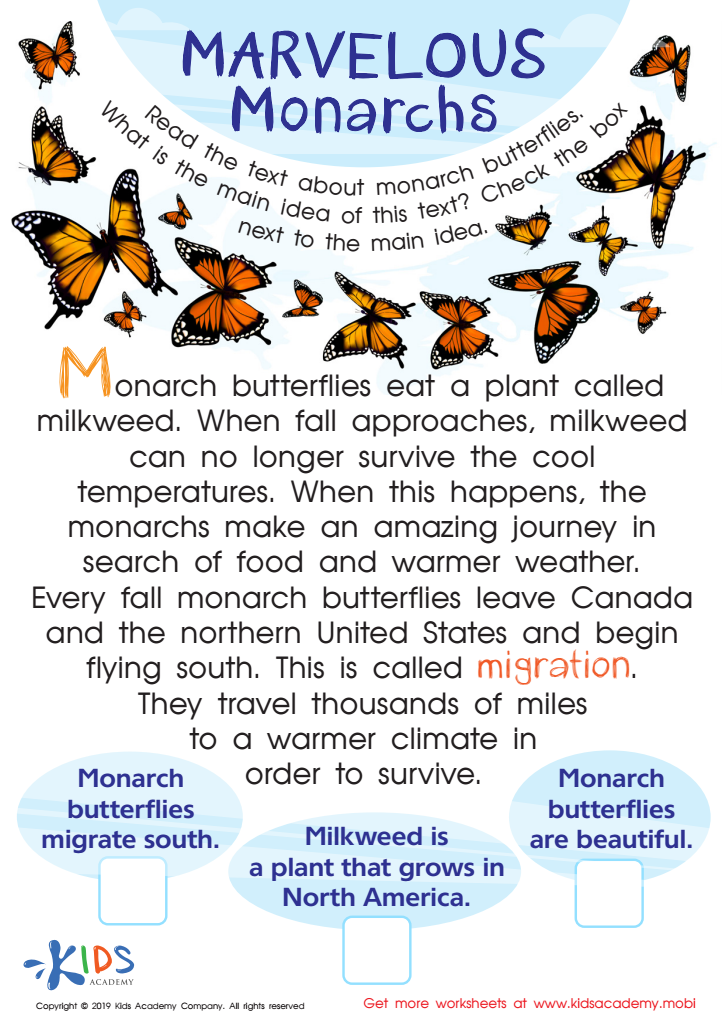
Marvelous Monarchs Worksheet
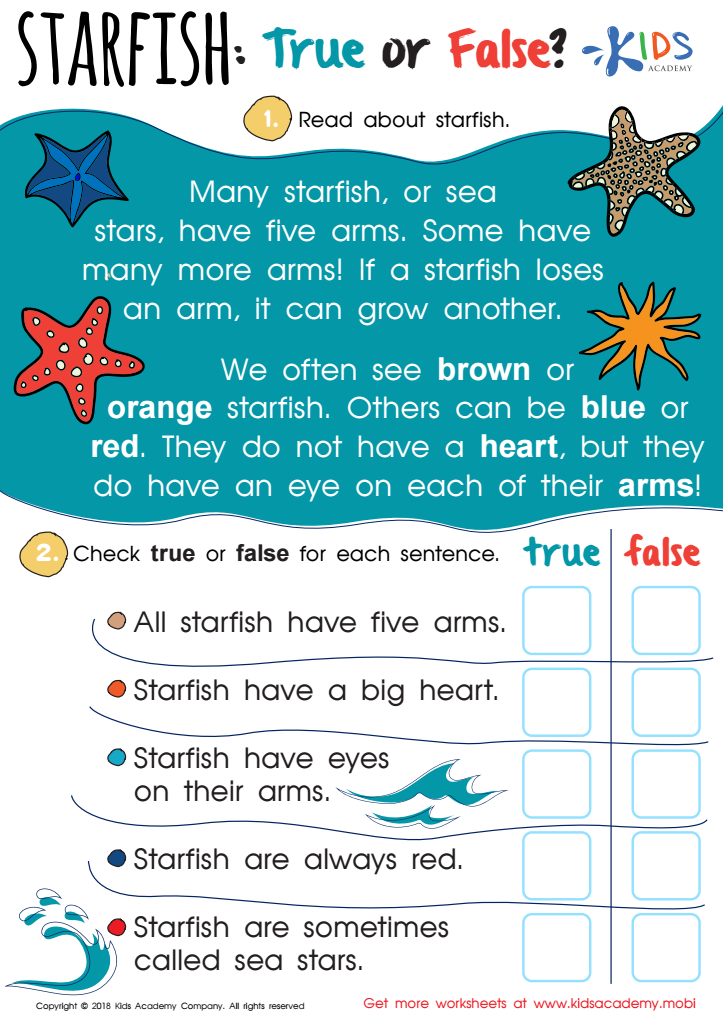
Starfish: True or False Worksheet
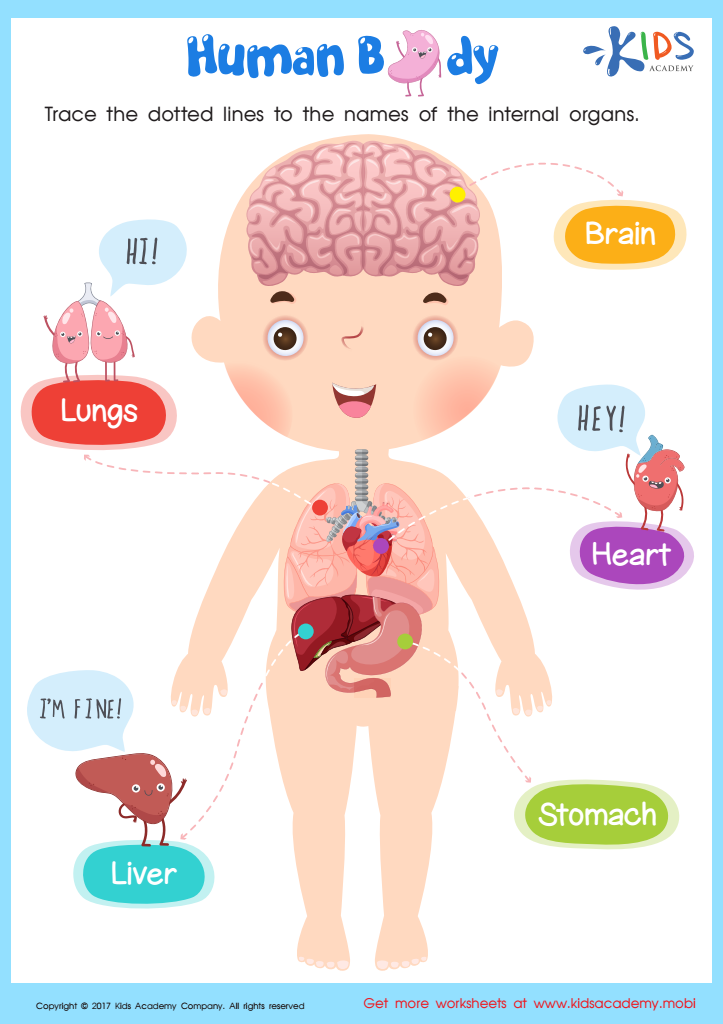
Human Body Worksheet
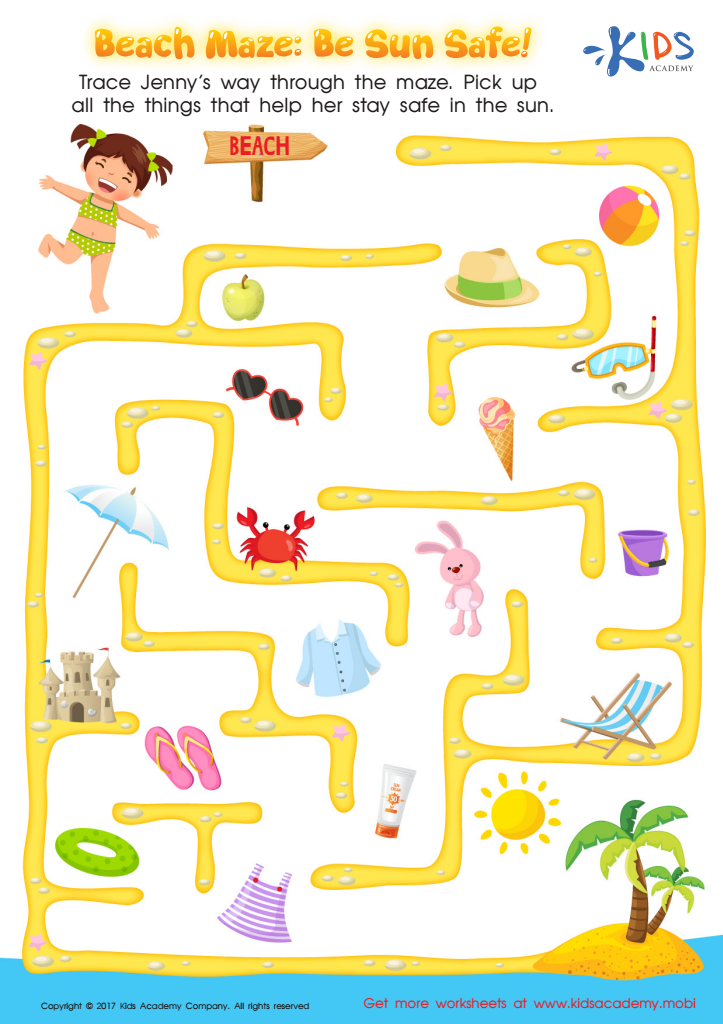
Beach Maze: Sun Safe Worksheet






Reading comprehension is a fundamental skill for children, especially around the age of 8, as it serves as the foundation for all future learning and academic success. When children have good reading comprehension, they can understand, interpret, and analyze text, which is essential for mastering other subjects, including math, science, and social studies.
For example, in science, understanding basic concepts requires more than just knowing facts; children must be able to read and comprehend the text, follow instructions, and understand explanations of phenomena. This is where "Normal Science" enters the picture, typically focusing on observable facts and basic principles. If 8-year-olds struggle with reading comprehension, they may find it challenging to grasp scientific concepts, conduct experiments, or understand scientific vocabulary.
Parents and teachers should care deeply about nurturing reading comprehension skills to ensure that children can access the curriculum meaningfully and stay engaged in their learning. Improving reading skills early on also boosts confidence and fosters a love for reading, which is vital for long-term educational motivation. By supporting reading comprehension, parents and teachers help students develop critical thinking, problem-solving abilities, and a curiosity that drives lifelong learning—important traits not just for science, but for all areas of knowledge and life skills.







