Critical Thinking Normal Worksheets for 9-Year-Olds - Page 2
30 filtered results
-
From - To
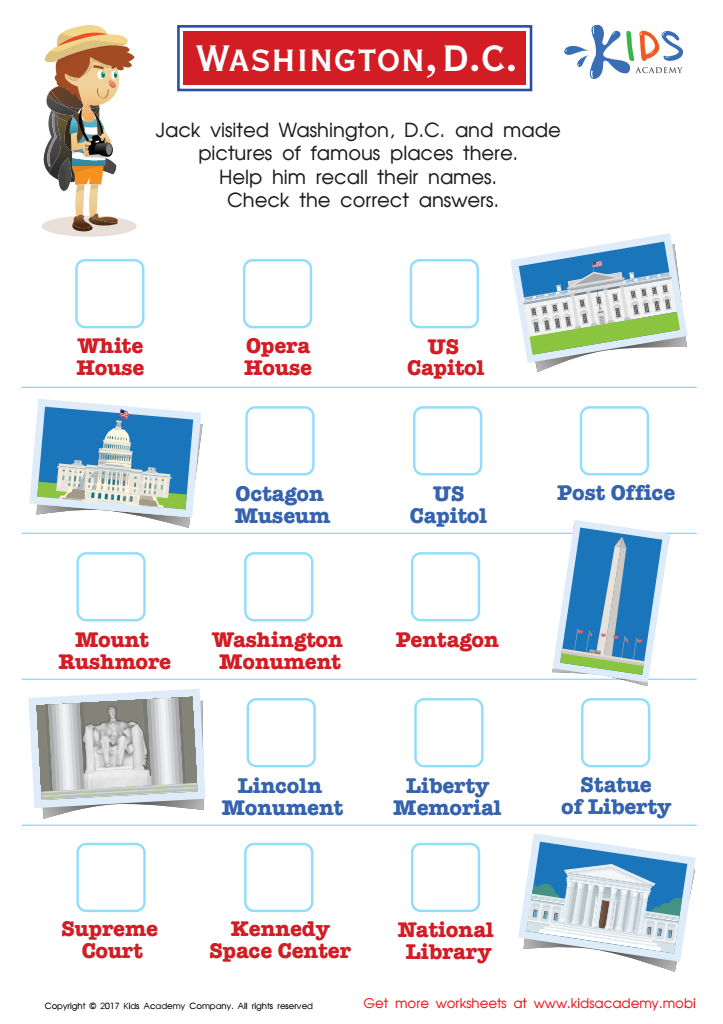
Washington D.C. Printable Worksheet
 Assign to My Students
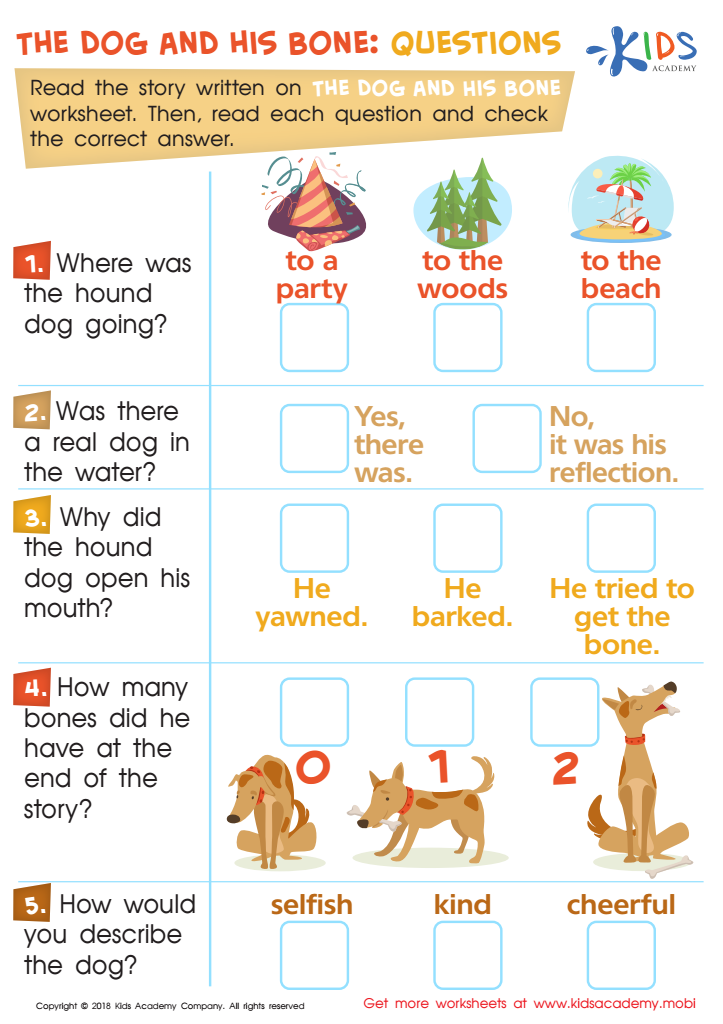
The Dog and His Bone: Questions Worksheet
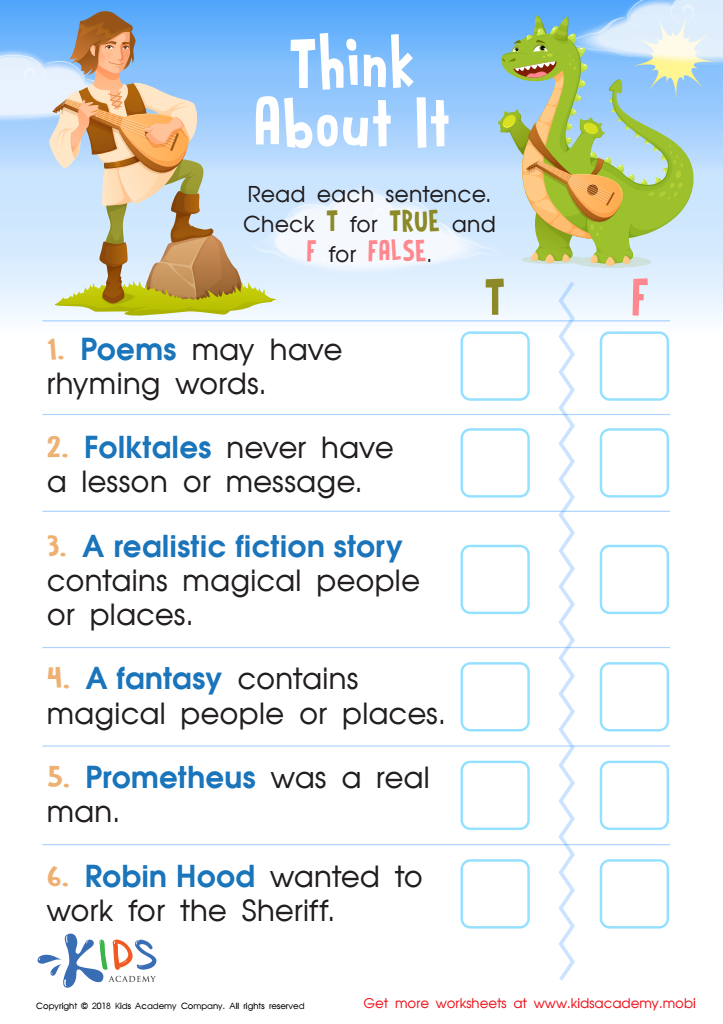
Think About It: Assessment Worksheet

World Traveler Worksheet
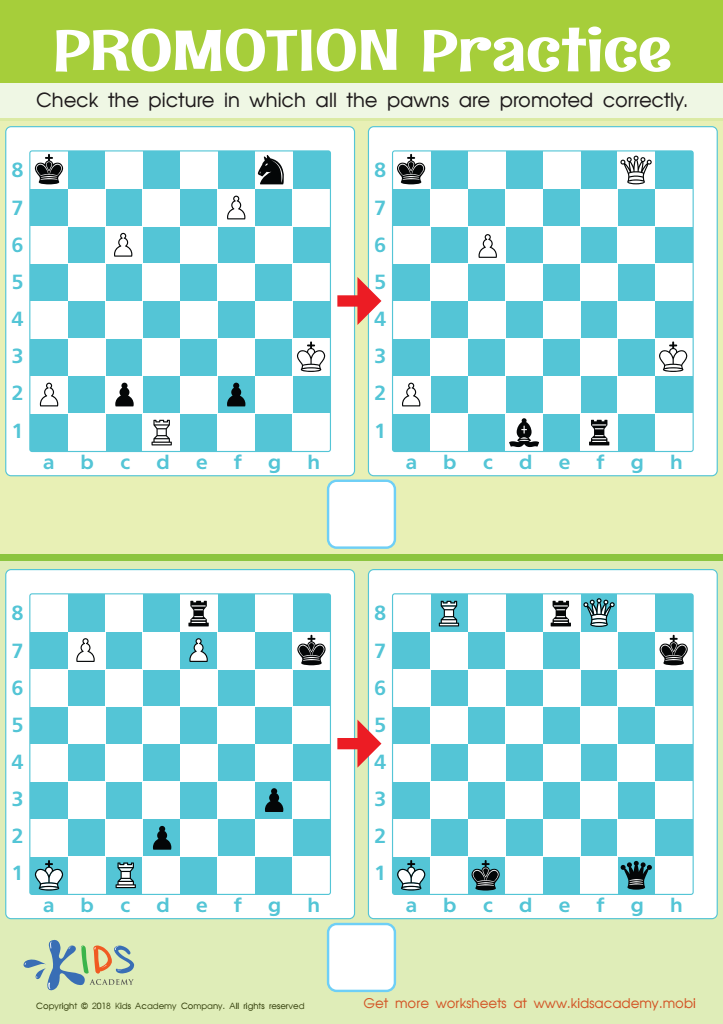
Promotion Practice Worksheet
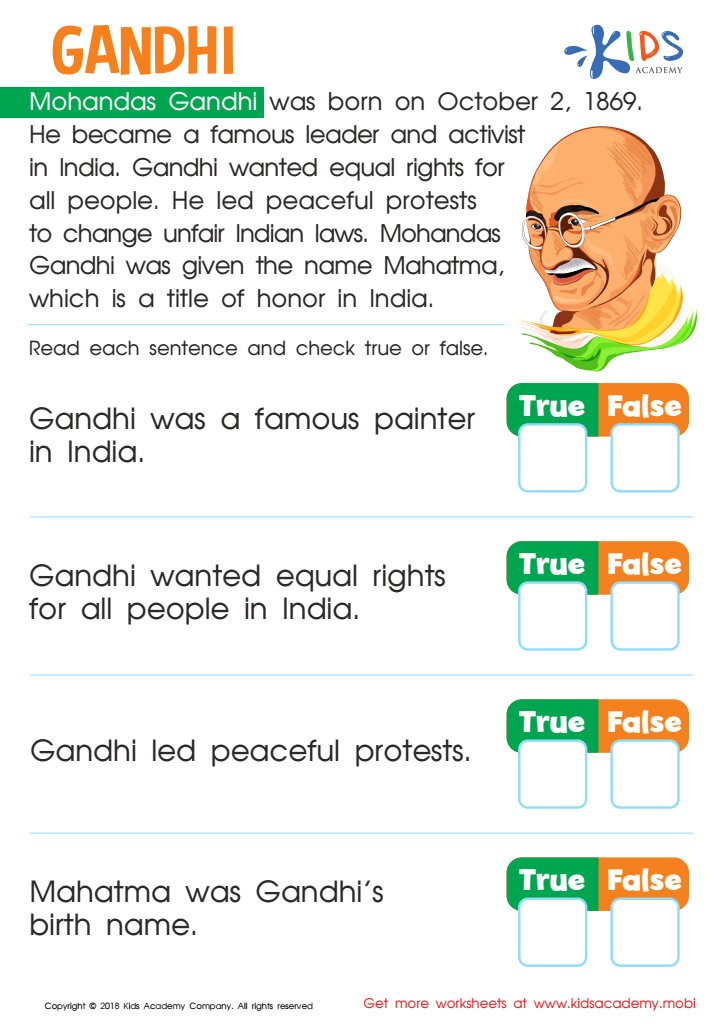
Gandhi Worksheet



.jpg)



.jpg)
Parents and teachers should prioritize fostering critical thinking in 9-year-olds due to its foundational impact on their overall development and future success. At this formative stage, children are naturally curious and beginning to form independent ideas. Critical thinking skills empower them to analyze information, evaluate different perspectives, and solve problems effectively rather than blindly accepting what they see or hear.
Developing these skills enhances academic performance across all subjects because it promotes active learning and a deeper understanding of material. For instance, in reading comprehension, children learn to infer meaning, predict outcomes, and question underlying themes. In math and science, critical thinking helps them grasp complex concepts and apply logical reasoning.
Moreover, in today’s information-rich world, the ability to distinguish between credible sources and misinformation is crucial. Critical thinking prepares children to navigate social media and other platforms with a discerning eye, making them less vulnerable to manipulation.
Socially, these skills help children understand and value diverse viewpoints, fostering empathy and collaborative abilities. By teaching 9-year-olds how to think critically, parents and teachers equip them with tools to make better decisions, enhance creativity, and build more meaningful relationships, ultimately preparing them for the complexities of adult life.








