Spatial awareness Normal Math Worksheets for 9-Year-Olds
3 filtered results
-
From - To
Our Spatial Awareness Normal Math Worksheets for 9-year-olds are designed to enhance your child's learning experience by developing crucial spatial skills. These engaging worksheets challenge young minds with activities that improve the understanding of shapes, positions, directions, and visualizing objects in space. Perfect for classroom or home use, these exercises support cognitive development, promote problem-solving, and foster a strong foundation in math. By incorporating these worksheets into your child's routine, you'll be providing them with the tools they need to excel in math and beyond. Explore a fun and effective way to boost your child's spatial awareness today!
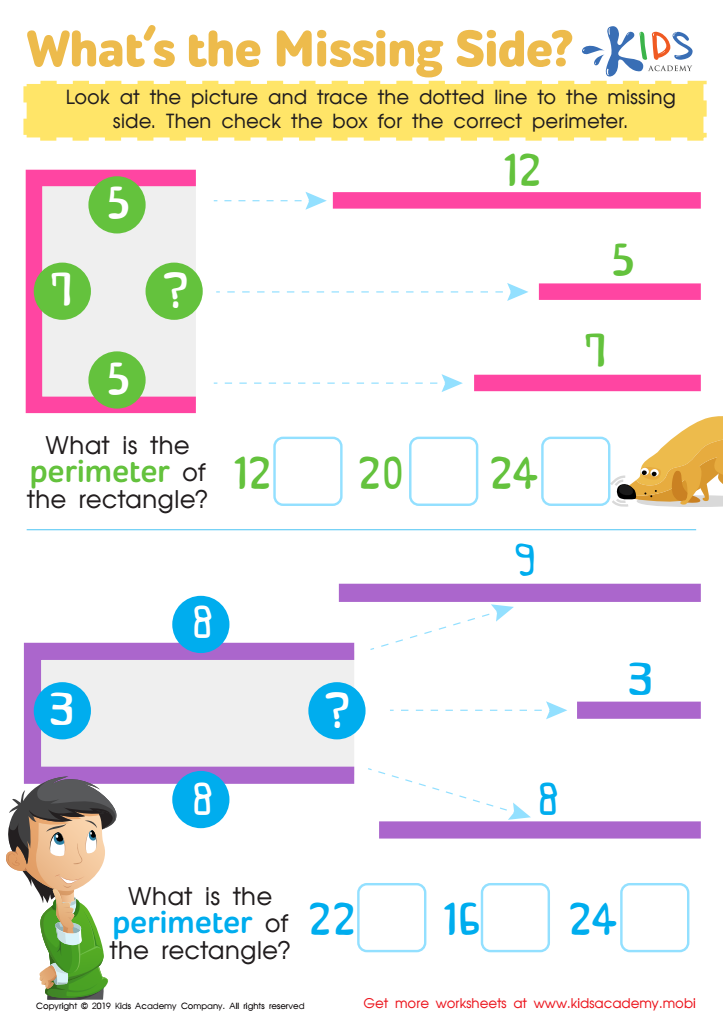
What's the Missing Side Worksheet
 Assign to My Students
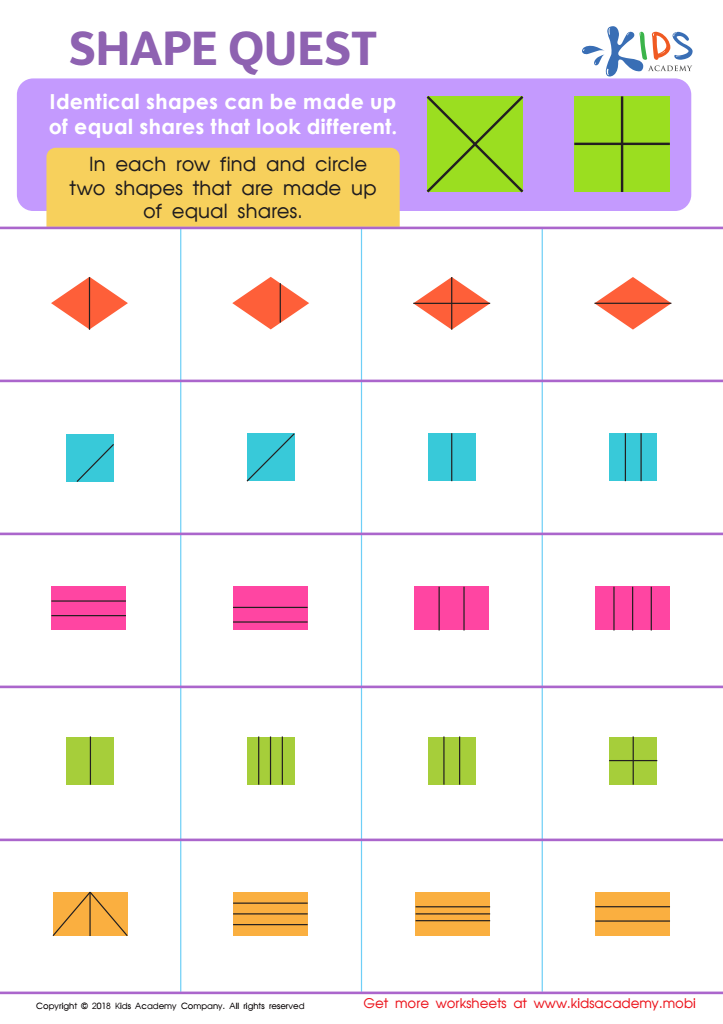
Shape Quest Worksheet
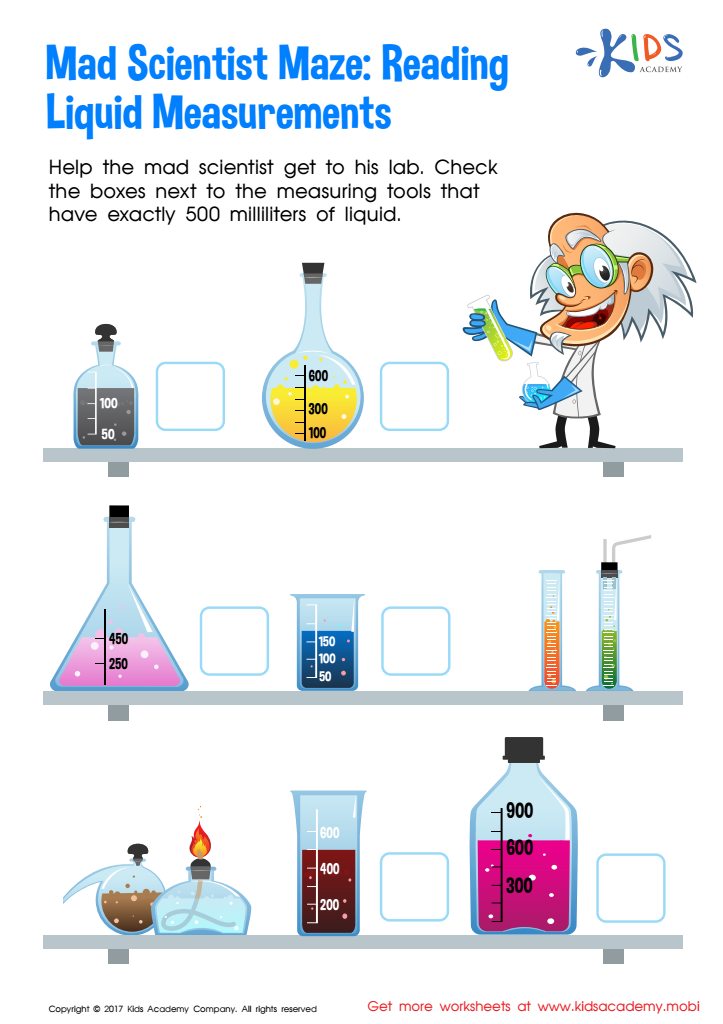
Reading Liquid Measurement Worksheet



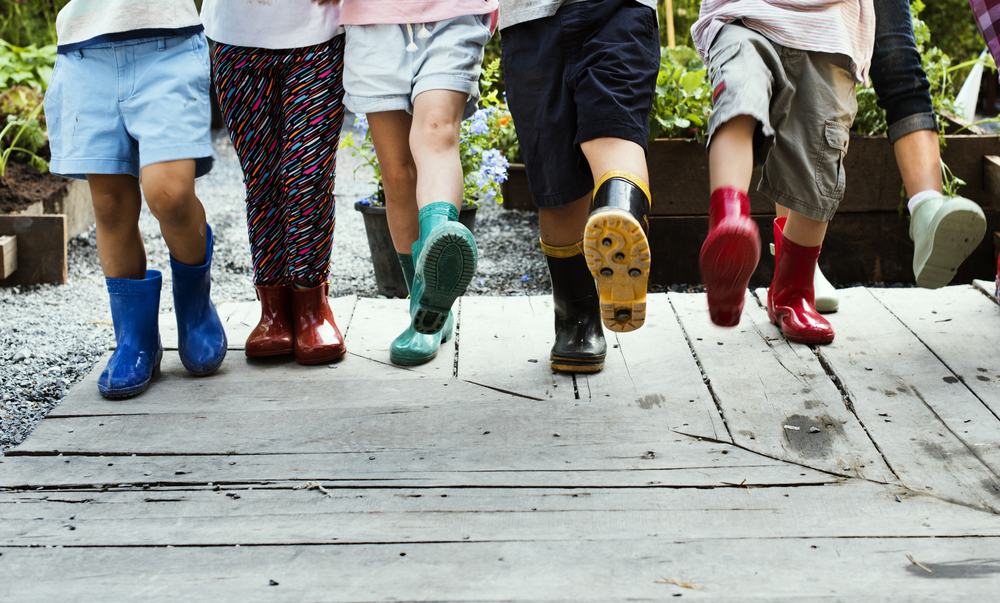



Spatial awareness is a crucial component of a child's overall intellectual development, and parents or teachers should give it ample attention when teaching math to 9-year-olds. At this stage of development, children begin to comprehend and use more complex concepts that are directly tied to how they perceive and process spatial relationships. Mastery of spatial awareness can significantly improve their ability to understand geometry, read and interpret charts and graphs, and solve word problems.
Spatial skills also enhance a child’s ability to think in multiple dimensions, which is vital for later success in fields such as engineering, natural sciences, and mathematics. These skills play a significant role in everyday activities, including the ability to navigate surroundings, understand maps, and estimate distances. Moreover, spatial awareness contributes to a child's fine motor skills and hand-eye coordination, which are beneficial for sports and other physical activities.
As a part of normal math curricula for 9-year-olds, integrating spatial awareness exercises helps solidify basic arithmetic concepts and makes abstract math ideas more tangible. Activities like building models, drawing shapes, and using manipulatives can aid in solidifying these important skills. Teachers and parents can create a more comprehensive learning environment, promote critical thinking, and foster a lifelong interest in mathematics by recognizing and nurturing spatial awareness in their children.








