Understanding patterns Normal Math Worksheets for 9-Year-Olds
5 filtered results
-
From - To
Explore our comprehensive "Understanding Patterns" math worksheets designed specifically for 9-year-olds. These engaging resources aim to enhance fundamental math skills by helping students recognize and analyze patterns in numbers, shapes, and sequences. Each worksheet offers scaffolded activities that cater to diverse learning styles, promoting critical thinking and problem-solving abilities. Our fun and interactive exercises make learning enjoyable while reinforcing key concepts vital for academic success. Perfect for both classroom use and home practice, these worksheets ensure children build a solid foundation in mathematics. Dive into the world of patterns and watch your child develop confidence in their math skills!
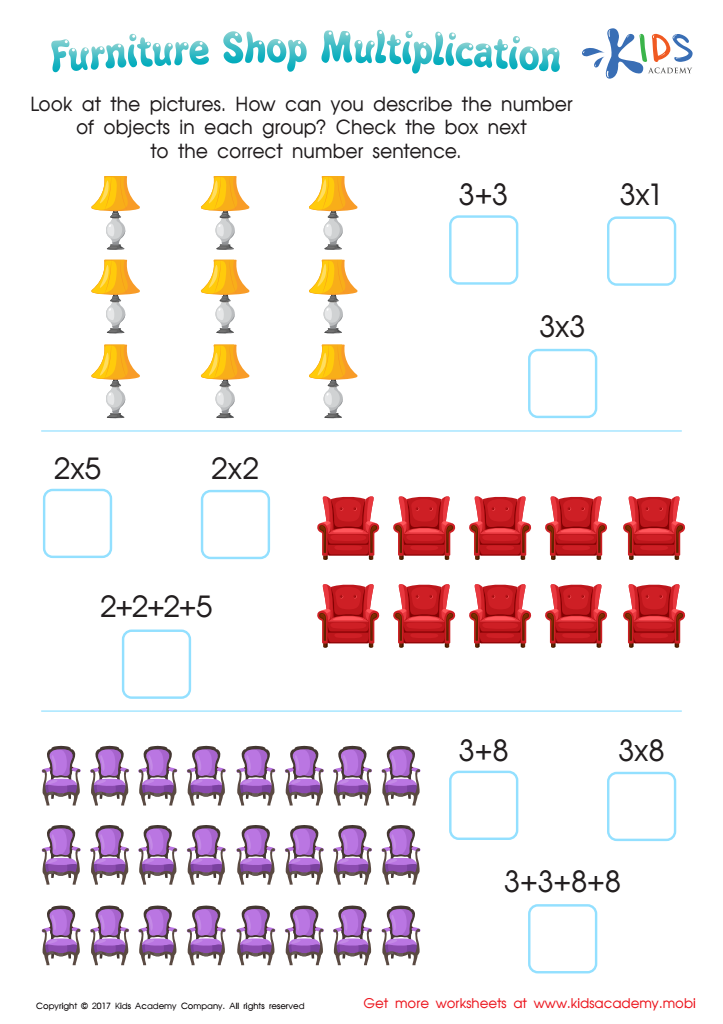
Furniture Shop Worksheet
 Assign to My Students
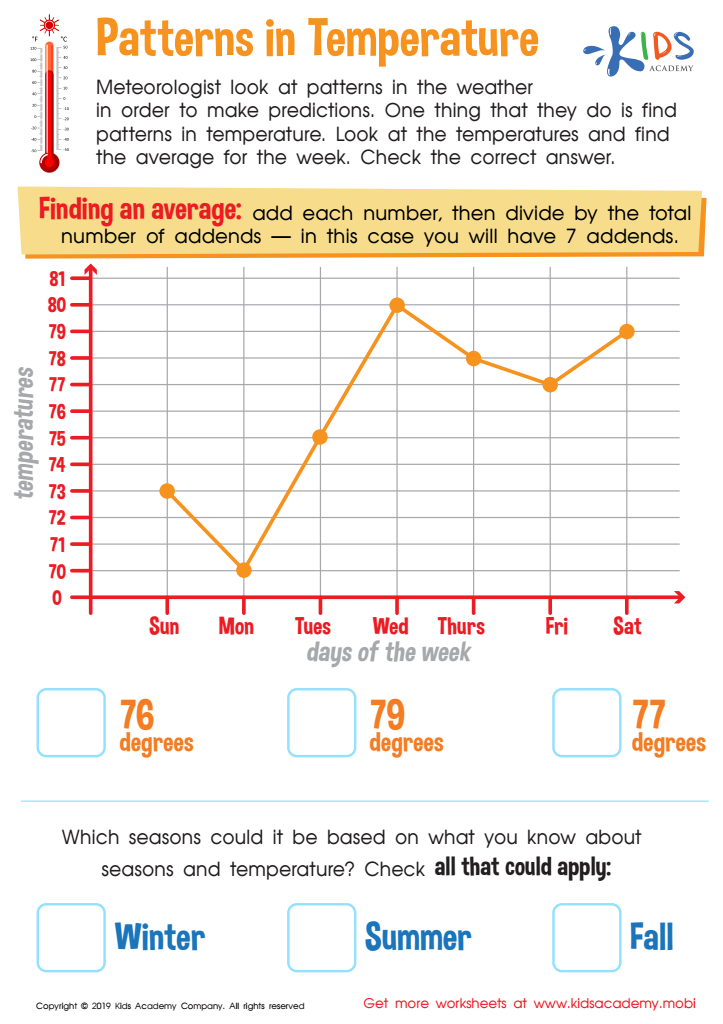
Patterns in Temperature Worksheet
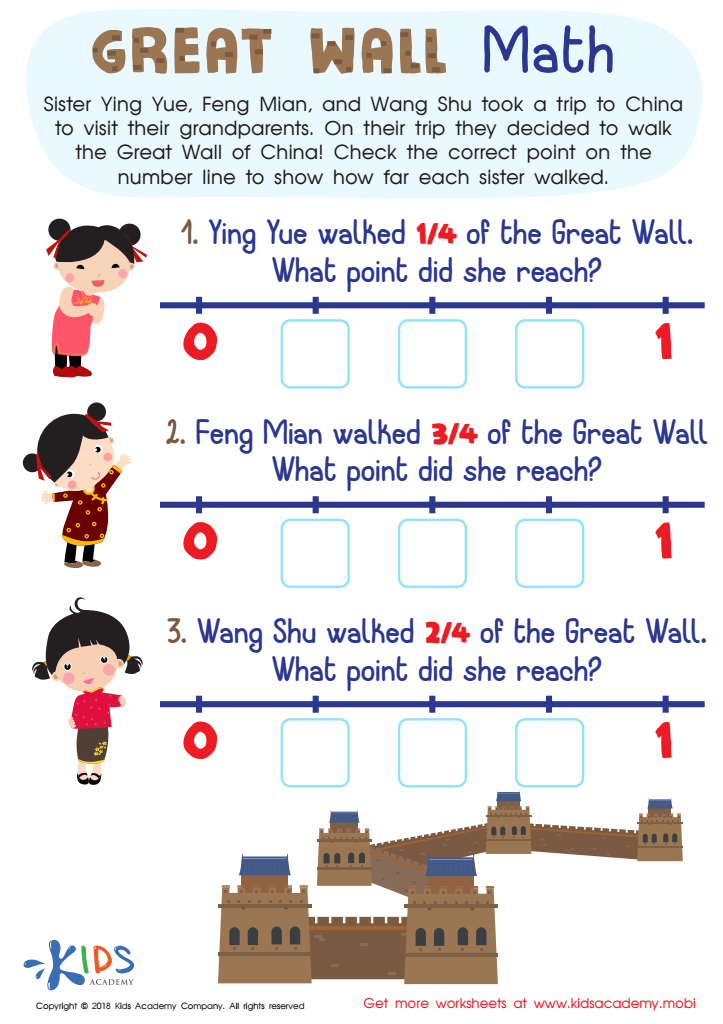
Great Wall Math Worksheet
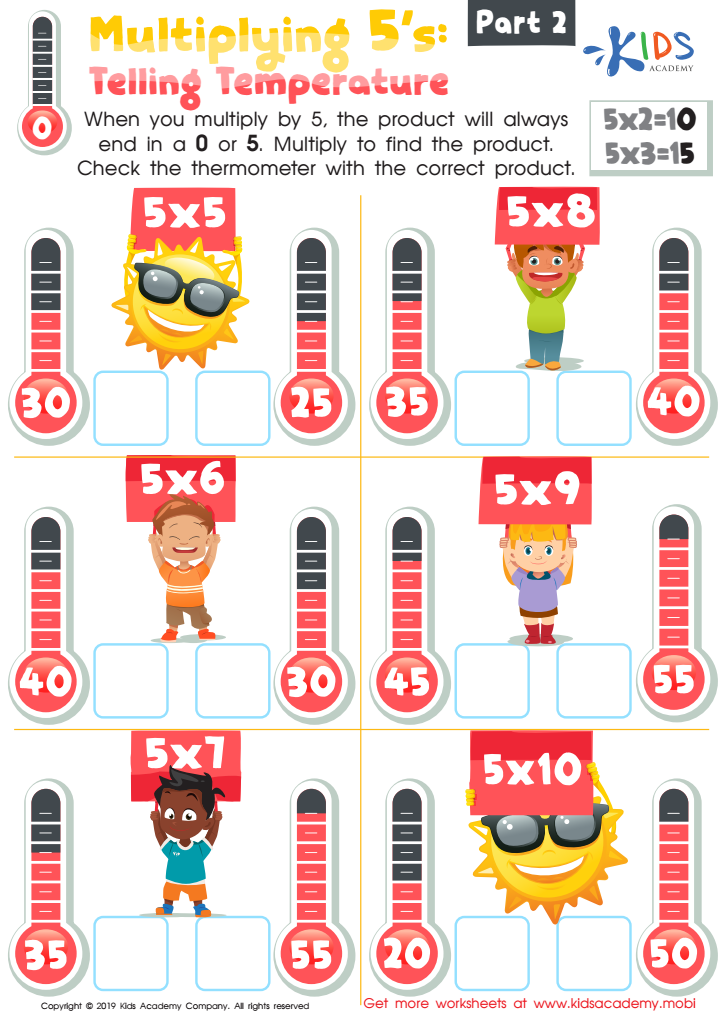
Multiplying 5’s: Telling Temperature Part 2 Worksheet
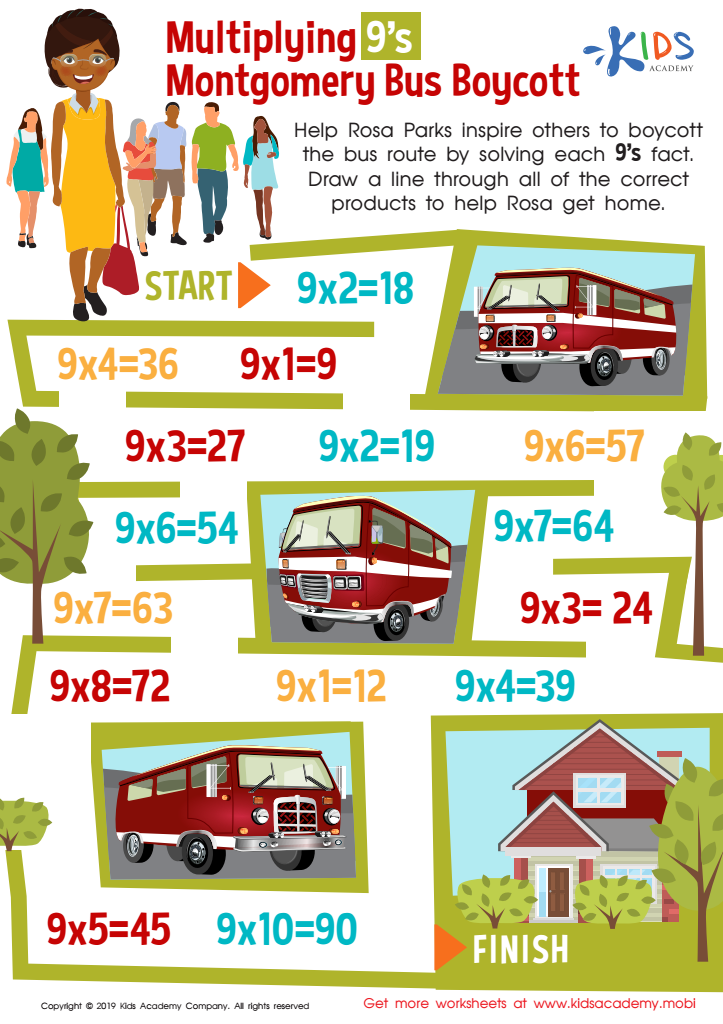
Multiplying 9’s Montgomery Bus Boycott Worksheet





Understanding patterns in math is crucial for 9-year-olds as it lays the foundation for more advanced mathematical concepts. For parents and teachers, recognizing the significance of pattern recognition helps foster critical thinking and problem-solving skills. Children are naturally curious, and patterns offer a way for them to make sense of the world around them. By identifying patterns, students enhance their logical reasoning and analytical skills, essential not only for mathematics but for everyday decision-making.
Math is inherently about relationships and rules, and understanding patterns helps children recognize these connections. For instance, whether it's number patterns in sequences or geometric patterns in shapes, these skills allow kids to predict outcomes and solve problems more efficiently. Moreover, learning to identify and create patterns boosts confidence and engagement in math, countering any anxieties they may have about the subject.
Ultimately, developing the ability to recognize patterns encourages creativity and innovation in their thinking. As they progress in their education, this foundational skill will support them in grasping more complex mathematics, such as algebra and geometry. Therefore, both parents and teachers should prioritize teaching pattern recognition to cultivate a strong mathematical foundation and promote a positive attitude towards learning.








