Critical Thinking Normal History Worksheets for 9-Year-Olds
9 filtered results
-
From - To
Enhance your child's critical thinking skills with our engaging Normal History Worksheets tailored for 9-year-olds. These thoughtfully designed worksheets encourage young learners to analyze historical events, make connections, and develop a deeper understanding of the past. With a variety of engaging activities, students will explore key concepts, interpret information, and answer thought-provoking questions that boost their cognitive abilities. Our worksheets are aligned with educational standards, making them an excellent resource for home or classroom use. Foster curiosity and analytical skills in your child as they embark on an exciting journey through history, all while having fun learning!

Native American Word Search Printable
 Assign to My Students
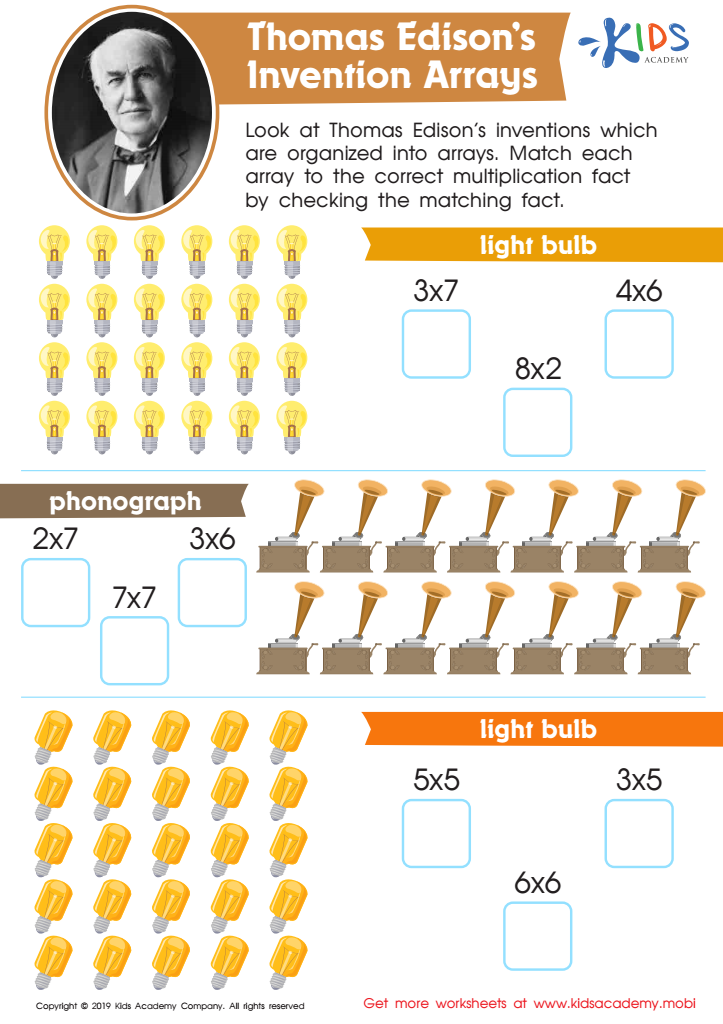
Thomas Edison’s Invention Arrays Worksheet
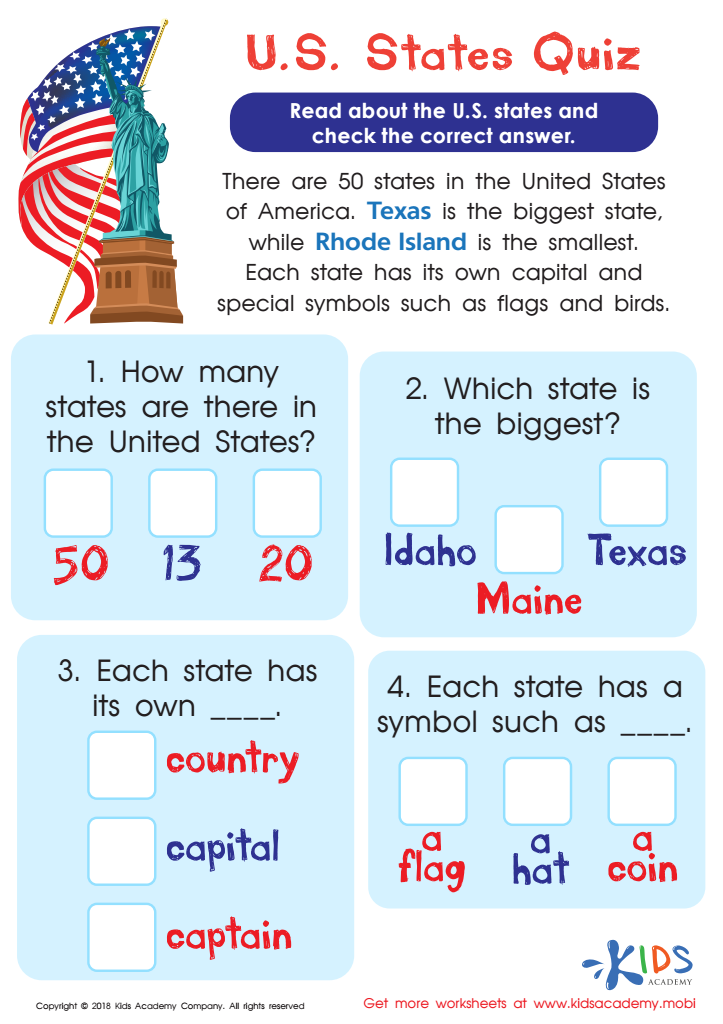
U.S. States Quiz Worksheet
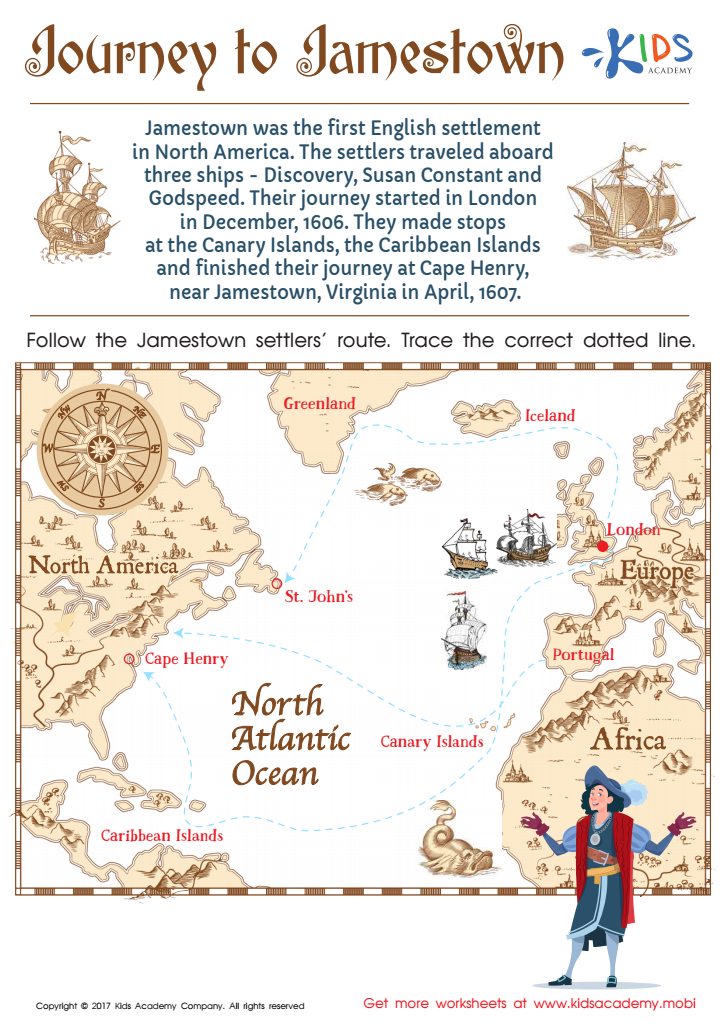
Journey to Jamestown Worksheet
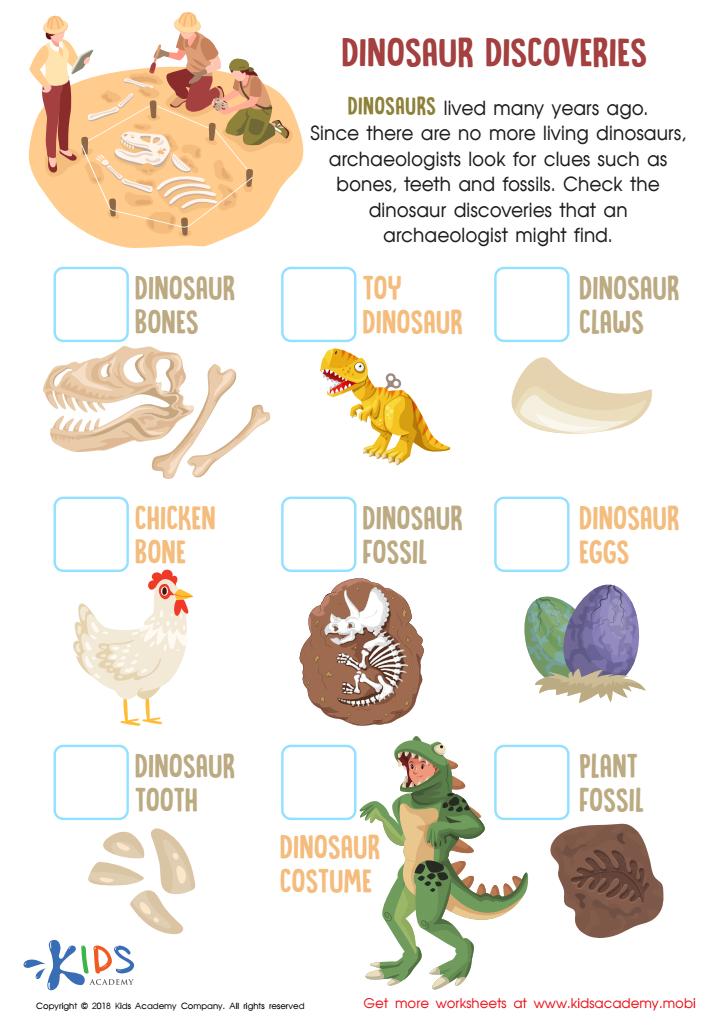
Dinosaur Discoveries Worksheet
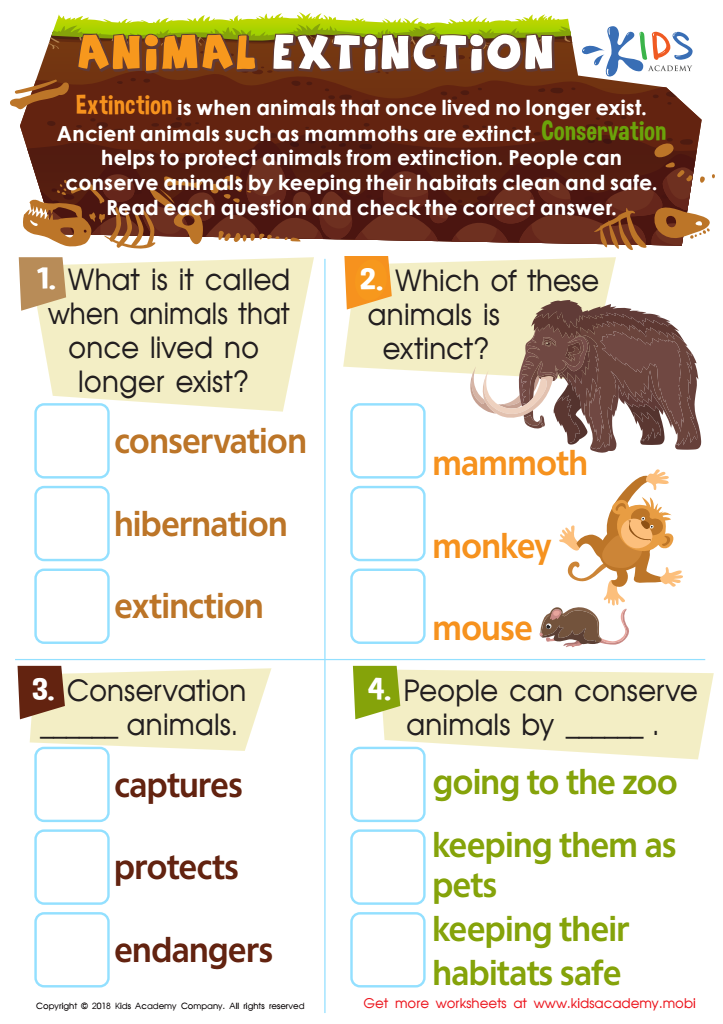
Animal Extinction Worksheet
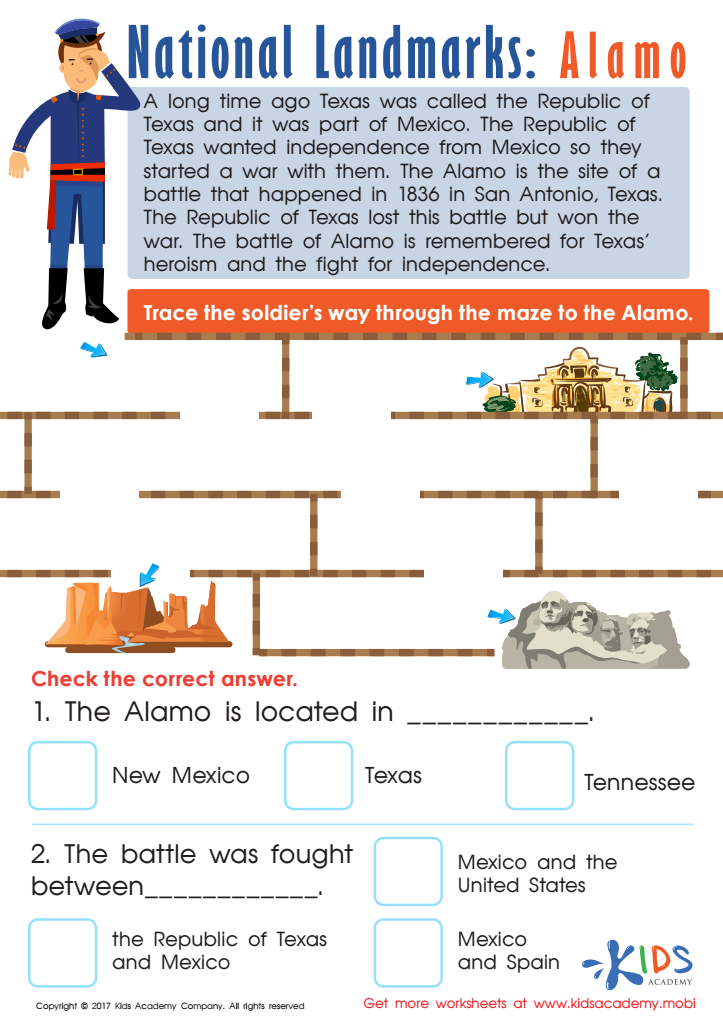
Alamo Printable Worksheet
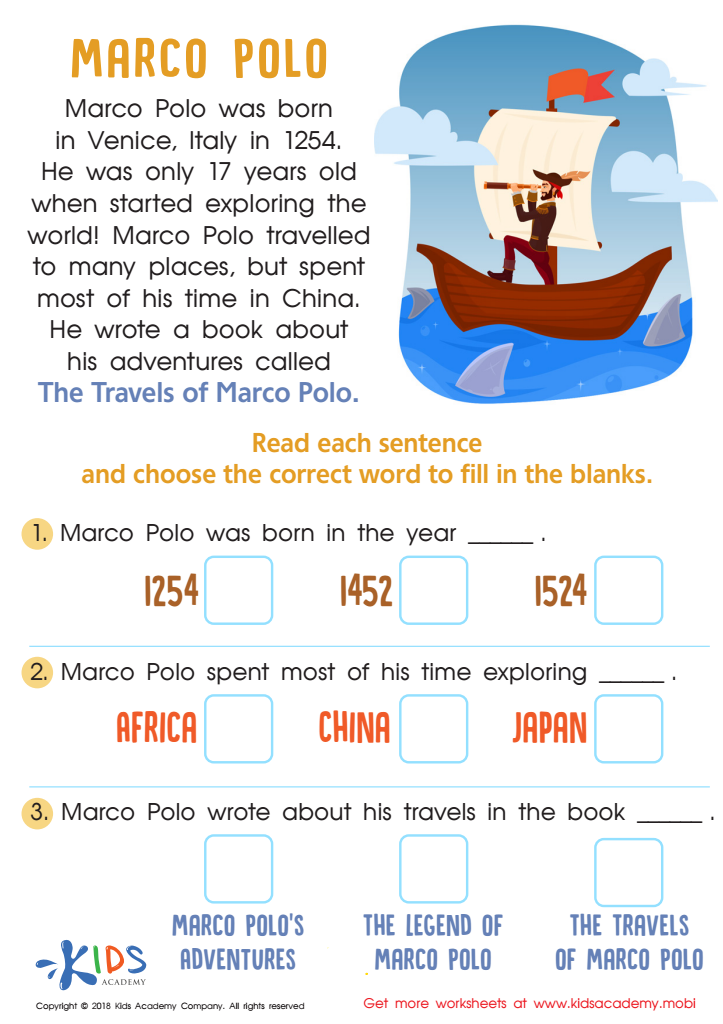
Marco Polo Worksheet
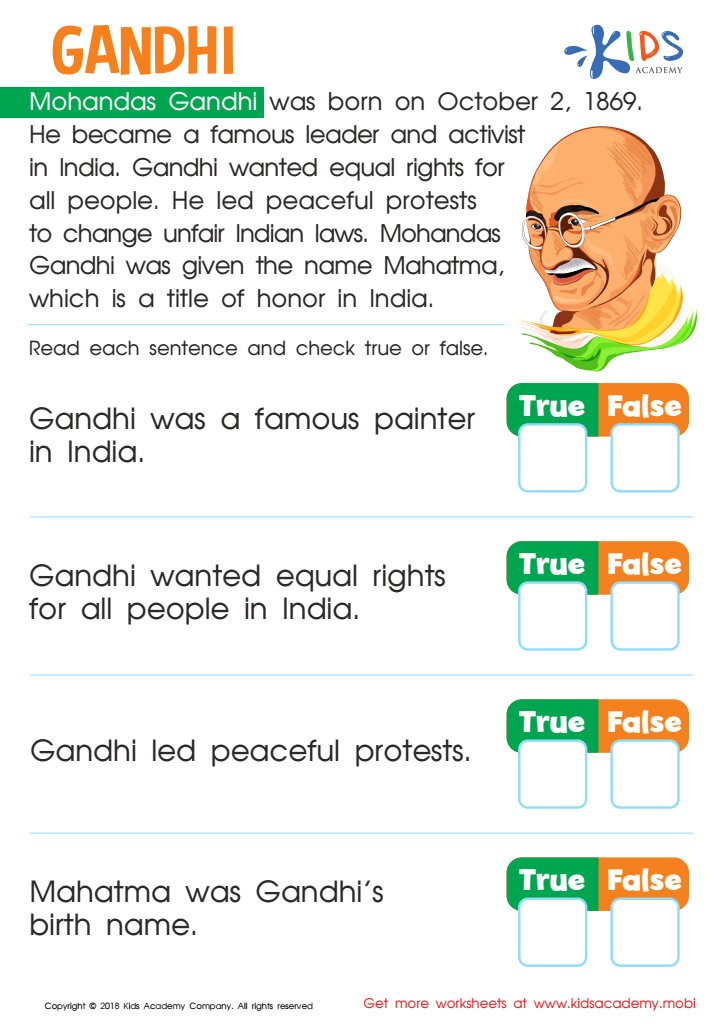
Gandhi Worksheet








Critical thinking is an essential skill for children, and teaching 9-year-olds about critical thinking in normal history plays a crucial role in their cognitive development. At this age, children begin to explore complex ideas and are able to question the world around them. Introducing critical thinking in the context of history helps them to analyze events from multiple perspectives, encouraging them to understand cause and effect, compare different viewpoints, and assess the reliability of sources.
By learning critical thinking skills through history, children develop the ability to inquire deeply, challenge assumptions, and recognize biases. This not only enriches their understanding of past events but also equips them with the tools to navigate contemporary issues they may encounter in life. Parents and teachers should care because fostering critical thinking empowers children to become informed citizens who can participate actively and thoughtfully in their communities.
Moreover, these skills lay the foundation for academic success, helping children excel not only in history but across subjects. Ultimately, instilling critical thinking from an early age encourages lifelong learning, resilience, and the ability to engage thoughtfully with the complexities of the world around them, making it a priority for both parents and educators.