Phonics recognition Normal Alphabet Worksheets
14 filtered results
-
From - To
Phonics recognition is crucial for developing strong reading foundations in young children. Our comprehensive Phonics Recognition Normal Alphabet Worksheets are expertly crafted to enhance your child's ability to connect sounds with letters. Designed for early learners, these engaging, educational worksheets utilize visually appealing activities to make learning enjoyable and effective. Ideal for both classroom and at-home use, our worksheets help children recognize, identify, and pronounce each letter of the alphabet with confidence. Boost your child's phonemic awareness and set them on the path to reading success with our colorful and interactive phonics worksheets. Explore our collection today and support your child's literacy journey.
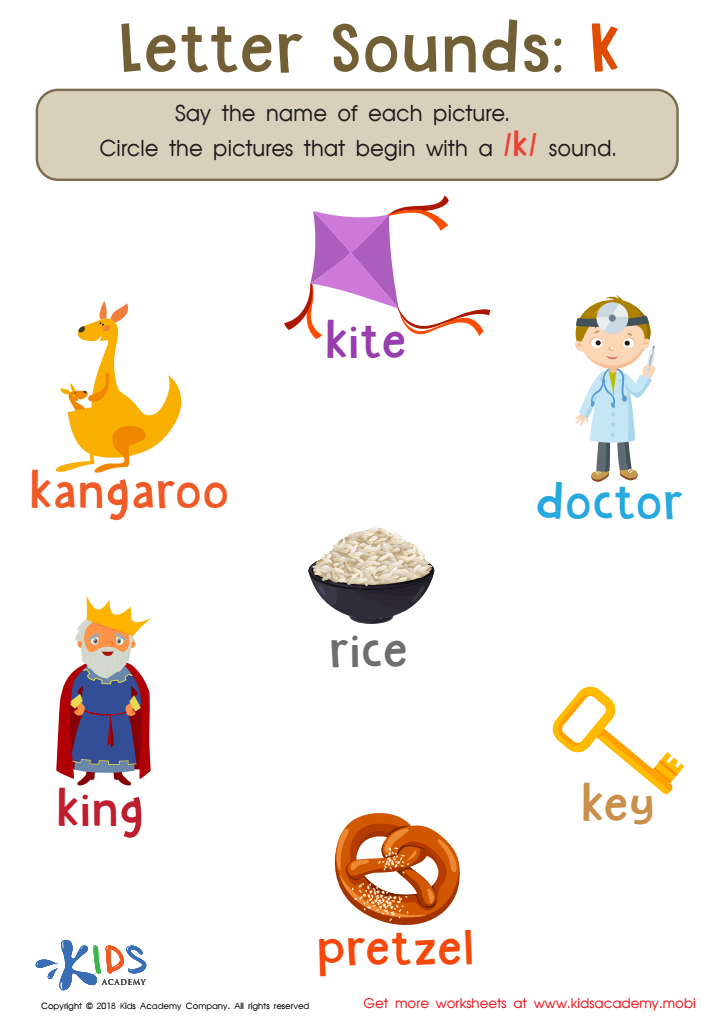
Letter K Sounds Worksheet
 Assign to My Students
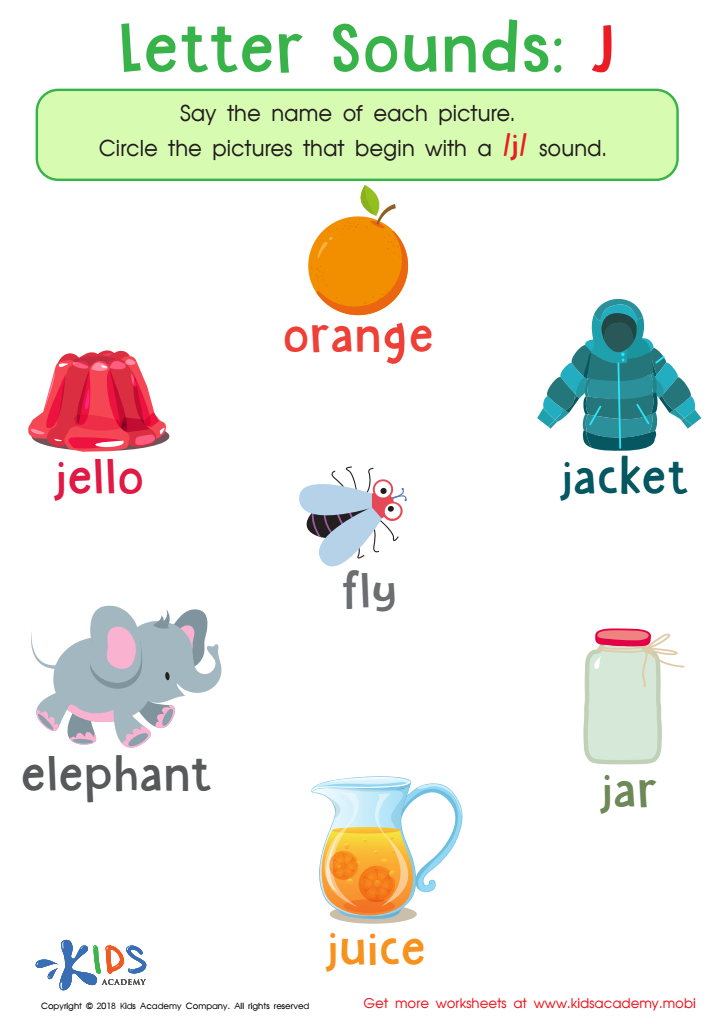
Letter Sounds: J Printable Worksheet
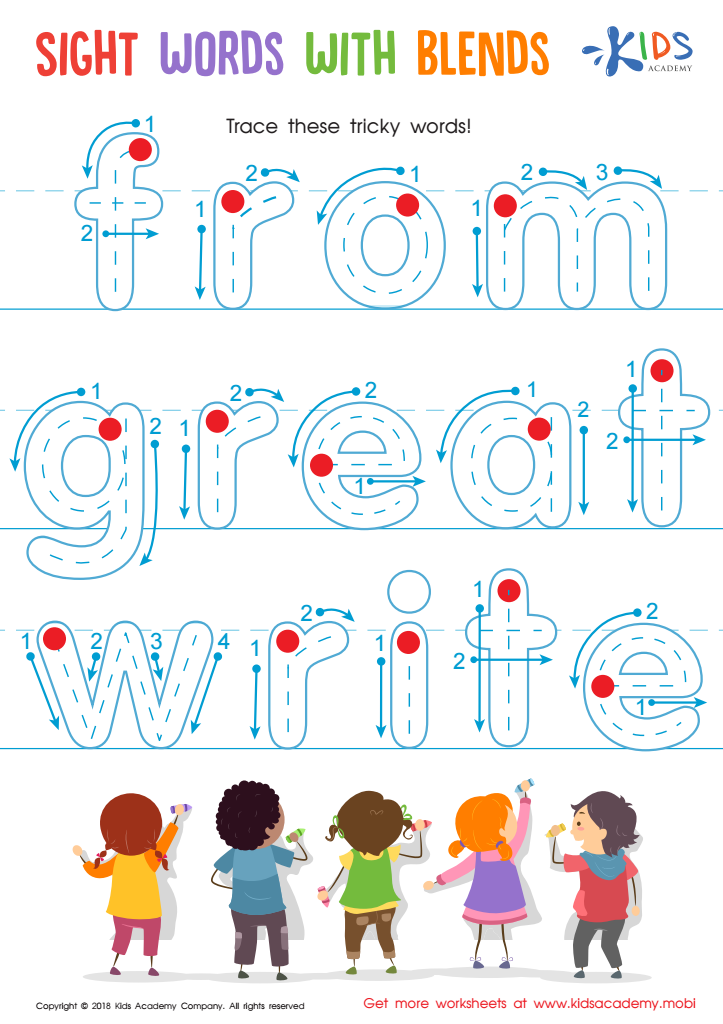
Sight Words with Blends Worksheet
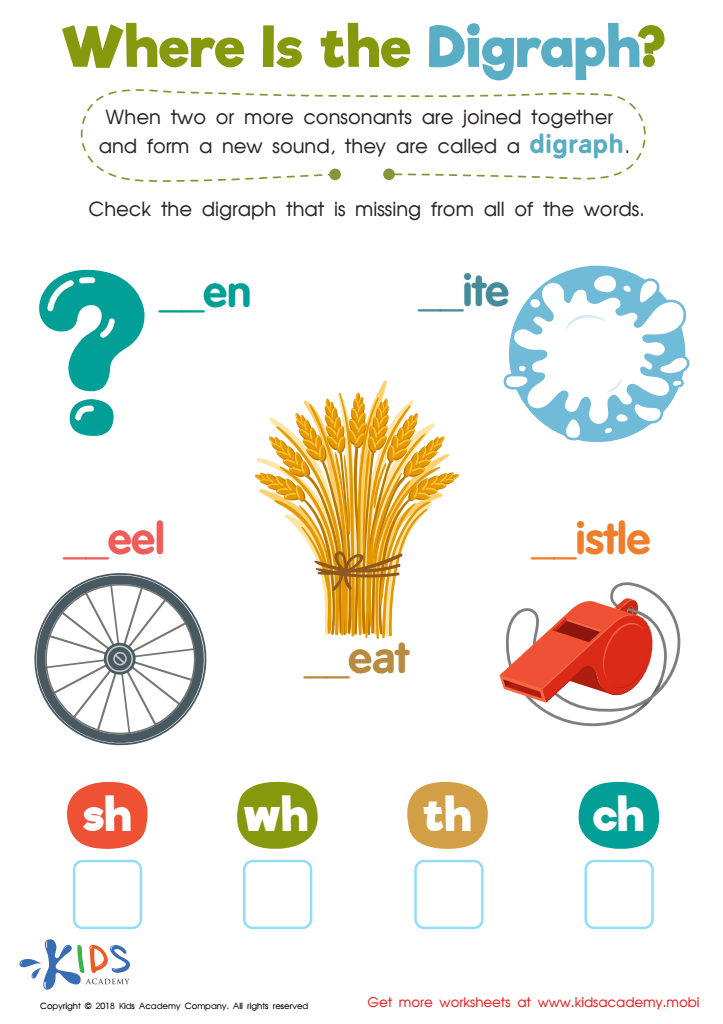
Where Is the Digraph? Worksheet
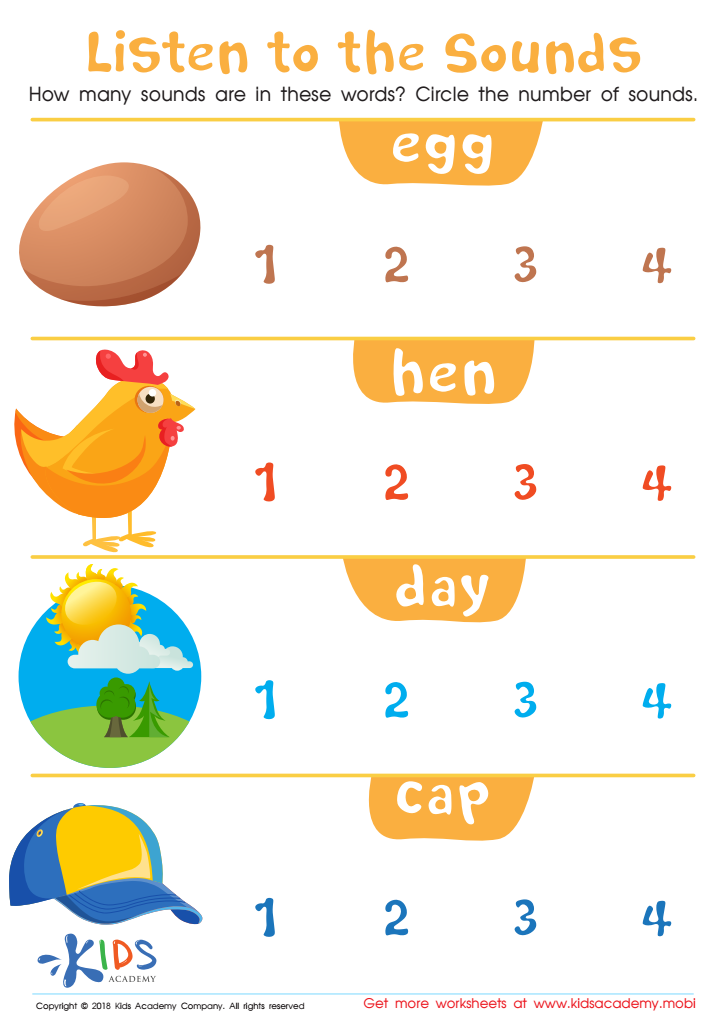
Listen to the Sounds Worksheet
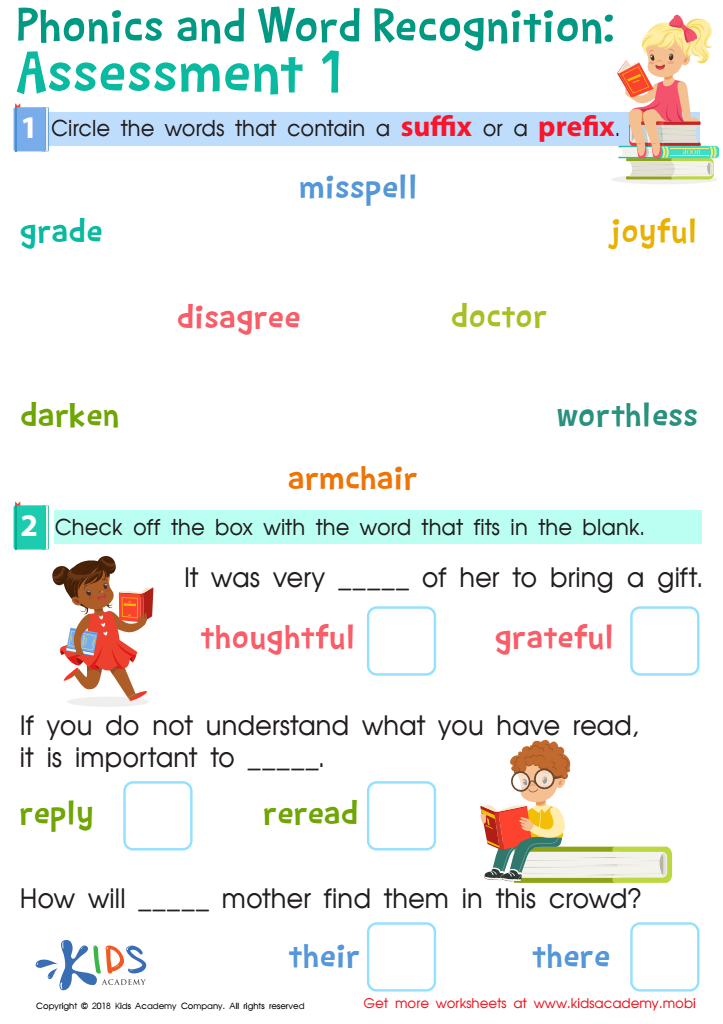
Phonics and Word Recognition: Assessment 1 Worksheet
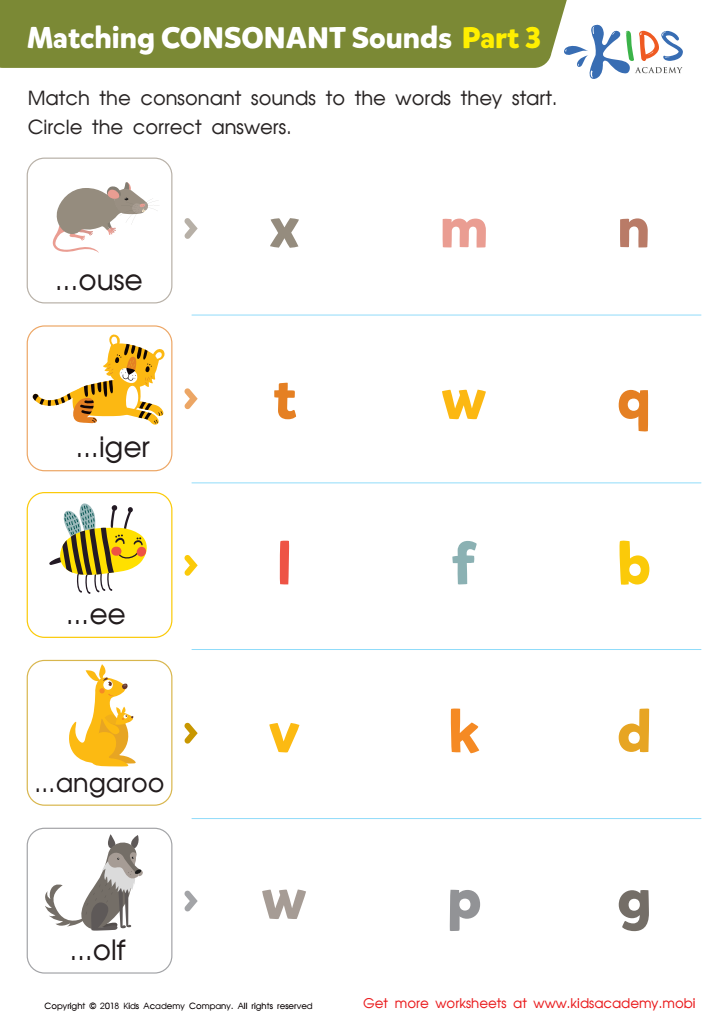
Matching Consonant Sounds: Part 3 Worksheet
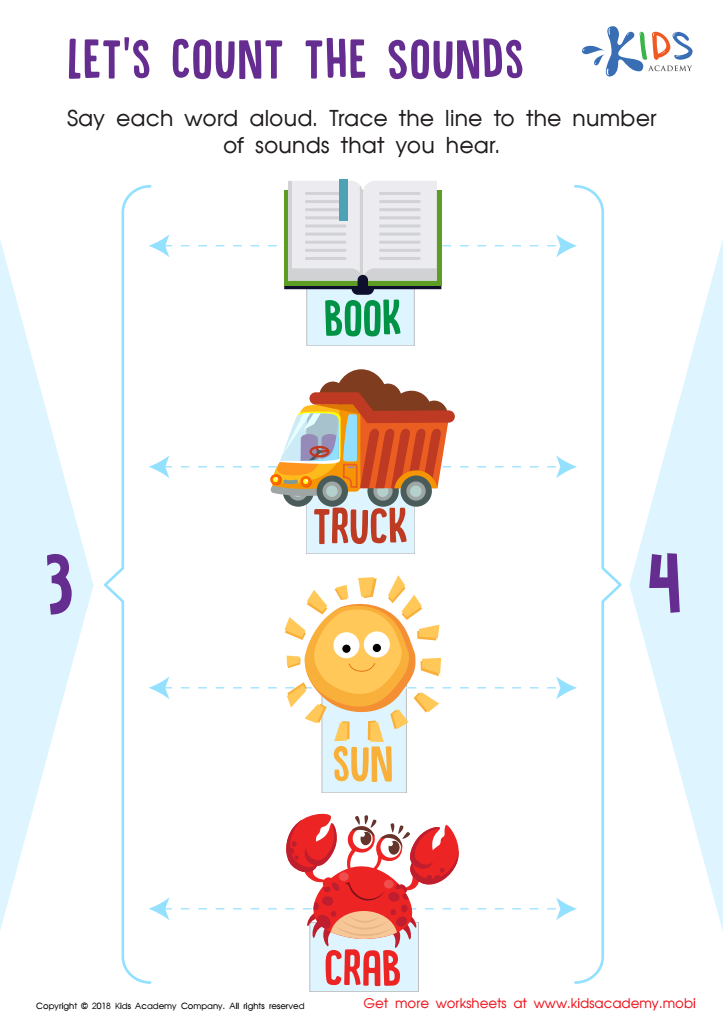
Let's Count the Sounds Worksheet
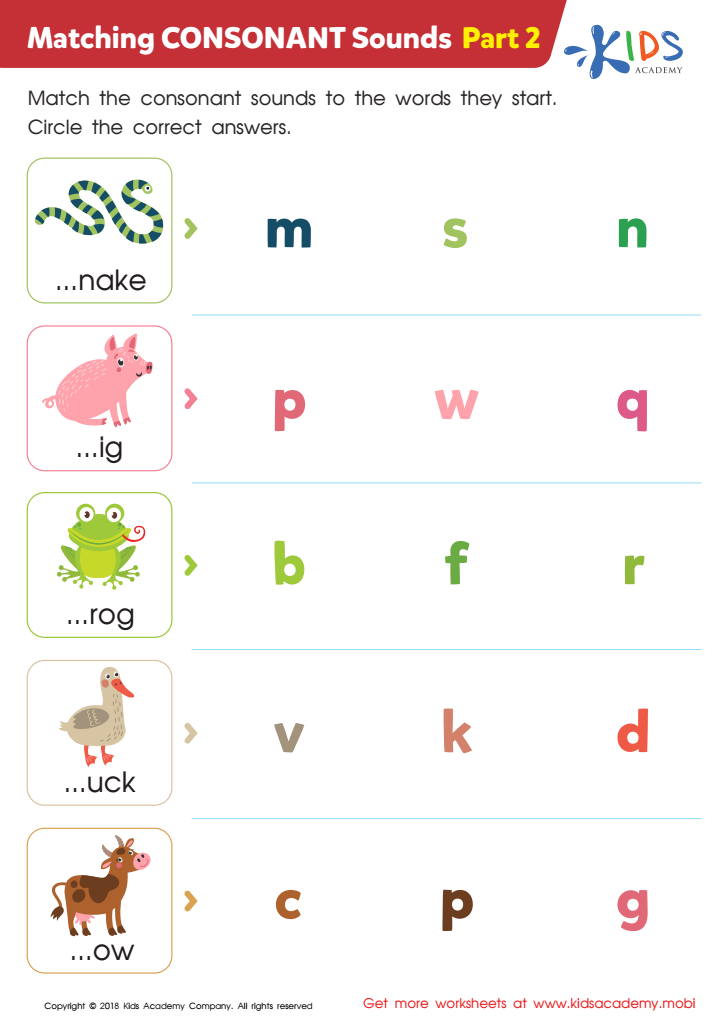
Matching Consonant Sounds: Part 2 Worksheet
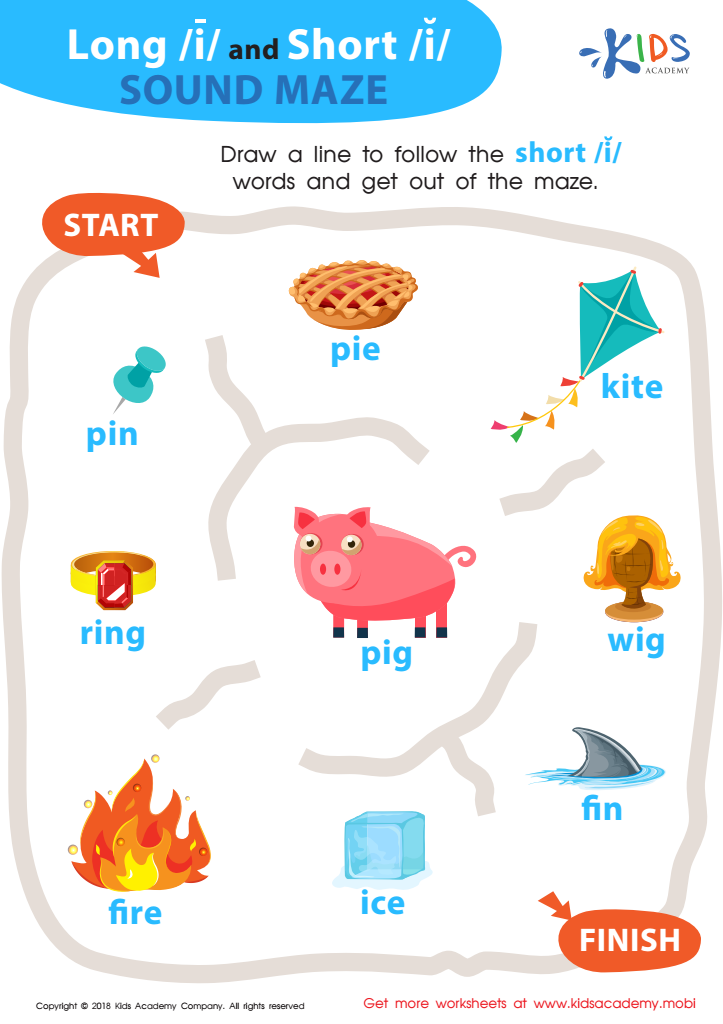
Reading: Long I and Short I Sound Maze Worksheet
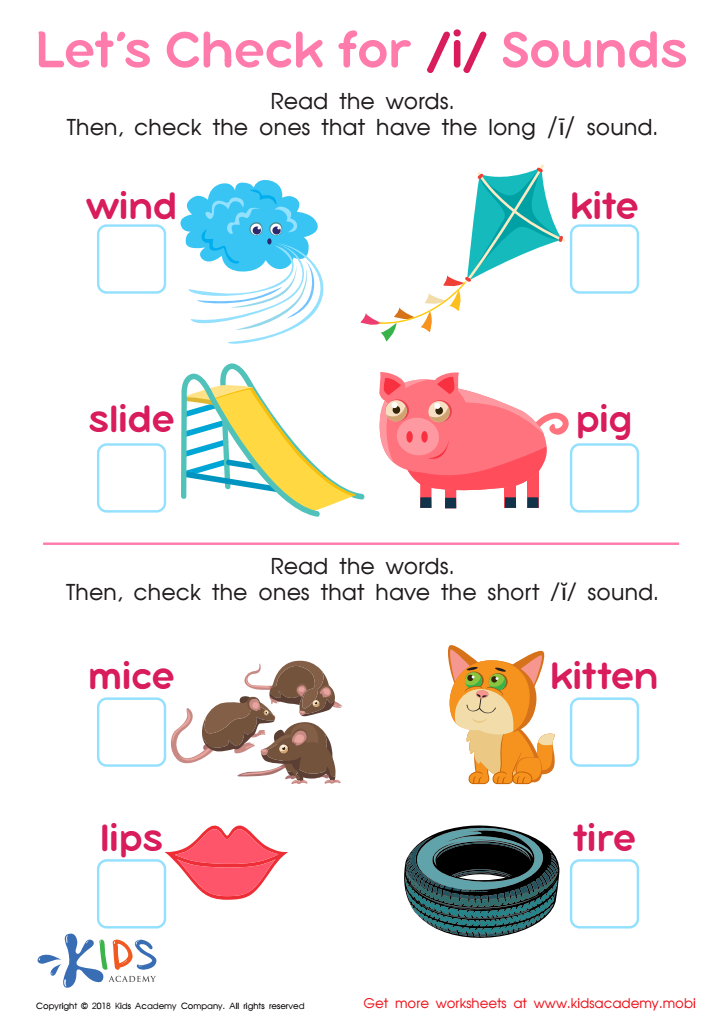
Let's Check for «i» Sounds Worksheet
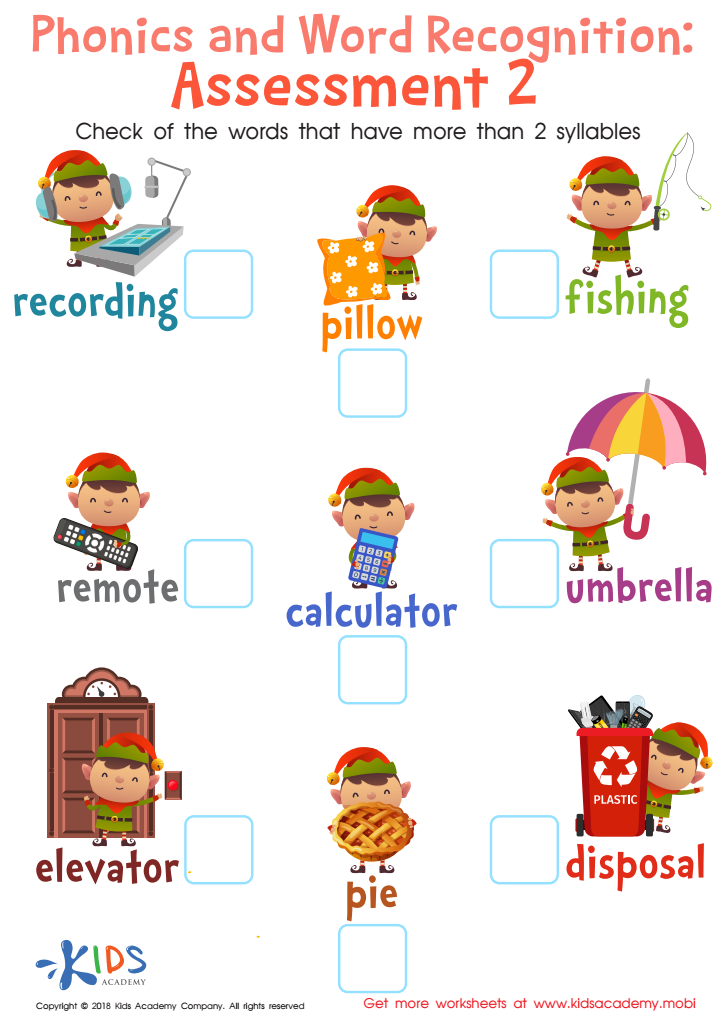
Phonics and Word Recognition: Assessment 2 Worksheet
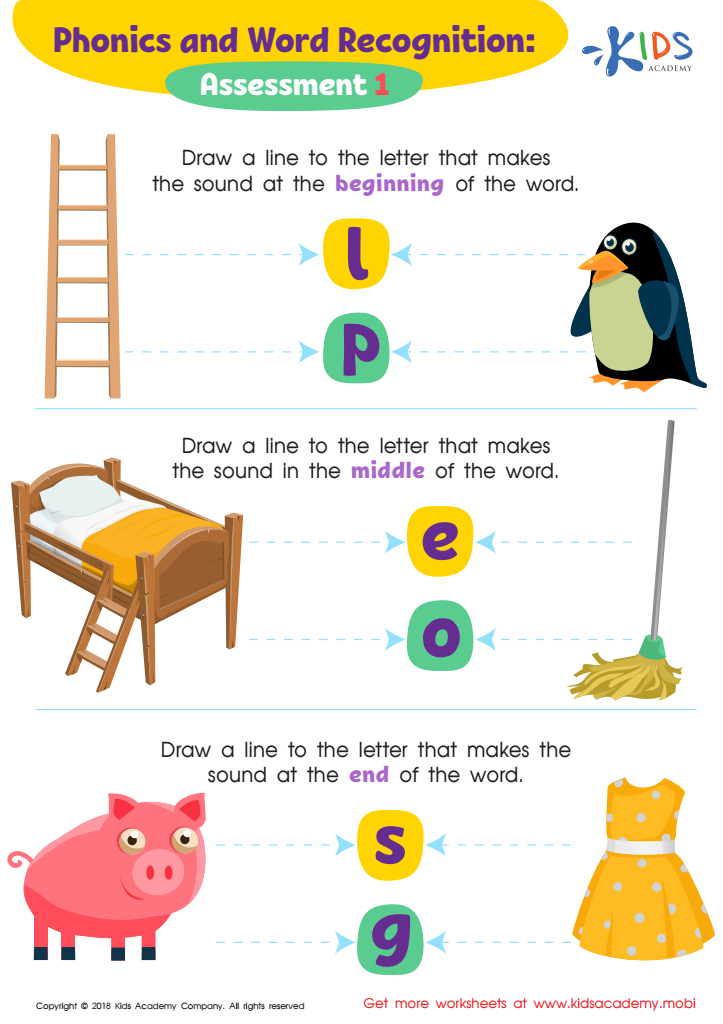
Phonics and Word Recognition: Assessment 1 ELA Worksheet
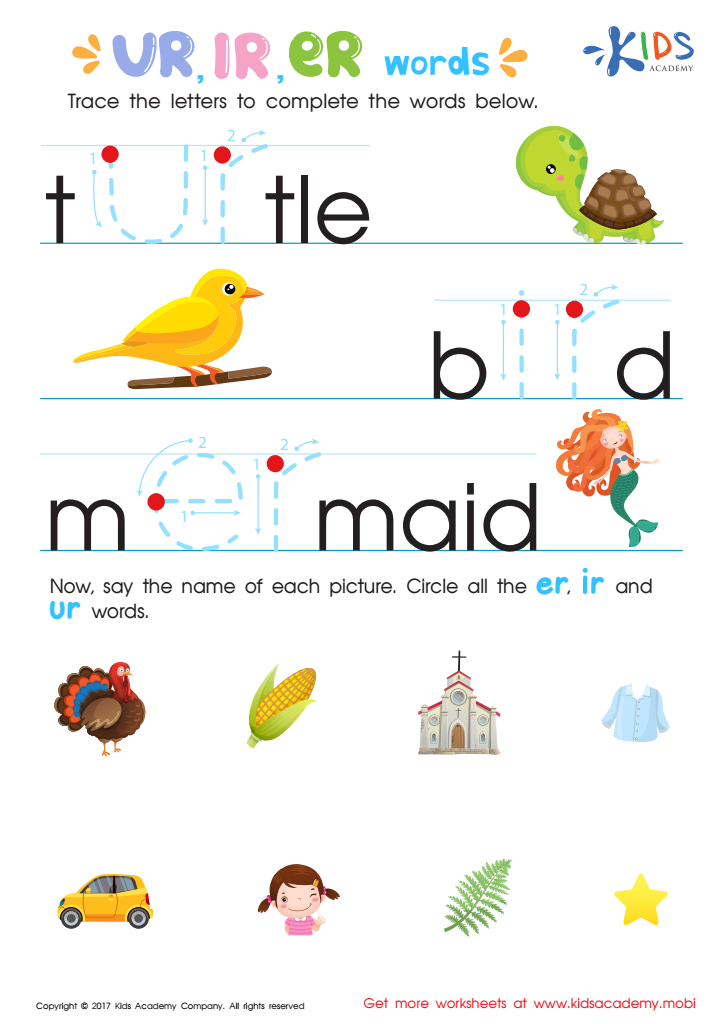
IR UR ER Words Worksheet







Phonics recognition and understanding the normal alphabet are foundational aspects of early literacy that parents and teachers should prioritize for several compelling reasons. Phonics involves teaching children the relationships between the letters of the alphabet and their corresponding sounds, a critical step toward fluent reading and writing.
Firstly, phonics instruction enhances a child's decoding skills, allowing them to sound out unfamiliar words. This skill not only boosts their reading confidence but also fosters independence and a love for learning. Children with strong phonics foundations tend to become more proficient readers, enabling them to access and comprehend a wider range of texts as they progress in their education.
Secondly, grasping the normal alphabet is crucial for letter recognition, which is inherently tied to developing literacy skills. Recognizing letters and the sounds they make contributes to the ability to write words and sentences, supporting overall communication skills.
Moreover, early phonics and alphabet recognition lay the groundwork for future academic success. Research consistently shows that early literacy skills are predictive of later reading achievement and academic performance. By ensuring children have a solid grasp of phonics and the alphabet, parents and teachers are equipping them with tools that will benefit their educational journey and cognitive development.
In summary, focusing on phonics recognition and the normal alphabet is essential for developing proficient and enthusiastic readers, laying a solid foundation for lifelong learning.







