Phonics Skills Normal Alphabet Worksheets - Page 3
53 filtered results
-
From - To
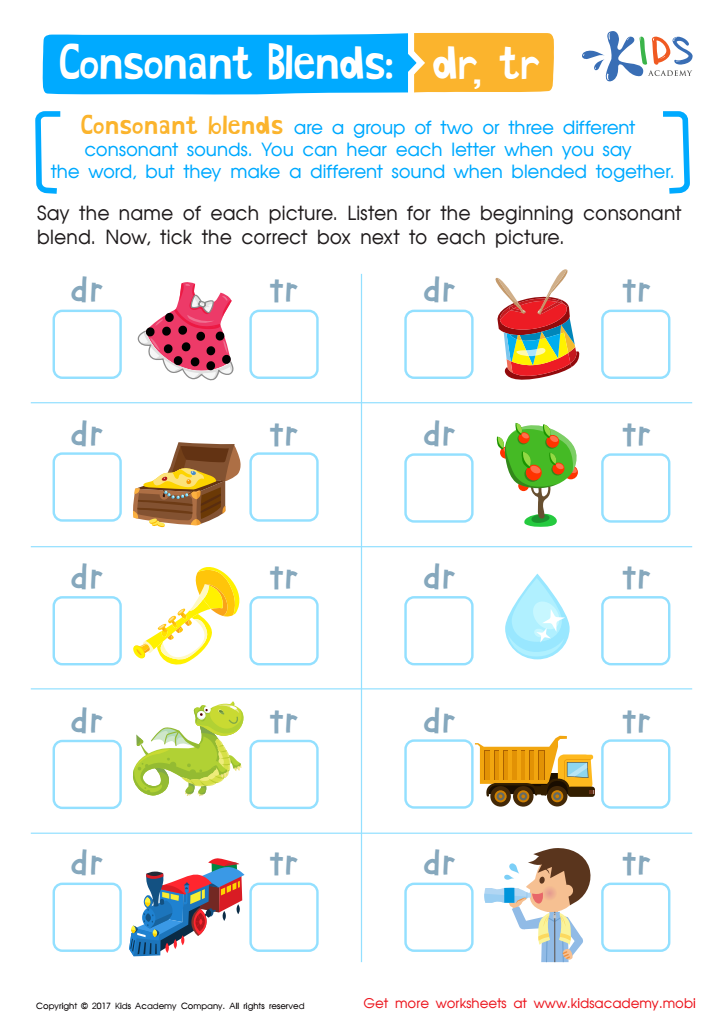
Consonant Blends: "Dr" and "Tr" Printable
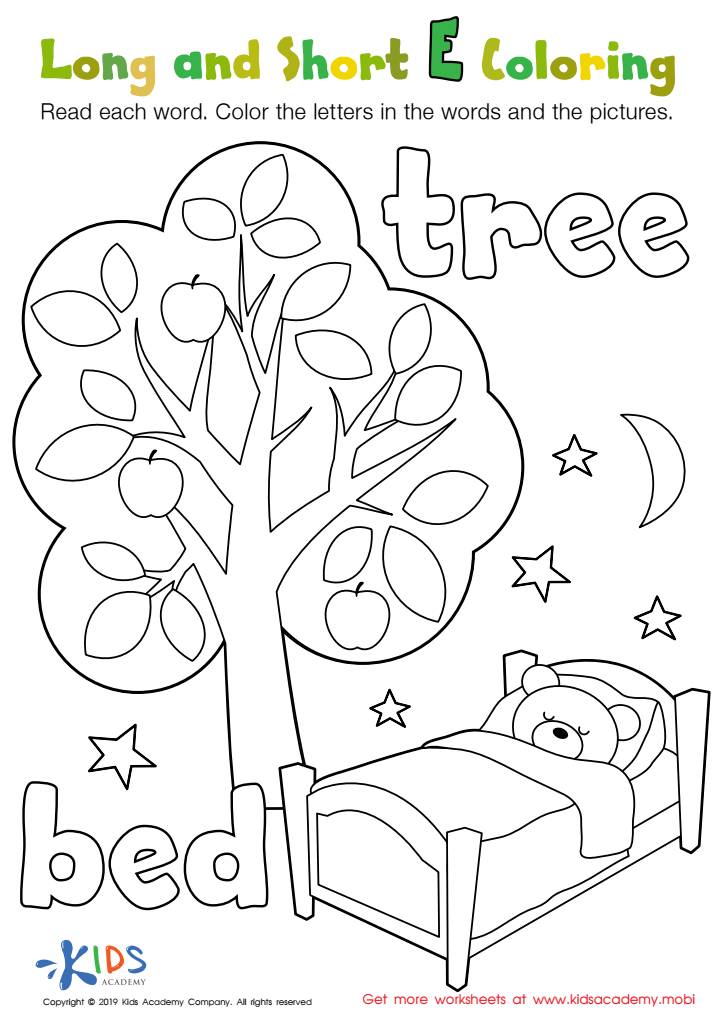
Long and Short E Worksheet
 Assign to My Students
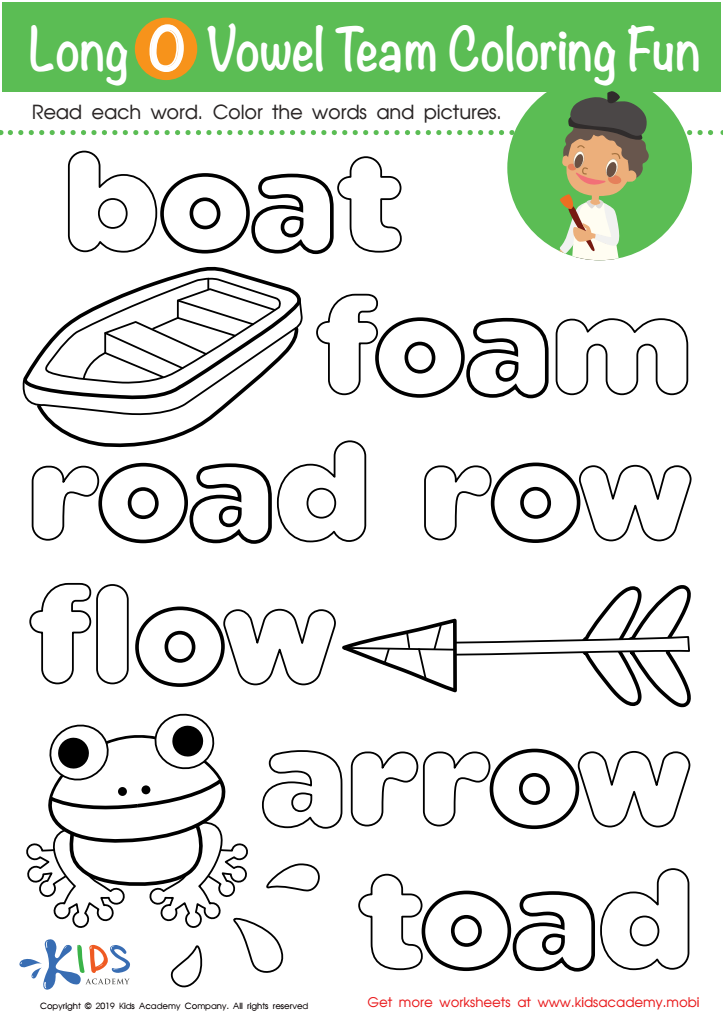
Long O Vowel Team Coloring Worksheet
Assign to My Students
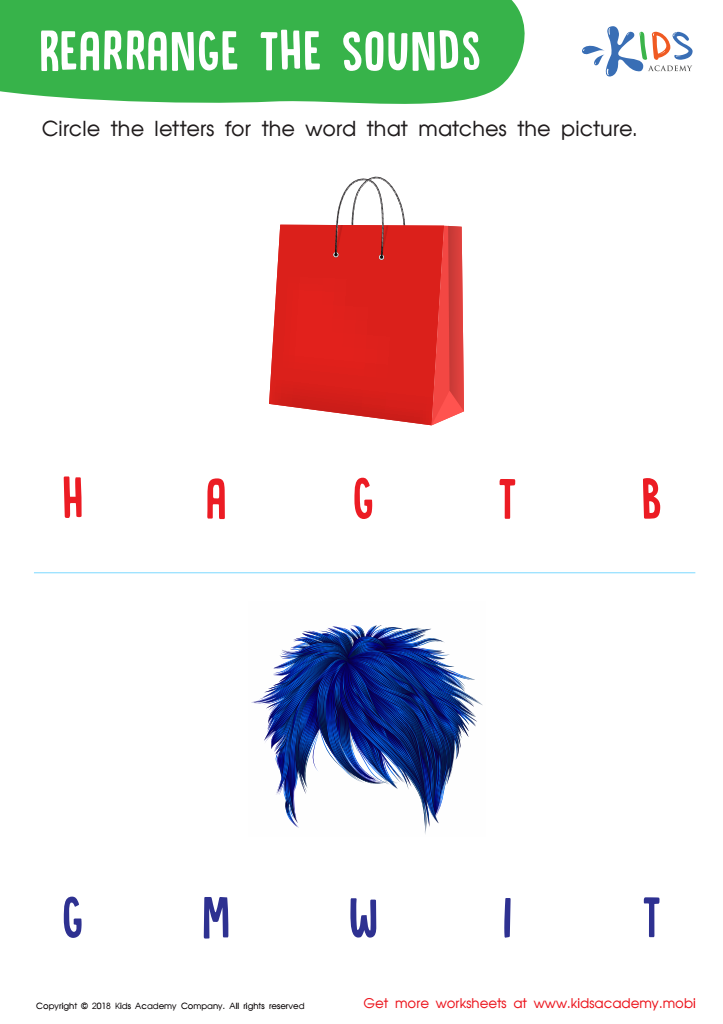
Rearrange the Sounds Worksheet
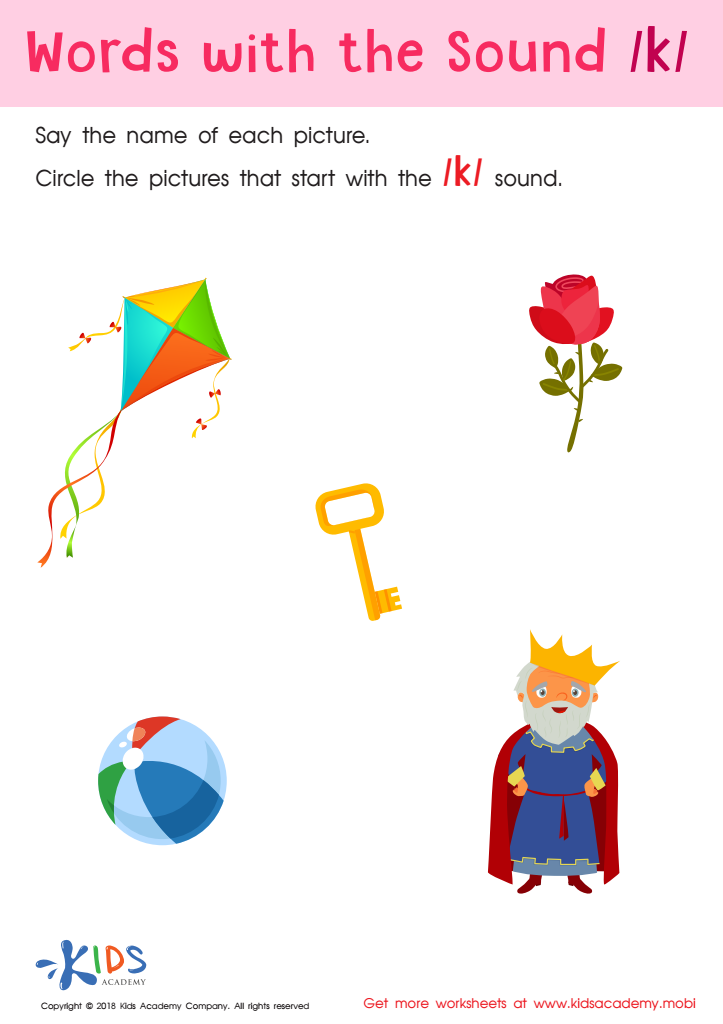
Words with sound k Reading Worksheet






.jpg)
Phonics skills are critical for young learners because they form the foundation of reading and writing. Understanding phonics—the relationship between letters and sounds—enables children to decode words, spelling, and pronunciation correctly. When parents and teachers emphasize phonics, they empower children to become confident readers who can tackle increasingly complex texts as they progress in their education.
Strong phonics skills also enhance vocabulary development, as children who decode words successfully are more likely to recognize and understand new terms. This, in turn, contributes to better comprehension and critical thinking abilities. Moreover, phonics instruction encourages phonemic awareness, allowing students to manipulate sounds in words, which is imperative for effective communication.
Incorporating phonics into early literacy interventions not only supports struggling readers but also enriches the learning experience for all students by making reading enjoyable and stimulating. By creating a solid phonics base, parents and teachers foster a love for reading and contribute to lifelong learning habits. Ultimately, investing time and effort in developing phonics skills is essential, as it equips children with the necessary tools to thrive academically and socially.







