Word Recognition Normal Alphabet Worksheets - Page 2
26 filtered results
-
From - To
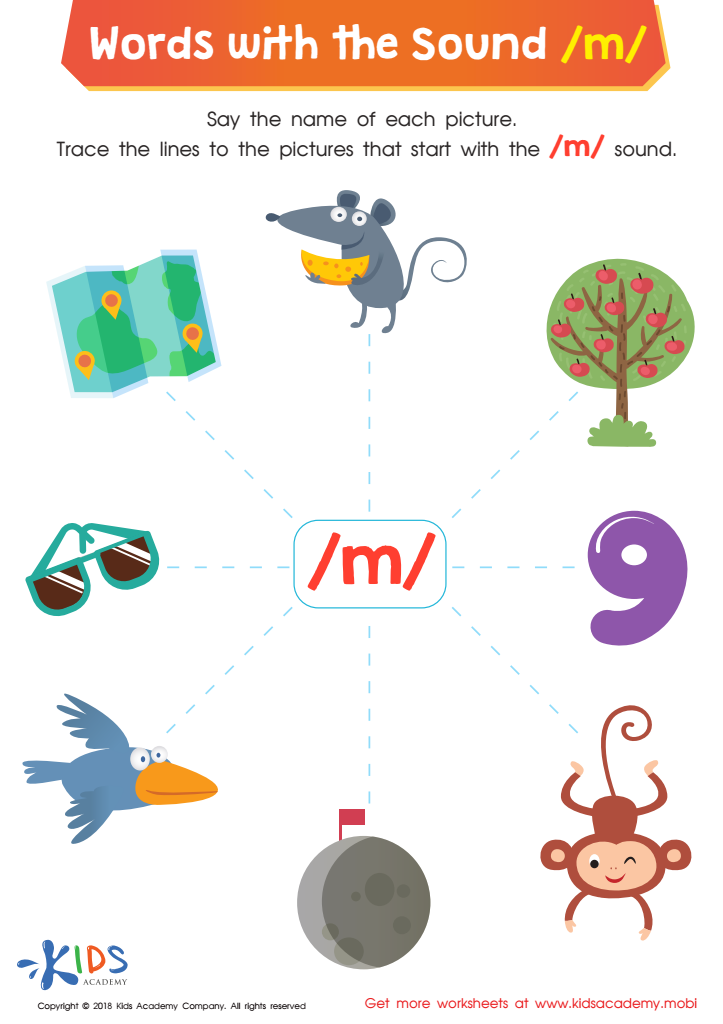
Words with Sound M Reading Worksheet
 Assign to My Students
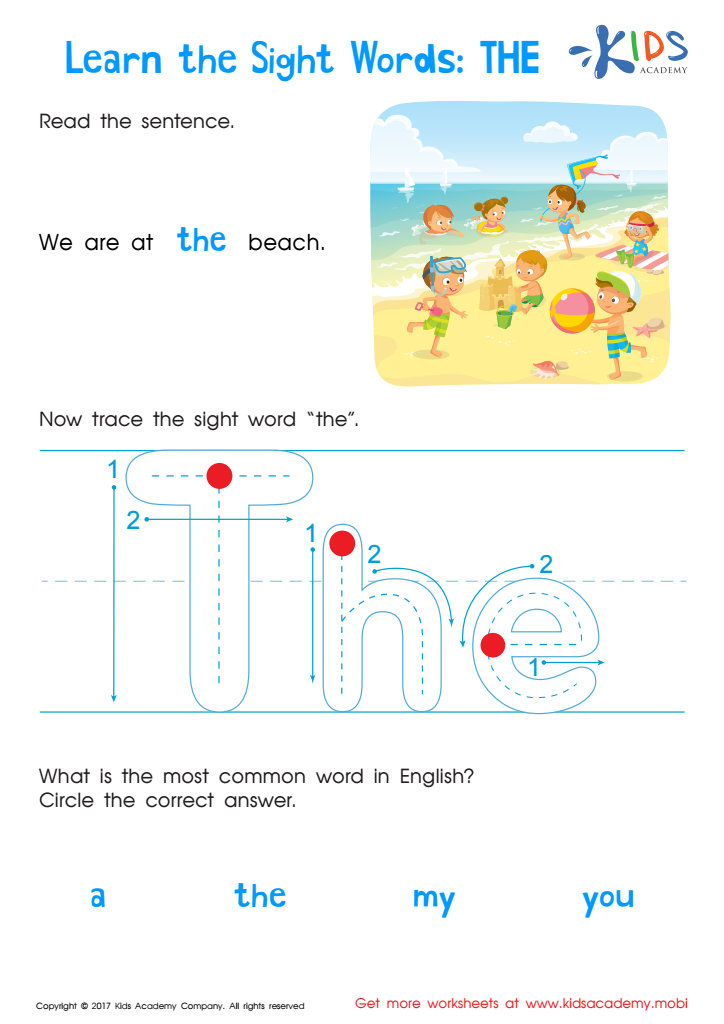
Sight Words: The Worksheet








Word recognition is a crucial component of literacy development in young children, making it essential for parents and teachers to prioritize it, particularly with respect to normal alphabets. When children can recognize words quickly and accurately, they can read fluently, leading to improved comprehension and enjoyment of reading. This foundational skill aids in building vocabulary and encourages a love for literature.
Moreover, strong word recognition skills correlate with academic success across subjects, not just in reading and language arts. When children don't struggle with word recognition, they are better equipped to focus on understanding and processing content, allowing them to participate confidently in classroom discussions and activities.
Teaching word recognition effectively supports diverse learners. For instance, children with dyslexia may face unique challenges with reading. Early intervention and recognition strategies can empower these learners by improving their self-esteem and motivation.
Additionally, involvement from parents reinforces word recognition skills at home. Engaging in activities like shared reading, word games, and discussing stories helps create a supportive literacy-rich environment. Ultimately, prioritizing word recognition contributes to nurturing independent readers and critical thinkers, laying a strong foundation for lifelong learning.







