Phonics Skills Normal Phonics Worksheets - Page 3
52 filtered results
-
From - To
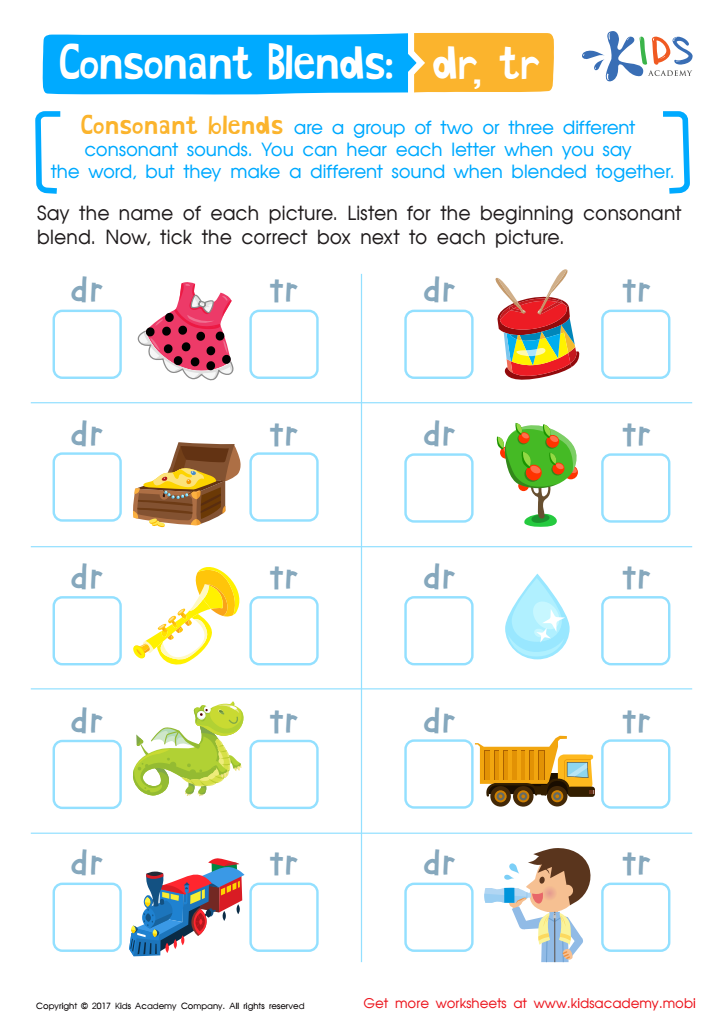
Consonant Blends: "Dr" and "Tr" Printable
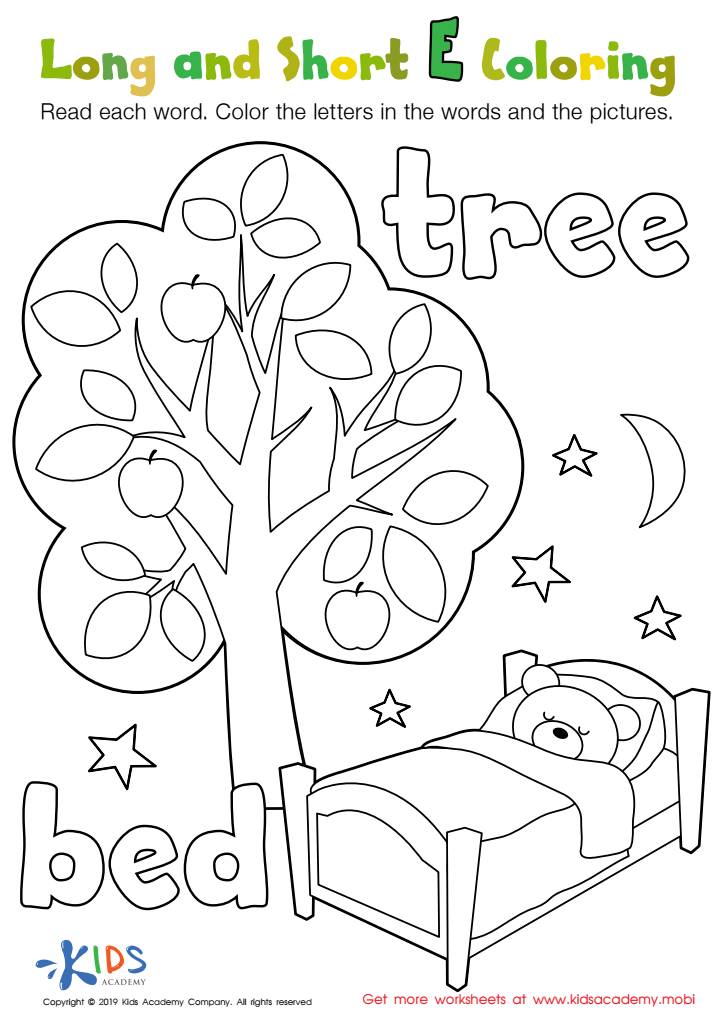
Long and Short E Worksheet
 Assign to My Students
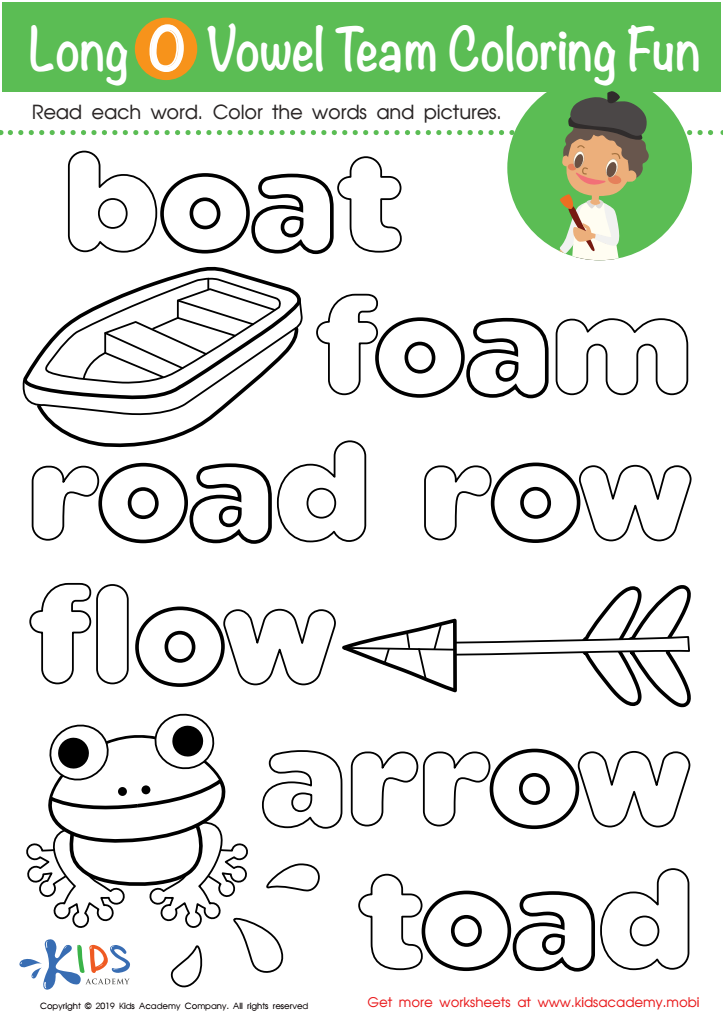
Long O Vowel Team Coloring Worksheet
Assign to My Students
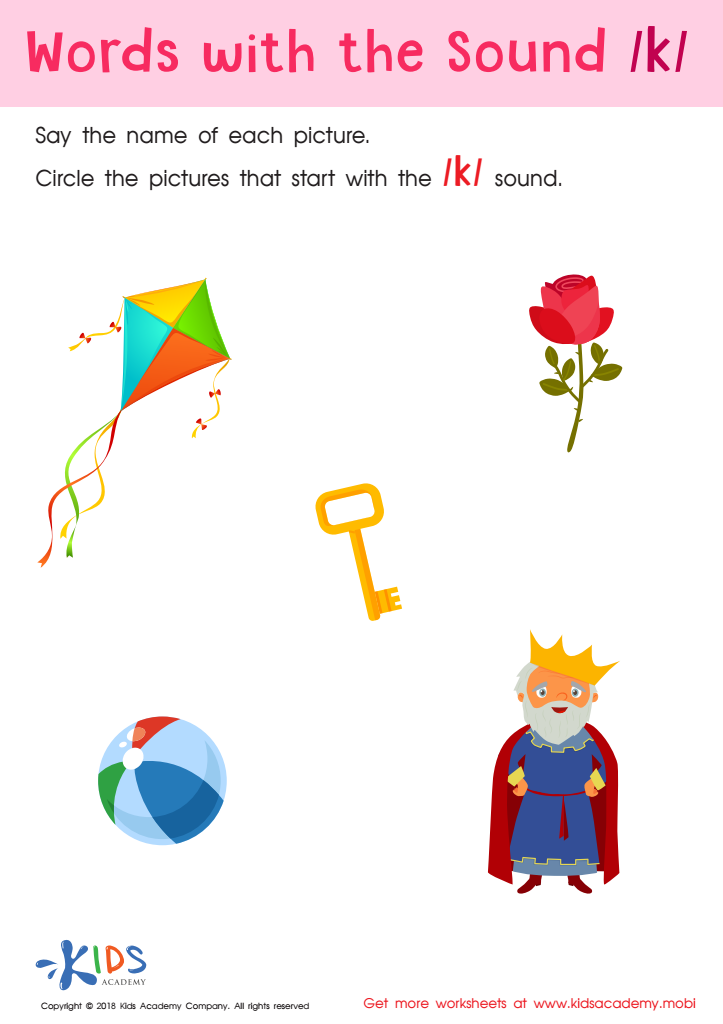
Words with sound k Reading Worksheet








Parents and teachers should prioritize phonics skills because they form the foundation for reading and writing, two essential competencies for academic success. Phonics involves understanding the relationship between letters and sounds, allowing children to decode words effectively. Mastery of phonics equips young learners with the tools necessary to tackle unfamiliar words, fostering confidence as they navigate texts.
Research shows that strong phonics skills contribute to increased literacy rates and improved comprehension abilities. When children solidify their phonics knowledge, they become more fluent readers, which enhances their overall learning experience. Additionally, phonics instruction can help struggling readers by providing clear strategies to approach reading challenges, thus preventing long-term literacy difficulties.
Moreover, phonics skills are crucial not only in early education but throughout a child's academic journey. Proficiency in phonics lays the groundwork for reading comprehension, critical thinking, and writing skills. By investing in phonics education, parents and teachers empower students to explore and engage with the world through reading. This foundational skill set supports frequent reading practice and higher academic achievement, providing children the tools necessary for lifelong learning and success. Ultimately, emphasizing phonics skills is vital in fostering confident, capable, and literate young individuals.







