Word Recognition Normal Two Letter Phonics Worksheets
6 filtered results
-
From - To
Enhance your child's reading skills with our engaging Two Letter Phonics Worksheets focused on word recognition! Designed for early learners, these printable worksheets feature fun activities that help children master two-letter sounds and build a solid foundation in phonics. As they practice identifying and recognizing words, kids will develop essential literacy skills in a playful and interactive manner. Each worksheet is tailored to encourage independent learning, boosting confidence and comprehension. Perfect for classroom or home use, our worksheets create a supportive environment for growth while ensuring children stay motivated. Unlock the joy of reading with our captivating phonics resources today!
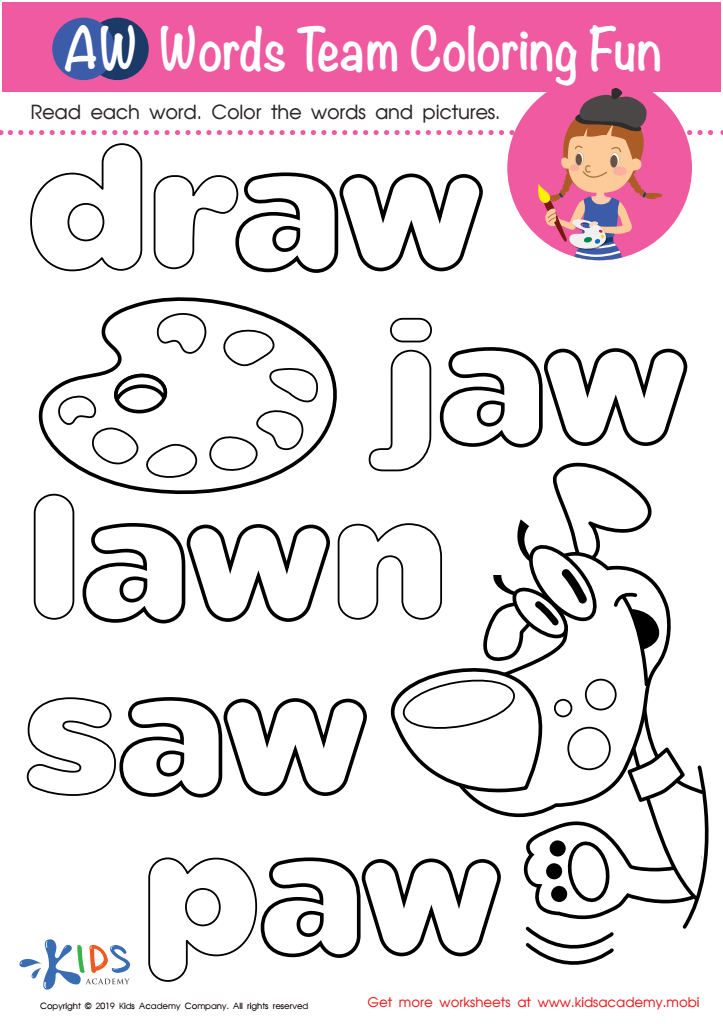
AW Words Team Coloring Fun Worksheet
 Assign to My Students
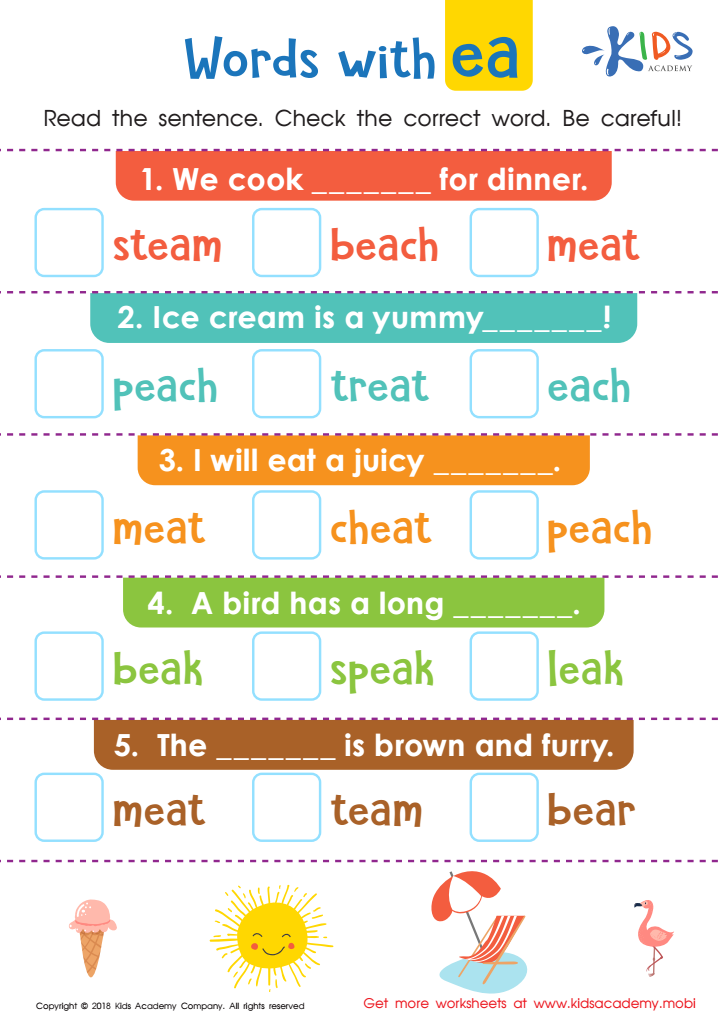
Words with ea Worksheet
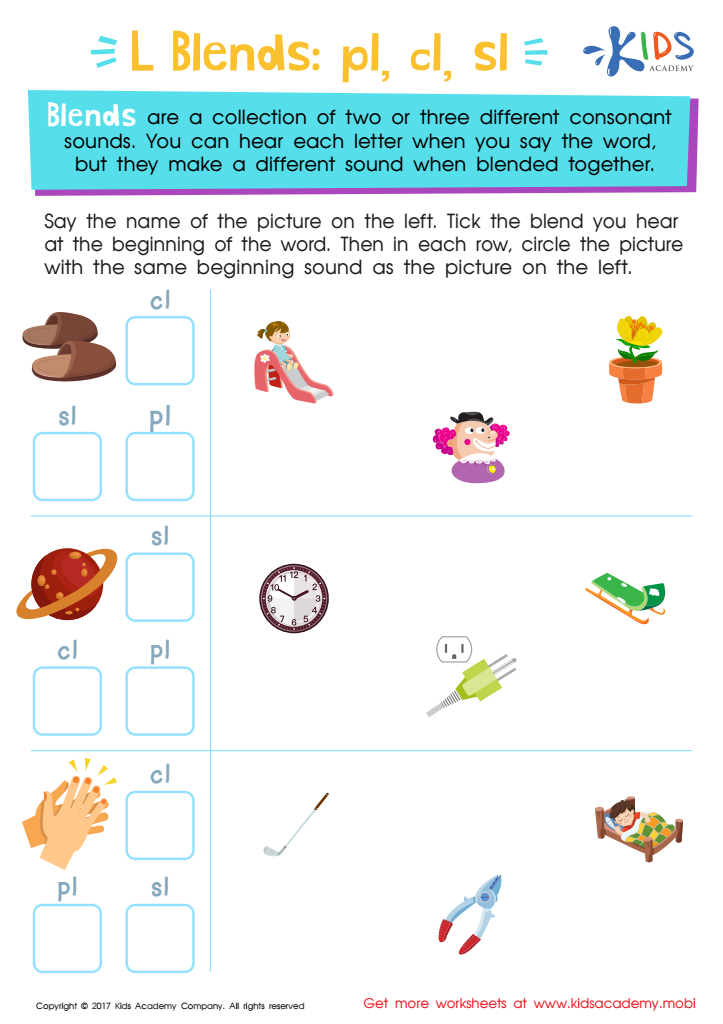
L Blends: "Pl", "Cl" and "Sl" Printable
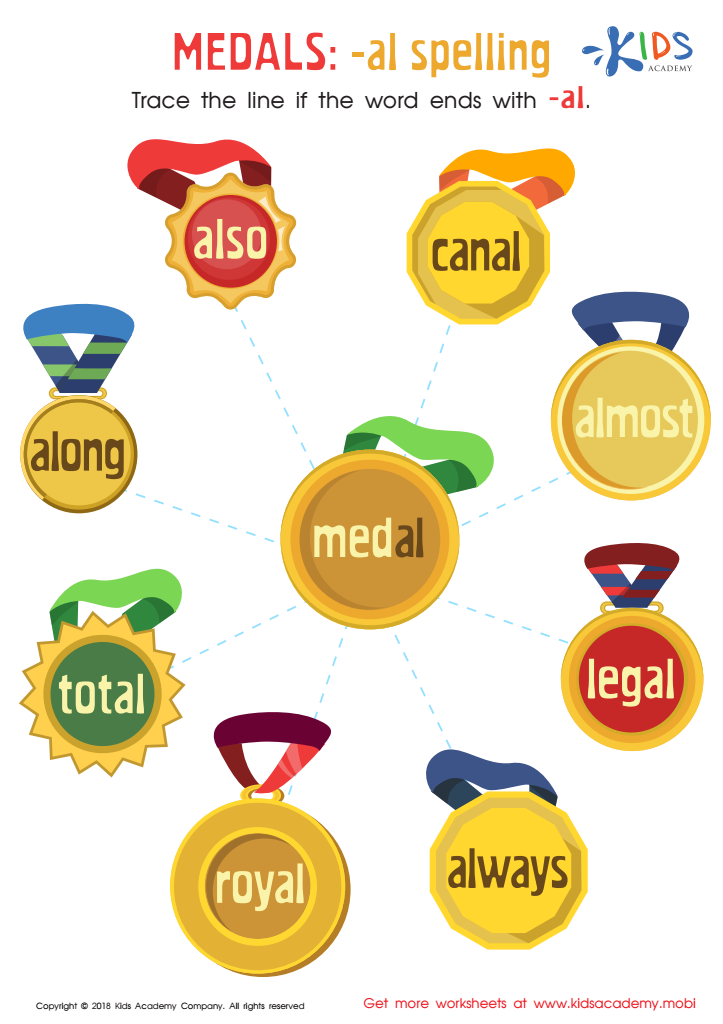
Medals: Al Spelling Worksheet
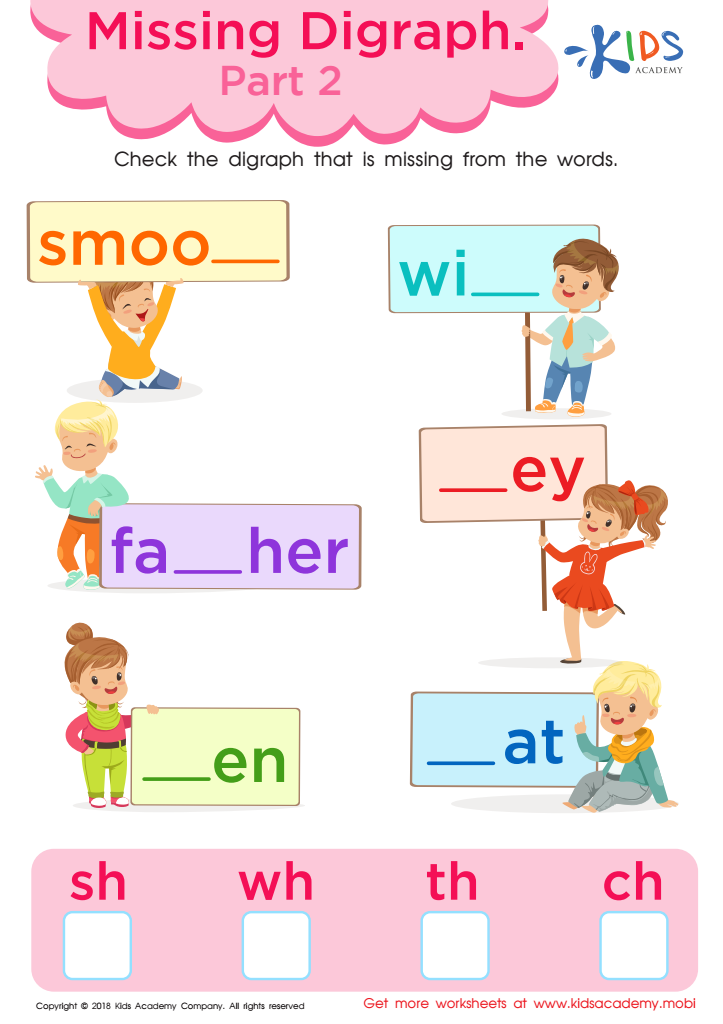
Missing Digraph: Part 2 Worksheet
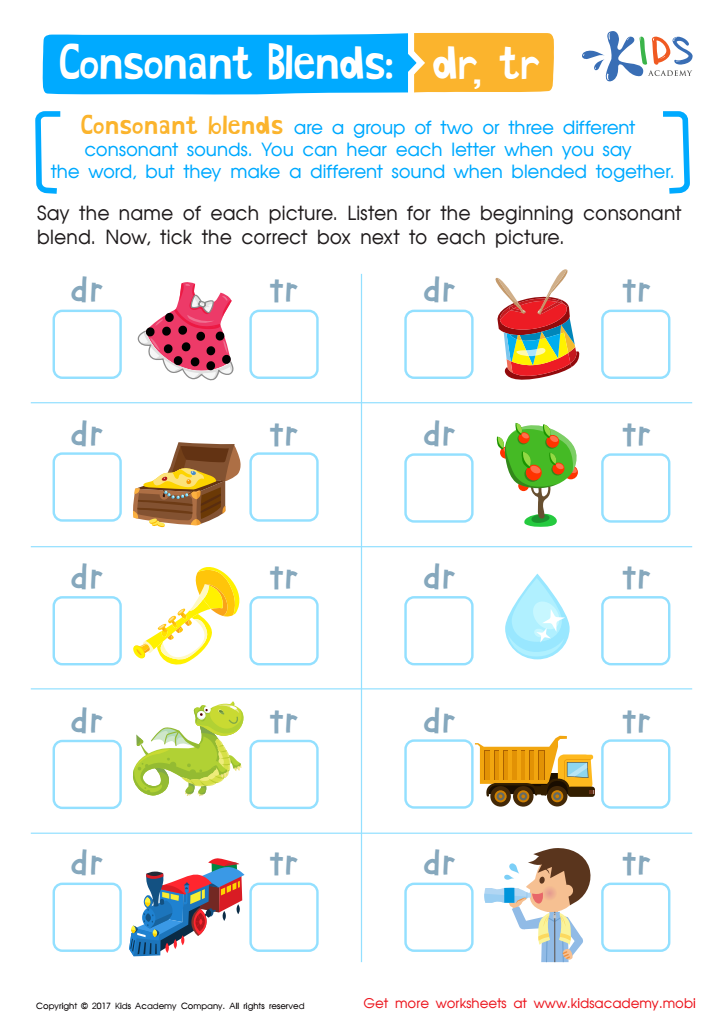
Consonant Blends: "Dr" and "Tr" Printable



Word recognition, particularly in the context of normal two-letter phonics, is crucial for early literacy development in children. Understanding these foundational phonics skills fosters the ability to decode words efficiently, enabling young readers to approach texts with confidence. As parents and teachers, investing time in two-letter phonics helps children recognize patterns in language, paving the way for more complex reading and writing skills.
Two-letter phonics introduces children to basic sound-letter correlations, empowering them to blend sounds and read simple words. This skill is vital for building vocabulary and enhancing comprehension, creating a more enjoyable learning experience. When children recognize common letter combinations, they are better equipped to tackle new words, decreasing frustration and increasing engagement with reading.
Moreover, effective word recognition in early grades is a strong predictor of future academic success. Early challenges in literacy can lead to long-term struggles, making proactive instruction in phonics important. Parents and teachers should prioritize teaching normal two-letter phonics to help cultivate a love for reading, promote literacy proficiency, and support children on their educational journey. Together, they can create a solid foundation for lifelong learning and reading enjoyment.






